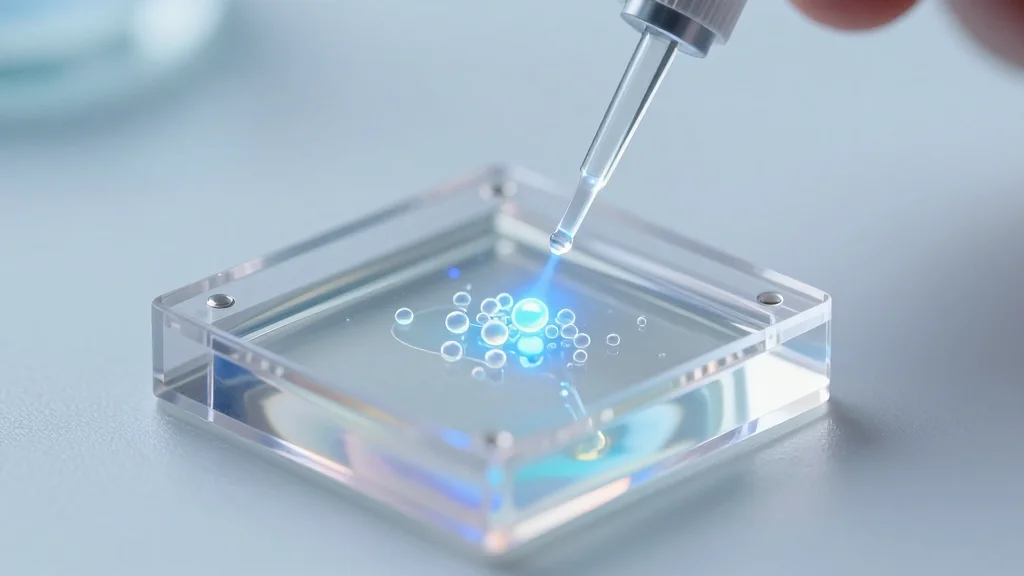
These Nanotweezers Grab Thousands of Tiny Cell Packets in Seconds and Expose Their Hidden Cargo
Vanderbilt researchers led by Justus Ndukaife have unveiled interferometric electrohydrodynamic tweezers (IET), a platform that can trap and analyze thousands of nanoscale extracellular vesicles (EVs) in seconds. The system combines electrohydrodynamic flow‑based capture with label‑free interferometric imaging and Raman spectroscopy, eliminating the need for fluorescent tags or surface immobilization. By delivering real‑time, single‑particle characterization, IET overcomes the low‑throughput constraints of traditional optical tweezers. The breakthrough promises to accelerate EV‑focused diagnostics, therapeutics, and broader nanomedicine research.
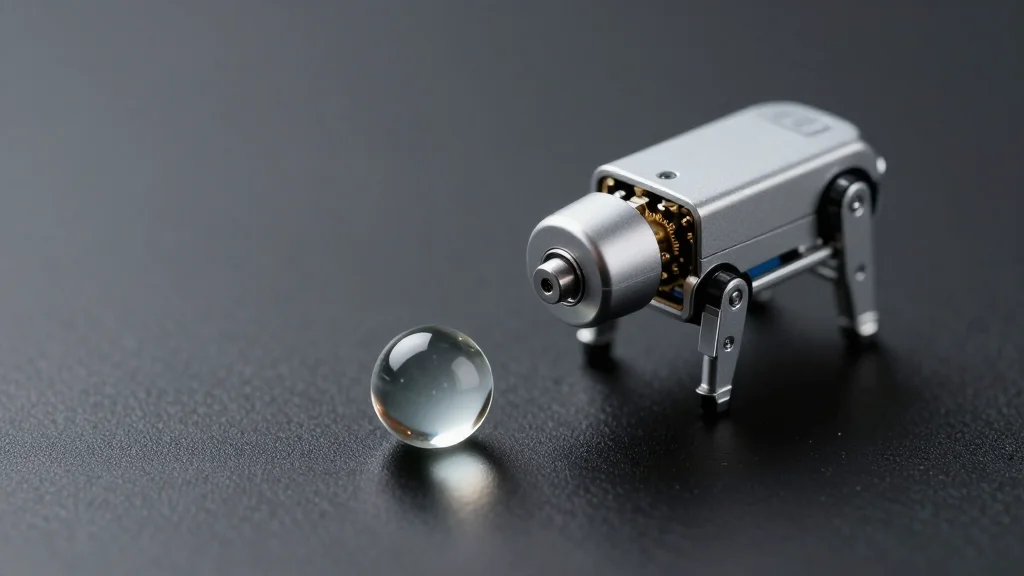
A Nanoscale Robotic Cleaner Can Hunt, Capture and Remove Bacteria
Researchers at Julius‑Maximilian University of Würzburg have created sub‑micron nanorobots that use photon‑recoil propulsion to hunt, capture, and relocate bacteria. By embedding plasmonic nanoantennas, the devices steer via light polarisation, achieving rapid 90° turns and precise manipulation of microbial clusters....
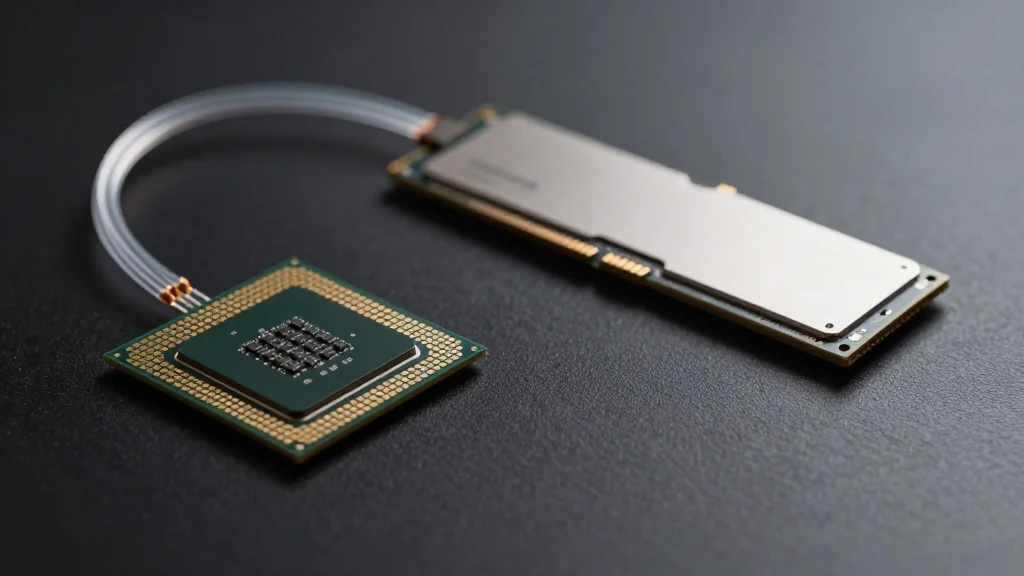
AI Chips Could Get Faster with 30-Nanometer Embedded Memory that Cuts Data Shuttling
Researchers at the Institute of Science Tokyo have demonstrated a 30‑nanometer logic‑embedded memory stack using aluminum scandium nitride (AlScN) and ultra‑thin platinum electrodes. By heat‑treating the lower electrode, they preserved crystal alignment, allowing the memory to retain high performance even...
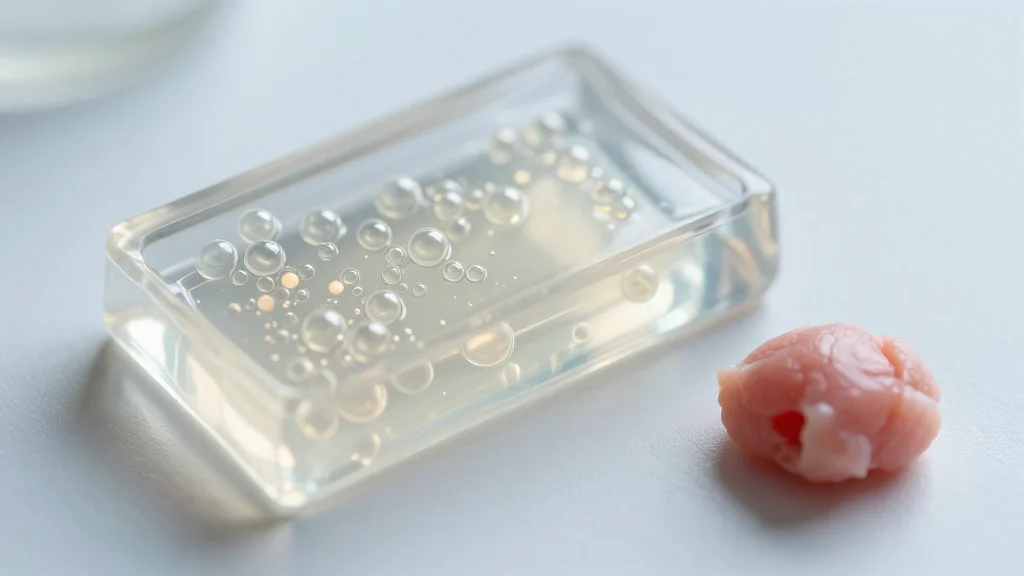
Using Menstrual Blood-Derived Particles to Treat Osteoarthritis
Lithuanian researchers have demonstrated that extracellular vesicles (EVs) harvested from menstrual‑blood‑derived mesenchymal stromal cells can stimulate cartilage regeneration in vitro, offering a cell‑free therapy for osteoarthritis. The EVs improved chondrocyte function and extracellular matrix synthesis even in cartilage cells taken...
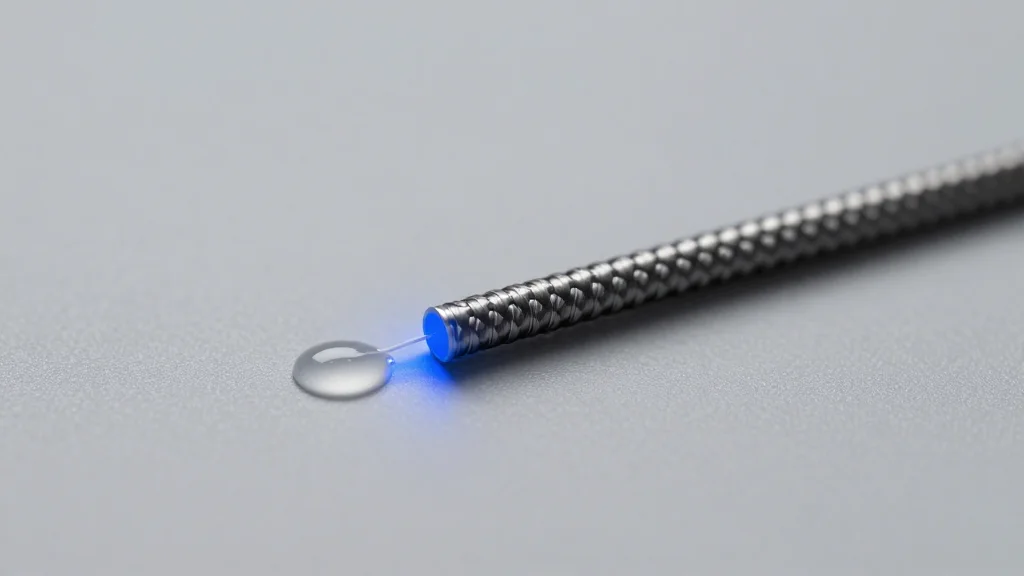
Carbon Nanotube Fiber Sensors Achieve Record Measurement Error Below 0.1%
Skoltech researchers, together with Chinese and Iranian collaborators, demonstrated carbon nanotube fiber (CNTF) sensors that achieve a record‑low measurement error of under 0.1%, far surpassing the typical 2% error of commercial sensors. The study, published in iScience, proves CNTFs can...
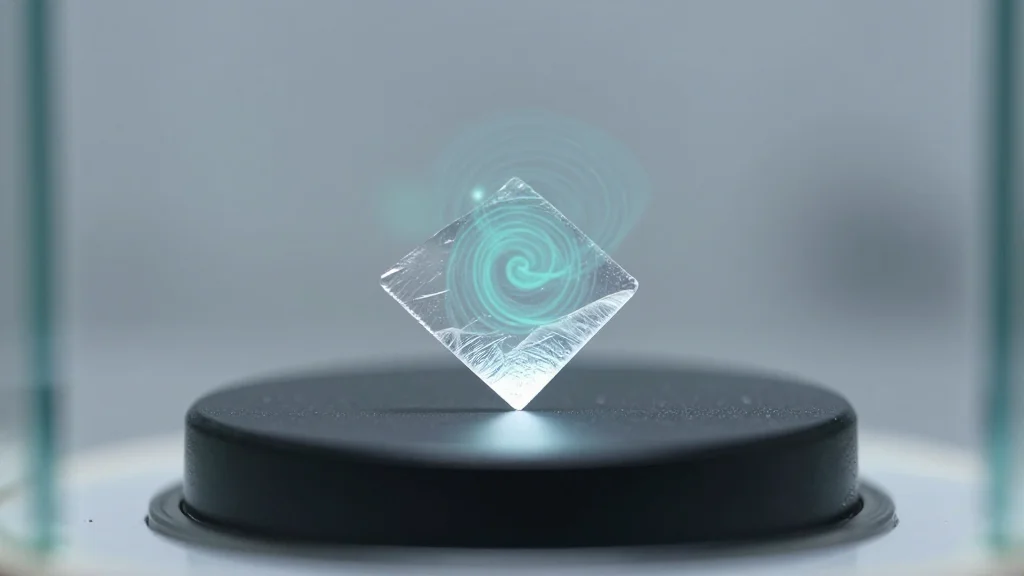
Taming Skyrmions: Atom-Thin Magnets Point to Ultra-Dense, Low-Power Memory
Researchers at Argonne National Laboratory used cryogenic Lorentz transmission electron microscopy to directly image magnetic domains and skyrmion evolution in atom‑thin Fe₃GeTe₂ (FGT). The study shows that sample thickness and applied magnetic field precisely control skyrmion size, density, and reversal...
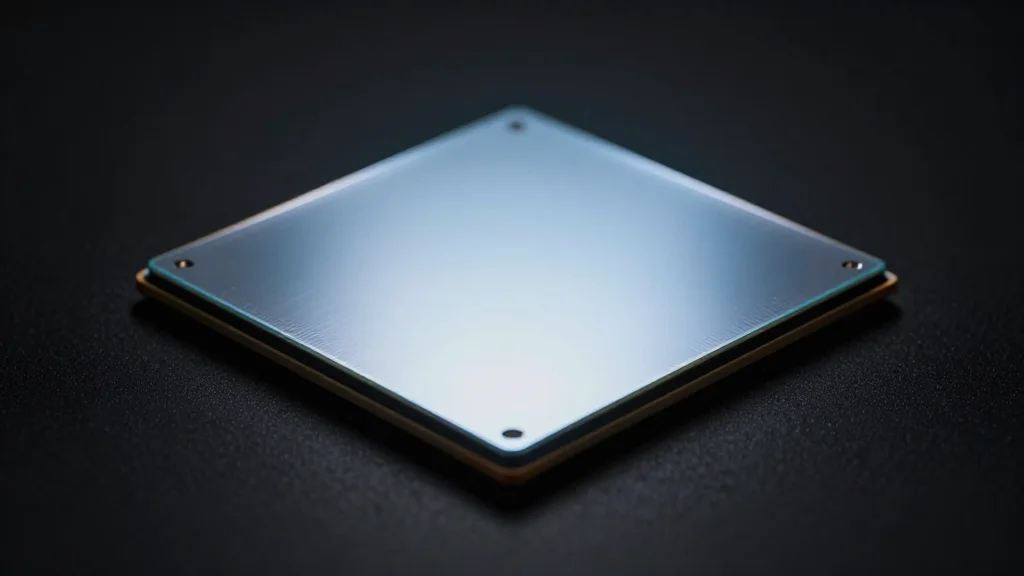
Momentum-Engineered Photonic States Make Bulk Silicon Shine
Researchers at UC Irvine have shown that bulk silicon can emit bright, broadband light by engineering the momentum of photons rather than altering the material itself. By decorating silicon surfaces with sub‑2 nm metal particles, they create extreme light confinement that...
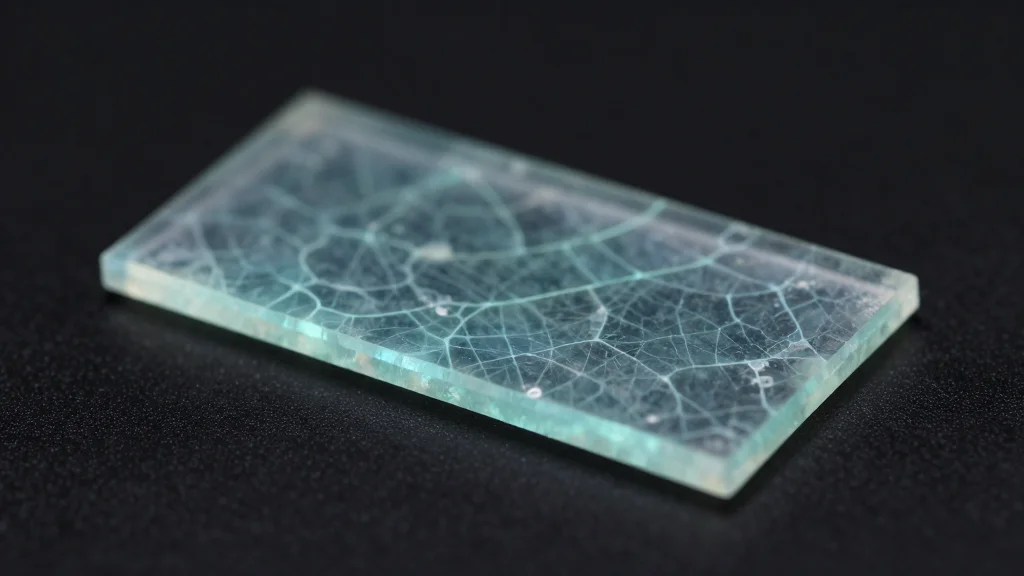
A Roadmap for Atomic Force Microscopy Use in Next-Generation Semiconductor and Energy Materials Research
Researchers at KAIST have released a comprehensive review outlining how atomic force microscopy (AFM) can move beyond imaging to actively control ferroelectric materials at the nanoscale. By integrating piezoresponse, Kelvin probe, and conductive AFM modes, the new framework delivers three‑dimensional...
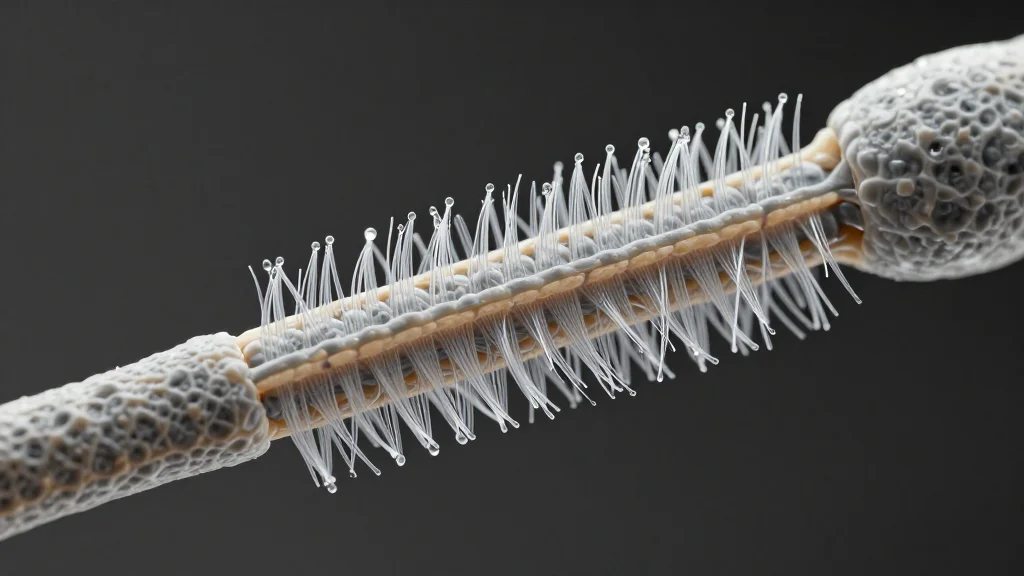
Sound-Sensing Hair Bundles in Our Ears Act as Tiny Thermodynamic Machines
Researchers at the European Molecular Biology Laboratory have built a thermodynamic model that captures how inner‑ear hair‑cell bundles convert sound into electrical signals. By measuring mechanical parameters in bullfrog sacculus tissue, they identified four distinct thermodynamic regimes, two of which...

More than a Pretty Picture, Star-Shaped Nanomaterial Changes Energy Storage
University at Buffalo scientists synthesized the first star‑shaped vanadyl hydroxide (VOOH) nanomaterial, converting its electrochemical profile from a bulk‑like battery to a surface‑dominant pseudocapacitor. The transformation occurs over 84 hours as flat sheets evolve into rods and finally six‑armed stars, dramatically...
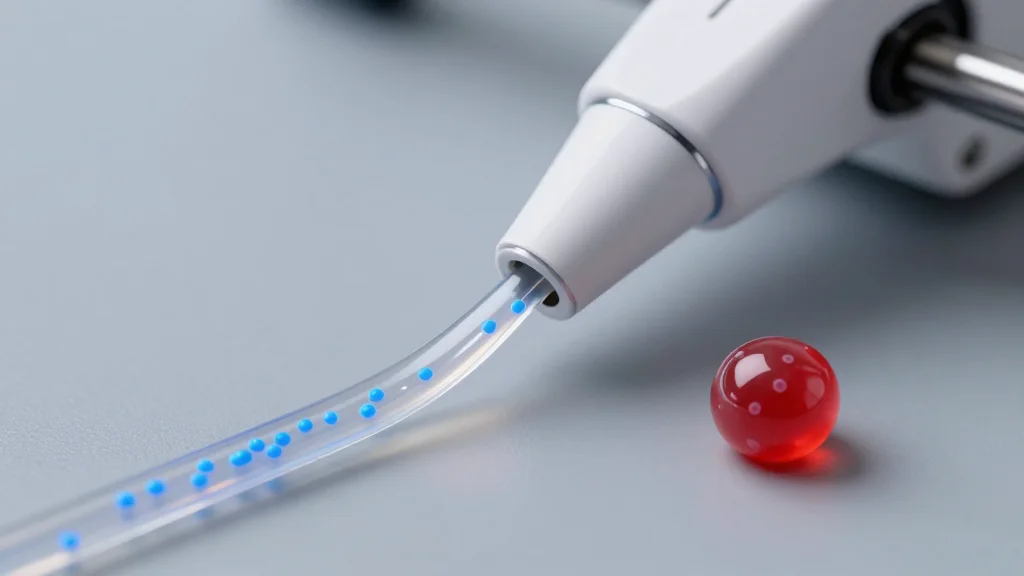
3D-Printed 'Spanlastics' Could Change How Cancer Drugs Reach Tumors
University of Mississippi researchers unveiled a FRESH 3D‑printing technique that fabricates hydrogel‑based spanlastic nanocarriers, 200–300 nm in size, loaded with anticancer drugs such as doxorubicin. The printed implants can be placed directly onto tumor sites, delivering high‑dose therapy locally while shielding...
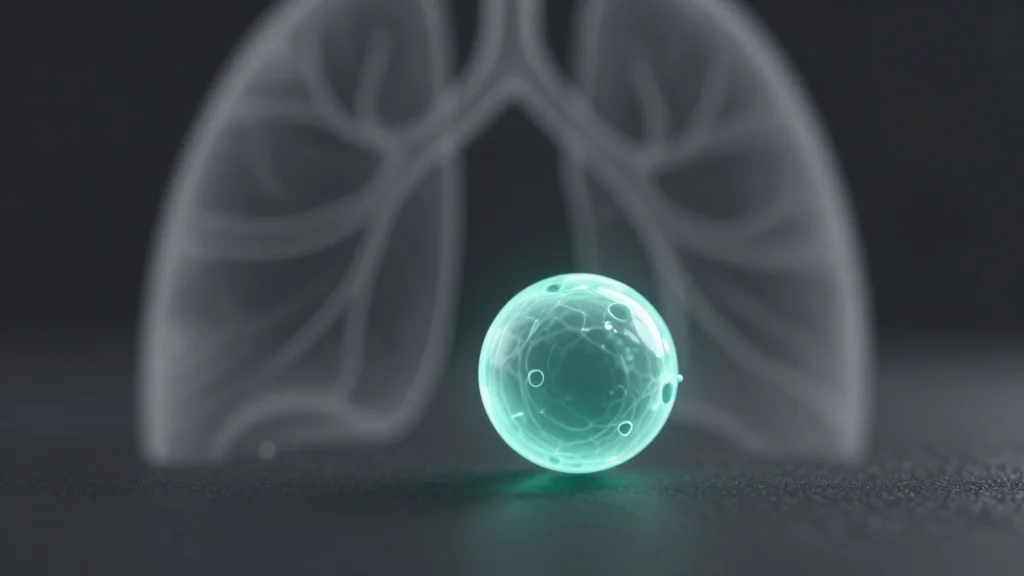
A Nanoparticle Therapy to Treat Lung Cancer and Associated Muscle Wasting at the Same Time
Researchers at Oregon State University have engineered lipid nanoparticles that carry follistatin messenger RNA to lung tumors, simultaneously attacking the cancer and the muscle‑wasting cachexia that often accompanies it. In mouse models the nanocarriers bind circulating vitronectin, home to integrin‑rich...
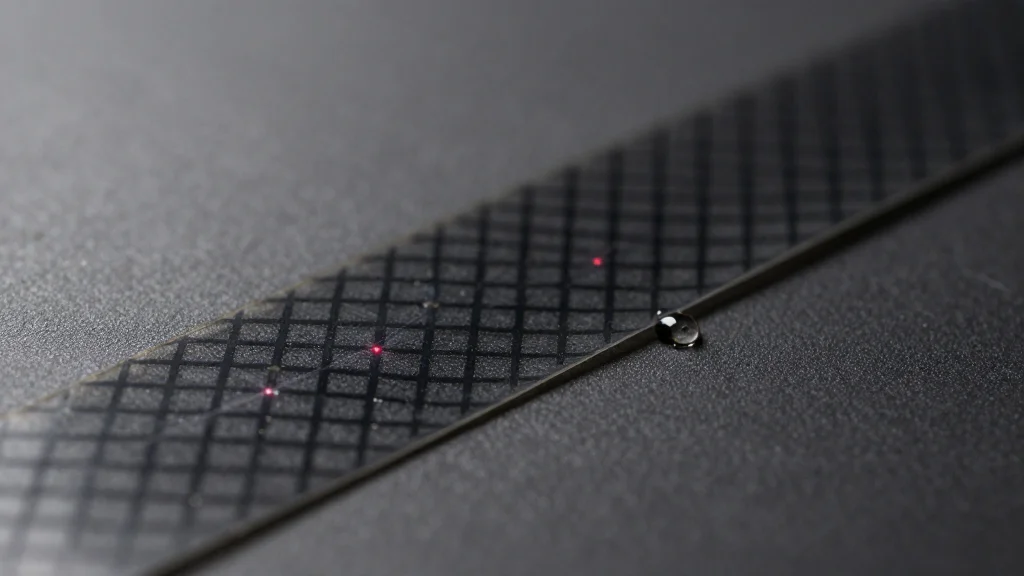
Stitching Precise Patterns—With Lasers
University of Pittsburgh researchers have introduced a laser‑induced graphene (LIG) technique that uses an iron‑oxide ink layer to precisely control graphene thickness and side‑selective formation on polymer films. The method enables the fabrication of flexible microelectrodes that can detect neurotransmitters...
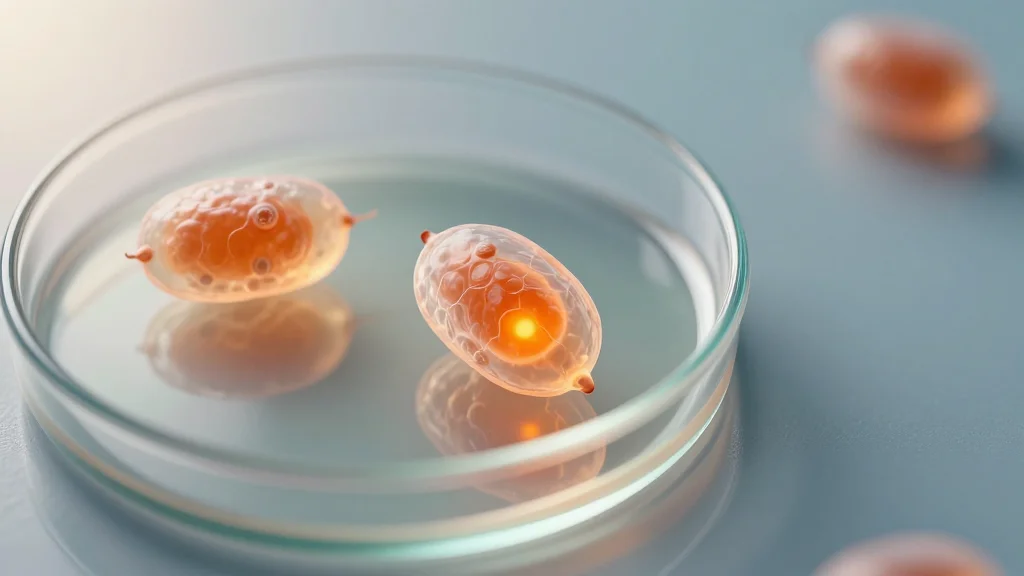
Nanotube Injector Transfers Cytoplasmic Contents and Organelles Between Living Cells Safely
Researchers at Waseda University have introduced a gold‑membrane nanotube injector that can extract and deliver cytoplasmic material—including intact mitochondria—between living cells. By applying controlled air pressure, the device aspirates cytoplasm from donor cells and flushes it into recipients, achieving over...
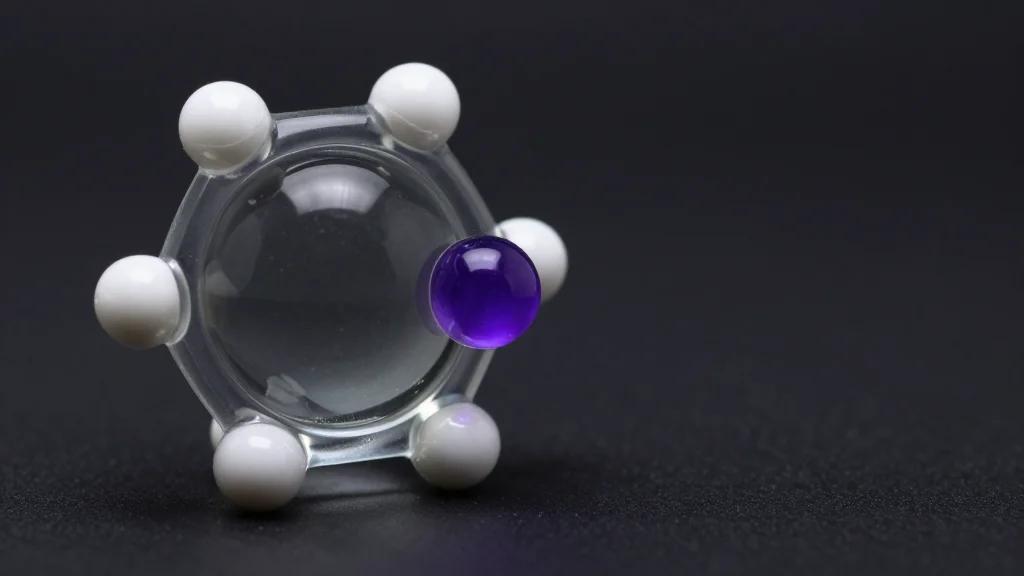
One-Atom Substitution Successfully Tunes Molecular Heat Transport for the First Time
Researchers at the University of Augsburg and the University of Michigan have demonstrated that swapping a single hydrogen atom in a benzene‑diamines molecule with heavier halogens can dramatically alter its thermal conductance. By replacing hydrogen with fluorine, chlorine, bromine or...
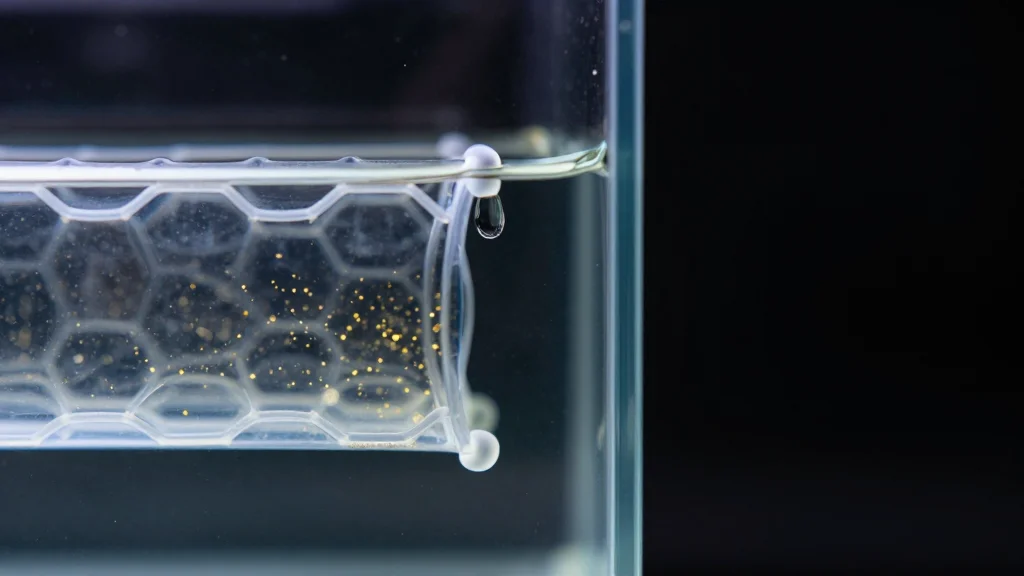
Graphene 'Nano-Aquariums' Capture Atomic-Resolution Videos of Gold Atoms in Solvents
Scientists at the University of Manchester’s National Graphene Institute have built graphene‑sealed “nano‑aquariums” that enable atomic‑resolution video of gold atoms in a variety of organic solvents. Using transmission electron microscopy at the ePSIC facility, they recorded gold atoms hopping, pairing...

Virus-Inspired DNA Needle Could Pave the Way for Better Medicines
Researchers at Aarhus University have engineered a microscopic DNA needle capable of injecting therapeutic molecules directly into cells. The needle not only penetrates the cell membrane but also prevents cargo from being trapped in endosomal vesicles, preserving its activity. This...

Molecular System Can Distinguish and Neutralize Cancer Cells, Paving the Way for 'Smart' Drugs
Researchers at the University of Geneva have engineered synthetic DNA strands that act as molecular sentinels, detecting cancer‑specific markers with high fidelity. When the strands bind to a tumor cell, they trigger the release of a potent chemotherapeutic payload directly...
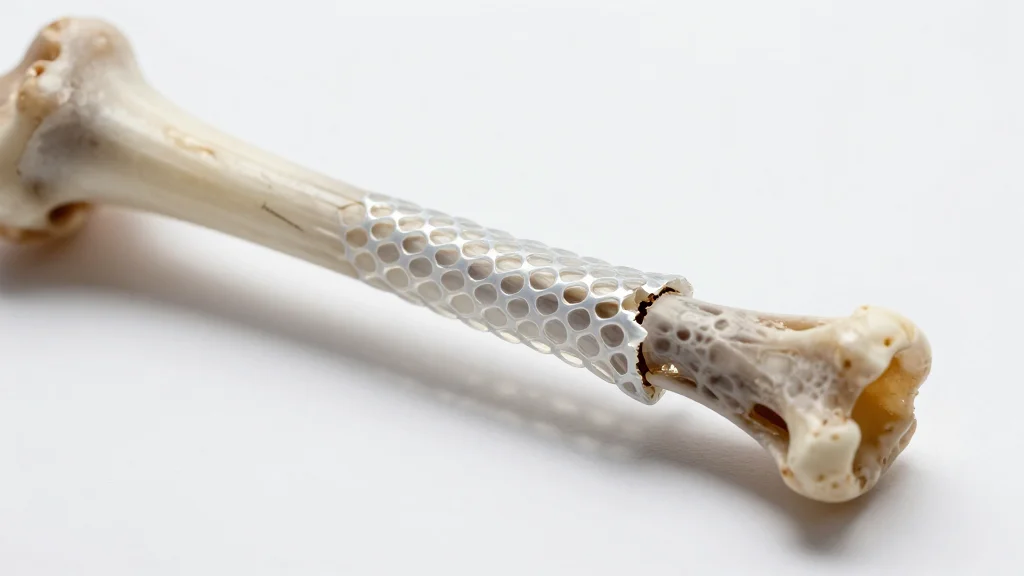
Graphene 'Scaffold' Recruits Bone Cells and Helps the Body Regenerate Fractures
Researchers in Brazil have created a graphene‑based scaffold that repaired nearly 90% of bone fractures in rats within a month, outperforming existing biomaterials. The scaffold combines graphene with chitosan‑xanthan polymers derived from waste black liquor, a pulp‑and‑paper by‑product. Acting as...
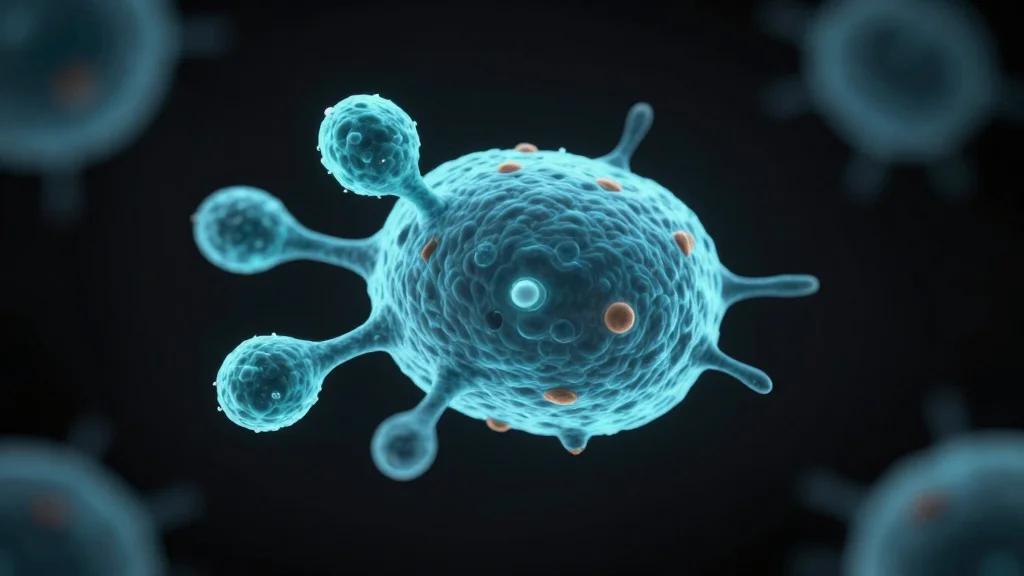
Targeting Tumor Supporting Cells: Lipid Nanoparticles Advance CAR T Success in Pancreatic Cancer
Researchers at Penn Vet used lipid nanoparticles (LNPs) to deliver FAP‑CAR mRNA directly to patients' T cells, enabling in‑vivo engineering of CAR T cells that attack cancer‑associated fibroblasts in pancreatic ductal adenocarcinoma. In a preclinical mouse model, a single dose of...
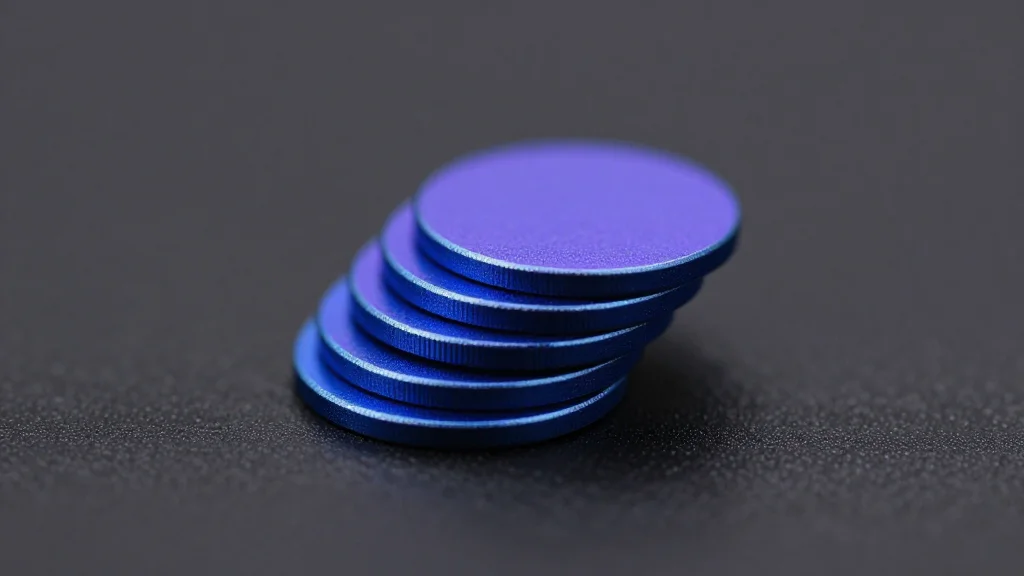
Anisotropic 2D Crystal with Hyperbolic Localized Plasmon Resonances Unlocks Additional Degree of Freedom
Researchers have demonstrated hyperbolic localized plasmon resonances (H‑LPRs) in the anisotropic 2D crystal MoOCl₂, introducing a new degree of freedom for nanophotonic design. When patterned into nanodisks, the material exhibits resonances only for polarization along its metallic axis, and the...
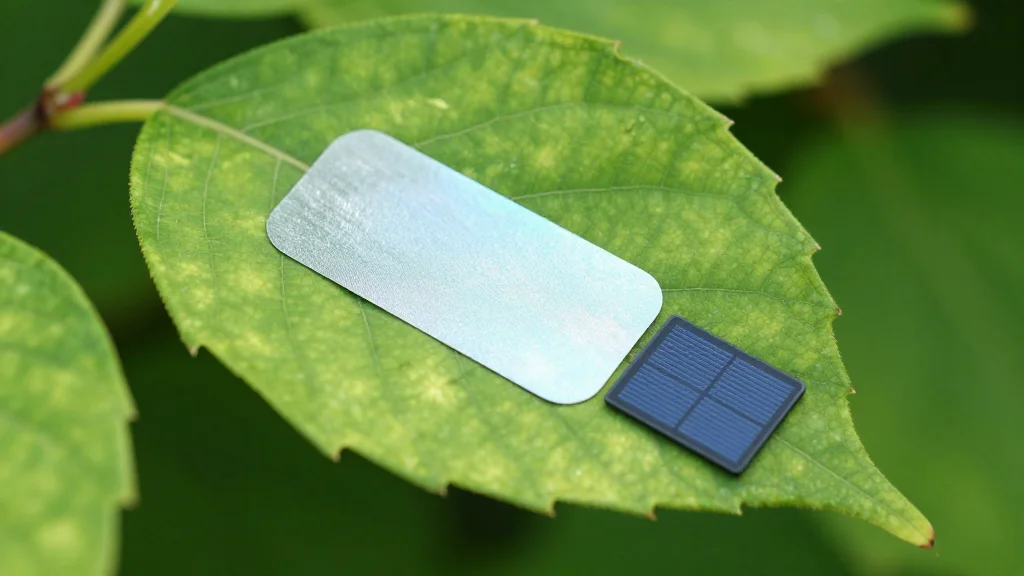
Graphene 'Leaf Tattoo' Sensor Tracks Plant Hydration in Real Time
University of Texas at Austin researchers have created a hyper‑flexible graphene electronic tattoo that adheres to live leaves and measures their hydration in real time. The sensor detects ion movement, updating conductance with just 23 attojoules per measurement and drawing...
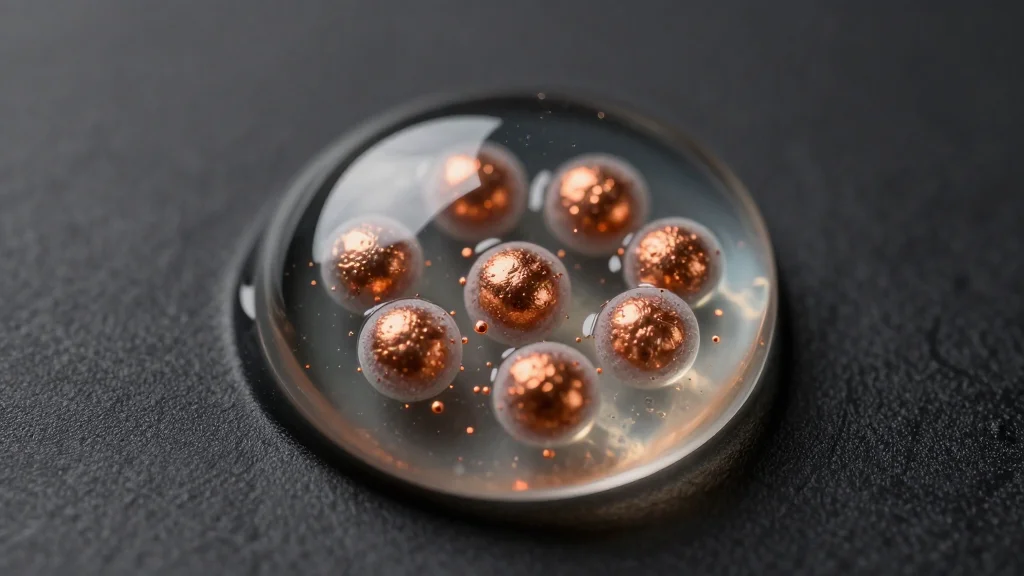
Copper-Loaded Starch Nanoparticles Can Target Bacteria in Microbial Communities
University of Michigan researchers have engineered copper‑loaded starch nanoparticles that release antibacterial copper ions when specific bacteria degrade the starch carrier. The positively charged particles preferentially bind to bacterial surfaces and demonstrated potent activity against Staphylococcus aureus and Bacillus subtilis...

Fieldoscopy Reveals Femtosecond Optical Switching in 15 Nm Indium Tin Oxide Nanocrystals
Researchers at the Max Planck Institute and Politecnico di Torino used fieldoscopy to observe femtosecond optical switching in 15 nm indium tin oxide (ITO) nanocrystals. The study showed that short laser pulses can reversibly increase the material’s transparency, effectively turning it...

Beyond Lipid Nanoparticles: How Custom Polymers and AI May Reshape Gene Therapies
Researchers at Helmholtz‑Zentrum Hereon and partners propose a payload‑driven approach to nucleic‑acid delivery, designing polymeric carriers that are chemically tuned to each DNA, RNA or mRNA payload. The strategy contrasts with the one‑size‑fits‑all lipid nanoparticles that dominate current vaccines and...
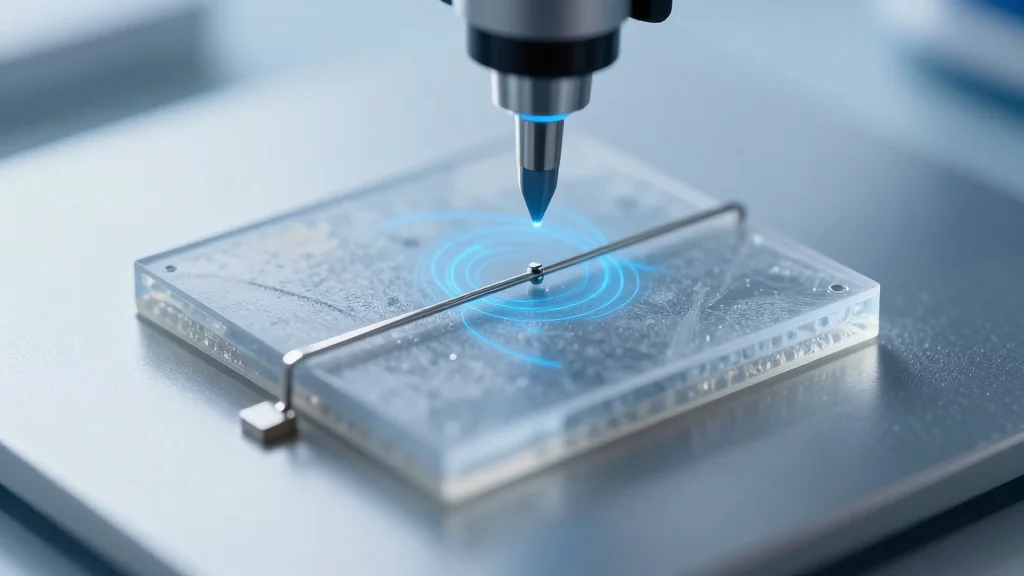
Programmable Superconducting Diode Can Flow on Command
Researchers at the University of Pittsburgh have created a programmable superconducting diode using the LaAlO₃/KTaO₃ (LAO/KTO) interface. By employing conductive atomic force microscope (c‑AFM) lithography, they can reposition the weak link to reverse diode polarity without altering the material. The...
Researchers Create a Three-Nanometer Single-Layer UiO-66 MOF Nanosheet
Researchers led by Patrick Shahgaldian and Jonathan De Roo have produced the first stable, single‑layer UiO‑66 metal‑organic framework nanosheet, only three nanometers thick. The team employed zirconium and hafnium oxo‑clusters dissolved in water or DMF, combined with amphiphilic linkers that self‑assemble...
Light-Activated Nanoparticles Trigger Copper Overload to Kill Cancer Cells
Researchers at Ruhr University Bochum have created polymeric nanoparticles that release a copper‑based complex when exposed to light, triggering cuproptosis—a copper‑induced form of cell death. The copper agent is reported to be about 100 times more potent than standard platinum...
Laser-Modified Graphene Enables Molecule-Thick Films to Grow only Where Needed
Researchers at the University of Jyväskylä and Aalto University have introduced a laser‑modified graphene technique that enables area‑selective atomic and molecular layer deposition. By functionalizing graphene with hydroxyl groups, they grew one‑molecule‑thick europium‑organic films exclusively on laser‑treated regions of a...
Polymer Uses Movable Molecular Rings to Overcome Durability–Degradability Trade-Off
Researchers at the University of Osaka have created a polymer network that uses movable cyclodextrin rings as reversible cross‑links, delivering high toughness while allowing degradation to be switched on or off with light. The design embeds enzyme‑sensitive segments whose exposure...
Magnetic Microbots Steer Quantum Sensors Inside Living Cells
Researchers at the Indian Institute of Science have paired a nanodiamond quantum sensor with a magnetically driven microbot, allowing precise three‑dimensional navigation inside living cells. The helical microbot spins under an external rotating magnetic field, converting rotation into forward motion...
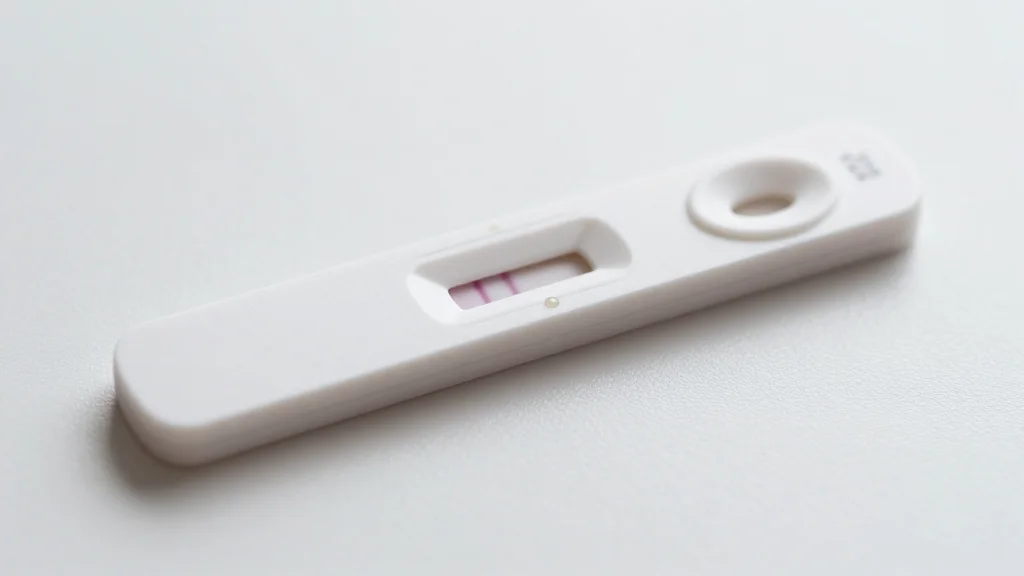
A Much More Sensitive Fentanyl Detection Strip, Thanks to Physics
University of California, San Diego researchers introduced a physics‑based model that quantifies the sensitivity limits of competitive lateral flow assays (cLFAs). By applying the model, they engineered fentanyl test strips that are roughly 100 times more sensitive than existing commercial...

Nanoparticles Enable Large-Scale Production of Advanced Cell Therapies
Researchers at Xi’an Jiaotong‑Liverpool University have created a nanoparticle‑based manufacturing platform that simultaneously enhances exosome production, drug loading, magnetic tagging, and storage stability. The system employs a novel nanomaterial that triggers mesenchymal stem cells to release higher‑quantity exosomes, which are...
Chaos as a Matter of Direction: Researchers Build Layered Material Where Order and Disorder Coexist
Researchers at the University of Twente have engineered a layered solid that is amorphous within each nanometer‑thin sheet yet stacks into a perfectly periodic crystal along the perpendicular axis. By combining atomic‑scale STEM mapping with directional X‑ray scattering, they observed...

Nanoplastics Become More Harmful After Being Outdoors, Study Finds
A Texas A&M study published in Chemical Research in Toxicology reveals that polystyrene nanoplastics become more toxic after outdoor exposure. Aging in air adds oxygen to particle surfaces and creates rougher, cracked shapes, which trigger stronger oxidative stress and inflammation...

Kimchi-Derived Probiotic Found to Promote Binding and Excretion of Intestinal Nanoplastics
Researchers at the World Institute of Kimchi identified a kimchi‑derived lactic acid bacterium, Leuconostoc mesenteroides CBA3656, that can bind nanoplastics in the intestine. In simulated gut conditions the strain retained a 57% adsorption rate, far outperforming a reference probiotic that...
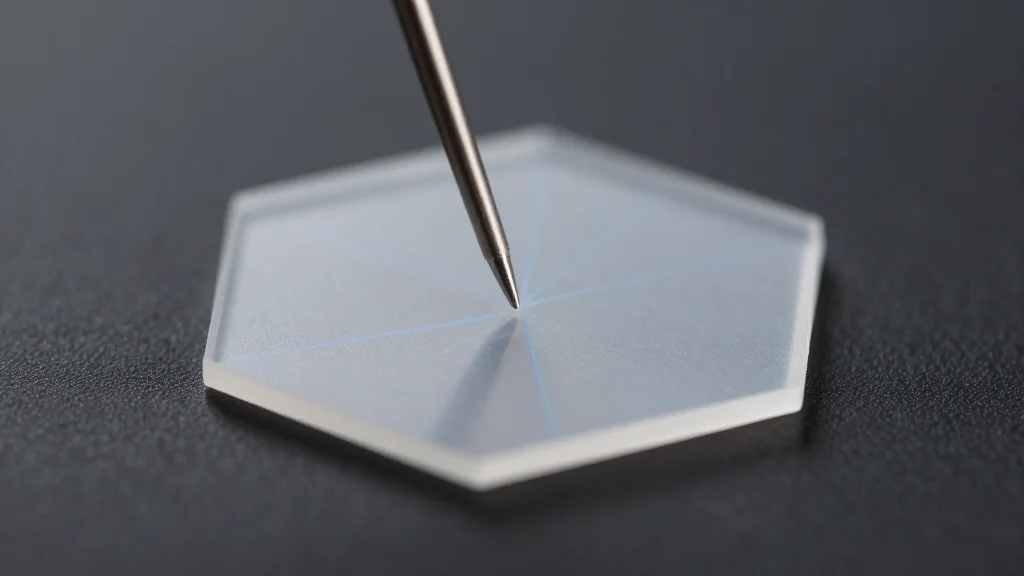
Designing Better 2D Electronics: Addressing Anisotropic Conductivity to Cut Contact Resistance
University of Michigan engineers have introduced an exact analytical model that accounts for anisotropic conductivity and realistic geometry in vertical contacts to 2D thin‑film materials. The framework replaces traditional isotropic approximations with a Laplace‑based field solution, eliminating the need for...

Impressionist Sea Slugs Create Their Patterns by Arranging Colorful Photonic Crystals
A joint Max Planck and Cambridge team has shown that nudibranch sea slugs generate their vivid hues through nanostructured guanine photonic crystals, not traditional pigments. The crystals act as microscopic pixels, each reflecting a specific wavelength, which together create matte, Impressionist‑style...
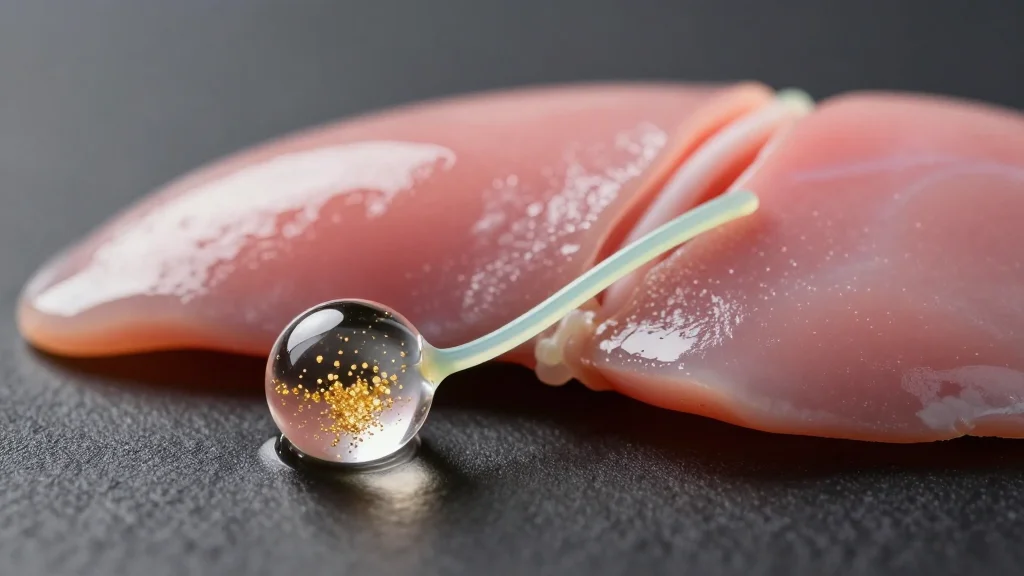
Researchers Uncover Gut-Liver Serotonin Pathway that Limits Nanoparticle and Viral Delivery
Scientists at the University of Science and Technology of China identified a gut‑liver serotonin signaling axis that governs the rapid clearance of nanomedicines and viral vectors. The pathway links intestinal commensal bacteria to hepatic Kupffer cells, where serotonin amplifies phagocytic...
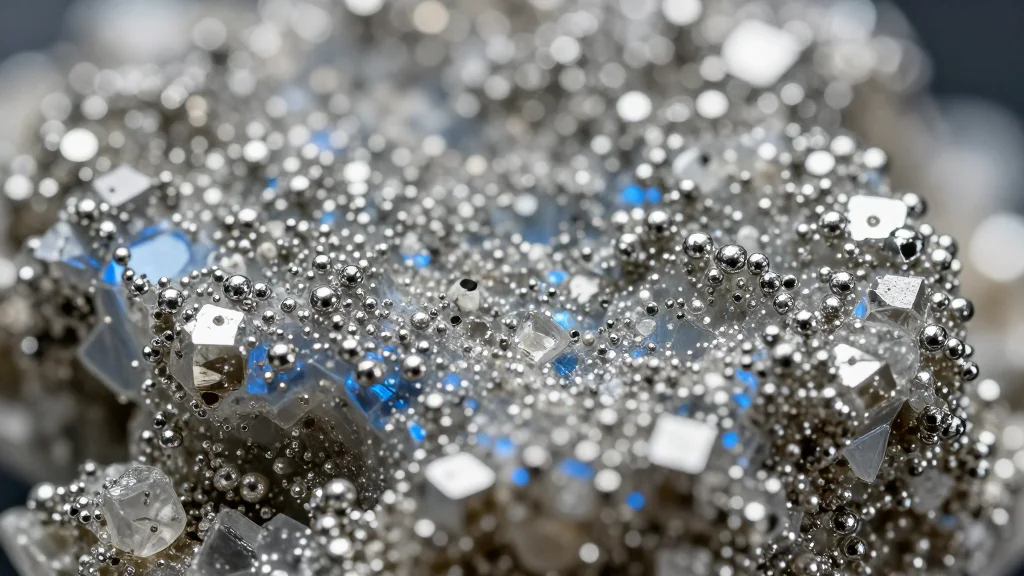
Clearing the Nanoscale Bottleneck Holding Back Next-Gen Electronics
UCLA researchers have introduced a contact‑induced charge‑transfer doping technique that uses silver‑oxide nanoclusters to dramatically thin the metal‑perovskite interface from roughly 250 nm to under 25 nm, enabling quantum‑mechanical tunneling of electrons. Published in Nature Materials, the method replaces traditional bulk doping,...

Engineered Nanoparticles Show Enhanced Intrinsic Luminescence for Biomedical Imaging and Cancer Treatment
Researchers at the University of São Paulo have engineered hydroxyapatite nanoparticles with enhanced intrinsic luminescence by incorporating carbonate groups, creating crystal defects that act as bright emission centers. After citrate functionalization, the particles remain stable in aqueous media and can be...
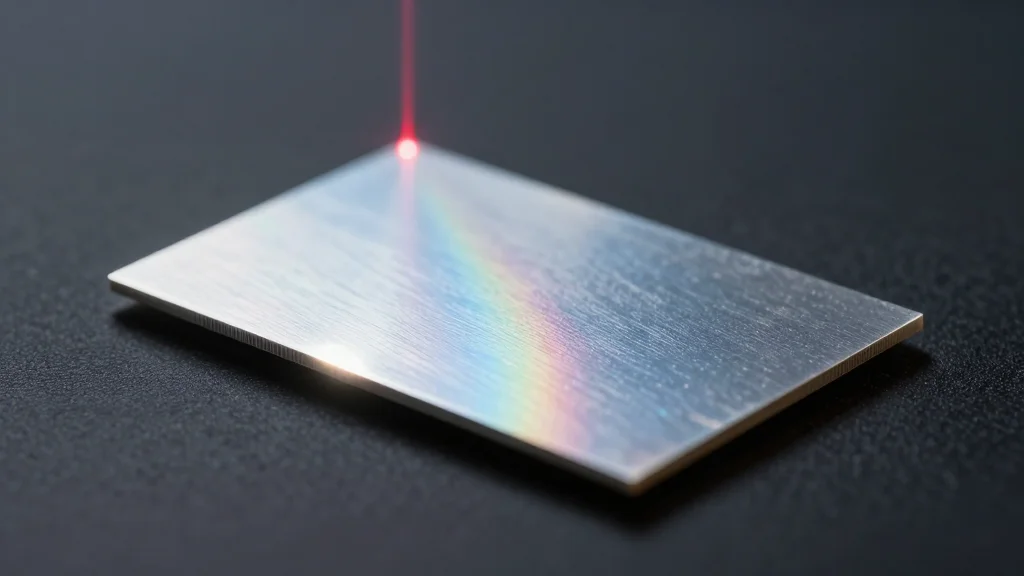
Ultra-Thin MoSe₂ Grating Traps Infrared Light in a 40-Nanometer Layer
Polish researchers have created a sub‑wavelength grating from molybdenum diselenide (MoSe₂) that confines infrared light within a 40‑nanometer‑thick layer. The high refractive index of MoSe₂ (≈4.5×) allows the grating to act as a perfect mirror despite its extreme thinness, a...
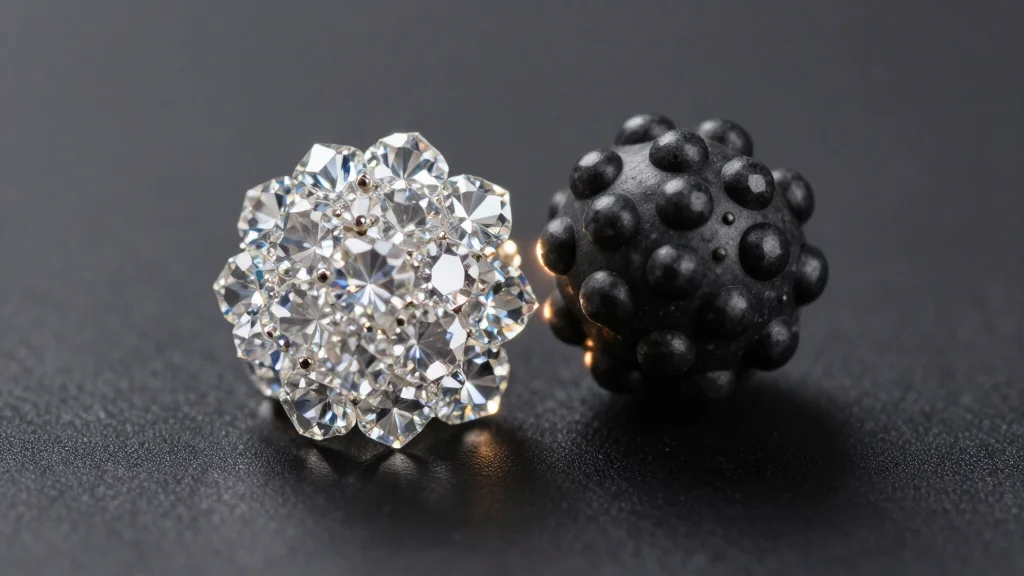
Nanodiamonds and Beyond: Designing Carbon Materials with AI at Exascale
Researchers at Argonne National Laboratory used exascale supercomputers Aurora and Frontier, together with AI, to simulate carbon atoms under extreme heat and pressure. The simulations revealed how cooling rates dictate whether nanodiamonds stay diamond or transform into onion‑like shells or...
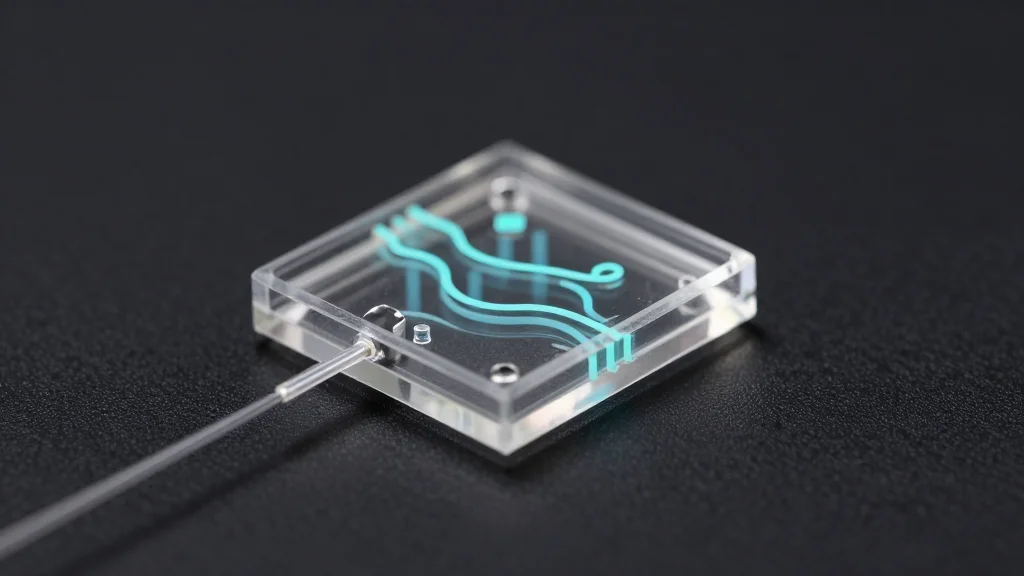
Liquid Biopsy Method Uses Nanoparticle Raman Signals to Separate Two Lookalike Enzymes
RIKEN researchers have unveiled a microchip that uses silver‑nanoparticle‑enhanced Raman spectroscopy to detect ultra‑low concentrations of biomarkers in liquid biopsies. The platform delivers reproducible, quantitative Raman signals that can separate two nearly identical enzymes—acetylcholinesterase and butyrylcholinesterase—something fluorescence methods struggle with....
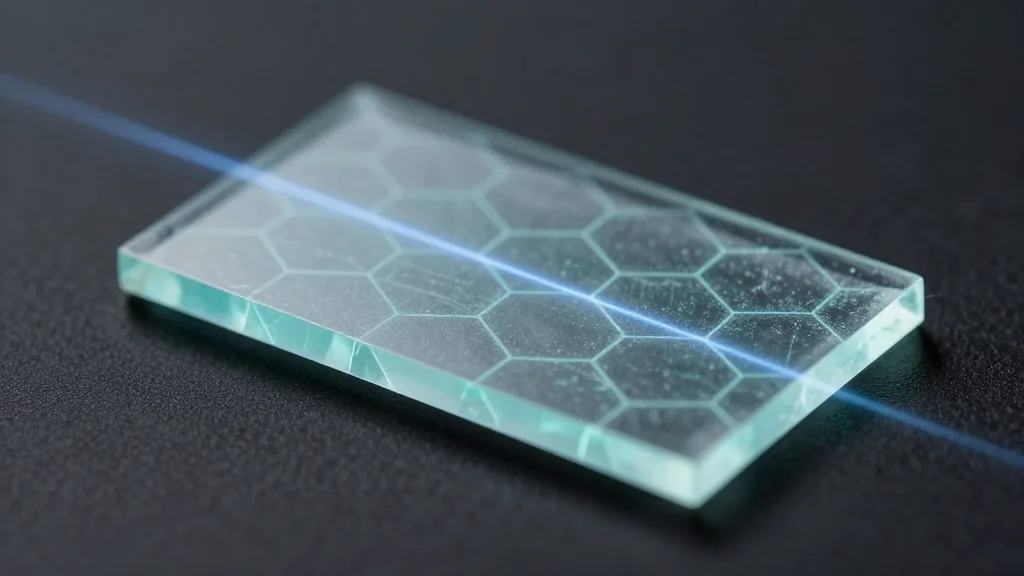
Scientists Create a New State of Matter at Room Temperature Using Light and Nanostructures
Researchers at Rensselaer Polytechnic Institute have demonstrated a room‑temperature supersolid by coupling light to a perovskite nanograting, creating hybrid polariton particles that exhibit both solid‑like order and frictionless flow. The device forms spontaneous striped patterns when illuminated above a critical...
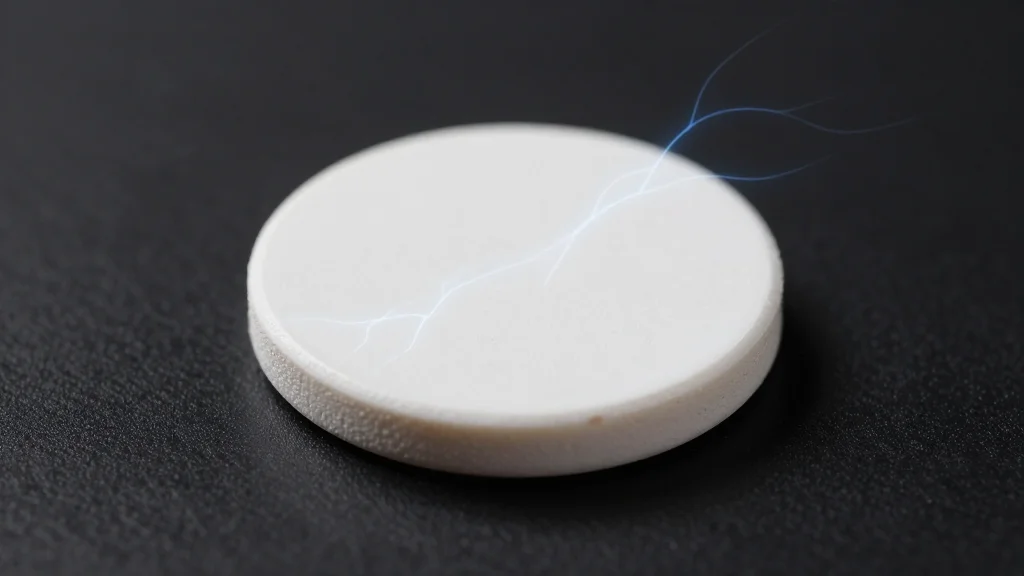
Ultrathin BiFeO₃ Breaks the 30 Nm Limit, Delivering Fourfold Stronger Piezoelectricity
Researchers at the Chinese Academy of Sciences have engineered ultrathin bismuth ferrite (BiFeO₃) films that break the longstanding 30 nm thickness barrier, delivering a piezoelectric coefficient of about 30 pm/V—four times higher than conventional BiFeO₃. The breakthrough relies on stabilizing a metastable...
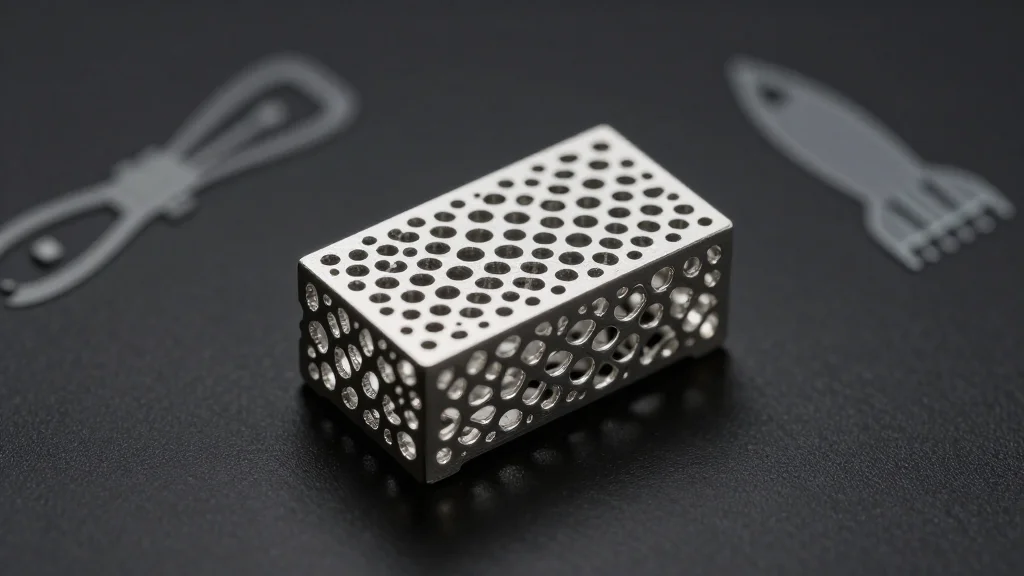
Nano 3D Metallic Parts Turn Out to Be Surprisingly Strong Despite Defects
Caltech researchers have developed a two‑photon lithography process that fabricates nano‑scale metallic lattices with up to 90 % shrinkage, yielding components smaller than 50 µm. Despite containing pores, grain boundaries and other defects, the resulting structures demonstrate strengths up to 50 times...

Carbon Nanotube 'Black Paint' Absorbs Terahertz Radiation to Cut 6G Interference
Researchers at Skoltech and KTH have developed an ultrathin carbon‑nanotube black paint that absorbs terahertz radiation, addressing interference in emerging 6G photonic circuits. The coating, applied via aerosol chemical vapor deposition, can be tuned from 2 to 53 nm, with the...
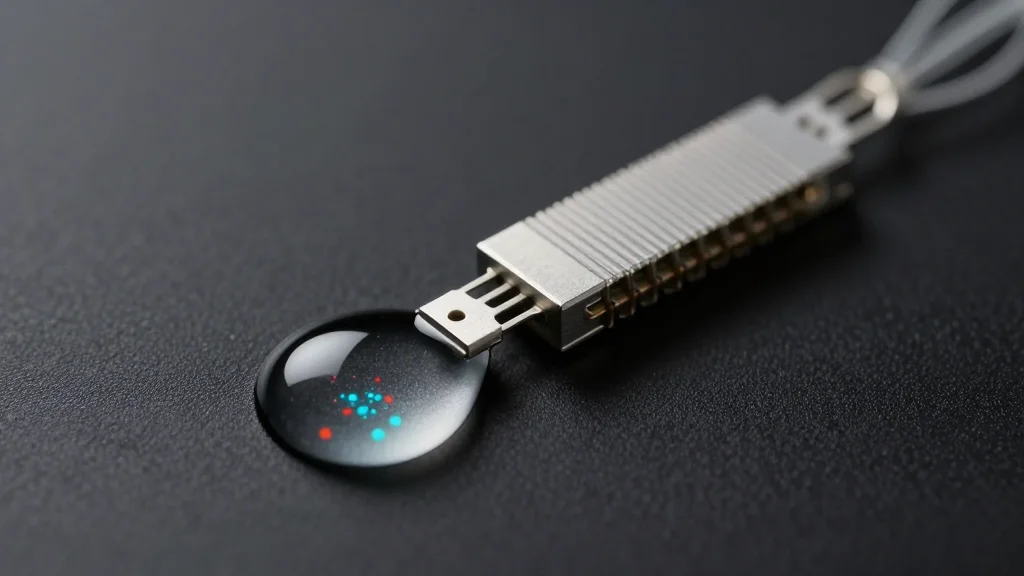
Graphene Sensors Stay Stable in Liquids, Boosting Sensitivity up to 20 Times
Researchers at Penn State have unveiled a dual‑gate graphene field‑effect transistor that remains stable in liquid environments, eliminating the signal drift that hampers conventional sensors. By pairing a high‑capacitance top gate with a low‑capacitance bottom gate and adding a feedback...
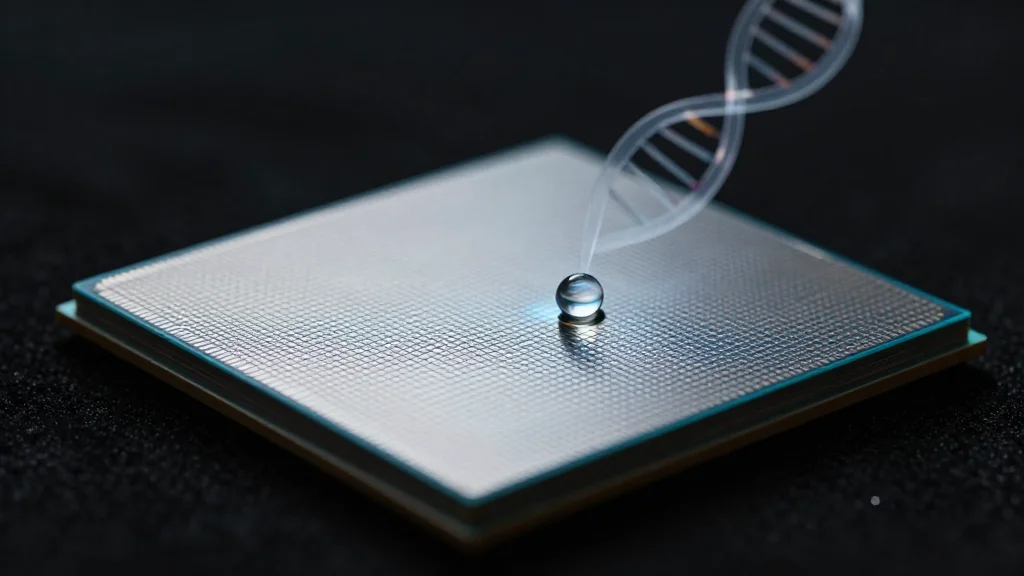
Photonics and Nanotech Could Spot Cancer Signals 5 to 8 Years Earlier
Researchers at the University of Illinois Urbana‑Champaign have engineered a photonic‑nanomaterial platform that senses microRNA and DNA signatures linked to cancer up to five to eight years before conventional diagnostics can. The system leverages photonic crystal grating resonance and nano‑assemblies...