
Ultrasound-Based Approach to Delivering Potent Drugs Into Cancer Cells Shows Promise in Benchtop Experiments
Duke engineers introduced SonoPIN, an ultrasound‑driven platform that bursts cancer‑targeted microbubbles to create temporary pores in cell membranes. The technique allowed large PROTAC drugs to enter tumor cells, killing 50% of them while sparing 99% of healthy cells in benchtop tests. By attaching nucleic‑acid strands to the bubbles, researchers achieved selective binding to cancer‑specific receptors. The findings, published in PNAS, suggest a scalable mechanical delivery method for otherwise impermeable therapeutics.
Allowing Atoms to Come and Go Can Open the Door to Better Materials Modeling
Lawrence Livermore National Laboratory researchers unveiled a novel simulation method that lets atoms be added or removed gradually, mimicking real‑world defect dynamics. Published in Physical Review Letters, the technique accurately models point defects and grain‑boundary structures at finite temperatures. By...
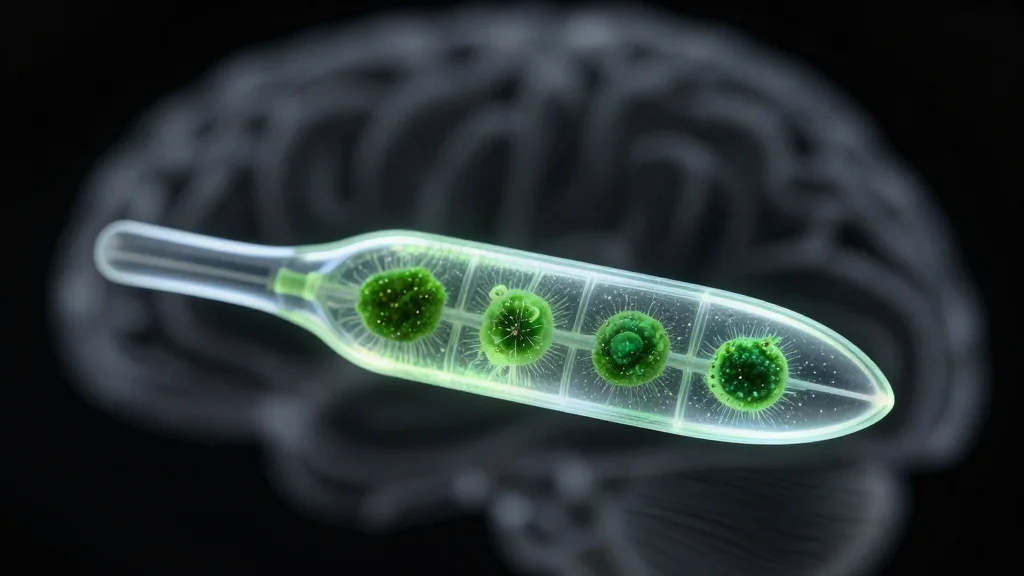
Diatom-Based Microrobots Show Promise for Targeted Photodynamic Therapy of Glioblastoma
Researchers at China’s Shenyang Institute of Automation have created magnetically controlled microrobots from diatom frustules for glioblastoma photodynamic therapy. The robots retain natural chlorophyll, serving as a built‑in photosensitizer, and can be steered via external magnetic fields to tumor sites....

DNA Origami Vaccine Rivals mRNA Shots While Being Easier to Store and Manufacture
Researchers at Harvard’s Wyss Institute and Dana‑Farber unveiled DoriVac, a DNA origami‑based vaccine platform that delivers antigens and adjuvants on a self‑folding nanostructure. In pre‑clinical mouse studies and a human lymph‑node‑on‑a‑chip model, DoriVac generated antibody and T‑cell responses comparable to...
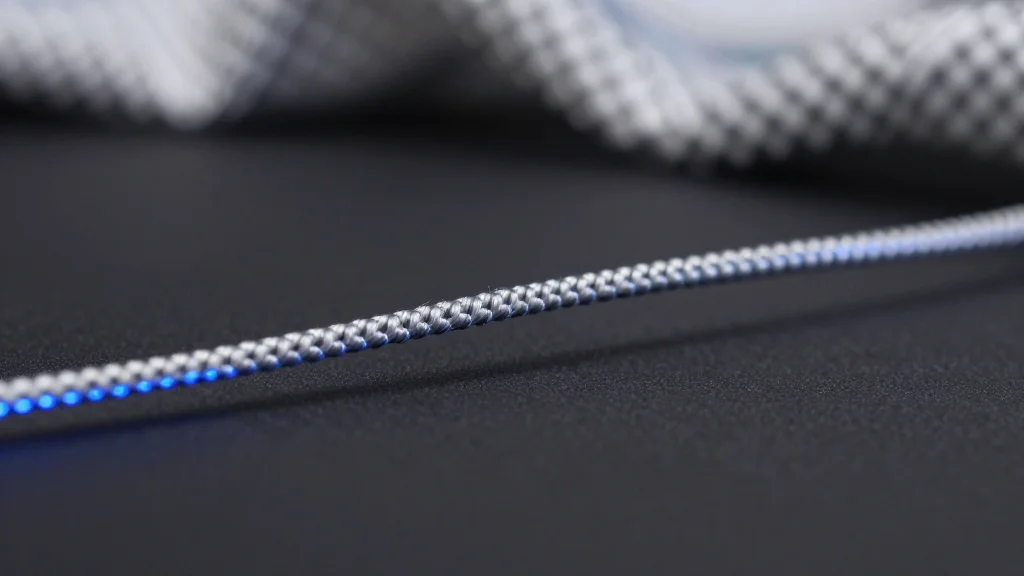
Heavy Water Expands Energy Potential of Carbon Nanotube Yarns
Researchers at the University of Texas at Dallas introduced a heavy‑water‑based electrolyte that dramatically improves the energy‑harvesting performance of twistron carbon‑nanotube yarns. The new system delivers up to 2.5 times higher peak power and 1.8 times more energy per stretch cycle, achieving...
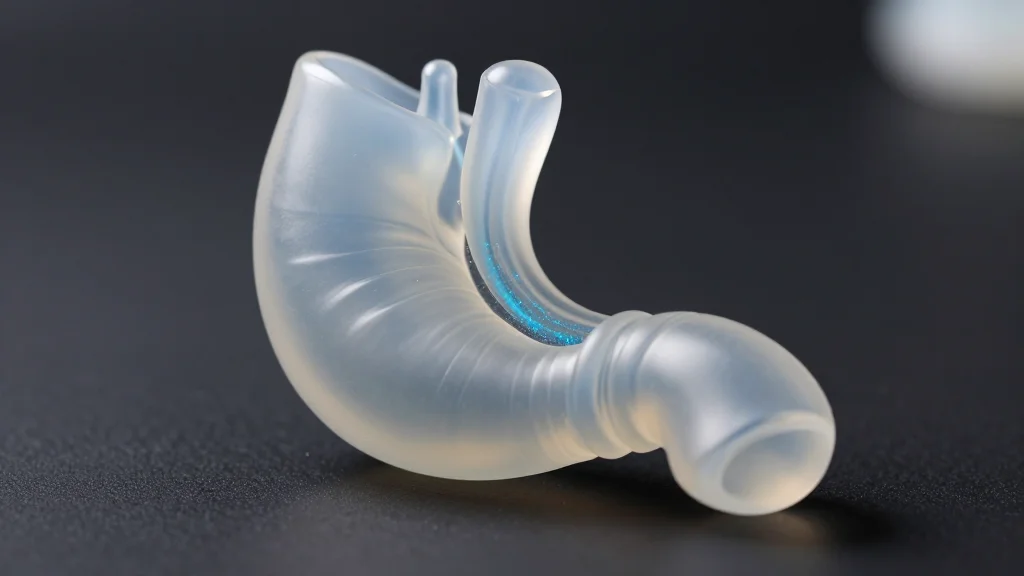
Trouble Swallowing? A Nanogel Tweak May Keep Therapeutic Stem Cells Alive Longer
Researchers at Kyoto University and McGill University created hybrid stem‑cell spheroids incorporating biodegradable nanogel microfibers. The nanogel‑enhanced spheroids improved oxygen diffusion, increasing cell viability more than fivefold and boosting secretion of regenerative factors. In a rat model of swallowing‑muscle injury,...

Simple 'Cocktail' Of Amino Acids Dramatically Boosts Power of mRNA Therapies and CRISPR Gene Editing
Researchers at Biohub identified a three‑amino‑acid cocktail—methionine, arginine and serine—that dramatically improves lipid nanoparticle (LNP) delivery of therapeutic mRNA and CRISPR components. Co‑administering the supplement boosted protein expression up to 20‑fold and raised gene‑editing rates from roughly 25% to nearly...
Biodegradable Nanoparticles Can Seek and Destroy Diseased Immune Cells
Johns Hopkins researchers have engineered a streamlined biodegradable polymeric nanoparticle that delivers mRNA to T cells, prompting them to generate CD19‑CAR receptors that target disease‑causing B cells. In mice, a single intravenous dose eliminated 95% of circulating B cells within...

DNA Barcoding Reveals Which Gene-Therapy Nanoparticles Reach Targets in Vivo
Researchers at Oregon State University have developed a DNA‑based barcoding assay that measures, in living mice, which lipid nanoparticles successfully deliver gene‑editing cargo to target cellular compartments. The technique identified that many particles are degraded in lysosomes, while a newly...
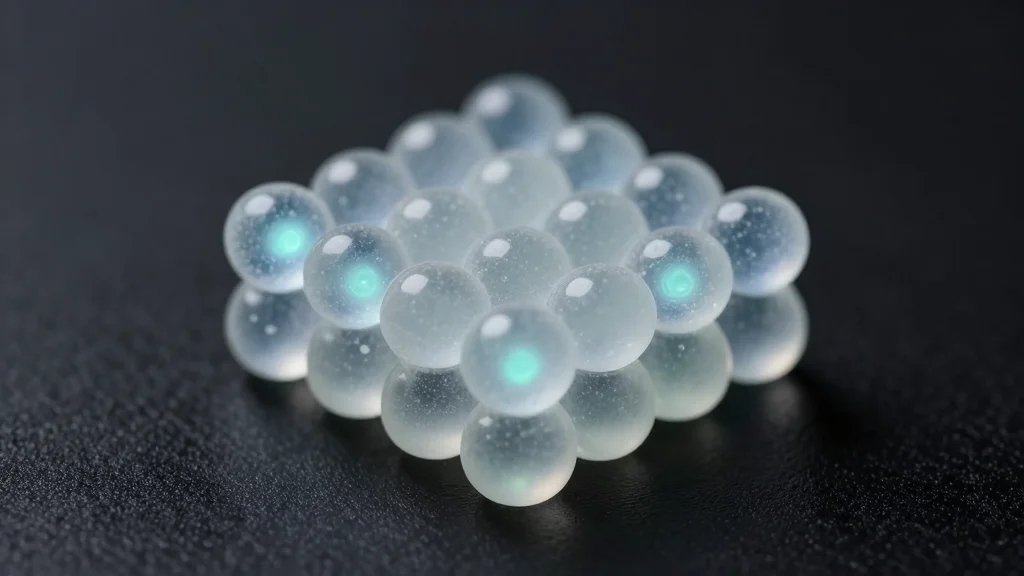
3D Imaging Reveals Messy-Looking Supraparticles Can Be Nearly Perfect Crystals Inside
Researchers at Utrecht University have, for the first time, mapped the three‑dimensional structure of photonic supraparticles using super‑resolution confocal and STED microscopy combined with machine‑learning analysis. The study shows that particles appearing disordered on the surface often form nearly perfect...

Researchers Track Mineral Growth on Bioorganic Coatings in Real Time at Nanoscale
Researchers at Jeonbuk National University used a quartz crystal microbalance to compare calcium‑phosphate mineralization on titanium dioxide nanoparticles coated with polydopamine (PDA) versus zein. Real‑time measurements showed PDA‑coated particles accumulated 7,780 ng of mineral, roughly 37% more than the 5,641 ng recorded...
Why Nanotechnology Breakthroughs Often Stagnate Before Reaching the Market
New research of 250 European nanotech firms shows that organizational flaws, not scientific limits, stall market adoption. Rigid hierarchies, poor knowledge absorption, and overly complex partnership networks create a "valley of death" between patents and products. The study, co‑authored by...
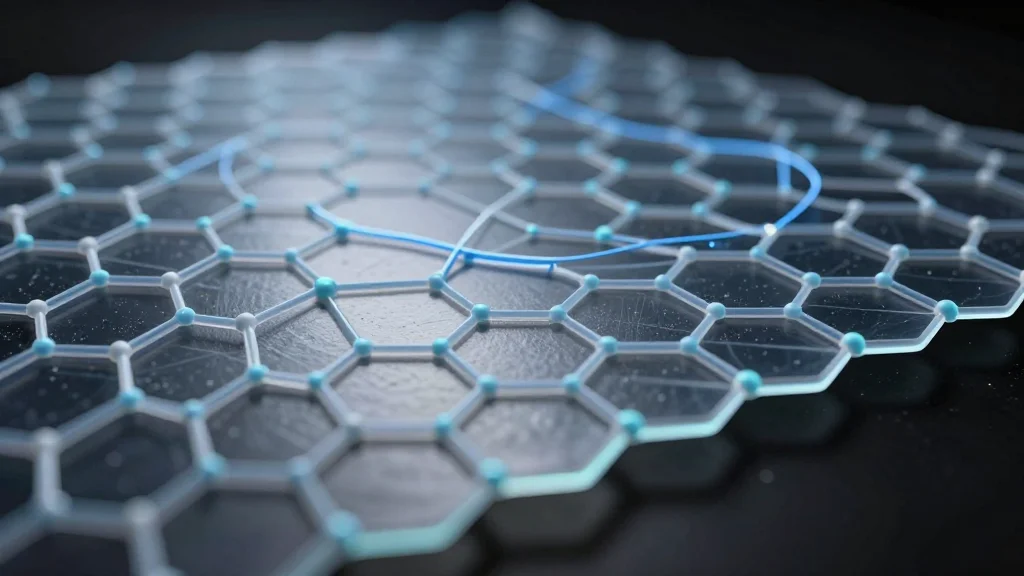
Engineered Magnetic Films Follow Graphene's Equations for Massless Electron Waves
Researchers at the University of Illinois Urbana‑Champaign have engineered a two‑dimensional magnetic film whose spin‑wave dynamics obey the same Dirac‑like equations that govern massless electrons in graphene. By patterning a thin magnetic layer with a hexagonal lattice of holes, they...
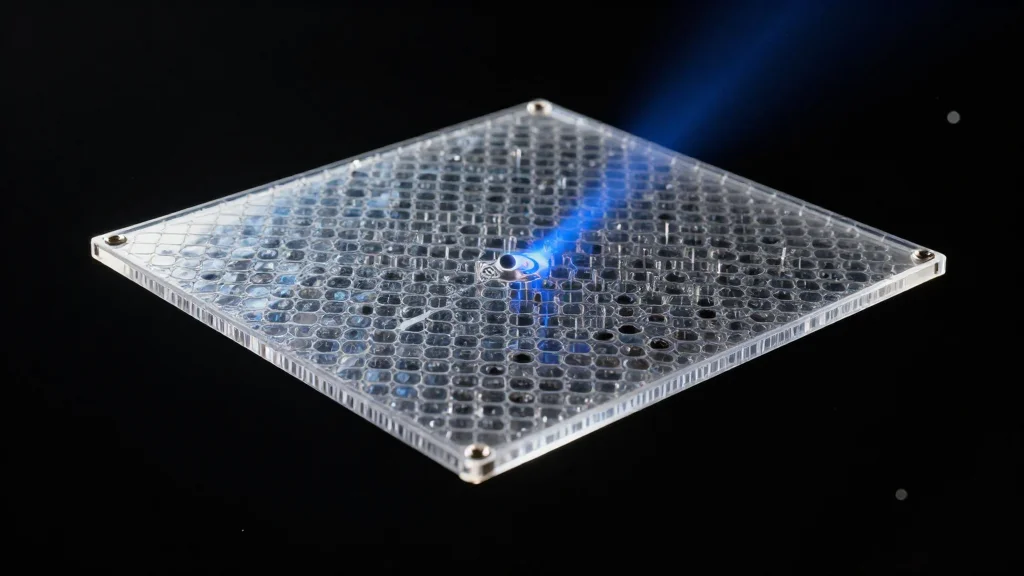
Toward Practical Laser-Driven Light Sails Using Photonic Crystals
Researchers have created a photonic‑crystal light sail (PCLS) that uses a three‑dielectric nanostructure of germanium pillars, air holes, and polymer matrix to achieve high reflectivity at a propulsion‑specific wavelength. Simulations and electron‑beam fabricated prototypes demonstrate about 90 % reflectivity at 1.2 µm...
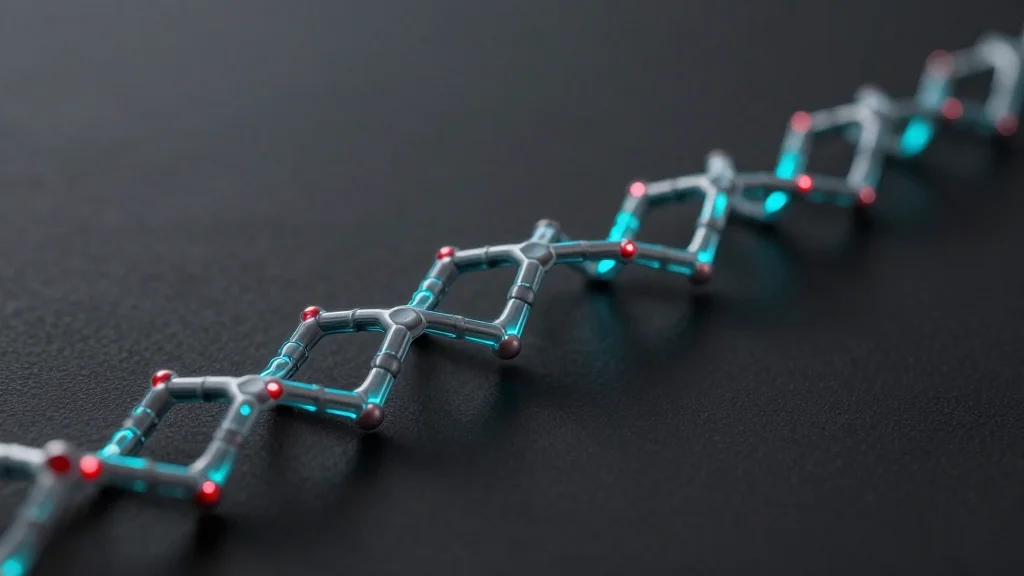
Chemically Tuning Nanographene Into Topological Spin Chains and Why the Ends Matter
Researchers have chemically engineered a nanographene monomer that can be polymerized into a one‑dimensional magnetic chain on a surface. By adjusting the number of unpaired electrons per monomer, the same molecular scaffold can realize two distinct topological spin‑chain phases: a...

Tracing Extracellular Vesicles' Journey From Cancer Cells to Urine
Researchers at the Institute of Science Tokyo directly traced small extracellular vesicles (sEVs) from tumors to urine in mouse models of brain, lung and pancreatic cancer. Using engineered RNA tracers and luminescent‑fluorescent reporters, they showed tumor‑derived sEVs appear in urine...

Antibacterial Coatings with Short-Term Effect May Fail over Longer Periods of Time
University of Tartu researchers demonstrated that titanium‑dioxide (TiO₂) antibacterial coatings lose effectiveness after prolonged UV‑A exposure because the photocatalytic reaction degrades the acrylic binder, releasing nanoparticles and diminishing reactive oxygen species. In contrast, zinc‑oxide (ZnO) particles preserve the coating matrix...

Using Individual Atoms to Achieve Fossil-Free Chemistry
ETH Zurich researchers have unveiled a single‑atom indium catalyst anchored on hafnium‑oxide that dramatically improves CO₂‑based methanol synthesis. The catalyst uses isolated indium atoms instead of nanoparticles, achieving higher turnover while consuming far less precious metal. Stability tests show it...

'Nano-Origami' Reshapes Liquid Droplets Into Six-Pointed Stars
Researchers in France and Israel have demonstrated that an emulsified oil‑in‑water droplet can morph from a hexagonal facet into a six‑pointed star when heated. The transformation is driven by a nanometer‑thin crystalline surfactant shell that folds like origami, creating a...
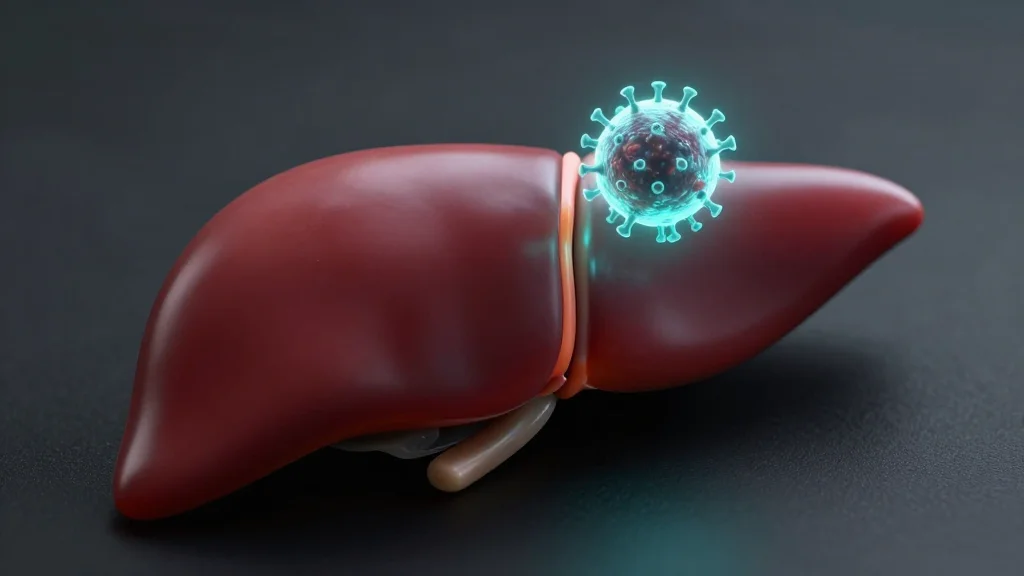
Nanoparticle Vaccine Approach Takes on a New Target: Hepatitis C Virus
Scientists at Scripps Research have engineered a native‑like, stabilized version of the hepatitis C virus E1E2 glycoprotein complex and displayed it on self‑assembling protein nanoparticles (SApNPs). The nanoparticle vaccine candidate elicited strong, virus‑specific antibody responses in animal models. This breakthrough overcomes...
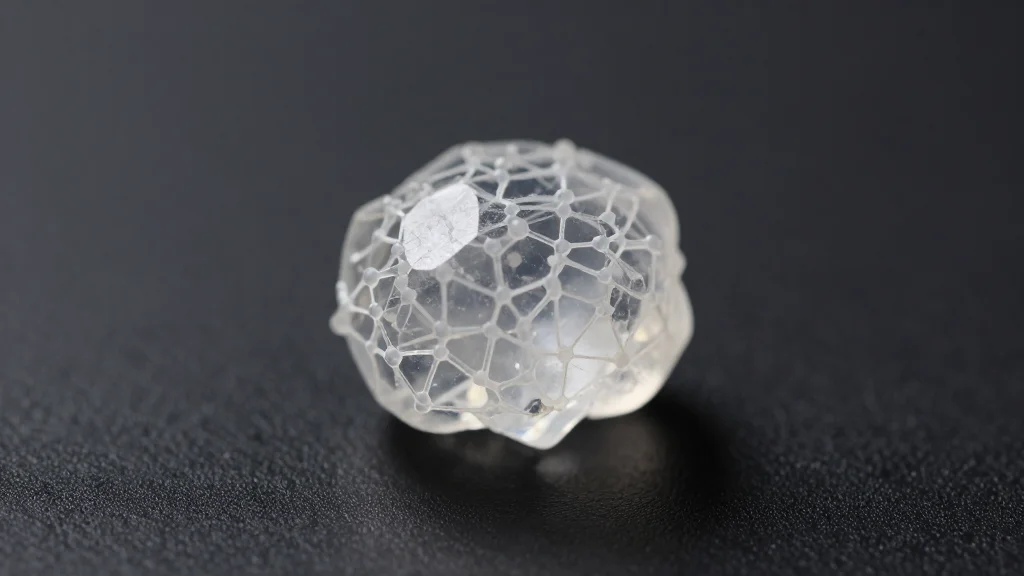
New 4D-STEM Method Isolates Atomic Structures From Clustered Nanocrystals
Scientists at Lawrence Berkeley National Laboratory have introduced a 4D‑STEM workflow that isolates individual nanocrystals from dense clusters using computational "virtual apertures." The approach couples a nanometer‑scale electron probe with a custom 4D Camera that records diffraction patterns at 87,000...
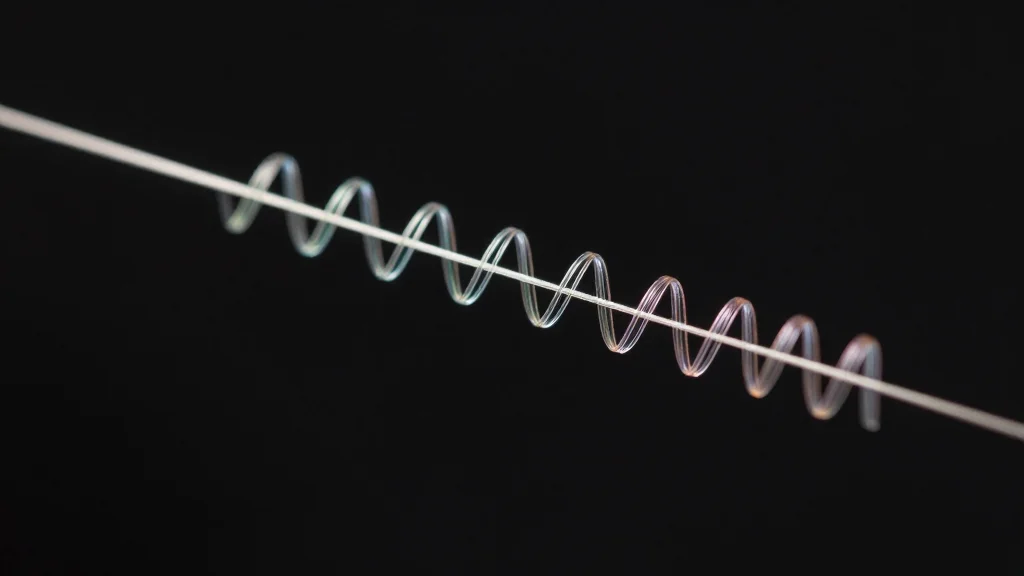
Poking a Nanostring: Scientists Uncover Energy Cascades in Tiny Resonators
Scientists at TU Delft have engineered a nanostring that channels vibrational energy from its fundamental mode into higher-order modes, creating an internal cascade that reaches the fifth mode. The effect relies on a soft‑clamping design that lets the string flex...

Intermediate Phases Unlock Faster Nanoparticle Crystallization
Cornell researchers demonstrate that mesophases—intermediate liquid‑crystalline states—serve as stepping stones that dramatically accelerate nanoparticle crystallization. Advanced simulations show these phases lower the free‑energy barrier, enabling crystallization rates up to orders of magnitude faster while reducing defect formation. The study provides...
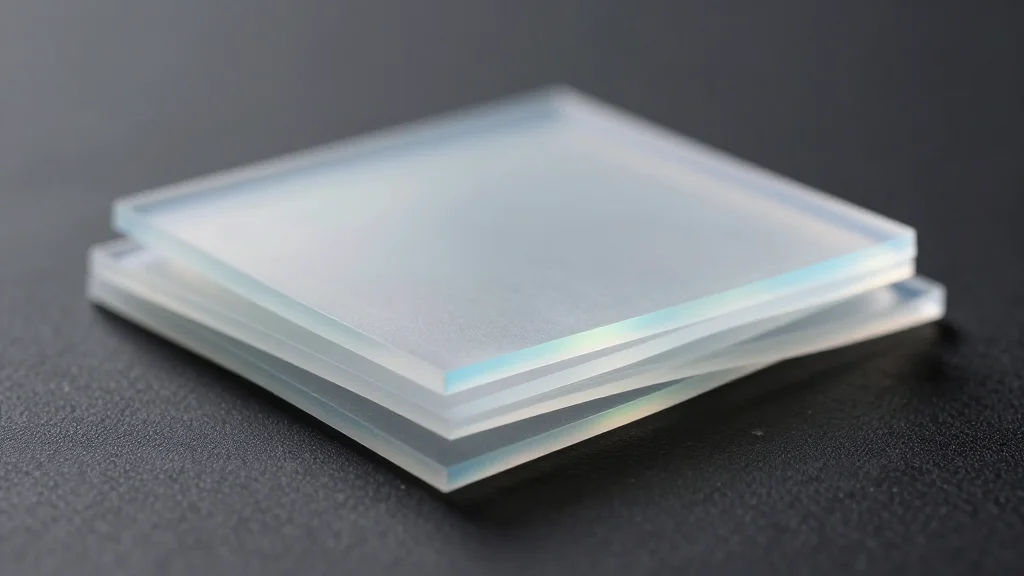
From Hyperbolic In-Plane Anisotropy to an Optical Chirality: A New Route to Nanoscale Circular Polarizers
Researchers exploited the extreme in‑plane hyperbolic anisotropy of the van der Waals crystal MoOCl₂ to engineer an ultrathin handedness‑preserved circular polarizer. By twisting a bilayer at a 62° angle and fine‑tuning layer thicknesses (48 nm and 58 nm), they broke mirror symmetry and generated...
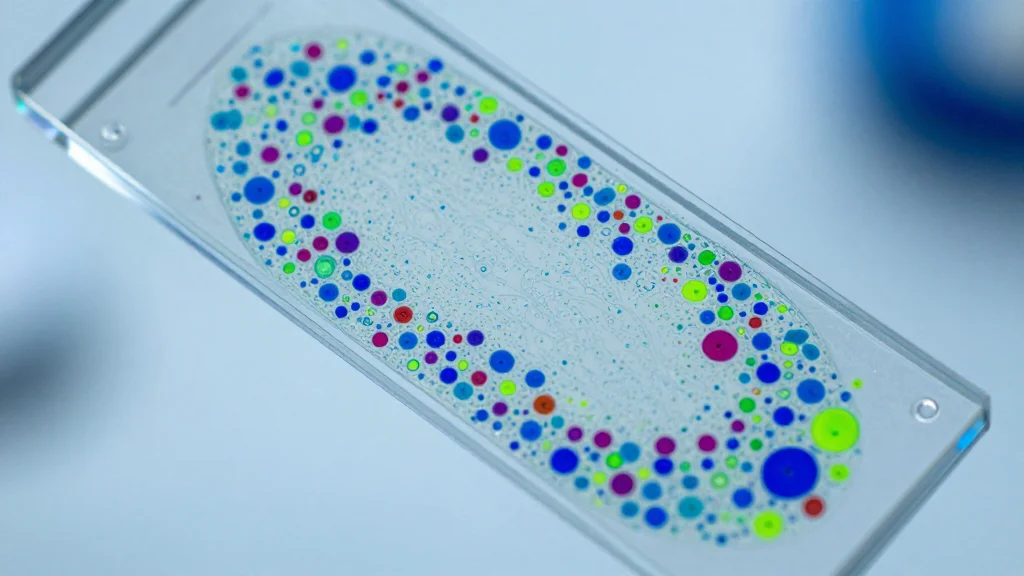
Tiny Flows, Big Insights: Microfluidics System Boosts Super-Resolution Microscopy
An international team led by the University of Göttingen has created a microfluidics platform that streamlines multiplexed super‑resolution microscopy. The system automates precise fluid exchange, replacing manual pipetting, which enhances image quality and reproducibility across long imaging cycles. It was...

Physicists Discover Long-Predicted 'Clock Magnetism' In an Atomically Thin Crystal
Physicists at the University of Texas at Austin have experimentally realized the two‑dimensional six‑state clock model in an atomically thin crystal of nickel phosphorus trisulfide (NiPS₃). By cooling the material to between –150 °C and –130 °C, they observed a Berezinskii–Kosterlitz–Thouless (BKT)...
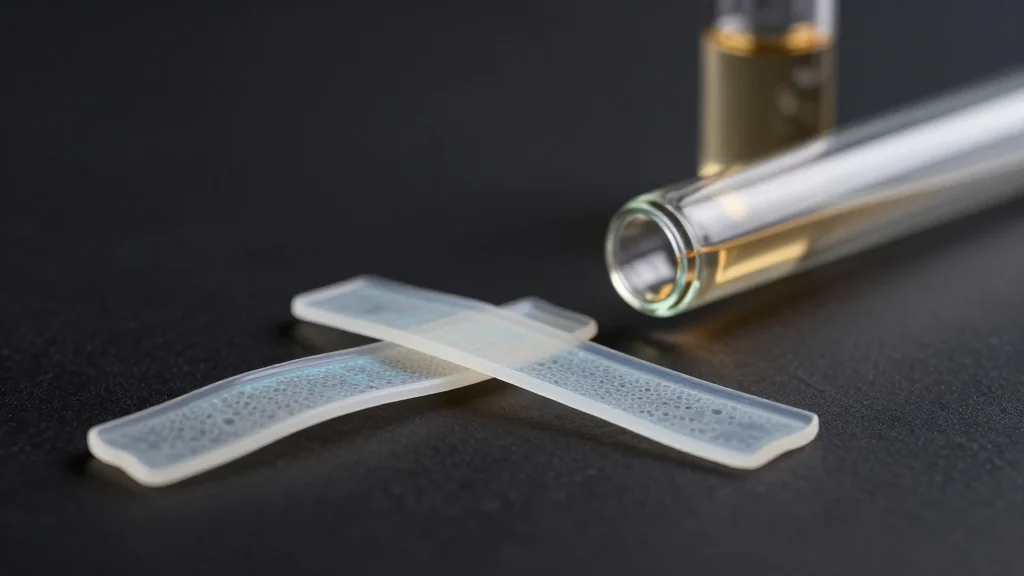
New 2D Membrane Reactor Improves Photocatalytic Synthesis
Chinese researchers have created a two‑dimensional titanium‑oxide membrane reactor that enables photocatalytic imine synthesis with unprecedented speed and selectivity. The flexible membrane, assembled via vacuum‑assisted layering, delivers 99.2 % conversion and 99.3 % selectivity in under seven seconds at room temperature, far...

Ultrasound-Activated 'Nanoagents' Kill Superbugs Hiding in Biofilms
Scientists at the University of Birmingham and Nottingham Trent University have created silica‑based nanoagents that encapsulate the hydrophobic antibiotic rifampicin and release it only when exposed to low‑frequency ultrasound. The ultrasound‑triggered particles penetrate deep into Staphylococcus aureus biofilms, achieving a...

Water Interactions Reveal How Surface Coatings Reshape Nanoparticle Drug Delivery
Arizona State University researchers quantified how water interacts with biomolecule‑coated magnetite nanoparticles, revealing that surface coatings dramatically reshape hydration energetics, immune recognition, and drug‑delivery performance. Using a calorimetry‑gas adsorption system, they measured water adsorption on particles coated with bovine serum...

Nanoparticles and AI Can Help Researchers Detect Pollutants in Water, Soil and Blood
Researchers have merged infrared‑enhancing nanoparticles with machine‑learning spectroscopy to spot trace pollutants in water, soil and blood. The nanomaterial amplifies the light absorbed by contaminant molecules, allowing a handheld spectrophotometer to capture distinct spectral signatures. Custom AI algorithms then deconvolute...
Drug Discovery Bottleneck? Cell-Free Platform Screens Peptides Faster, Even in Harsh Conditions
Researchers at the Innovation Center of NanoMedicine unveiled PL‑display, a cell‑free platform that immobilizes individual peptides on magnetic beads for rapid screening. The method delivers over ten‑fold efficiency gains versus traditional cell‑based displays and can operate under high‑temperature, high‑salt, or...
Most Lab Testing Quietly Inflates 2D Transistor Performance, Research Reveals
Researchers at Duke University have shown that the common back‑gated test structure used for 2D transistors artificially inflates performance because the gate also modulates the contacts—a phenomenon called contact gating. By fabricating a symmetric dual‑gate device that isolates this effect,...
Size-Shifting Nanoparticles Successfully Deliver mRNA Medicine to the Pancreas
Researchers have engineered size‑shifting lipid nanoparticles that grow from ~100 nm to >300 nm after intraperitoneal injection, exploiting a capsule‑filter mechanism that blocks entry into the liver and spleen while allowing passage to the pancreas. The enlarged particles deliver mRNA payloads—including CRISPR‑Cas9...

Nanochannel Method Makes Ion Membranes Twice as Strong for Clean Energy
University of Queensland researchers have introduced a nanoconfinement polymerisation technique that creates ultra‑thin ion‑exchange membranes with roughly double the tensile strength of conventional films. The method forces polymer chains to align within nanoscale channels, yielding dense, flexible membranes that can...
A New, Useful Absorption Limit for Ultra-Thin Films
Researchers in China have demonstrated that ultrathin conductive films can absorb up to 82.8% of incident light when the beam arrives at grazing angles, far exceeding the long‑standing 50% ceiling. The team derived the result analytically from Maxwell’s equations and...
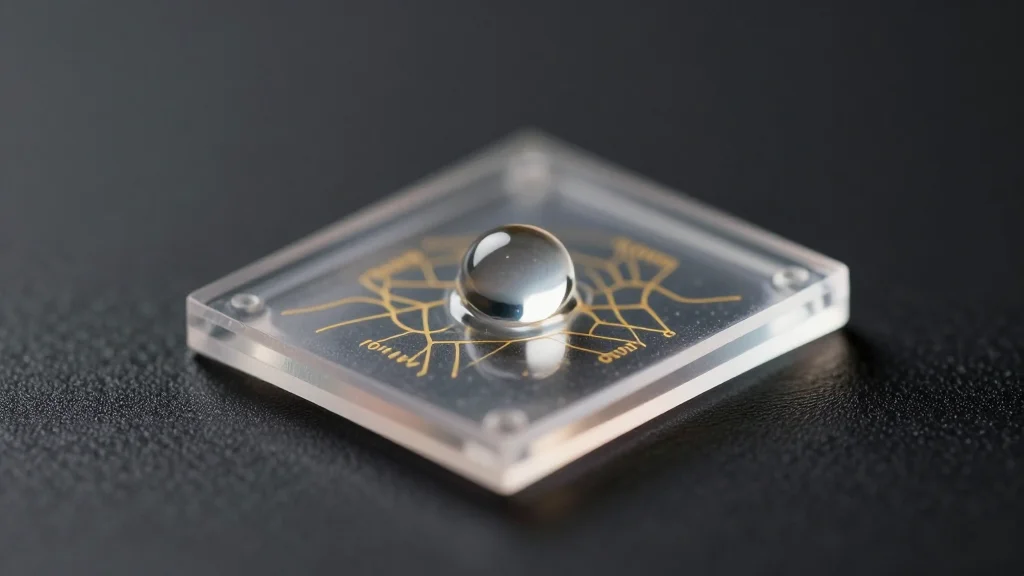
Reusable MoS₂ RF Biosensor Enables Cost-Effective Liquid Biopsies for Early Cancer Detection
Researchers at UNIST, KAIST and Yonsei have developed a reusable molybdenum disulfide (MoS₂) radio‑frequency biosensor for liquid‑biopsy cancer detection. The sensor detects single‑stranded DNA fragments as low as 154.67 nM by monitoring shifts in resonant frequency, and can be washed and...
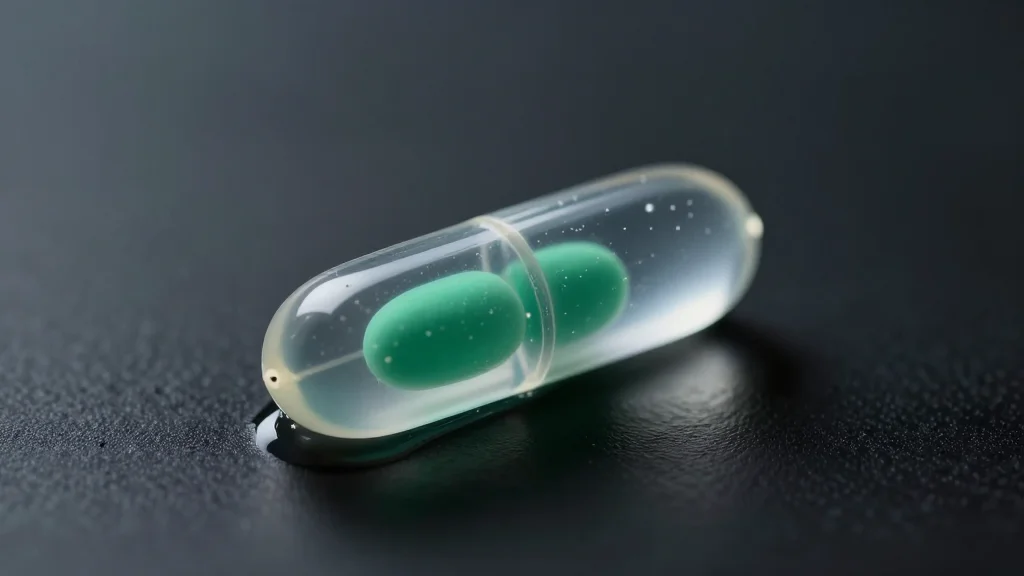
Iron Nanoparticle Eliminates Tuberculosis in Mice and May Pave the Way for New Treatments
Brazilian researchers have shown that an iron‑based compound, ferroin, encapsulated in lipid nanoparticles, completely eradicated Mycobacterium tuberculosis from mouse lungs after a 30‑day course. The formulation, LNP@FEP, stabilizes the drug, enhances the activity of existing antibiotics, and targets bacterial cell‑wall synthesis....
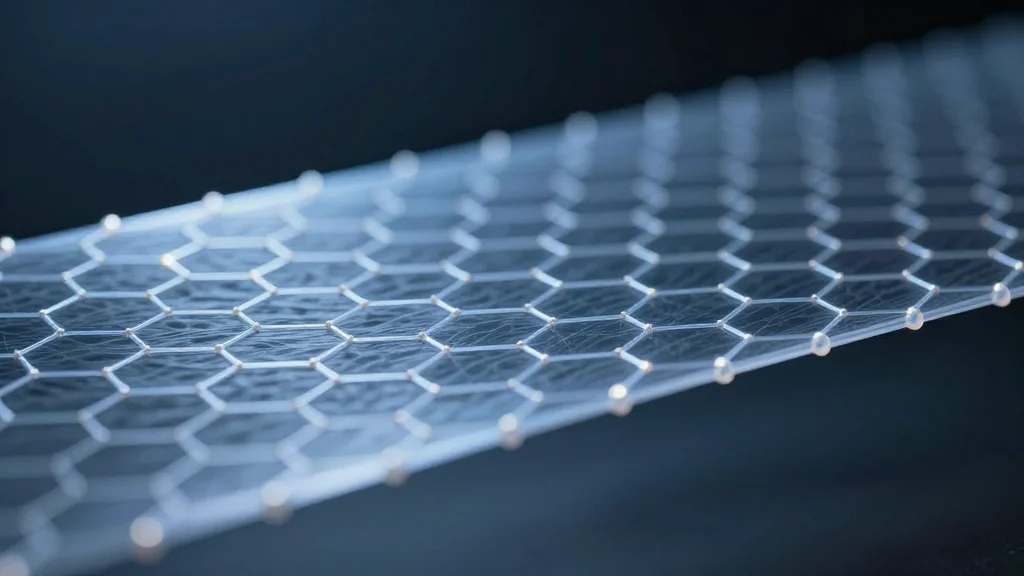
2D Memristors Could Help Solve AI's Energy Problem
A new review in Nanoenergy Advances highlights how atomically thin, graphene‑like memristors can store information directly in their molecular lattice, offering fast, dense, and energy‑efficient switching. The paper details how graphene oxide, diamane, and layered chalcogenides achieve controllable resistance changes...
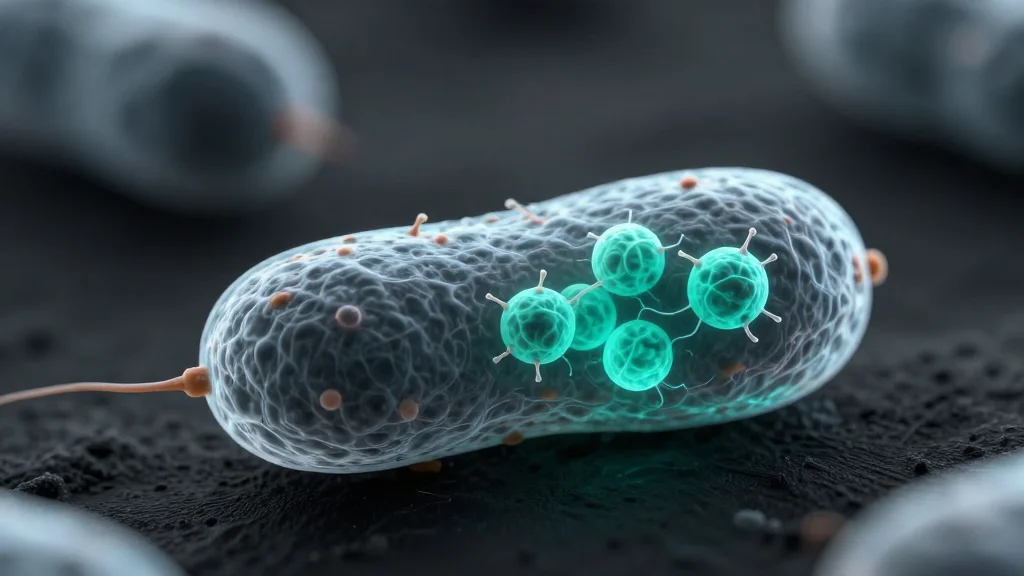
Synthetic RNA 'Nanostars' Create Programmable Compartments in Bacteria
Researchers at Cambridge’s Department of Chemical Engineering and Biotechnology engineered four‑armed RNA nanostars that self‑assemble into membraneless organelles inside Escherichia coli. The condensates form and dissolve reversibly with temperature shifts and can concentrate fluorescent proteins when an arm carries a...

AI-Powered Platform Accelerates Discovery of New mRNA Delivery Materials
University of Toronto researchers unveiled LUMI‑lab, an AI‑driven self‑driving lab that combined a 28‑million‑molecule foundation model with active‑learning robotics to synthesize and test over 1,700 lipid nanoparticles. The system independently identified brominated lipid tails as a potent new class for...
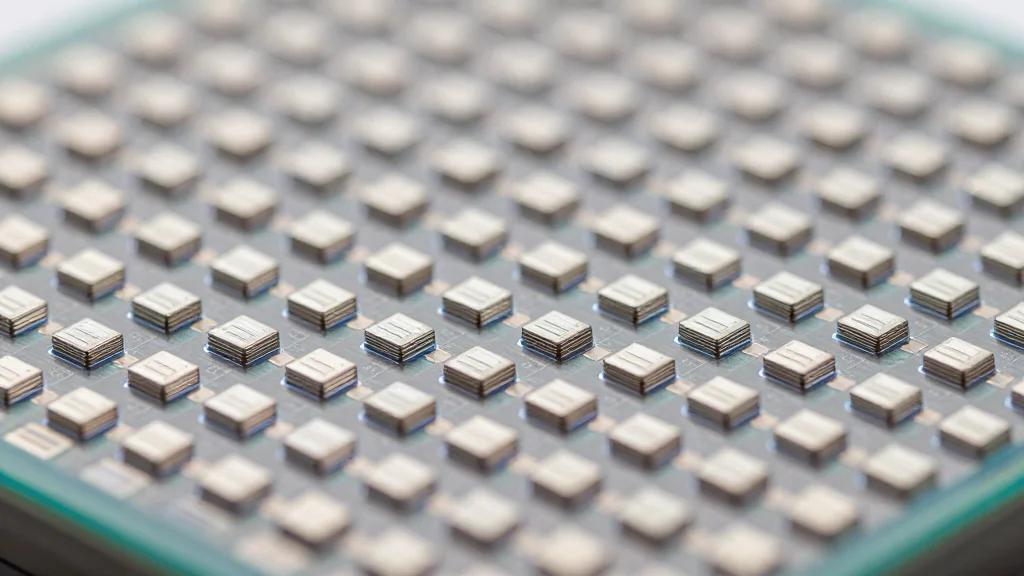
When Smaller Means Better: How Device Scaling Enhances Memory Performance
Researchers at Science Tokyo demonstrated that shrinking ferroelectric tunnel junctions (FTJs) dramatically boosts their memory performance. By fabricating 25 nm Ti/TiOₓ‑Y‑doped HfO₂‑Pt nanocrossbar devices on silicon, they recorded a tunneling electroresistance (TER) ratio of 2,200—over ten times higher than larger counterparts....
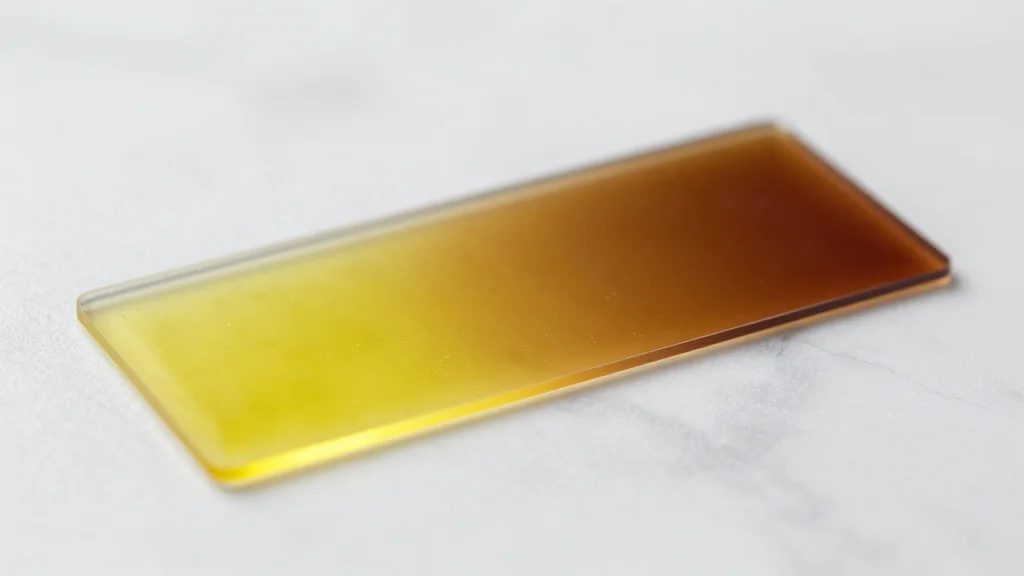
Color-Changing Nanopigment Sensor Tracks pH One to Ten with Stable, Repeatable Readings
South Korean chemists have engineered a nanopigment‑based colorimetric sensor that reliably measures pH across a full range from 1 to 10. By covalently attaching sulfonephthalein dyes to porous silica nanoparticles and embedding them in an agarose/PEO polymer, the sensor eliminates...

Diamond Surfaces Are Covered in Thin, Ice-Like Water Layers
Researchers in China used nitrogen‑vacancy (NV) centers in diamond to directly observe a nanoscale, ice‑like water layer on diamond surfaces under ambient conditions. The quantum‑sensor technique distinguished water from co‑adsorbed organic molecules by analyzing isotopic magnetic resonance spectra. Findings reveal...
System Isolates Single Extracellular Vesicle Surface Proteins to Map Function
UC Davis engineers unveiled VESSEL, a cell‑free platform that produces extracellular vesicles bearing a single surface protein. By isolating individual proteins, the system enables direct functional mapping, exemplified by the discovery that CADM1 promotes vesicle uptake. The approach is scalable...

Accelerating Next Generation Medicine with New Drug Delivery Platform
Scientists at the University of Nottingham have unveiled a modular materials platform that self‑assembles with RNA to form nanoscale delivery particles. The system uses reversible host‑guest linkages, allowing rapid tuning of stability and behavior for diverse therapeutic needs. In pre‑clinical...

Ultrafast X-Rays Reveal Physical Principles Behind Lipoprotein Motion Within Egg Yolk Plasma
An international team employed megahertz X‑ray photon correlation spectroscopy at the European XFEL to record low‑density lipoprotein (LDL) motion inside egg yolk plasma on microsecond timescales. They found LDLs become temporarily caged by neighboring particles and proteins, slowing diffusion up...
Stretchy Plastics Conduct Electricity via Tiny, Whisker-Like Fibers
Researchers at Penn State used cryogenic electron microscopy to uncover how adding specific salts and water to the conductive polymer PEDOT:PSS creates hair‑like nanofibers that dramatically improve both stretchability and electrical conductivity. The nanostructure, revealed at –180 °C, shows that lithium‑based...
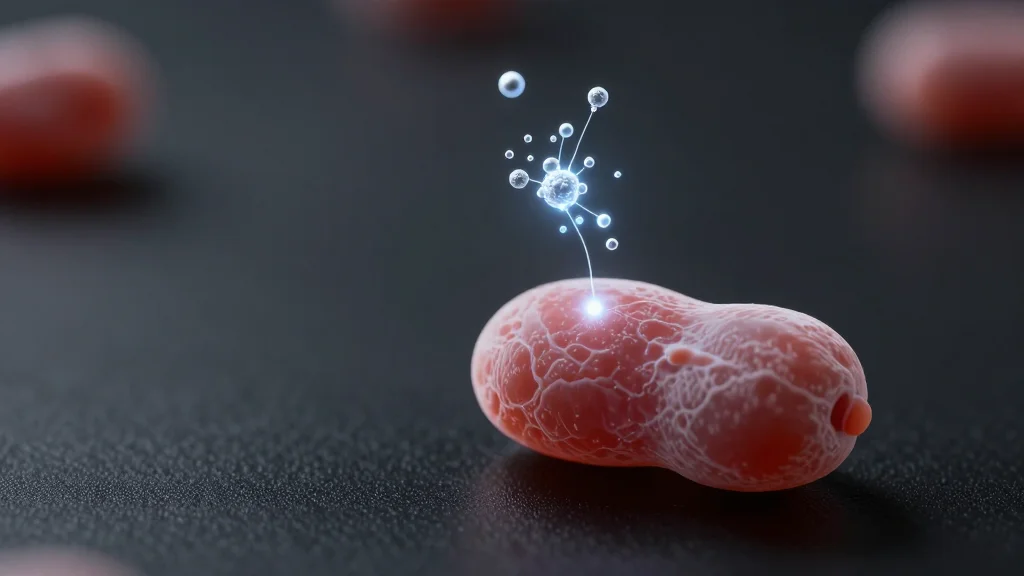
Engineered Nanoparticles Could Deliver Better Targeted Cancer Treatment to Lymph Nodes
Scientists at McGill University and the Goodman Cancer Institute have engineered nanoparticles that deliver an existing immunotherapy directly to metastatic lymph nodes. The nanocomplex senses a molecule abundant in cancer‑laden nodes, activating the drug only at the disease site while...
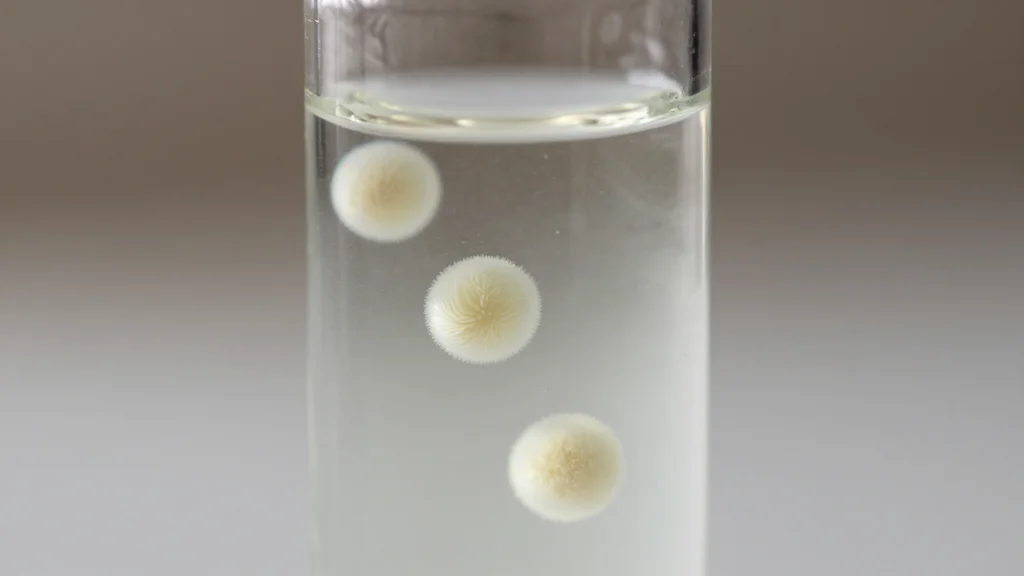
Sometimes Less Is More: Messier Nanoparticles May Actually Deliver Drugs More Effectively than Tightly Packed Ones
Researchers at the University of Copenhagen unveiled a high‑throughput, single‑nanoparticle analysis that examined millions of lipid nanoparticles (LNPs) used for RNA delivery. The study identified two distinct LNP subpopulations—organized, onion‑layered particles and disordered, amorphous particles—and found the latter release their...

Nature-Inspired Method Forms ZnO Quantum Dots in Solid Crystals at Room Temperature
Researchers at the Polish Academy of Sciences and Warsaw University of Technology have demonstrated a new all‑solid‑state method that converts molecular Zn‑organometallic crystals into zinc oxide quantum dots at room temperature. By exposing the crystals to humid air, water‑induced hydrolysis...