
A New Route to Synthesize Multiple Functionalized Carbon Nanohoops
Researchers at Tokyo University of Science have unveiled a gold‑mediated macrocyclization route that delivers a brominated [9]cycloparaphenylene (CPP) in five steps with a 37 % overall yield. The resulting nanohoop carries six bromine atoms, providing a versatile platform for palladium‑catalyzed cross‑couplings that generate π‑extended, chiral nanohoops. One of the chiral derivatives exhibits a circularly polarized luminescence asymmetry factor of |g_lum| = 0.100, among the highest reported for organic π‑conjugated systems. The work expands the toolbox for precise carbon‑nanostructure engineering.
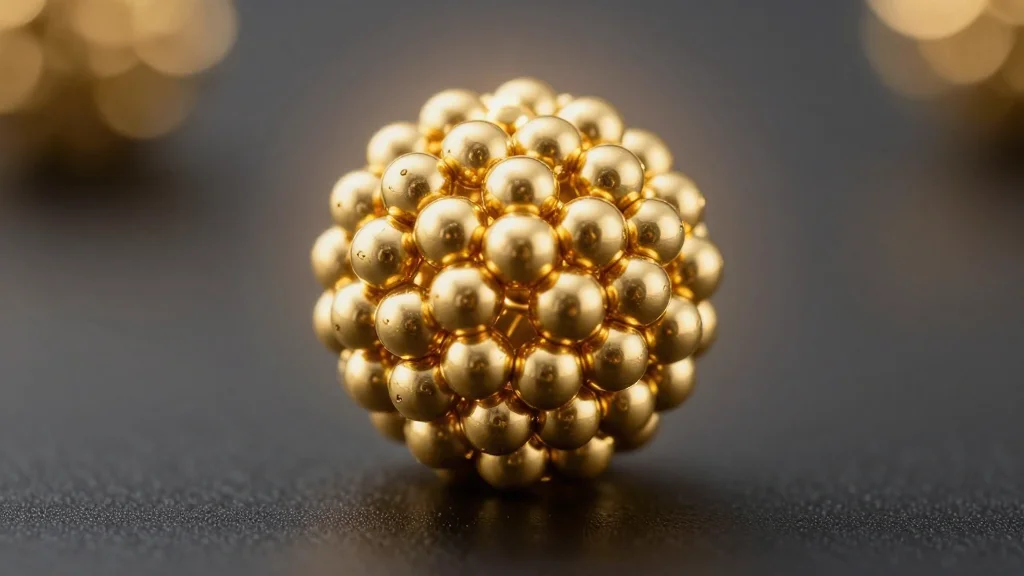
Gold 'Supraballs' Nearly Double Solar Energy Absorption in Tests
Researchers at ACS Applied Materials & Interfaces have engineered gold nanosphere clusters called supraballs that capture nearly the entire solar spectrum. Laboratory tests showed an 89% absorption rate, almost double the 45% achieved by conventional gold nanoparticle coatings on a...

Drug Delivery Concept Boosts Nanoparticle Surfactants for Enhanced Oil Recovery
Skoltech researchers have adapted drug‑delivery technology by encapsulating two surfactants in mesoporous silica nanoparticles to improve enhanced oil recovery (EOR). Laboratory tests on carbonate rock cores showed the nanocarriers lower surfactant adsorption, cut water‑oil interfacial tension and increase rock wettability...
Software Allows Scientists to Simulate Nanodevices on a Supercomputer
Researchers at ETH Zurich and MARVEL unveiled QuaTrEx, a software suite that merges density‑functional theory, GW approximation, and non‑equilibrium Green functions to simulate nanotransistor components at the exascale level. Running on Swiss and U.S. supercomputers, the tool modeled a nanoribbon...

Toothbrush-Activated Powder Whitens, Repairs and Protects Teeth
Researchers at ACS Nano have created a ceramic powder called BSCT that activates under electric‑toothbrush vibrations, generating reactive oxygen species to whiten teeth while simultaneously depositing strontium, calcium and barium ions to repair enamel. Lab tests showed up to 50%...
Visualizing How Cancer Drugs Reshape Proteins Linked to Lung Cancer
Researchers at WPI‑NanoLSI and Kanazawa University used high‑speed atomic force microscopy to watch individual EML4‑ALK fusion proteins change shape in real time. They found that the ALK inhibitor alectinib physically compacts the flexible EML4 region, suppressing oligomer formation that drives...

The Invisible Bubbles that Spread Cancer Could Also Help Stop It
Researchers at ÉTS and McGill are engineering lipid nanoparticles that replicate extracellular vesicles to study how cancer spreads. By producing liposomes with matching size and charge, they can observe real‑time uptake by liver cancer cells and measure metastasis mechanisms. The...

Using Amino Acids as Fuels to Make Conductive Graphene
Researchers have demonstrated that blending graphene oxide with common amino acids and heating the mixture in a conventional furnace produces a highly conductive form of reduced graphene oxide (C‑rGO). The combustion of the amino acids supplies sufficient heat to graphitize...

Ultra-Thin Wireless Retinal Implant Offers Hope for Safely Restoring Vision Signals
An international team led by Prof. Dr. Sedat Nizamoğlu at Koç University has created an ultra‑thin, wireless retinal implant that uses a photovoltaic nano‑assembly to convert near‑infrared light into precise electrical stimulation. The device operates at light intensities far below...
Harnessing Nanoscale Magnetic Spins to Overcome the Limits of Conventional Electronics
Researchers at Kyushu University demonstrated that inserting a 0.3 nm gadolinium layer into a Pt/Co/Ni stack dramatically enhances spin‑orbit torque, enabling magnetic skyrmions to move faster with lower electrical currents. The engineered Pt/Gd/Co/Ni multilayer preserved skyrmion stability while shifting the balance...

DNA Nanodevices Reveal Acidic Nanolayer on Lysosome Surfaces in Live Cells
The research team introduced ratiometric DNA nanodevices anchored to the cytosolic leaflet of lysosomes, enabling direct measurement of juxta‑lysosomal pH in living cells. They discovered a previously unknown acidic nanolayer up to 21 nm thick on the outer lysosomal membrane, whose...

Battery-Free Nano-Sensors Could Pave the Way for Next-Generation Wearables
Researchers at the University of Surrey have created battery‑free nano‑sensors that generate power from tiny human motions. The ultra‑thin borophene‑embedded nanofiber mat, tested with 16 sensors, can monitor sleep patterns and subtle body movements without charging. The self‑powered triboelectric devices...

Silver Nanoparticle Size Influences Light Interaction, Finds Study
A recent study published in the International Journal of Nanoparticles examined how silver particles ranging from 10 nm to 240 nm interact with light. Researchers found that particles under 100 nm primarily absorb light, midsized particles (40‑60 nm) exhibit plasmonic resonance, and larger particles...
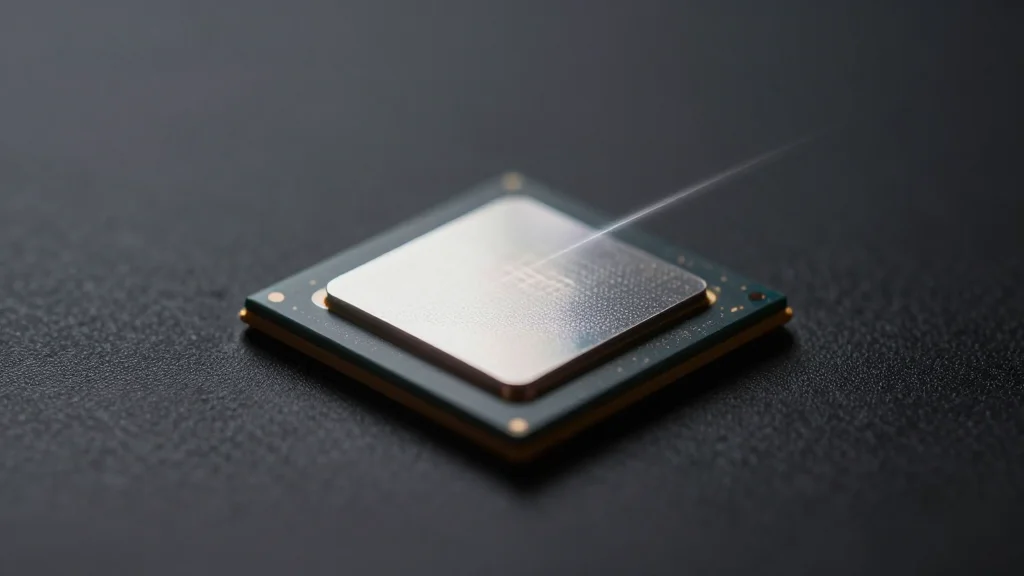
Ultrafast Light Switches Use Atomically Thin Semiconductors for Rapid Optical Control
Researchers at the University of Oldenburg have created a hybrid nanostructure of silver and a monolayer tungsten disulfide that acts as an ultrafast optical switch, changing its reflectivity within 70 femtoseconds. The device, described in Nature Nanotechnology, demonstrates a 10 %...
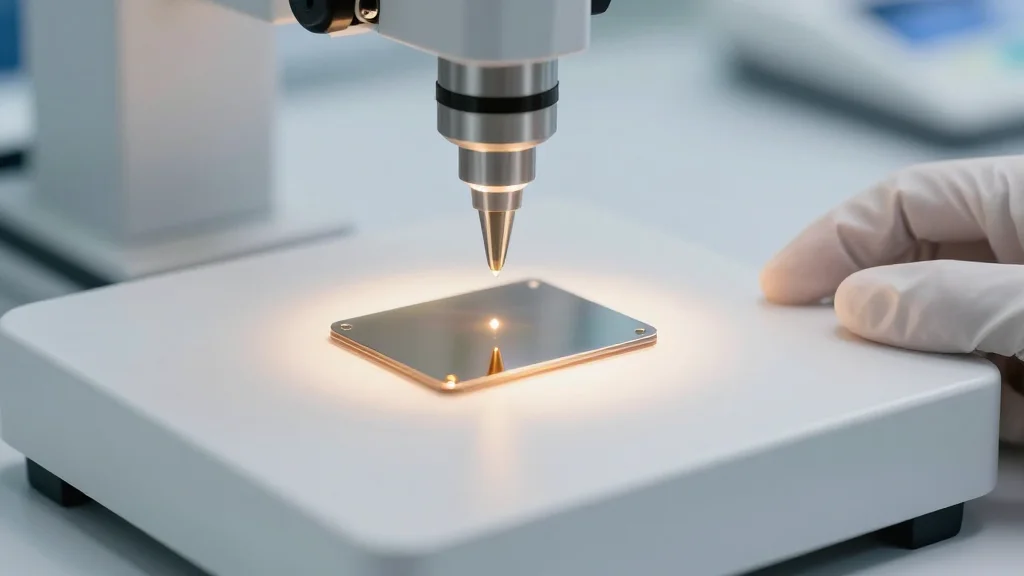
Two-Dimensional Materials Expand Options for Next-Generation Terahertz Quantum Devices
Scientists at the National University of Singapore have shown that atomic‑scale substitutional dopants in two‑dimensional transition‑metal dichalcogenides can act as stable quantum defects with terahertz‑range zero‑field splitting. High‑throughput first‑principles simulations of 50 MoS₂ and WSe₂ monolayers identified several spin‑triplet defects...
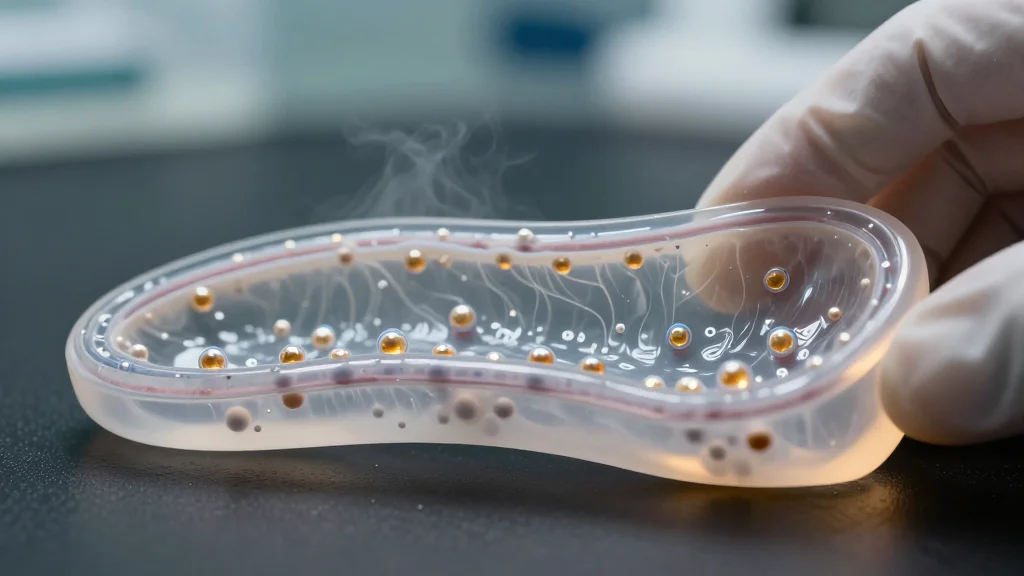
Engineered Nanobodies Improve Respiratory Defenses in Preclinical Study
Researchers at MD Anderson and Stanford engineered bispecific nanobodies that anchor viral particles to the respiratory mucus, boosting the airway’s first‑line defense. In preclinical mouse models the nanobodies reduced infection rates for influenza and SARS‑CoV‑2 and cut viral transmission. The...

Sculpting Complex 3D Nanostructures with a Focused Ion Beam
Scientists at RIKEN have introduced a focused ion beam technique that can carve three‑dimensional nanostructures directly from single‑crystal materials. Using this method they sculpted helical devices from the magnetic Weyl semimetal Co₃Sn₂S₂, which displayed a switchable diode effect that reverses...
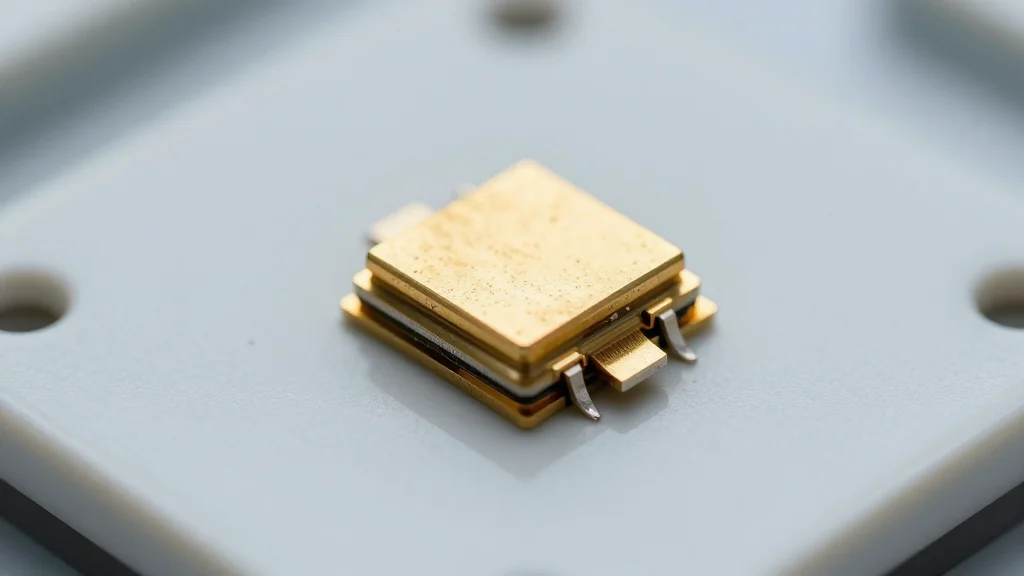
New Nanocrystalline Material Significantly Extends MEMS Switch Chip Lifespan
Researchers at the Chinese Academy of Sciences have created a nanocrystalline Ni/Ni‑W laminated composite that dramatically improves the fatigue life of MEMS switch chips. Laboratory tests show the material exceeds the industry‑required one‑billion bending‑cycle threshold by roughly 60 percent. The...
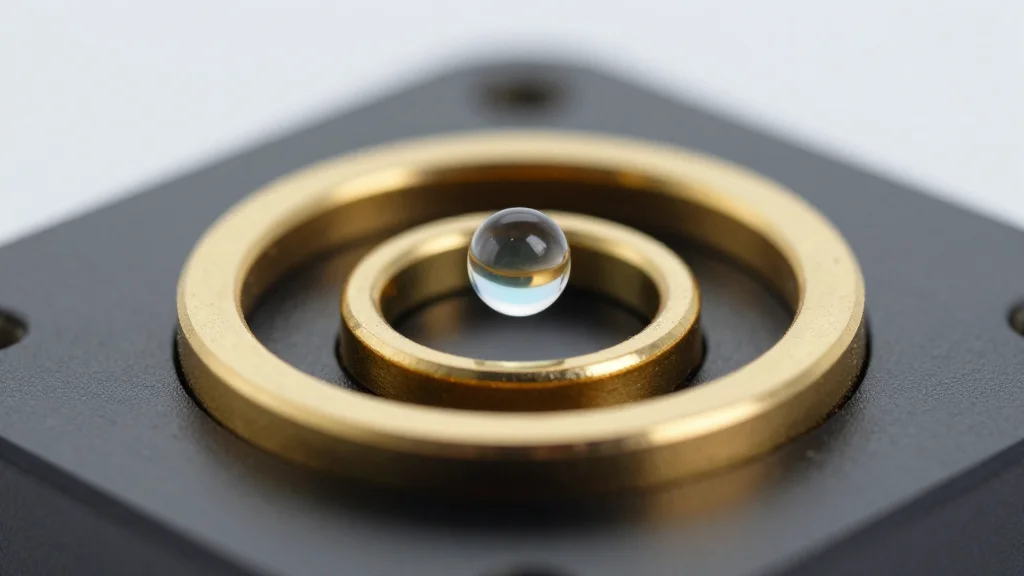
Ion Trap Enables 1 Minute in the Nanocosmos
Researchers at the University of Innsbruck have stored electrically charged helium nanodroplets in an ion trap for up to one minute, a 10,000‑fold increase over the previous millisecond lifetimes. This breakthrough expands the experimental window for ultracold chemistry and spectroscopy,...
World's Smallest Capacitor Paves Way for Next-Generation Quantum Metrology
TU Wien researchers have fabricated a parallel‑plate capacitor with a 32‑nanometre gap, setting a new world record for miniaturization. The device couples an aluminum nanomembrane to an electrical resonant circuit, enabling ultra‑sensitive vibration detection without optical components. Experiments show that both...
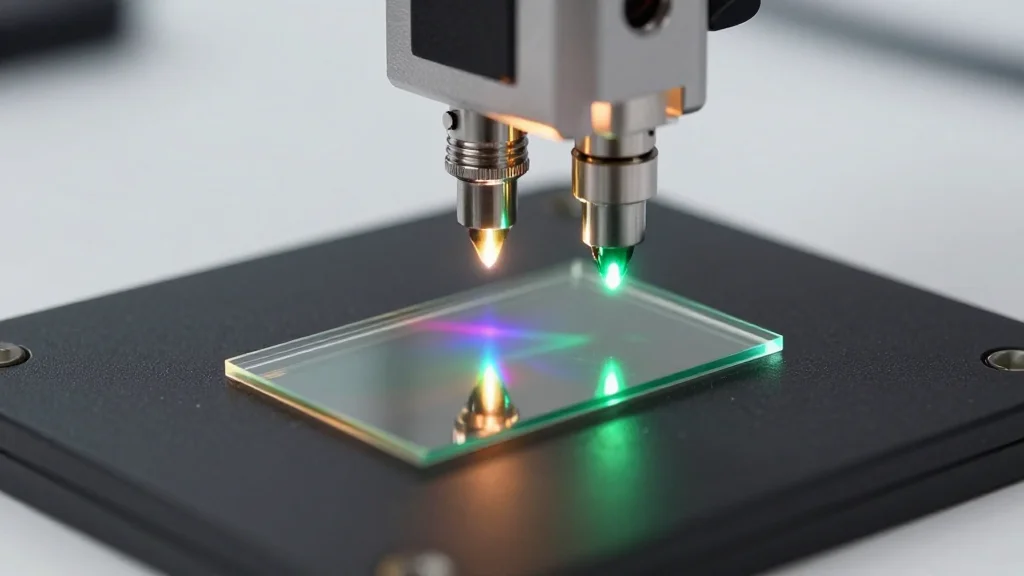
Vibrational Spectroscopy Technique Enables Nanoscale Mapping of Molecular Orientation at Surfaces
Researchers have pushed sum‑frequency generation (SFG) spectroscopy into the nanoscopic regime by integrating a plasmonic nanogap tip with a scanning tunneling microscope, achieving roughly 10 nm spatial resolution. The new tip‑enhanced SFG (TE‑SFG) directly visualizes absolute up/down molecular orientation on heterogeneous...

Lifting Magnetic Fingerprints Using Scanning Probe Microscopy
A Czech‑Spanish research team used a nickelocene‑functionalized scanning tunneling microscope to differentiate magnetic ground states of two nanographene molecules and to map their spin distribution at atomic resolution. The method leverages exchange‑coupling between the probe‑bound nickelocene and the sample, which...

Reprogramming the Cancer Messenger: A New Era of Tumor Extracellular Vesicle Engineering
Researchers at National Taiwan University unveiled the EV Bimodal Functional Regulator (eBFR) platform, which separates and edits tumor‑derived extracellular vesicles (EVs) to remove oncogenic cargo while preserving surface features. The system integrates CLEAR, SWITCHER, and eSimoa modules to map and...
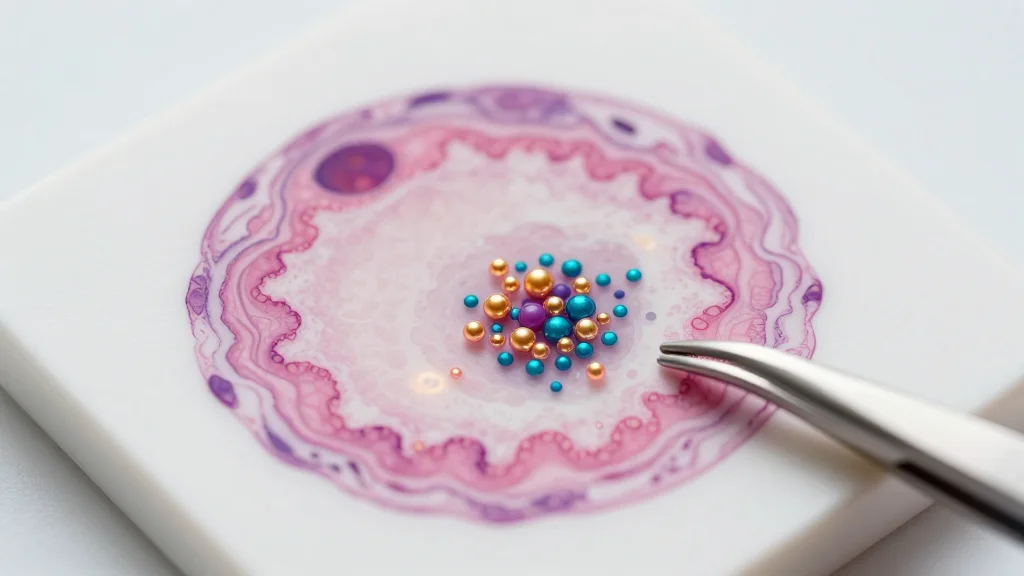
A New Nanorobot Designed to Improve Immune Cell Recognition Could Help Treat Colorectal Cancer
Researchers at Xinqiao Hospital and the CAS Center have created a peptide‑based nanorobot that binds PD‑L1 on colorectal‑cancer cells, blocks the PD‑1/PD‑L1 checkpoint, and self‑assembles into fibrils in the acidic tumor microenvironment. The fibrils perforate cancer‑cell membranes, releasing damage‑associated molecular...

Molecule Deposition on 2D Materials Promotes Defect Healing and Quality Restoration
Researchers at the Institute of Physics Zagreb deposited a thin layer of organic H₂Pc molecules onto MoS₂ and WS₂ monolayers, demonstrating that the molecules can both heal surface defects and modulate optical emission. In MoS₂, electron transfer from the semiconductor...

Quantum Tools Set to Transform Life Science, Researchers Say
Japan’s National Institutes for Quantum Science and Technology (QST) published a perspective in ACS Nano outlining how quantum tools—nanoscale biosensors, hyper‑polarized MRI, and quantum‑biology‑inspired catalysts—can shift life‑science from niche labs to routine clinical and industrial use. The roadmap highlights diamond‑based nitrogen‑vacancy...

Hybrid Polymer Nanocarriers Improve Pulmonary mRNA Vaccine Delivery
A research team at Ludwig Maximilian University of Munich has created hybrid polymer nanocarriers combining PLGA and PBAEs to deliver inhalable mRNA vaccines. The system penetrates airway mucus, escapes endosomes, and transfects immune cells more efficiently than existing lipid nanoparticles....

Charging Gold Nanorods with Light Energy
University of Potsdam researchers have, for the first time, directly observed how gold nanorods become electrically charged under light exposure and built a quantitative model of the process. The study shows that illumination creates electron‑hole pairs, with holes transferred to...

Composing Nanomaterials—Open-Source Platform Unites AI and Automated Synthesis
LMU researchers unveiled Synthesizer, an open‑source platform that links automated chemical synthesis, high‑throughput optical characterization, and AI‑driven modeling to steer nanocrystal growth with unprecedented precision. The system demonstrated rapid generation of halide perovskite variants, allowing an algorithm to learn how...

A New Form of Graphene-Derived Material Could Unlock Next-Generation Printed Electronics
Researchers at Monash University have created a graphene‑derived material called dense‑block reduced graphite oxide (DB‑rGtO) that can be dispersed at concentrations up to 200 mg mL⁻¹ without any binders or surfactants. The 3‑D block morphology prevents the sheets from restacking, keeping viscosity...

Graphene Coatings Can Serve as an Eco-Friendly Alternative to Biocides
Researchers at Norway's NTNU have developed graphene‑based polymer nanocomposite coatings that act as an eco‑friendly alternative to traditional biocidal anti‑fouling paints. The coatings combine graphene, graphene oxide, and metal‑oxide nanoparticles with epoxy or silicone matrices, physically damaging fouling organisms on...
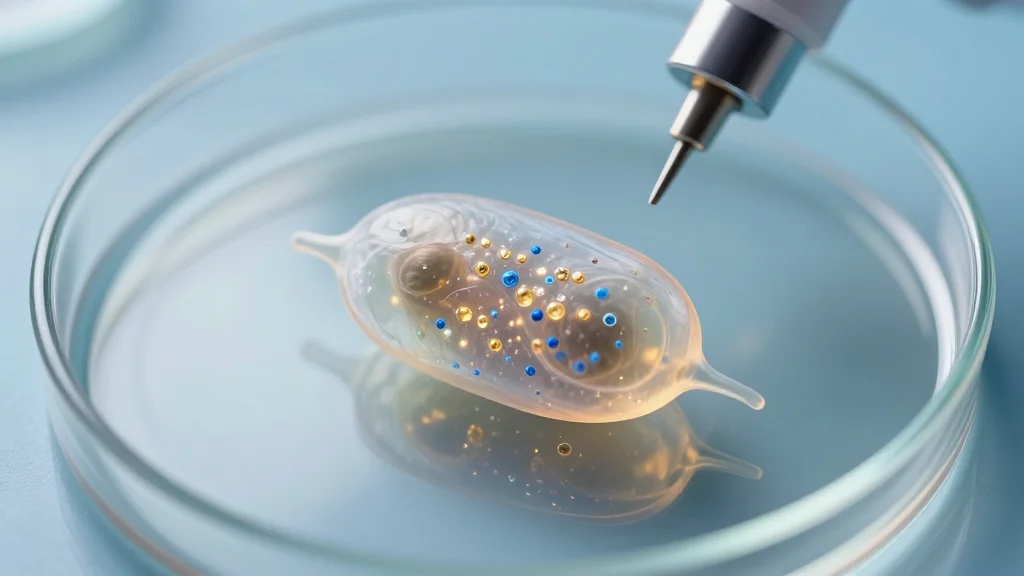
Ultrasound-Activated Nanoparticles in Immune Cells Trigger Targeted Inflammatory Response
Boston College scientists demonstrated that barium titanate piezoelectric nanoparticles internalized by macrophages can be remotely activated with ultrasound, prompting M1‑type inflammatory polarization. By tuning ultrasound intensity they avoided cytotoxicity, while higher power levels selectively killed nanoparticle‑laden cells, hinting at a...
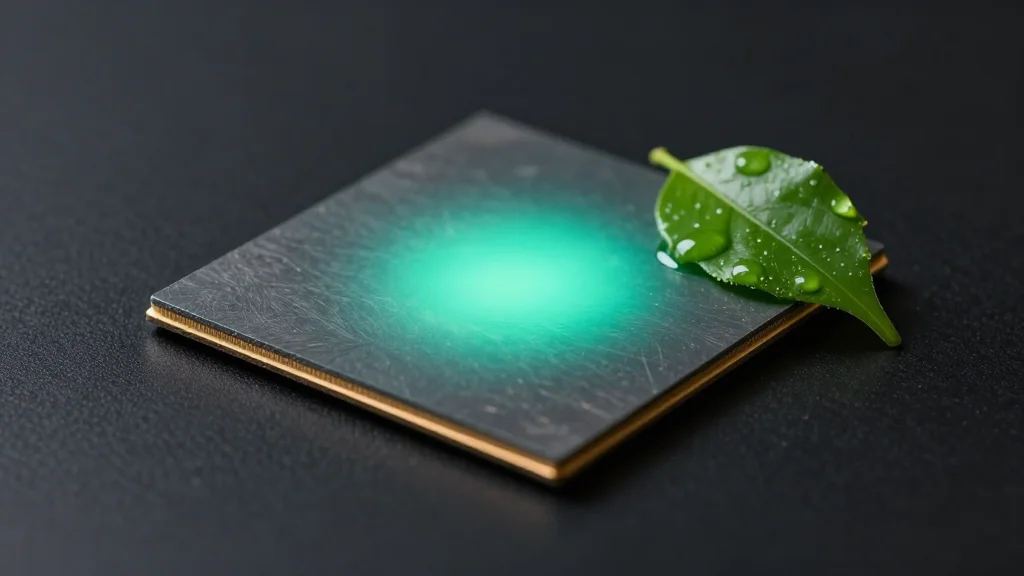
Atomic-Level Surface Control Boosts Brightness of Eco-Friendly Nanosemiconductors by 18-Fold
KAIST researchers have introduced an atomic‑level surface‑control process for indium phosphide (InP) magic‑sized clusters, a next‑generation, cadmium‑free nanosemiconductor. By employing a precision‑etching technique that selectively removes surface defects and passivates the exposed crystal with in‑situ zinc chloride, they lifted luminescence...
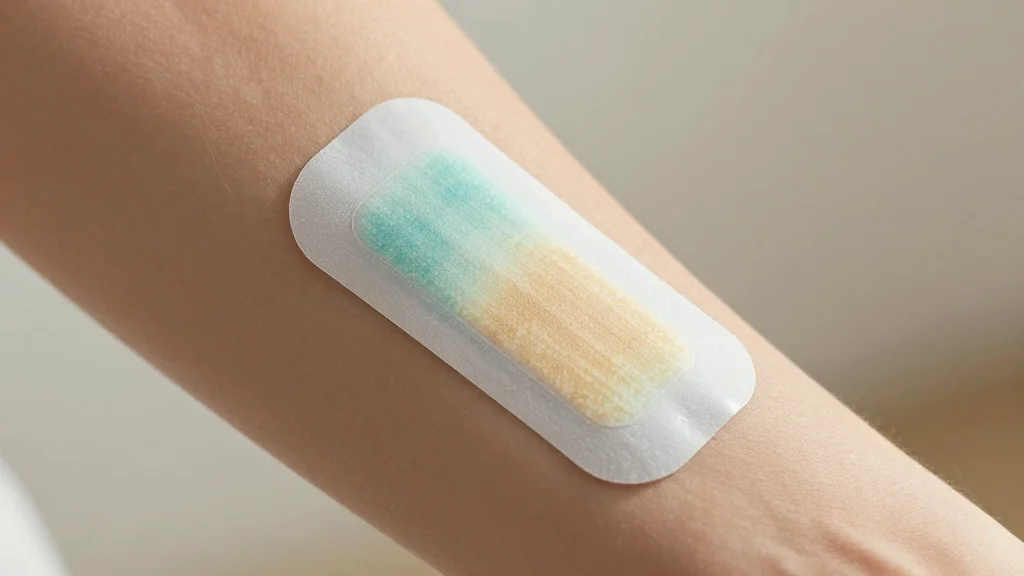
A Nanomaterial Flex—MXene Electrodes Help OLED Display Technology Shine, While Bending and Stretching
Researchers from Seoul National University and Drexel University have created a stretchable OLED that can be elongated 1.6 times its original size while preserving most of its brightness. The device combines a phosphorescent exciplex‑assisted polymer layer (ExciPh) with transparent, highly...
Uncovering a Hidden Mechanism in Met Receptor Activation
Researchers at Kanazawa University and collaborators uncovered a hidden activation mechanism for the Met receptor, showing that hepatocyte growth factor (HGF) binding to the membrane‑distal Sema domain drives dimerization of the membrane‑proximal IPT4 domains. Using in‑cell cross‑linking, high‑speed atomic force...
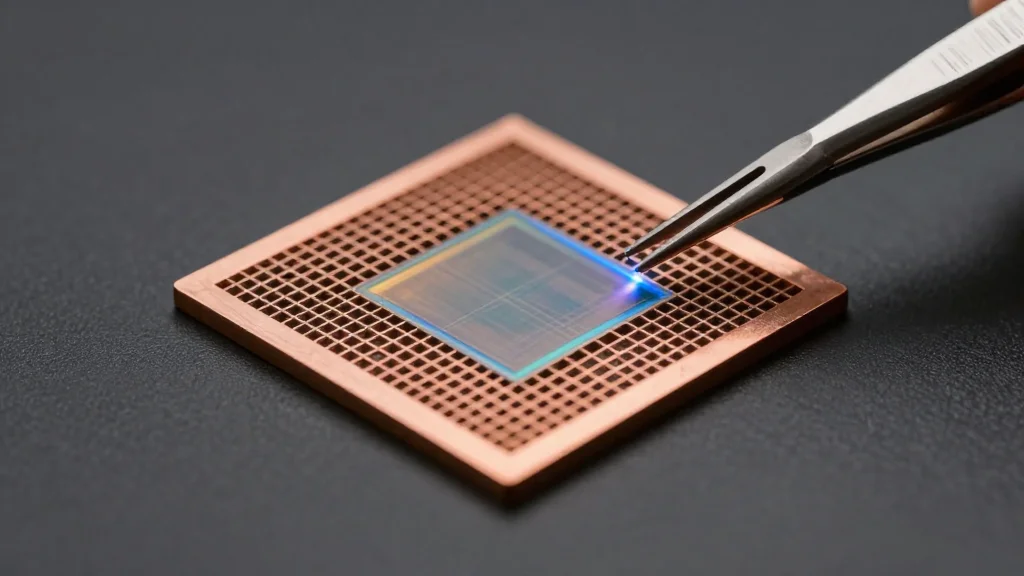
New Global Standard Set for Testing Graphene's Single-Atom Thickness
The University of Manchester, together with the UK National Physical Laboratory and 15 international research institutes, has created a robust transmission electron microscopy (TEM) protocol to verify graphene’s single‑atom thickness. Published in *2D Materials*, the method forms the technical basis of...

Harnessing the Medicinal Benefits of Thyme Extract via Nanodosing
Russian researchers from Tomsk Polytechnic and Surgut State Universities have demonstrated a microfluidic technique that encapsulates thyme extract in gelatin‑alginate nanodroplets within an oil carrier. The process creates self‑regulating nanodoses, preventing rapid evaporation and skin irritation associated with raw thyme...
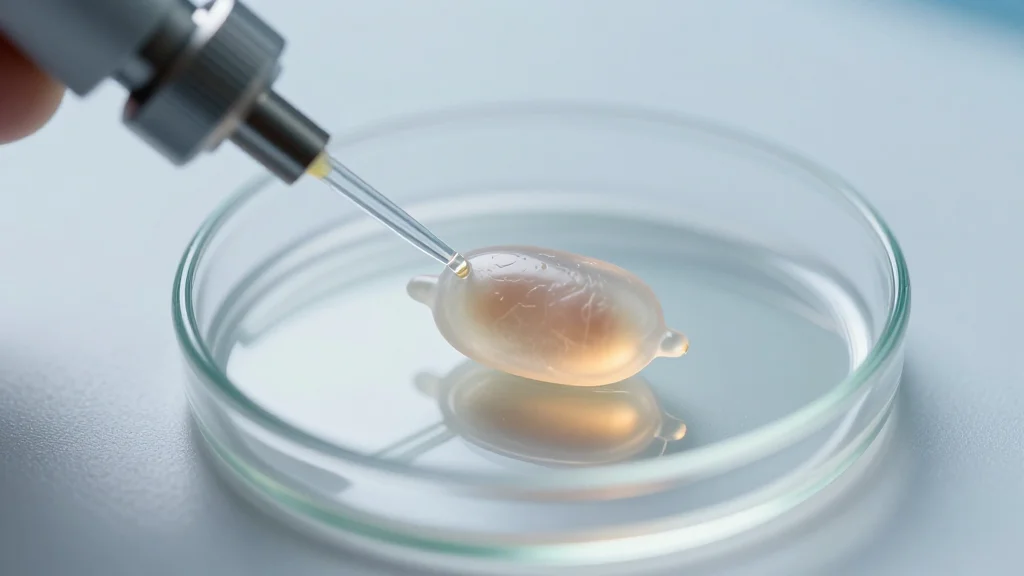
Robotic Nanoprobe Enables Precise Extraction of a Single Mitochondrion From a Living Cell
Researchers at HKUST have unveiled an automated robotic nanoprobe that can locate and extract a single mitochondrion from a living cell without fluorescent labels. The device integrates nanoelectrodes that sense ROS/RNS bursts and dielectrophoretic nanotweezers that capture the organelle within...

High-Speed AFM Imaging Reveals How Brain Enzyme Forms a Dodecameric Ring Structure
Scientists at Kanazawa University used high‑speed atomic force microscopy to capture real‑time images of the brain enzyme CaMKII, revealing that its 12‑subunit ring assembles with α and β subunits in a 3:1 ratio. The β subunits preferentially cluster together, forming...

Surprise Discovery Reveals Silica's Hidden Potential in Flat Optics
Harvard and Lisbon researchers have shown that silica, a low‑index material, can serve as the basis for high‑performance optical metasurfaces. By engineering single‑mode nanopillars, the team achieved efficient phase control across visible wavelengths despite silica’s modest refractive index. The approach...