

MAHE Advances India’s National Quantum Mission with New Hub
Manipal Academy of Higher Education has launched Quantum‑Hub@MAHE at its Manipal Institute of Technology in Bengaluru, creating a university‑led ecosystem to support India’s National Quantum Mission. The hub opens with a 25‑qubit dilution refrigeration system and an open‑architecture approach that prioritises indigenous hardware development. Partnerships with Finnish, Dutch and Swedish firms provide co‑developed IP, while a certification program aims to train 100 quantum engineers by December 2026. A phased roadmap targets industrial‑grade quantum systems exceeding 150 qubits.

Xanadu Highlights Path to Public Listing, Scalable Quantum Computing
Xanadu Quantum Technologies announced its plan to go public via a business combination with Crane Harbor Acquisition Corp, valuing the company at roughly $3.1 billion and leaving it with about $455 million in net cash. The firm showcased Aurora, its first networked,...

MicroCloud Hologram Advances Deployable Quantum Recurrent Neural Network Technology
MicroCloud Hologram Inc. (HOLO) announced a Quantum Recurrent Neural Network (QRNN) built around a novel Quantum Recurrent Block (QRB) architecture designed for noisy intermediate‑scale quantum (NISQ) devices. The QRB acts as a modular, repeatable subcircuit that drastically reduces coherent‑time consumption,...

Keyfactor Advances Automation for Modern Digital Trust Environments
Keyfactor unveiled a suite of automation tools that modernize public key infrastructure, certificate lifecycle management, and digital signing. The enhancements address shrinking TLS certificate lifespans, tighter compliance mandates, and the emerging threat of quantum‑computing attacks. New hybrid cryptographic models let...
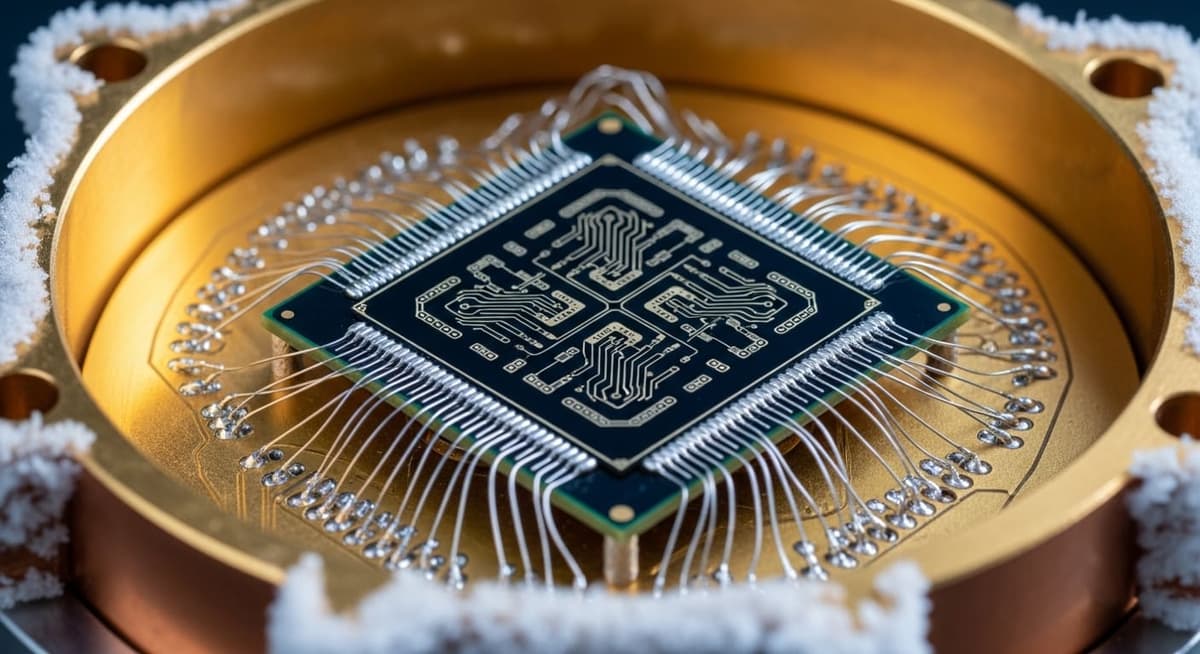
Origin Quantum Computing Achieves High-Accuracy Flux Crosstalk Compensation in Superconducting Qubits
Origin Quantum Computing, in partnership with USTC, unveiled a spin‑echo‑based method that separates quantum and magnetic flux crosstalk in superconducting qubits. The technique, combined with a learning‑driven high‑parallelism measurement scheme, stabilizes frequency‑shift fluctuations to a 20 kHz noise floor. After compensation,...
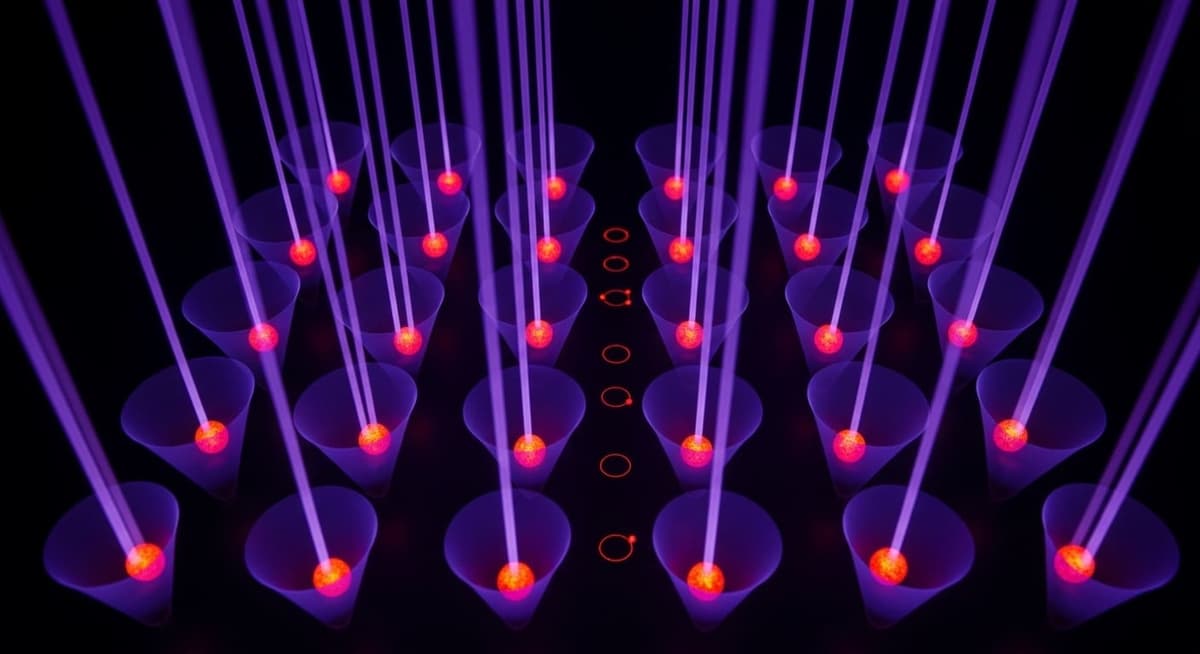
University of Toronto Centre Awards Bell Prize for Neutral Atom Research
The University of Toronto’s Centre for Quantum Information and Quantum Control awarded the ninth John Stewart Bell Prize to Mikhail D. Lukin, Antoine Browaeys, and Mark Saffman for pioneering neutral‑atom quantum computing. Their work demonstrated reconfigurable optical‑tweezer arrays that can...

Thales Validates Post-Quantum Cryptography on Live Networks, Enabling Ongoing Protection
Thales demonstrated live‑network post‑quantum cryptography for 5G, remotely updating SIM and eSIM cards with quantum‑safe algorithms. The "crypto agility" approach eliminates the need for massive hardware swaps, enabling instant security upgrades across existing devices. The trial underscores Thales’ role in...

NQCC SparQ Access Programme Supports Academic Research with Quantum Resources
The National Quantum Computing Centre (NQCC) has launched the SparQ Access programme, granting UK academia access to more than 20 quantum computing platforms, including Azure Quantum, Rigetti, IonQ, IBM Quantum and various simulators. Applications for the May‑July 2026 window are...

Three or More Parties Now Securely Share Encryption Keys Via Quantum Links
Researchers from the University of York propose a holistic framework for multiparty quantum key agreement (MQKA) that classifies protocols along three axes—network architecture, quantum resources, and security model. By mapping existing schemes onto this design space, they demonstrate error‑rate reductions...
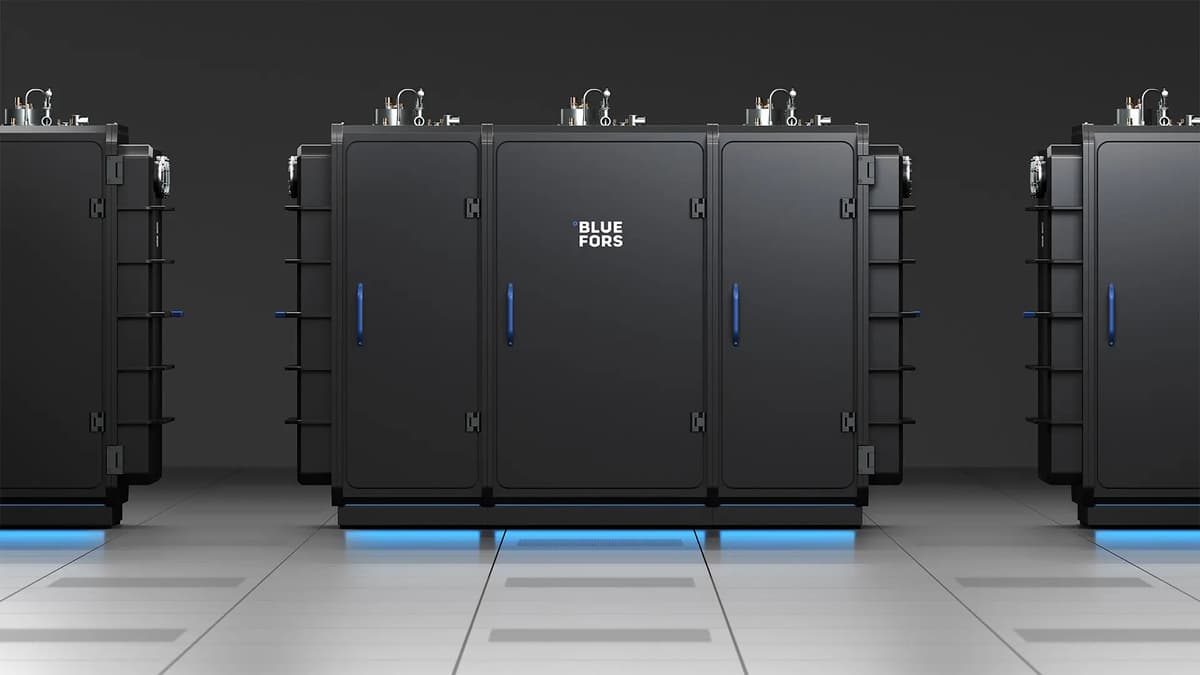
Bluefors Introduces Expandable Platform Supporting High Qubit Count Quantum Hardware
Bluefors unveiled its Modular Cryogenic Platform, an expandable vacuum‑chamber system designed to meet the scaling demands of quantum computers. The architecture lets users add modules incrementally, increasing cooling capacity and qubit density without replacing the entire infrastructure. Each module supports...

University of Turku Researchers Detail Multiple Forms of Quantum Memory
University of Turku researchers have shown that quantum memory depends on whether one examines the system’s state evolution (Schrödinger picture) or its observable dynamics (Heisenberg picture). Their experiments reveal that some memory effects are detectable only in one framework, making...

Illinois Quantum and Microelectronics Park Facilitates Immediate Ecosystem Entry for Future Tenants
The Illinois Quantum and Microelectronics Park (IQMP) launched an On‑Ramp program that places temporary, fully equipped labs in partner facilities to let future tenants start work immediately. Partner sites—mHUB, the UChicago Science Incubator at Hyde Park Labs, and the Discovery Partners Institute—provide...

BTQ Technologies Added to WisdomTree Quantum Computing Fund
BTQ Technologies Corp. has been added to the WisdomTree Quantum Computing Fund (WQTM), a U.S.-listed ETF that targets pure‑play quantum hardware, software and infrastructure firms. The fund, launched in October 2025, manages roughly $26.4 million as of February 27 2026. BTQ’s inclusion highlights its...

FIU Develops Encryption to Thwart Future Quantum Computer Hacks
Florida International University researchers unveiled a quantum‑safe encryption system that merges quantum cryptography with secure internet transmission, creating a digital lockbox that only authorized users can unlock. Laboratory tests show the FIU method outperforms comparable advanced encryption techniques by 10‑15...

Huawei Launches Xinghe Solution for Cost-Effective, Quantum-Secure WANs
Huawei unveiled the Xinghe Intelligent Traffic‑Encryption Integration Solution at MWC Barcelona 2026, embedding a built‑in Quantum Key Distribution (QKD) board into its NetEngine 8000E router series. The technology uses a high‑precision noise‑reduction algorithm to allow quantum, negotiation and data channels to...

Nuclear Spins Controlled for Better Quantum Error Correction
Researchers at Kyoto University and partners demonstrated spin‑cat qubits encoded in ¹⁷³Yb atoms within an optical tweezer array, achieving a single‑qubit Clifford gate fidelity of 0.961 ± 0.005. The study revealed a predictable bias toward dephasing errors that grows with the encoded...

Junction Ageing Affects Superconducting Processor
Researchers at NUS and NTU have mapped the aging of Josephson junctions over three months, showing a logarithmic degradation curve that varies with storage environment. Ambient air storage accelerates aging, while nitrogen or vacuum storage slows it. Thermal annealing behaves...

Models Represent XOR with 100% Accuracy
Researchers Miras Seilkhan and Adilbek Taizhanov compared a two‑qubit variational quantum classifier (VQC) against logistic regression and a multilayer perceptron on synthetic XOR data. A depth‑2 quantum circuit achieved perfect test accuracy, matching the classical neural network, while a depth‑1...

Nanophotonics Boost Quantum Emitter Links on a Chip
Researchers at the University of Southern Denmark and collaborators have unveiled an integrated nanophotonic platform that uses surface‑plasmon‑polariton (SPP) interference to mediate long‑range interactions between solid‑state quantum emitters on a chip. The design achieves a peak concurrence of 0.493, approaching...
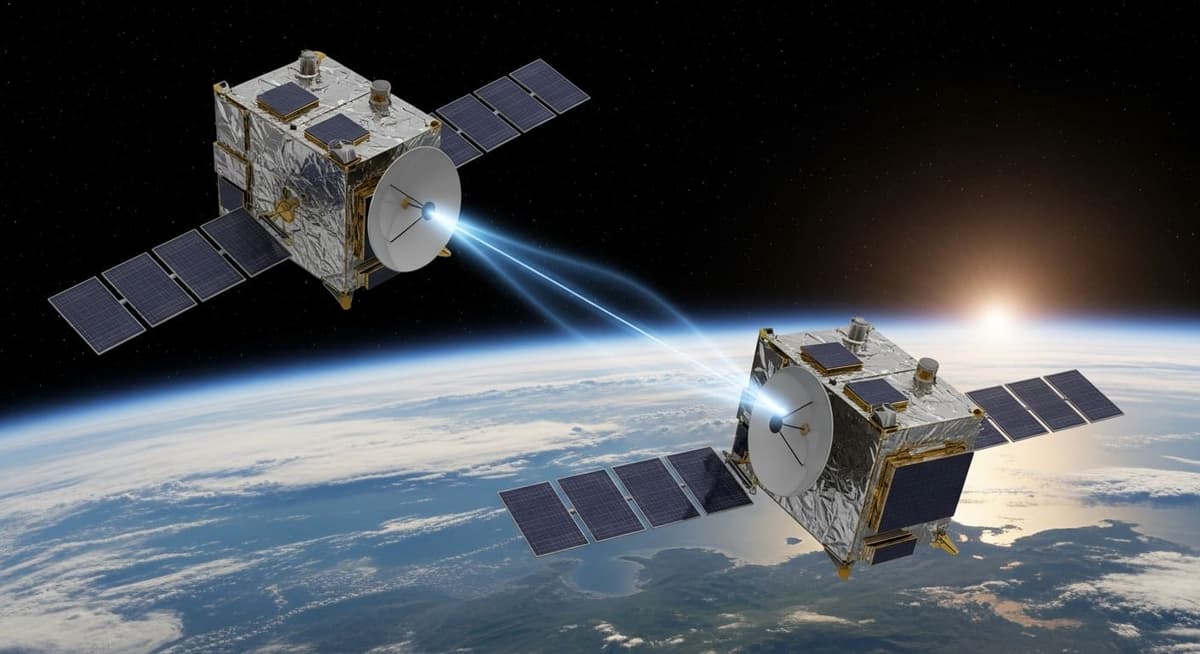
Satellite Networks Minimise Data ‘Freshness’ Delay in Age of Entanglement
Researchers introduced the Age of Entanglement (AoE) metric to quantify the freshness of bipartite entanglement in satellite‑assisted quantum repeater chains. They modeled intermittent satellite‑ground links as a two‑state Markov chain and cast AoE minimisation as an infinite‑horizon Markov decision process,...
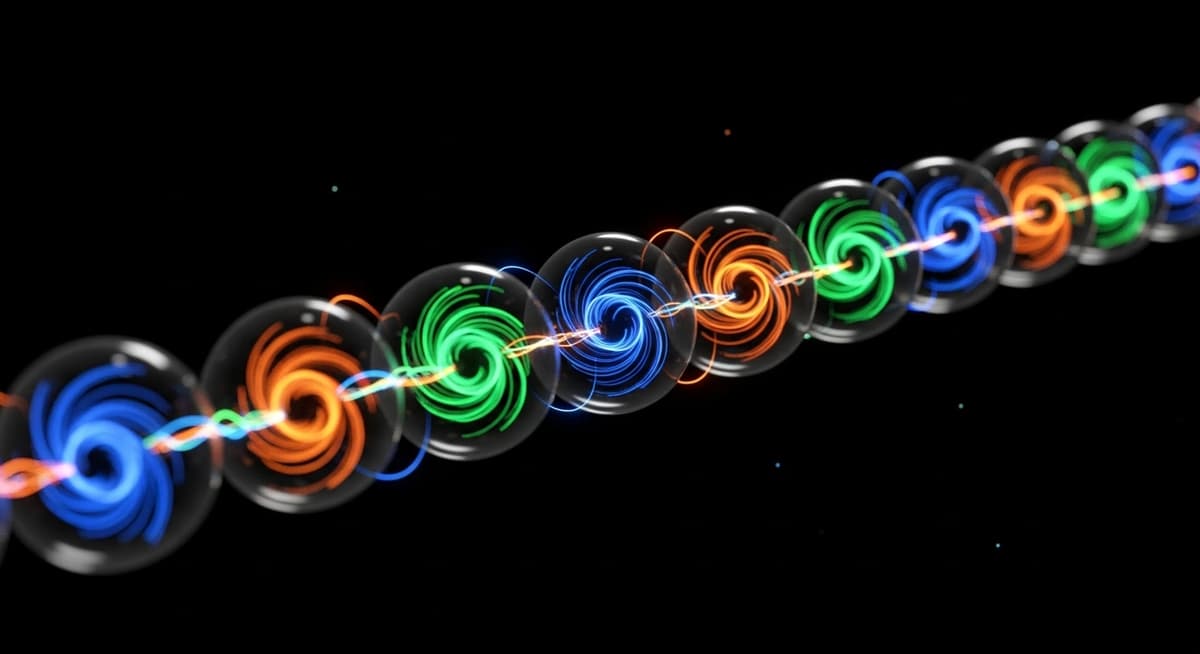
Solid-State Qubits Share States Via Spin Chains
Researchers from Russia propose a photon‑free quantum teleportation protocol using a spin‑1/2 chain governed by an engineered XX‑Hamiltonian. By imposing symmetric coupling constants, the chain can generate a maximally entangled Bell state between its end qubits with a 50 % probability...

Quantum Networks Boost Job Handling with New Scheduling Strategy
Researchers at Tyndall National Institute and University of Parma have introduced a suite of scheduling strategies for distributed quantum computing, evaluated through an integrated quantum‑network simulation framework. Their simulations show that an “EPR scheduler with node selection” consistently delivers the...

Sophus Technology to Showcase Quantum Solver Delivering Faster Optimization
Sophus Technology will unveil its Quantum Solver in a March 10 webinar, promising optimization speeds 50‑to‑100 times faster than current solvers. The quantum‑inspired platform enables full‑fidelity supply‑chain models, eliminating the need for simplifications that compromise accuracy. By handling daily production planning and...

SEALSQ Expands Japan Presence to Support 2035 Quantum Security Mandate
SEALSQ Corp is expanding its footprint in Japan by showcasing its production‑ready QS7001 secure System‑on‑Chip and QVault Trusted Platform Module at two March 2026 industry events. The move backs Japan’s National Cyber Command Office mandate to transition all government and critical‑infrastructure...

Quantum eMotion Strengthens Cybersecurity Strategy with SecureKey Platform Acquisition
Quantum eMotion Corp. announced the acquisition of SKV Technology Inc., securing the SecureKey platform and its memory‑less cryptographic suite. The deal merges QeM’s Sentry‑Q quantum‑grade entropy layer with SecureKey’s hardware‑integrated enforcement, delivering a full‑stack, quantum‑resilient security architecture from cloud to...

QuTech Aims to Overcome Entanglement Decay with New Solid-State Quantum Devices
QuTech researcher Tim Taminiau secured an NWO Vici grant to develop solid‑state quantum network devices that keep entanglement continuously available. The project will use silicon‑vacancy (VSi) spin qubits in silicon carbide (SiC) to build multi‑node nodes that combine a fast...

Planqc Recognized as Key Player in Europe’s Quantum Computing Ecosystem
A new BCG and UnternehmerTUM report crowns planqc as a leading European player in neutral‑atom quantum computing. The analysis projects quantum technologies could generate $450‑850 billion in global economic value by 2040, underscoring Europe’s need for industrial‑scale, sovereign solutions. It stresses...

Quantum Simulation Reveals Curved Spacetime on 80 Qubits
Researchers used IBM's 80‑qubit Heron processor to simulate curved spacetime dynamics in a spin‑XXZ chain. By engineering spatially varying couplings, they observed distorted light‑cone propagation and horizon‑induced freezing after a quench, with clear signals persisting for up to 20 Trotter...
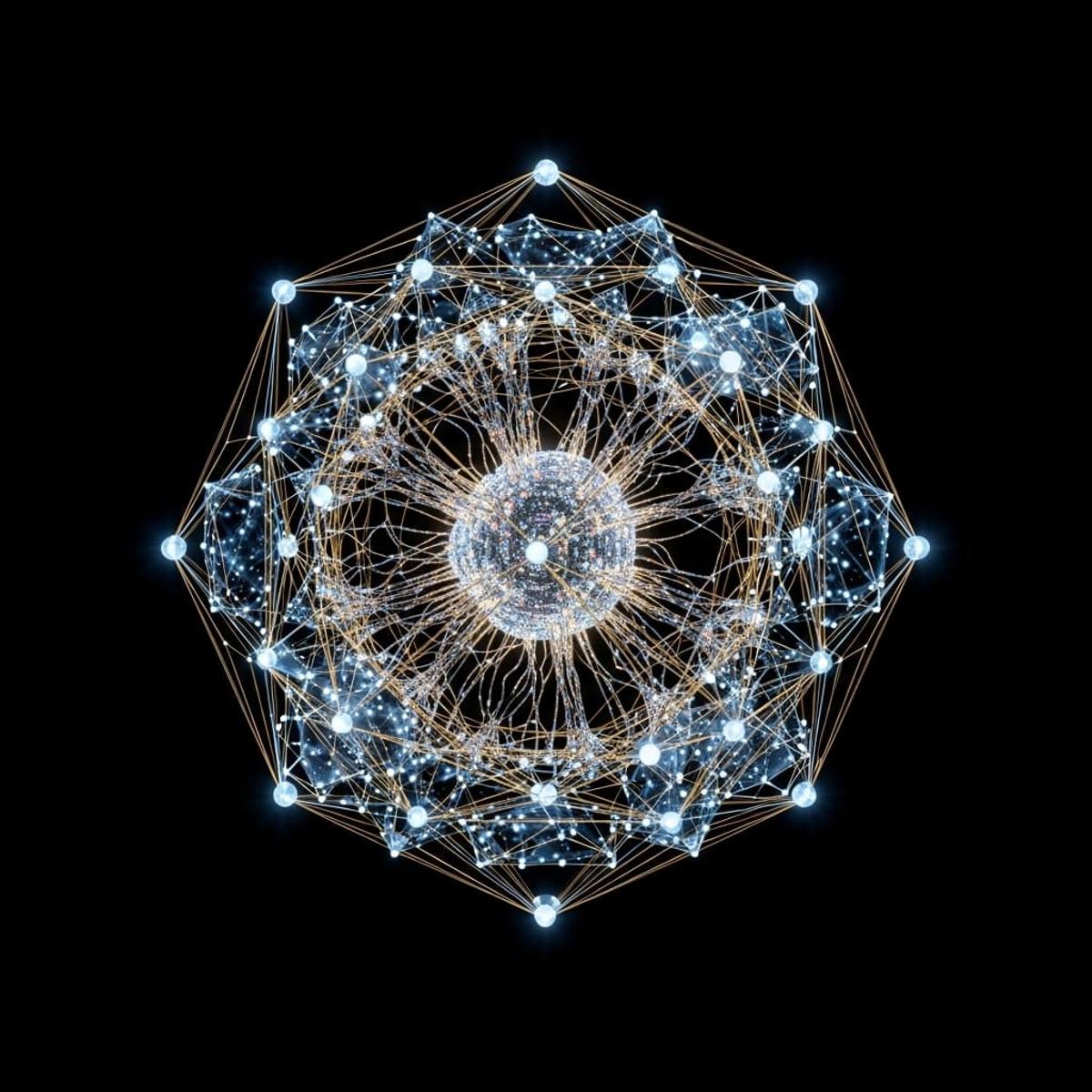
AI Resilience Checks Boosted by Quantum Computing Ideas
Researchers at UC Santa Barbara introduced an Ising‑ and quantum‑inspired framework that recasts binary neural network (BNN) robustness verification as a Quadratic Unconstrained Boolean Optimisation (QUBO) problem. Using a free‑energy‑machine (FEM) solver they verified the entire binarized MNIST test set...

AI Designs Better Drug Candidates with Quantum Aid
Researchers from Japan Tobacco and D‑Wave have unveiled a hybrid framework that merges deep generative models with quantum annealing to design drug‑like molecules. The system introduces a Neural Hash Function that enables binarisation for quantum processing while preserving gradient flow....

Light-Based System Recalls Past Data Without Training
Researchers led by Çağın Ekici have built a programmable linear‑optical quantum reservoir that leverages measurement‑conditioned feedback to process time‑series data without training internal weights. The system uses a reconfigurable interferometer mesh where only a subset of phases is updated each...
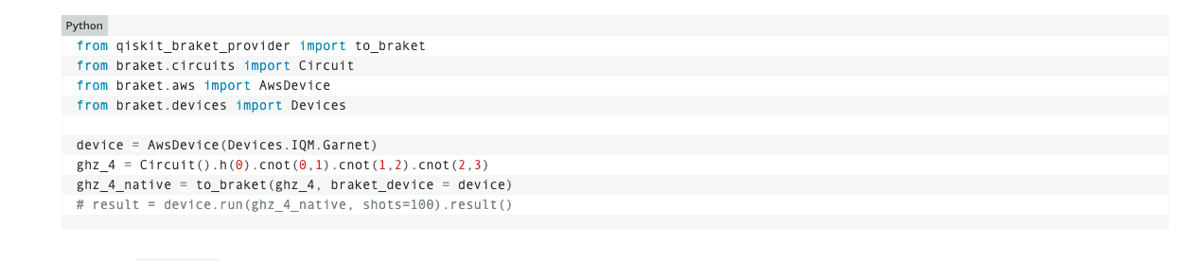
AWS Quantum Technologies Releases Qiskit-Braket Provider v0.11, Now Compatible with Qiskit 2.0
AWS Quantum Technologies launched Qiskit‑Braket provider version 0.11, adding BraketEstimator and BraketSampler primitives and full support for Qiskit 2.0 while retaining backward compatibility to v0.34.2. The update introduces a versatile `to_braket` function that compiles circuits from Qiskit, OpenQASM 3, and native Braket inputs...

Reliance Global Group Launches Scale51 with Acquisition of Quantum-Resilient Encryption Firm Enquantum
Reliance Global Group announced the acquisition of Enquantum Ltd., marking the first platform investment under its Scale51 operating model. Enquantum brings FPGA‑based, hardware‑accelerated quantum‑resilient encryption, including a 2025 patent for terabit‑scale communications. The deal aligns with a projected $300 billion annual...

4colors Research & Partners Secure Funding to Tackle Aircraft Loading with Quantum Computing
A consortium led by 4colors Research, together with Airbus, DNV, NQCC and ORCA Computing, has received an NQCC SparQ grant to develop a hybrid classical‑quantum solution for aircraft cargo loading. The project, titled “Quantum‑Accelerated Mixed‑Integer Optimisation for Aircraft Loading,” will...

Coinbase CEO Says Potential Quantum Computing Threats Are “Solvable”
Coinbase has created a quantum‑computing advisory board to assess and mitigate future threats to blockchain security. CEO Brian Armstrong told CNBC the quantum risk is “solvable” and that Coinbase is already “front‑footed” in developing post‑quantum cryptography solutions. The board will...

New Quantum Algorithms Deliver Speed-Ups Without Sacrificing Predictability
Researchers Aaronson, Gur and Li introduced a systematic study of pseudo‑deterministic quantum algorithms, a class that returns a canonical solution with high probability. Their paper demonstrates an exponential speed‑up for the Quantum‑Locked Estimation problem compared with classical pseudo‑deterministic methods, and...

Bloomberg Reports: Quantum Startup Pasqal Seeks €200 Million to Fuel Growth
French quantum computing startup Pasqal announced it is in talks to raise €200 million, valuing the company at over $1 billion pre‑money. The round, led by undisclosed investors, would fund the expansion of its neutral‑atom quantum processors and full‑stack hardware‑software platform. Co‑founder...

Coherent Emitters Unlock Brighter, Correlated Light Sources
Researchers at The Chinese University of Hong Kong have demonstrated squeezed superradiant lasing in a quantum many‑body system by coupling a cavity to interacting spin‑½ emitters modeled with the Lipkin‑Meshkov‑Glick Hamiltonian. Their analysis shows that spin‑squeezing generated through coherent all‑to‑all...
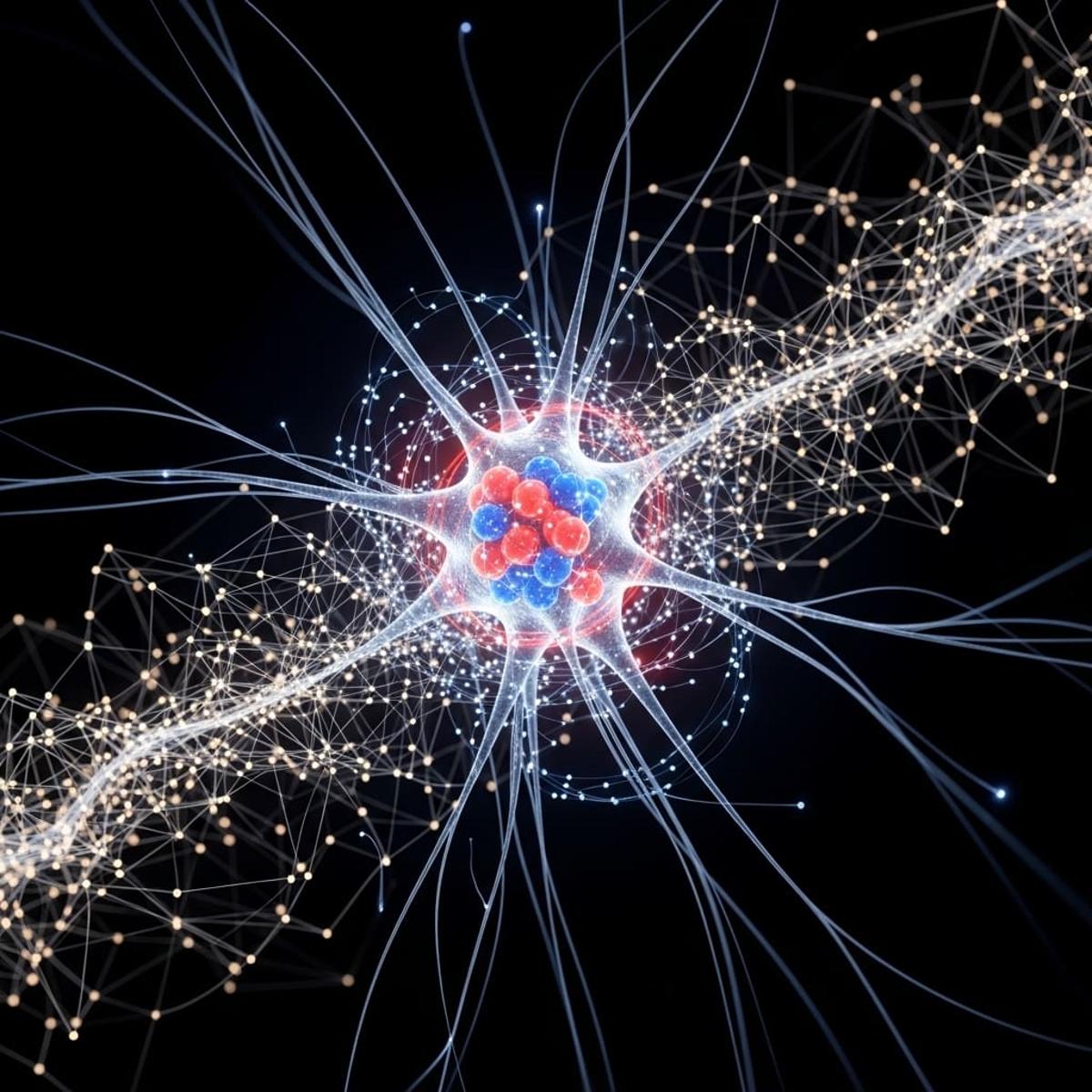
Entanglement Boosts Machine Learning of Quantum Systems
Researchers at Universitat Autònoma de Barcelona introduced an entanglement‑assisted learning strategy for quantum generative adversarial networks (QGANs). By coupling a randomly initialized auxiliary qubit during training, the method overcomes plateaus and local minima that limit QGAN scalability. In a 72‑qubit...

Quantum Computer Flaws Pinpointed Using Novel Energy Decay Spectroscopy Technique
Scientists at the SQMS Center and Fermilab unveiled a fixed‑frequency energy‑decay spectroscopy method that characterises two‑level system (TLS) defects in superconducting transmon qubits without tuning the qubit frequency. By repeatedly preparing the second excited state and analysing correlated decay of...
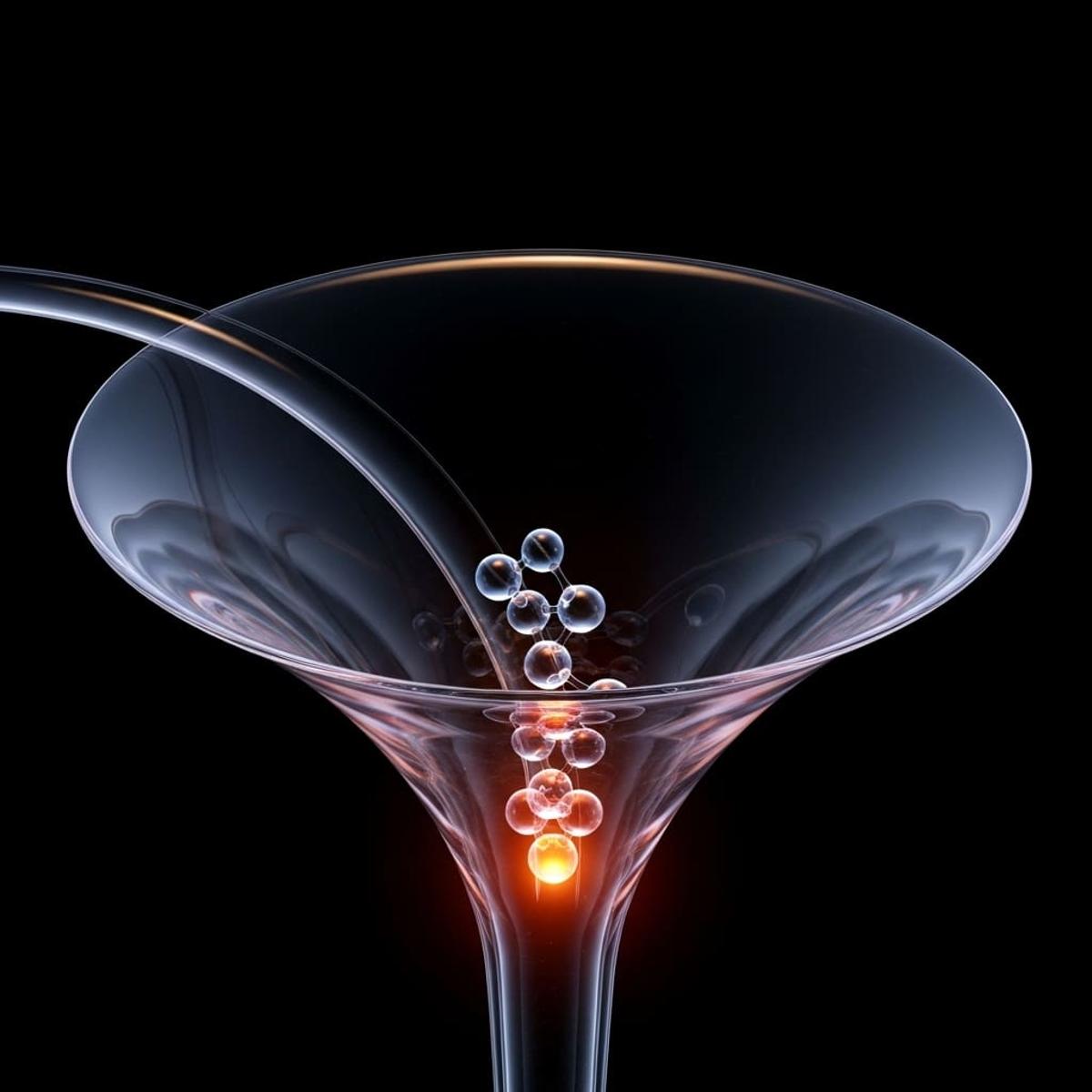
Faster Quantum Calculations Unlock Efficient Molecular Ground State Preparation
Researchers at the German Aerospace Center and Ruhr University Bochum introduced a protocol that merges the ExcitationSolve optimizer with energy‑sorting and one‑variational‑parameter couple‑exchange (OVP‑CEO) operators to streamline variational quantum eigensolver (VQE) ground‑state preparation. The method selects all relevant operators in...

New Optimisation Methods Tackle Complex Logistical and Network Challenges
Researchers at Karlsruhe Institute of Technology introduced Quadratic Unconstrained Binary Optimisation (QUBO) formulations for core location‑science problems such as the p‑Median and Fixed‑Charge Facility Location problems. They derived a tight bound for the penalty parameter, guaranteeing equivalence between the QUBO...
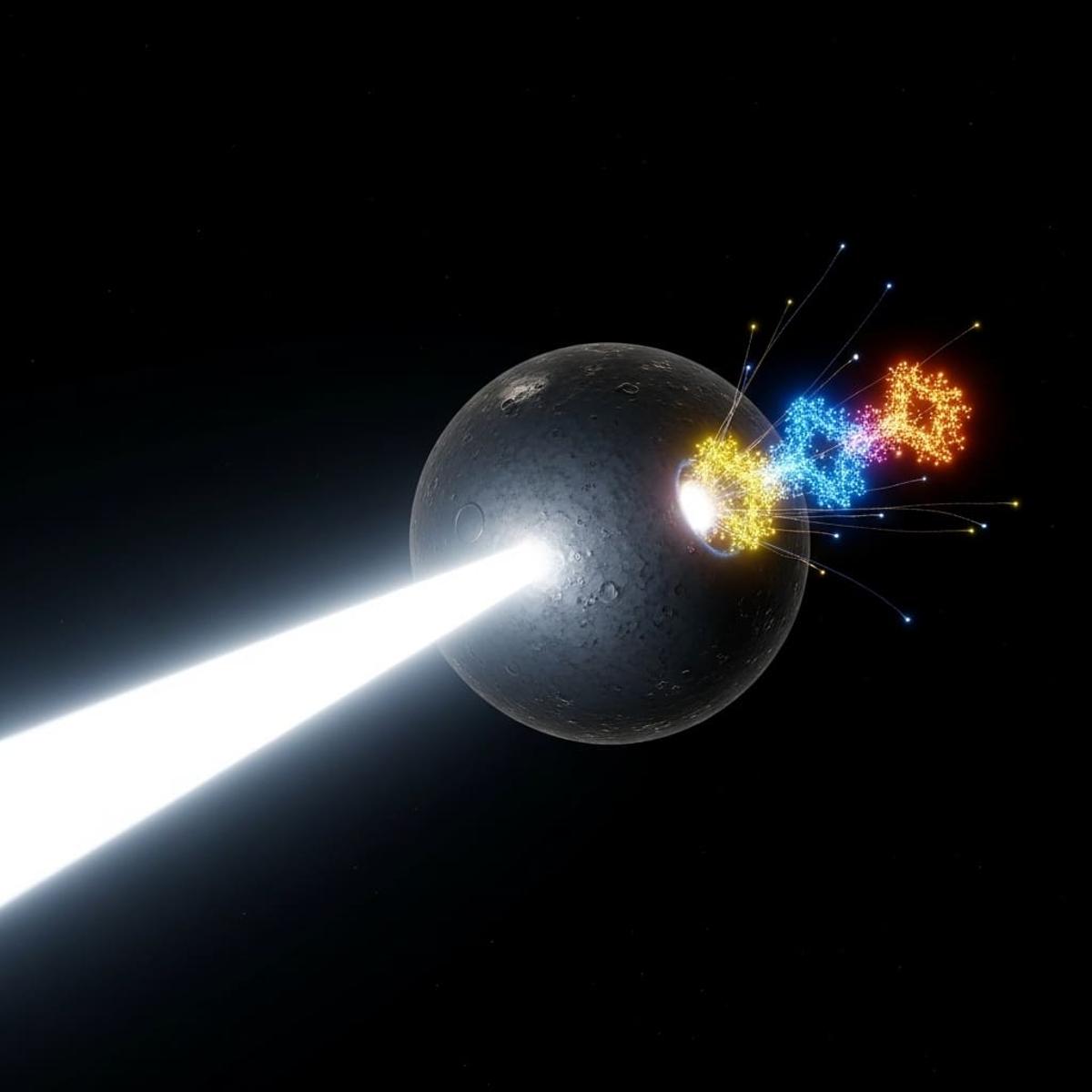
Light-Matter Coupling Creates New Quasiparticles for Advanced Physics Exploration
Researchers have demonstrated strong coupling of electrically tunable dipolar excitons in a gated bilayer MoS₂ device integrated with a one‑dimensional photonic crystal. The hybrid system creates composite polariton quasiparticles, with three distinct polariton branches observed as the applied electric field...

New Materials Exhibit Superconductivity After Surface Functionalisation with Common Elements
A first‑principles screening of 128 out‑of‑plane ordered double‑transition‑metal MXenes identified 32 compounds that are mechanically, dynamically and thermodynamically stable and predicted to be superconductors. Transition temperatures range from 0.1 K to a record 52 K, with Mo₂ScN₂O₂ delivering the highest T₍c₎ and...

Neural Networks Boost Accuracy of Quantum Simulations for Complex Materials
Researchers at ETH Zürich have introduced a neural‑based selected configuration (NQS‑SC) method that outperforms the traditional NQS‑VMC approach for electronic structure calculations. In benchmark tests on molecules with strong static correlation, NQS‑SC reduced ground‑state energies by an average of 0.027 Hartree...
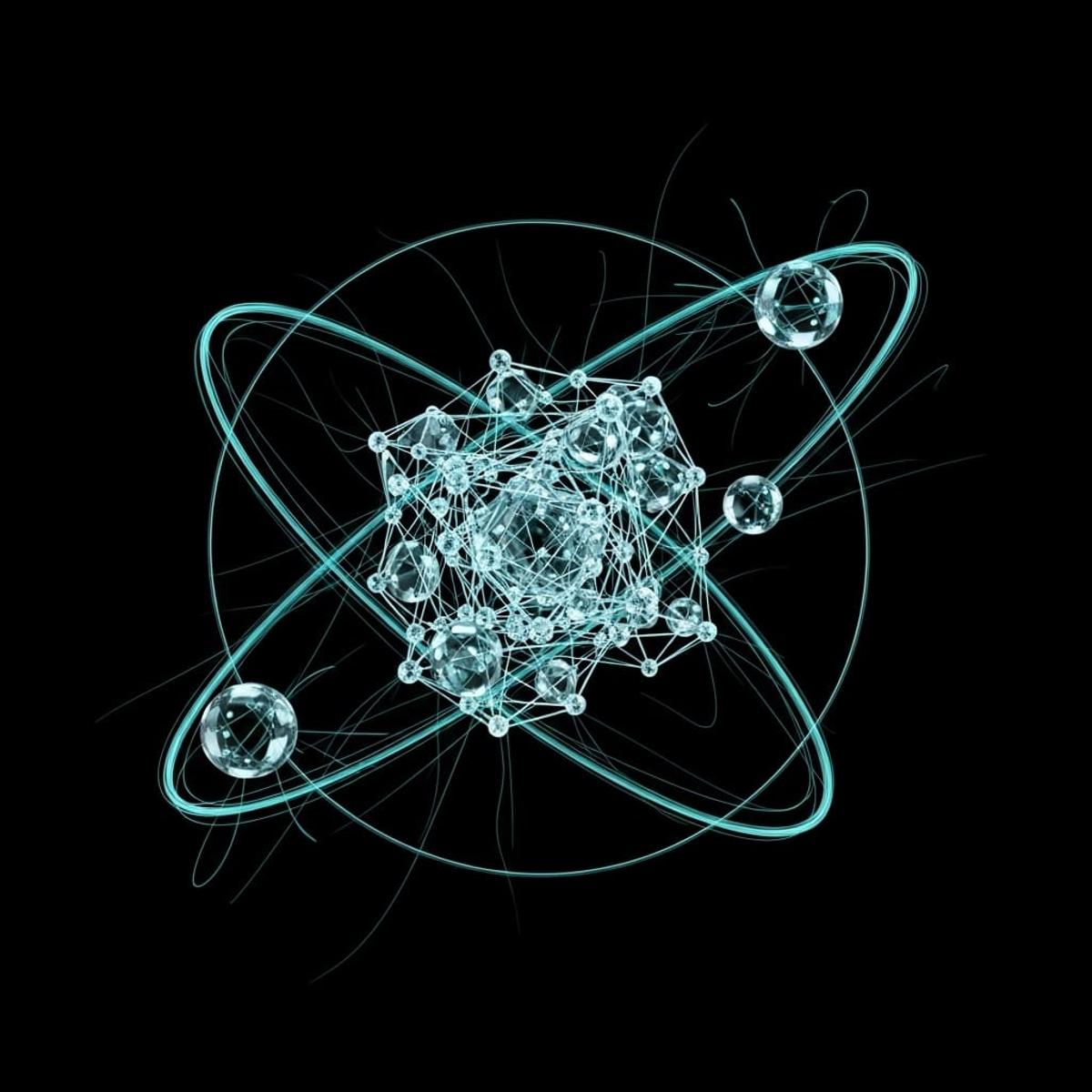
Atoms and Molecules Combined Unlock Faster Quantum Entanglement Generation
Researchers have unveiled a hybrid quantum platform that pairs polar molecules with neutral‑atom Rydberg ancillae to achieve fast, high‑fidelity entanglement. By exploiting a resonant dipole‑dipole exchange between molecular rotations and atomic Rydberg transitions, the scheme delivers a controlled‑phase gate operating...
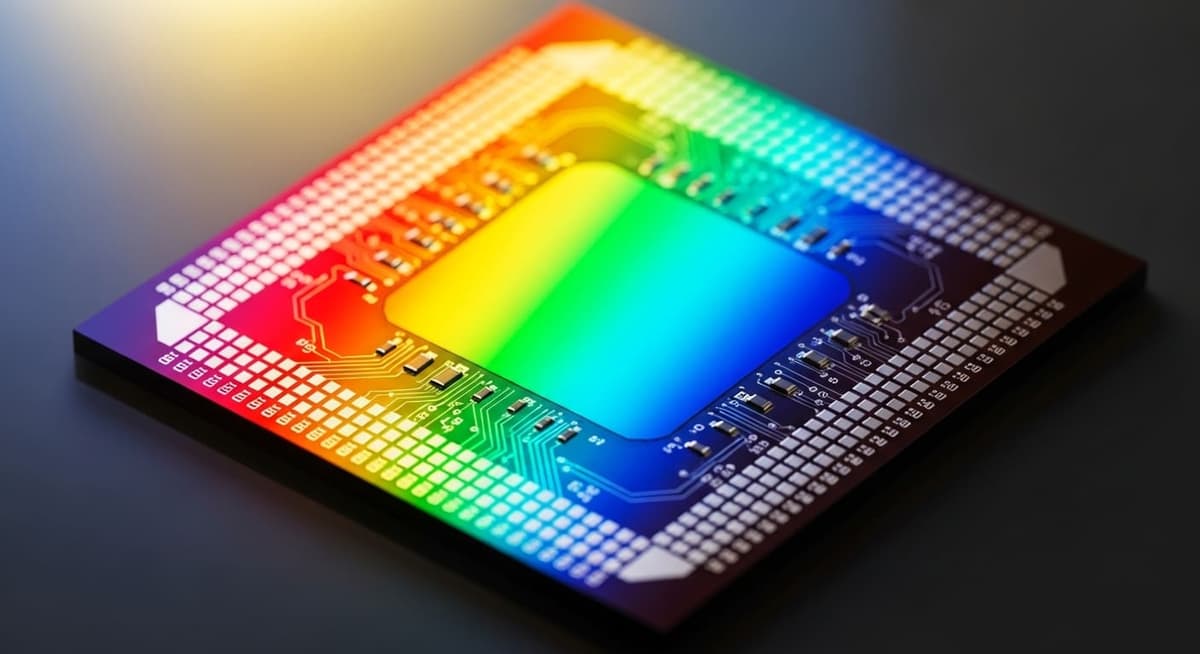
Quantum Delta’s QuantWare Launches Foundry Services to Lower Quantum Chip Barriers
QuantWare, the Delft‑based spin‑out of TU Delft/QuTech, launched its Foundry Services on December 1, 2022, offering third‑party access to its superconducting quantum‑chip fabrication line. The service provides external designers with industry‑leading processes, cutting the cost of quantum hardware to roughly one‑tenth of...

Grainger Illinois PQN Awarded Prize at UN International Year of Quantum Science & Technology Closing
The Public Quantum Network (PQN) received the inaugural Continental Quantum City Prize for North & Central America at the United Nations International Year of Quantum Science and Technology closing ceremony. Launched in November 2023 at Urbana’s Free Library, PQN is...
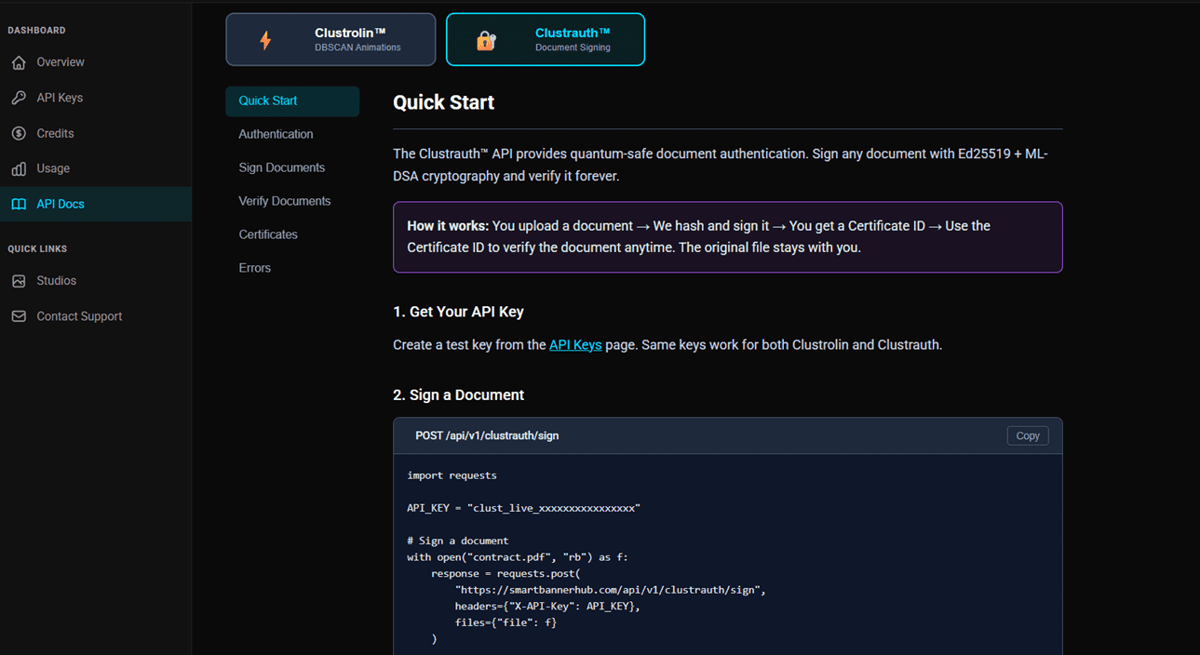
Clustrauth API by Smart Banner Hub Offers Quantum-Safe Document Authentication with Flexible Pricing
Smart Banner Hub introduced the Clustrauth API, a REST service that provides NIST FIPS 204‑compliant, quantum‑safe document signing using a hybrid Ed25519 and ML‑DSA signature scheme. The API allows developers to sign files up to 50 MB with three lines of code...

CO.LAB Receives LaunchTN Grant to Cultivate Quantum Commercialization Pathways Across Tennessee
CO.LAB secured a $1.2 million Launch Tennessee grant to launch the Quantum Activation Series, a statewide effort that begins March 12 at the University of Tennessee‑Chattanooga. The program will convene researchers, entrepreneurs and industry leaders to accelerate the commercialization of quantum research...