
Salem Media Going Private in Acquisition by WaterStone
Salem Media, the Texas‑based owner of 62 radio stations and a network reaching about 2,400 affiliates, agreed to be taken private by the WaterStone foundation. The deal values the 31.8 million outstanding shares at $1.00 each, a roughly 250% premium to the recent market price, and is slated to close in August pending shareholder and regulatory sign‑off. WaterStone already controls 49.5% of Salem’s voting power and previously invested $40 million of preferred stock. The transaction follows Salem’s recent 2.8% Q1 2026 local‑radio growth after divesting its “Fish” FM properties.

IHeartMedia Plans More Cost-Cutting
iHeartMedia announced an additional $50 million in annual cost savings for 2026, bringing total projected savings to $150 million after earlier AI‑driven cuts. The company reported Q1 revenue of $884 million, up 9.6% year‑over‑year, with Digital Audio revenue rising 18% and podcast revenue...

E2TS: Using Technology to Enable Creators
E2 Technical Services (E2TS), founded by broadcaster Edwin Bukont, provides integration, project management and remote support for radio and video broadcasting systems. The firm leverages certifications from NetGear, QSC/Q‑SYS, Dante, Avixa, SBE and Axia/Livewire to design AoIP and visual‑radio solutions....

FCC Plans an FM Auction in February
The FCC announced Auction 114, slated for February 2027, to sell 132 FM radio construction permits, including 99 never‑offered slots and 33 previously unsold. Most of the permits are Class A or Class C, with a single Class B1 in...

Best of Show: American Amplifier Technologies EmPower Controller VNA
American Amplifier Technologies’ EmPower Controller VNA captured the Radio World Best of Show award at the 2026 NAB Show. The unit blends SNMP‑based remote monitoring, site automation, and an integrated vector network analyzer into a single chassis. It delivers continuous,...
Make Sure Your Voice Is Heard and Brand Yourself
Radio talent must prioritize their live show while using digital channels as an extension to grow their personal brand. Effective time management—such as pre‑recording segments—creates space for on‑demand distribution, social media clips, and video streaming that can generate additional ratings...
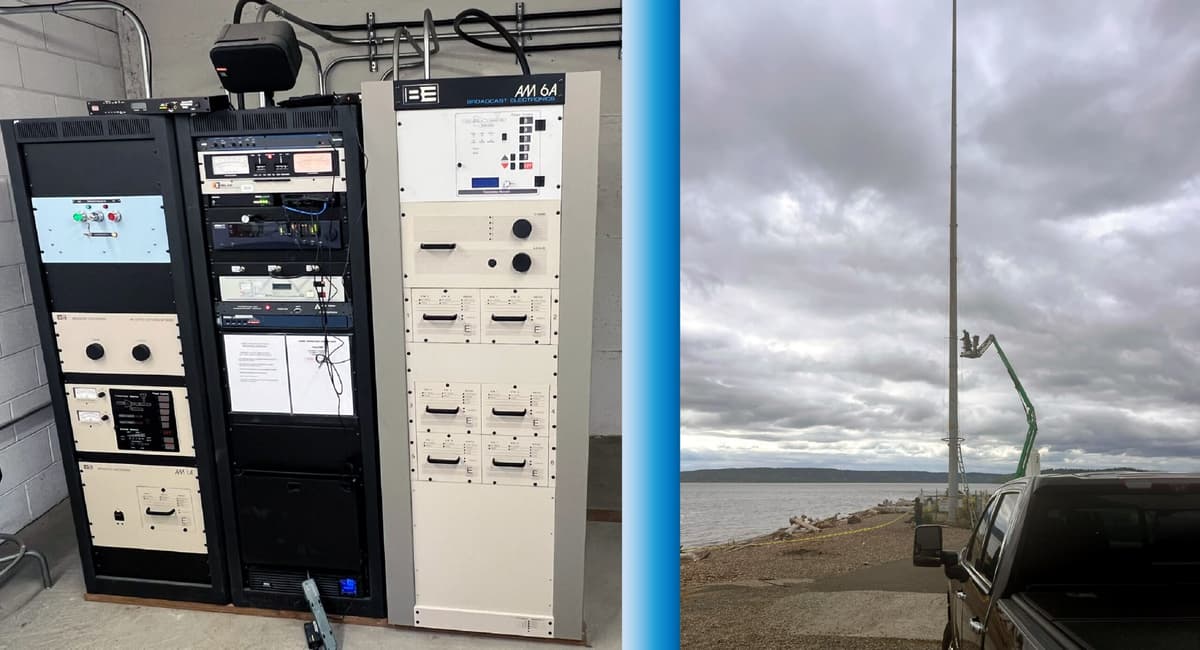
BE Transmitter Brings a Seattle AM Back to Full Power
Seattle‑Tacoma’s historic KKMO 1360 AM returned to its licensed 5 kW day‑and‑night power after installing a Broadcast Electronics AM‑6A transmitter. The new transmitter, paired with a BE AM‑1A backup, went live on April 27, ending a six‑month period of reduced 2 kW operation...

Wavelength Technical Solutions: “A Trusted Partner”
Wavelength Technical Solutions positions itself as a full‑service broadcast engineering partner for radio stations, especially in California. The firm handles project management, FCC filings, site selection, and cost‑effective transmission system sourcing for upgrades, new builds, and facility moves. It also...

Ready or Not, AI-Assisted Quantum Computing Is Here
Recent papers from Google’s Quantum AI team and Caltech startup Oratomic show that AI can cut the qubit count needed to break RSA‑2048 encryption from hundreds of thousands to roughly 10,000. This accelerates the timeline for practical quantum attacks, prompting...

DRM Publishes Updated Handbook
Digital Radio Mondiale (DRM) has launched version 6 of its DRM Handbook, an 83‑page guide released in English and Chinese during the DRM General Assembly in Indonesia. The updated manual expands technical specifications, adds richer trial listings, and deepens coverage of...

DTS AutoStage Is Now in 16 Million Vehicles, Xperi Reports
Xperi announced that its DTS AutoStage audio technology is now installed in 16 million vehicles spanning 13 automotive brands. The company’s Q1 2026 results showed a narrowed net loss of $7.8 million, down from $18.4 million a year earlier, while revenue held steady...
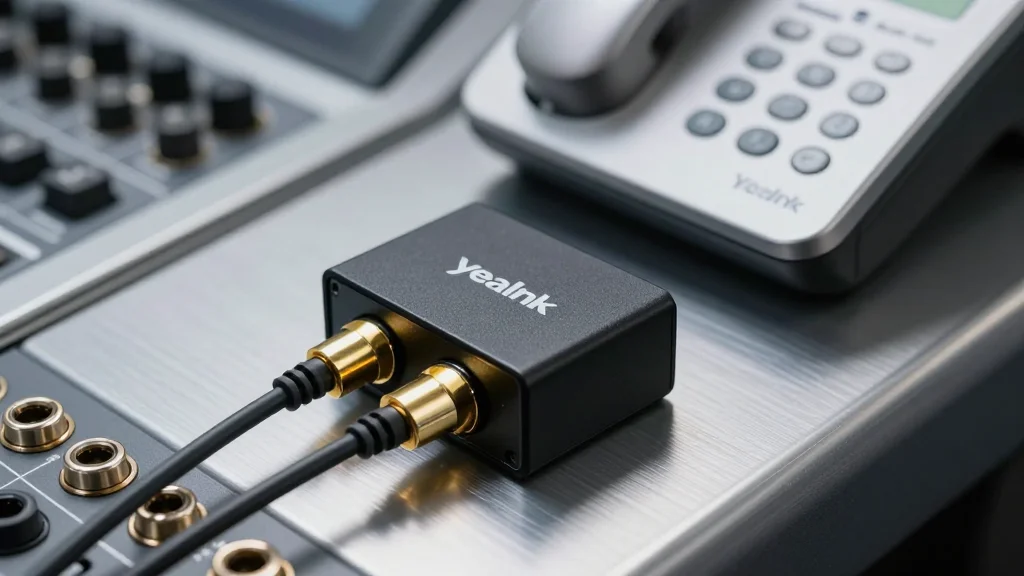
A Phone Gizmo for the Post-POTS Era
Angry Audio has launched the Phone Gizmo, a hardware adapter that connects a Yealink SIP desk phone directly to a broadcast console via balanced analog audio, eliminating the need for software drivers. The device offers galvanic isolation for clean audio...

Best of Show: Wheatstone VMX Virtual Mixing Platform
Wheatstone’s VMX virtual mixing platform won Radio World’s Best of Show award at the 2026 NAB Show. The web‑based system removes physical studio constraints by running on existing servers or dedicated appliances. It is hardware‑agnostic, AES67‑compliant, and integrates with WheatNet’s...
WKRP Is Back in Cincinnati
After nearly 50 years, the iconic WKRP call letters have returned to Cincinnati on 97.7 FM. The launch featured former sitcom star Gary Sandy recording new liners, and the station joins a three‑station “Oasis” oldies network covering Ohio and Kentucky. Radioactive LLC...
Radio One to Acquire Two Heritage DFW Signals
Urban One, the parent of Radio One, announced it will acquire two heritage FM stations in Dallas‑Fort Worth—104.5 KKDA, a long‑standing hip‑hop outlet, and 105.7 KRNB, an adult R&B station—from Service Broadcasting Group. Simultaneously, Urban One is divesting its 94.5 KZMJ signal to...
FCC Limits an AM’s License Renewal to One Year
The FCC has limited the license renewal for Mississippi AM station WABG to just one year after the station missed a required quarterly issues and programs list, despite previously signing a consent decree and paying a $1,000 contribution. The bureau...
Does Your Station Deserve a Marconi?
The National Association of Broadcasters (NAB) has opened nominations for the 2026 Marconi Radio Awards, with a submission deadline of May 31. Winners will be announced at an October dinner in the Edison Ballroom, the night before the NAB Show in...
Chicagoland Station Rallies Volunteers for Fox River Flood Relief
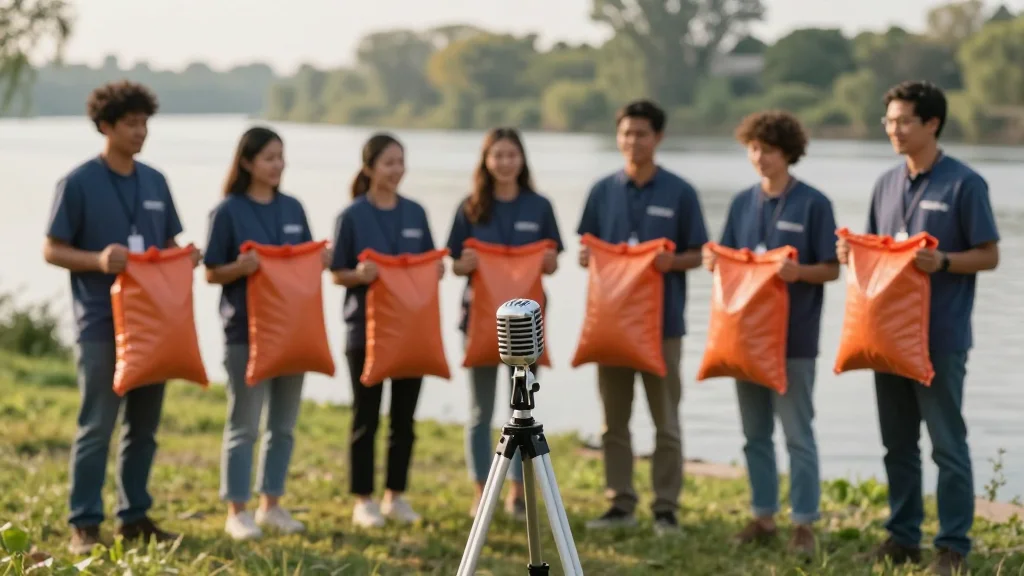
Chicago’s 105.5 WZSR (Star 105.5) rallied volunteers to combat severe Fox River flooding after record‑breaking rain in mid‑April. Morning hosts Joe Cicero and Tina Bree used their live show to call listeners for sandbag assistance. Within a week, roughly 80,000 sandbags were...

FCC Believes Redesign Will Bolster Its Disaster Reporting System
The FCC released a draft order to modernize its Disaster Information Reporting System (DIRS), aiming to cut redundant paperwork and speed data collection during emergencies. Proposed changes let providers file a single form, add a one‑click "no‑change" option, and allow...

Curtis Media Acquires Five Stations in Coastal North Carolina
Curtis Media Group announced a $1.75 million purchase of five radio stations and two translators from Capitol Broadcasting’s Sunrise Broadcasting unit, expanding its footprint in North Carolina’s Cape Fear region. The deal includes 100 kW WRMR‑FM 98.7 in Jacksonville and four additional...

Best of Show: Broadcast Bionics VoiceGPIO
Broadcast Bionics’ VoiceGPIO captured the Radio World Best of Show award at the 2026 NAB Show. The software lets broadcasters issue voice commands to control faders, routing, calls, video sources and custom GPIO/UDP messages through existing AoIP talkback systems. Designed...

Eagles’ Radio Voice Merrill Reese Receives Common Wealth Award
Merrill Reese, the 83‑year‑old voice of the Philadelphia Eagles, has been named a 2026 recipient of the Common Wealth Award for Distinguished Service in mass communications. The honor comes as he prepares for his 50th season calling Eagles games on...

Texas AM Station to Sign Off After 75 Years
After 75 years on the air, Coleman, Texas AM station KSTA (1000 AM) will cease broadcasting. The 250‑watt daytime‑only station, owned by Wendlee Broadcasting, could not secure a buyer and faces building‑lease expiration and technical issues. Owner Rex Tackett, who bought...
Radio FCC Fees to Go Up 5% Under Proposal
The Federal Communications Commission has proposed a 5% increase in regulatory fees for commercial AM and FM radio stations for fiscal year 2026, raising the annual collection target to roughly $416 million. Fees would rise from $395 for the smallest Class D...

ENCO Adds Real-Time Voice Translation for Broadcast and AV
ENCO unveiled enSpeak, a real‑time voice translation layer that sits on its enCaption live‑captioning platform. The solution delivers natural‑sounding, low‑latency audio translations and extends multilingual text to smartphones and browsers via enTranslate Mobile. It can be deployed in cloud, on‑premises...

Wearables Market Branches Out With Smart Glasses and Rings
The wearables market is expanding to 229 million shipments in 2024, a 5.1% rise from 2025, and is projected to generate $57 billion in retail value. While smartwatches remain dominant with 93 million units shipped last year, smart glasses (≈6 million) and smart rings...

ENCO Introduces AI-Driven Video Ad Creation Platform
ENCO unveiled SPOTai, an AI‑driven platform that creates 1080p video advertisements from simple text prompts, expanding its SPECai technology beyond audio sales tools. The system guides users through brand setup, then generates fully edited video ads ready for TV, digital,...
Arcom Report Underlines Enduring Strength of Radio in France
France’s media regulator ARCOM reports that radio remains the leading audio medium, reaching 73% of the population despite near‑universal device access. Live listening via FM and DAB+ dominates, with 68% of listeners—particularly those over 35—saying they would miss radio if...

FCC Threatens to Revoke Montana FM’s License
The FCC’s Media Bureau has opened a revocation proceeding against 100.9 KBOQ (FM) in southwest Montana after its owner, Southwest Montana Media, failed to pay approximately $6,750 in delinquent regulatory fees, administrative costs, and penalties. The unpaid balances span fees from 2019...
Wright State’s WWSU Wins a Telos Alliance Omnia.11
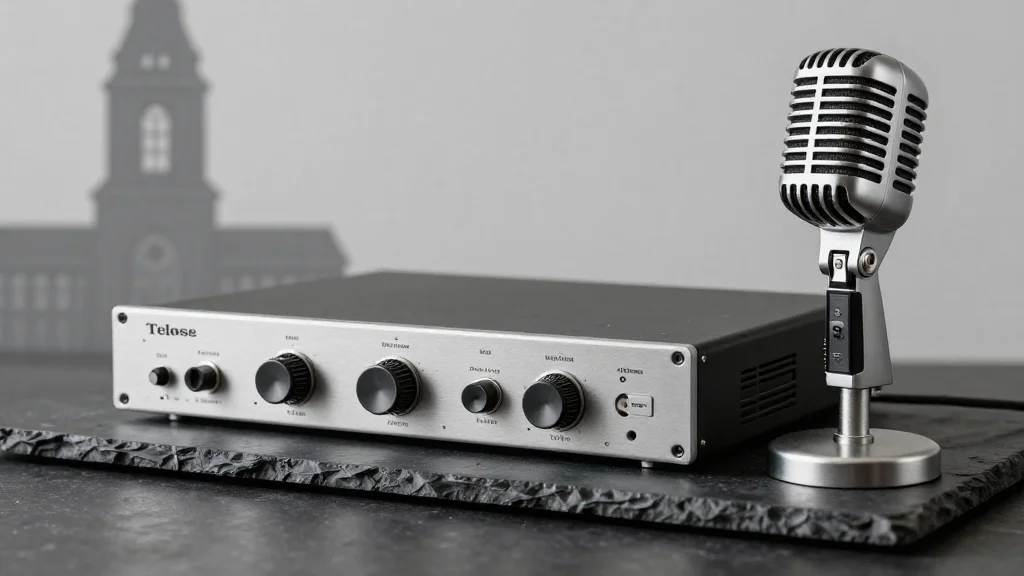
Wright State University’s student‑run station WWSU has been awarded a Telos Alliance Omnia.11 FM+HD audio processor. The award was secured by student engineer and general manager Larkin Smith, who detailed the station’s need for modern processing after its previous equipment...

NAB Thinks It’s Time for AM Boosters
The National Association of Broadcasters (NAB) released a study showing that up to 80% of U.S. AM stations could improve signal quality with single‑frequency boosters. The engineering analysis mapped coverage contours for all 4,355 AM facilities and highlighted stations like...
1965 Zenith N514G: Banged Up, but Still Appealing
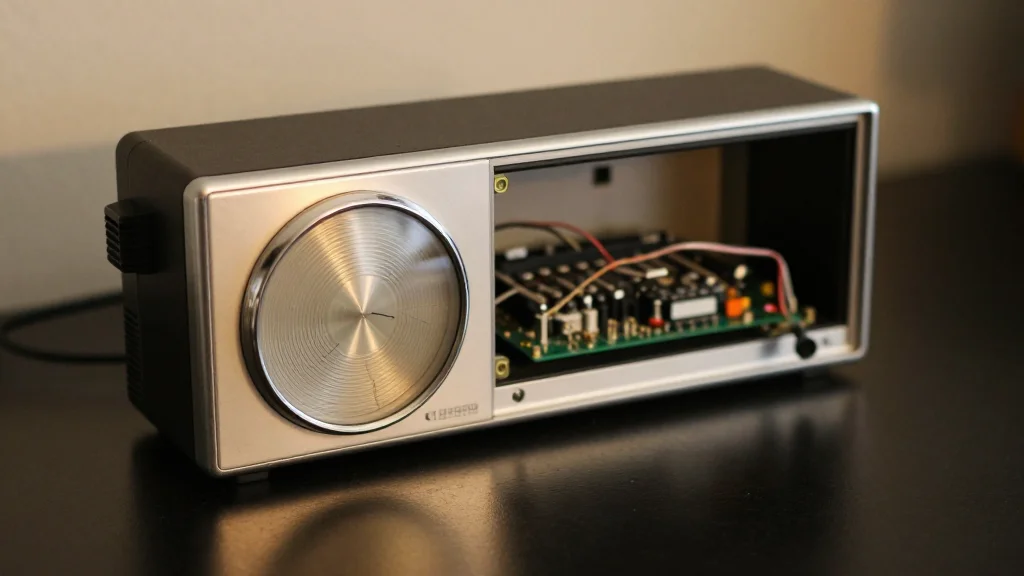
A 1965 Zenith N514G clock radio was rescued from a $5 clearance bin and restored to near‑original condition. The author documented the radio’s cosmetic flaws—peeling silver trim, cracked clock bezel, yellowed knobs—and the cramped interior that required custom wire extensions...
Here Are RW’s “Best of Show” Recipients at NAB Show
Radio World announced the 2026 "Best of Show" winners at the NAB Show, highlighting 23 innovative broadcast products ranging from AI‑driven audio tracking to software‑defined transmitters. The awards, judged by a panel of engineers and editors, recognize companies that paid...
John Tesh Inducted Into NAB Hall of Fame
John Tesh was inducted into the National Association of Broadcasters Hall of Fame as the 2026 radio honoree, sharing the spotlight with actor Rob Lowe, the television inductee. The honor celebrates Tesh’s enduring influence on broadcasting, highlighted by his innovative...
Matheny Discusses ATSC 3.0-based BPS Developments
The National Association of Broadcasters (NAB) has placed Sam Matheny in an executive‑vice‑president role to drive the Broadcast Positioning System (BPS), an ATSC 3.0‑based backup for GPS timing and location. A $744,000 Department of Transportation contract funds field trials with Dominion...
Radio’s Problem Isn’t Relevance, It’s the Balance Sheet
Radio isn’t dying; its biggest challenge is balance‑sheet strain. Companies such as Townsquare Media, Cumulus Media, Audacy and iHeartMedia are letting licenses lapse because debt, bloated overhead, or loss of local relevance make stations unprofitable. The author argues the root...
Nautel Introduces Software‑Based Subscription Plan
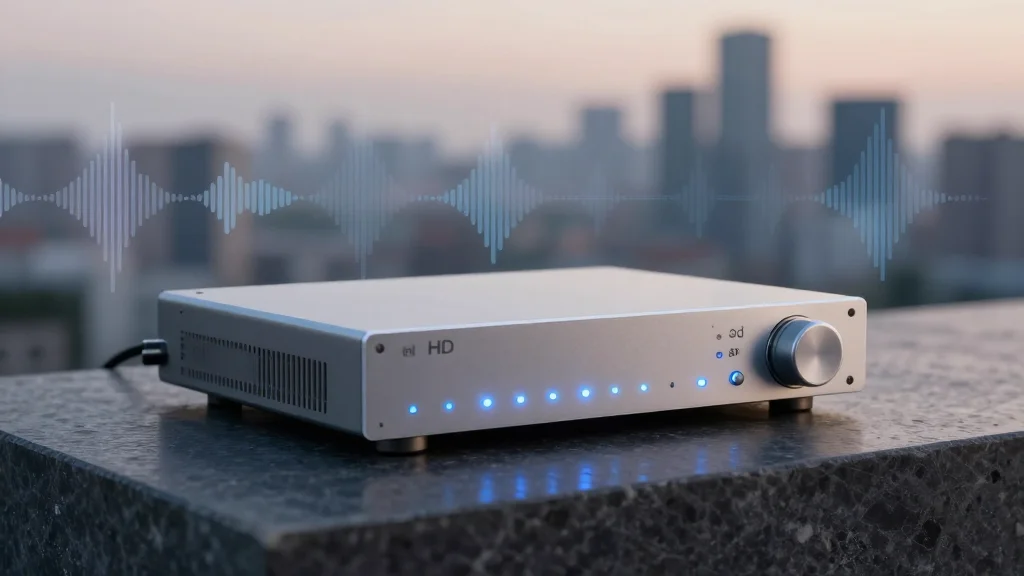
Nautel announced a subscription‑based HD Radio Software‑Based Air Chain, costing $299 per month for U.S. broadcasters using GV2 FM transmitters. The offering bundles audio processing, blend‑lock, HD import/export, exciter functionality, and NautelCare support, removing the need for separate hardware. By...
NCEs Proliferate as Public Radio Navigates Challenges
The United States saw a historic surge in noncommercial educational (NCE) FM stations, reaching 4,755 in 2025—almost double the count two decades ago—driven by an FCC filing window in 2021 that yielded over 800 construction permits. Many of these new...

BE Names Berry as CRO, Promotes Two Others
Broadcast Electronics (BE) has created a chief revenue officer role, appointing long‑time executive Andrew "Andy" Berry to lead all global sales, service and customer‑facing functions. The move follows BE’s acquisition by a U.S. investor group and precedes the company’s product...
Michigan LPFM Ends Decade of Service to Catholic Community
WNOA(LP), a low‑power FM station serving Michigan’s Upper Peninsula Catholic community, shut down on April 6, 2026 after its board voted to cease operations. The station, owned by Claves Regni Ministries and broadcasting EWTN talk programming, had been operating at...
Smart Architecture Saves Time and Expense
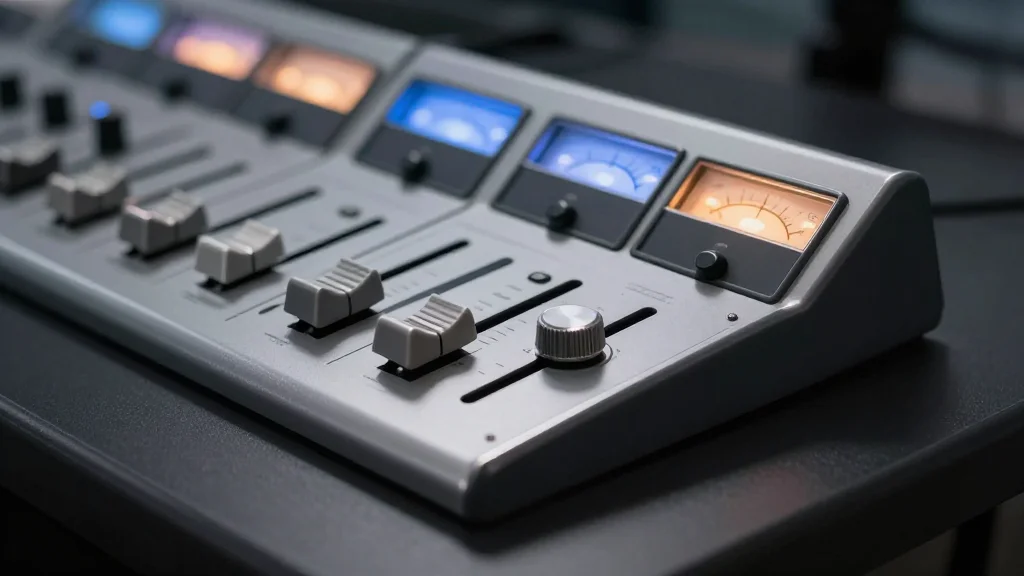
Radio broadcasters in 2026 are consolidating sprawling, mixed‑technology facilities into unified remote‑control architectures to offset shrinking engineering staff. Centralized monitoring platforms, such as Burk Technology’s AutoPilot and Arcadia, aggregate data from legacy transmitters, IP‑based processors and smart edge controllers, delivering...
AEQ to Showcase Forum IP Plus and Systel Max at NAB Show
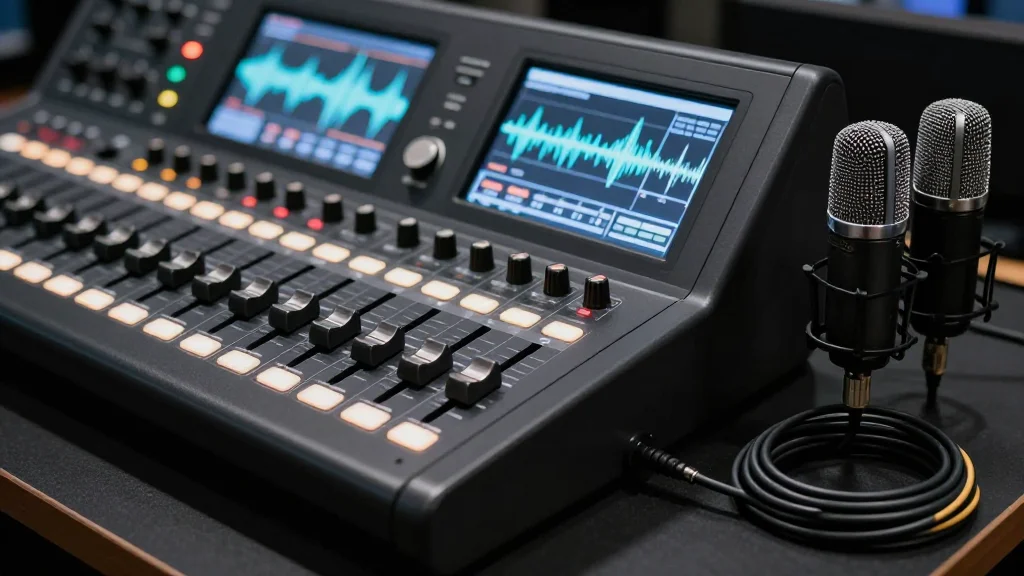
AEQ will debut its new Forum IP Plus AoIP digital console and the Systel Max call‑management system at the NAB Show. Forum IP Plus offers 32 mix buses, 10 N‑1 buses, up to 24 motorized faders and multichannel connectivity via...

305 Broadcast Partners with SCMS to Strengthen LatAm Operations
305 Broadcast announced a strategic alliance with U.S.-based SCMS to boost its service capabilities across Latin America. The partnership lets 305 Broadcast tap into SCMS’s extensive inventory, logistics network, and financial execution while preserving its independent commercial platform. Clients will...

Vinylthon 2026 Set to Spin Up at 230 Stations Worldwide
Vinylthon 2026 will run April 18‑19, with roughly 230 radio stations—from college FM outlets to streaming services—spinning vinyl to raise scholarship funds for aspiring broadcasters. The College Radio Foundation organizes the global fundraiser, encouraging stations to broadcast vinyl‑only programming all weekend....

“Pausing” Radio Stations
Townsquare Media has shut down 103.9 KKAM in Lubbock, Texas, joining a wave of AM and low‑performing FM stations being silenced across the industry. Recent divestitures by Townsquare, Cumulus, Audacy and iHeartMedia include license returns, nominal‑price sales and outright surrender of...
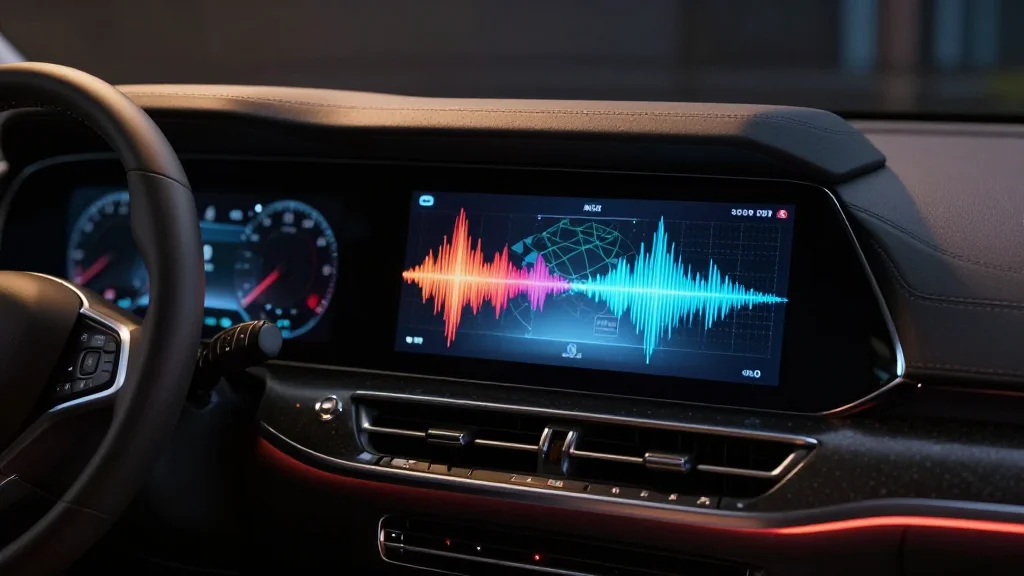
Xperi Launches DTS Autostage Portal Premium Tier
Xperi has introduced a premium tier for its DTS AutoStage Broadcaster Portal, offering stations near‑real‑time, daypart‑level rankings and exportable music charts. The service taps data from roughly 16 million vehicles, generating about 34 million listening hours per month across 302 U.S. markets....
Bullet Points for a Smoother Operation
Small‑market radio stations often falter not because of outdated gear but due to workflow gaps such as undocumented processes and temporary fixes that become permanent. Steve Cannon proposes four operational systems—quarterly automation audits, a single‑path production workflow, monthly engineering walk‑throughs,...

Super Hi-Fi Introduces AI Music Scheduling
Super Hi‑Fi unveiled Neuron, an AI‑powered music‑scheduling engine that leverages neuroscience research to reshape how songs are sequenced for listeners. The platform replaces decades‑old static rule‑sets with dynamic optimization of attention, contrast, novelty and reward, aiming to boost Time Spent...
VCreative Expands Cloud Integrations With RCS and WideOrbit
vCreative announced new integrations that connect its Cloud AutoDub platform directly with WideOrbit Aurora and RCS’s ZettaCloud automation systems. The links enable audio files, metadata and companion assets to flow from production to playout without any on‑premise servers. Broadcasters can...
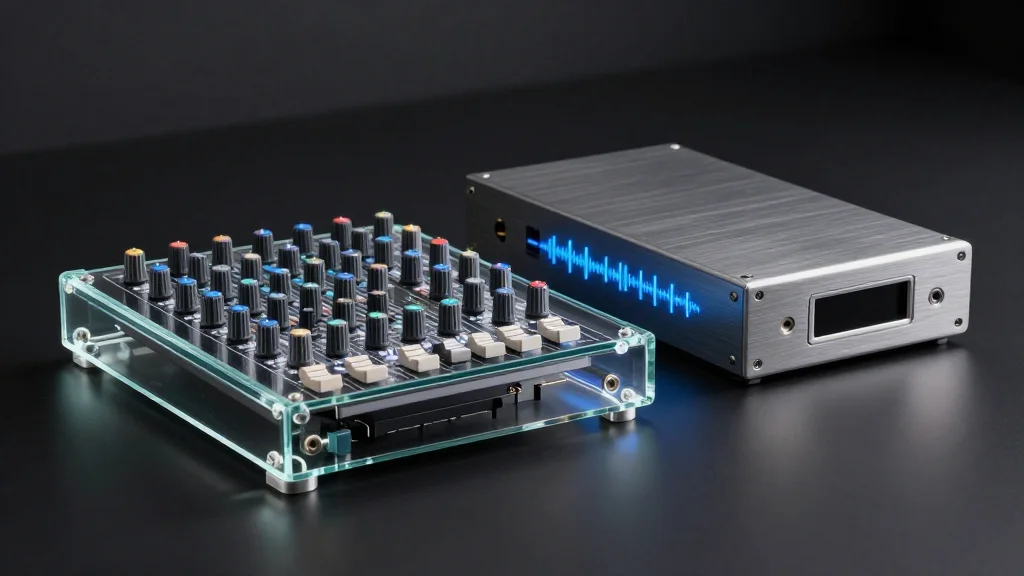
Logitek Features Glide Glass Console
Logitek unveiled Glide, the first fully self‑contained glass console that runs without an external PC, paired with a new 2RU platform called JetFlex. JetFlex serves as a console engine, audio router, and modular AoIP I/O device, supporting Livewire, Dante and...