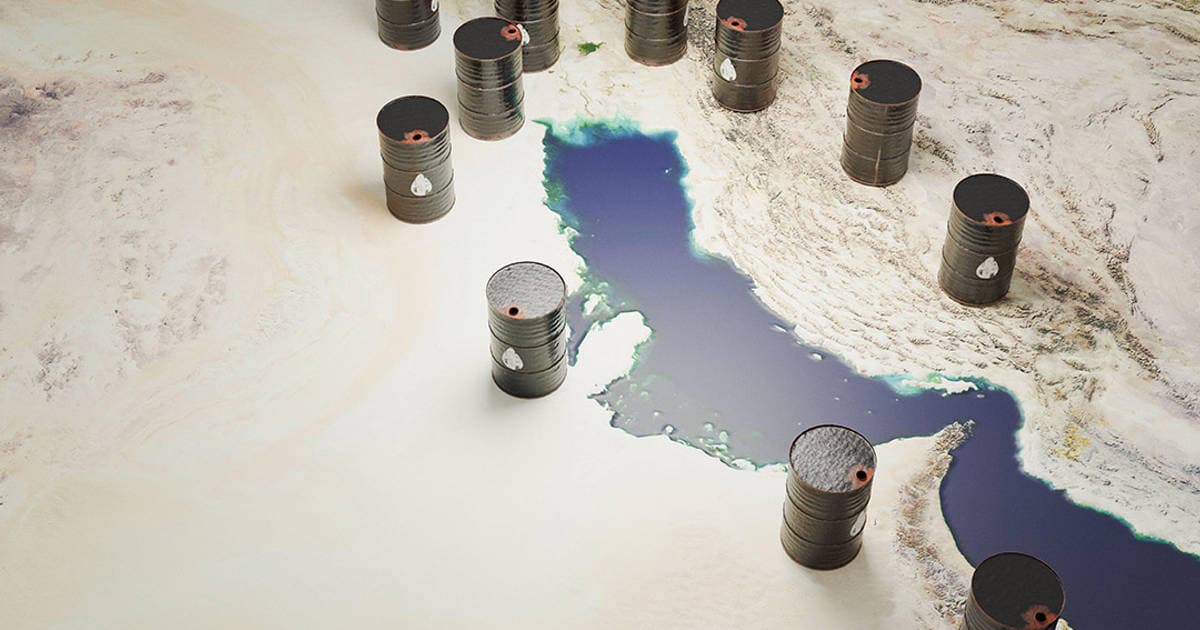
The Gulf War: Hidden Vulnerabilities and Strategic Failures
The Iran‑U.S. conflict in the Gulf has choked the flow of crude, refined products and LNG, creating immediate fuel shortages from Western Australia to South Korea. The disruption exposed a decade‑long rise in strategic vulnerability, with 11 of 13 major economies seeing a 17% increase in dependence on Gulf imports. Critical inputs such as helium for semiconductors and fertilizer supplies also hinge on the region, magnifying the economic shock. Analysts warn that without a shift toward securitized supply chains, future choke‑point weaponisation could repeatedly destabilize global markets.

Cold War Echoes of Great Power Minerals Strategy
China and the United States are accelerating strategies to dominate critical mineral supply chains, echoing Cold War‑era resource competition. Beijing has embedded mineral security in its 14th Five‑Year Plan, introduced licensing rules and consolidated rare‑earth producers under state‑backed groups. Washington...
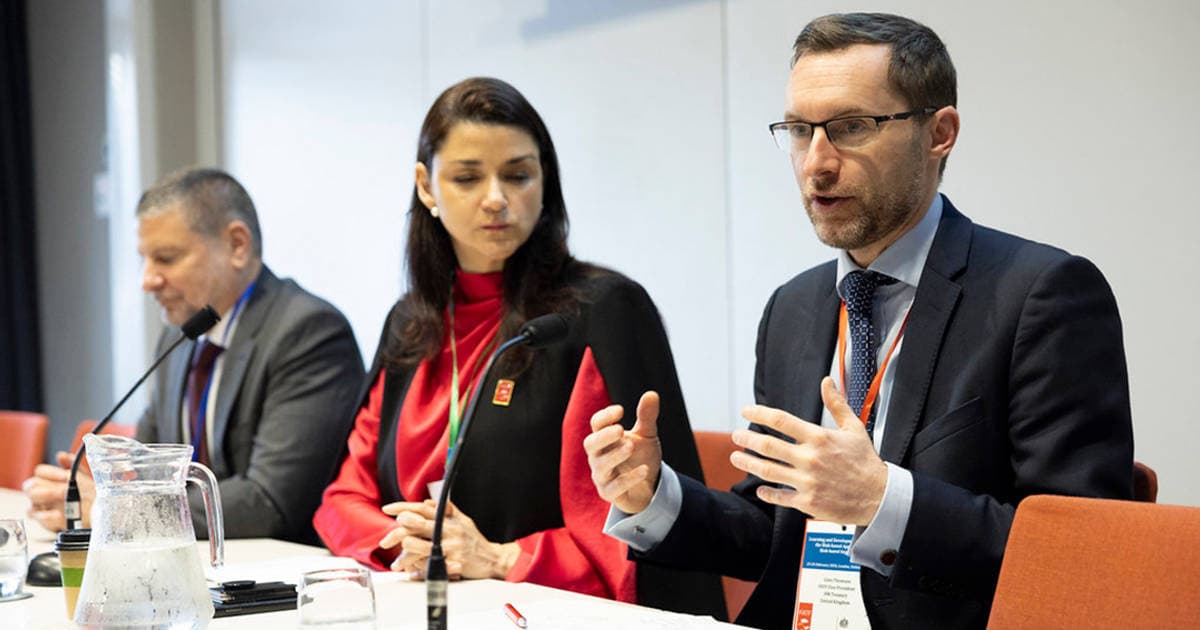
Beyond Integrity: Thinking Twice About Financial Crime Risk
The United Kingdom will host a high‑profile FATF summit and assume the FATF presidency, using the platform to argue for a mandate that prioritises criminal‑activity deterrence over the traditional integrity‑based compliance model. Current UK financial institutions are spending roughly £38.3 billion...

Iran’s Instability and the Gulf’s Indispensability
The ongoing US‑Israel‑Iran conflict pits Iran’s instability‑driven strategy against the Gulf Arab states’ model of economic indispensability. Iran’s proxy network has been crippled by the 12‑Day War and setbacks in Syria, Lebanon and Gaza, limiting its ability to leverage chaos...
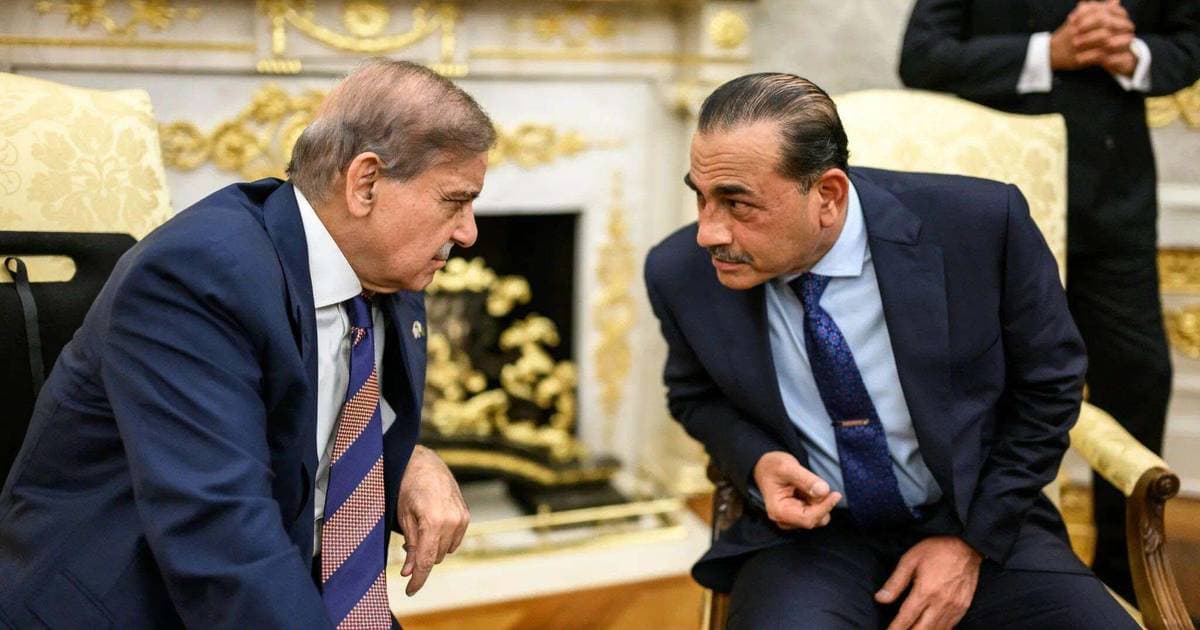
Pakistan. Caught Between President Trump and a Lethal Nuclear Dilemma
Pakistan is juggling a fragile diplomatic tightrope, courting President Trump’s United States while honoring a secretive Saudi‑Pakistan defence pact that could entail nuclear support. After India’s missile strike, the Pakistani army regained domestic popularity, enabling Prime Minister Shehbaz Sharif to...

To Fight Ransomware, Turn to Incident Response Professionals
The UK Home Office is consulting on a ban on ransomware payments for public‑sector bodies and critical national infrastructure, alongside a broader payment‑prevention regime and mandatory incident‑reporting. Critics argue the proposal could leave under‑resourced firms tangled in legal hoops while...

The West’s Ukraine Sanctions Strategy Has Lost Its Way
Western allies initially prepared a sweeping maritime ban on Russian crude, aiming to choke the Kremlin’s oil revenues. The sudden escalation of the Israel‑Iran conflict pushed Brent crude from $65 to roughly $100 per barrel, reviving global energy concerns and...

Europe’s AML Package: A Strong Framework at the Wrong Time?
The EU adopted a sweeping Anti‑Money Laundering Package in May 2024, creating a single AML regulation, a new directive and the Anti‑Money Laundering Authority (AMLA) based in Frankfurt. The framework expands oversight to 40 high‑risk cross‑border institutions and extends the crypto...
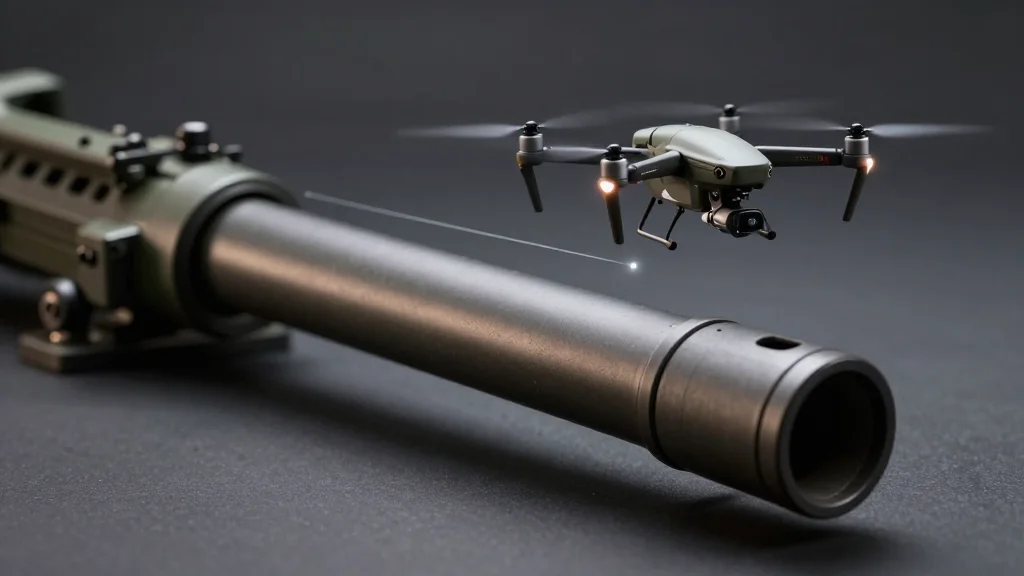
How North Korea Is Modernising Its Defence
North Korea is accelerating a comprehensive defence modernisation driven by combat experience in Ukraine and a deepening technology partnership with Russia. Korean People’s Army units have integrated reconnaissance drones into artillery fire‑control, slashing sensor‑to‑shooter cycles from hours to minutes. Russian...

NATO’s Rutte Is Doing a Tough Job. Europeans Should Help
NATO Secretary General Mark Rutte is meeting President Donald Trump in Washington as the alliance prepares for its July summit in Ankara. Rutte’s behind‑the‑scenes diplomacy aims to blunt Trump’s criticism of NATO, secure continued U.S. arms for Ukraine, and rally...

Corporations Must Re-Learn How to Be Geopolitical Actors
Executives who rose after the Cold War now confront a world where geopolitical instability dominates corporate risk assessments. A McKinsey survey shows 59% of CEOs rank geopolitics as the top threat to growth, eclipsing trade policy, inflation and domestic politics....

Crypto Moratorium Is the Right Starting Point for Political Finance Reform
The UK government has introduced a temporary moratorium on cryptocurrency donations to political parties, acting on the Rycroft Review’s recommendations. The move targets growing concerns that crypto can mask foreign financial interference in UK politics. While critics argue the measure...

Four Alternative End States in Iran – the Only Good One Becomes Unlikely
U.S. and Israeli air strikes have crippled Iran's missile and nuclear sites but failed to achieve a decisive regime change. The Islamic Revolutionary Guard Corps (IRGC) has demonstrated a resilient “mosaic defence” that keeps the state intact, steering the outcome...

UN Norms: Tackling the Rise of Cyber Capabilities
The UN Open‑Ended Working Group (OEWG) wrapped up its 2025 cycle, reaffirming the 2015 GGE’s eleven cyber norms but delivering few fresh agreements. A new permanent Global Mechanism has been created to keep multilateral dialogue on state behaviour in cyberspace...

Who Pays the Price for Managing China-Related Risks in UK Universities?
The UK’s heightened focus on Chinese espionage has pushed universities into the front line of national‑security risk management. MI5’s February 2026 warning to over 70 vice‑chancellors highlighted pressures ranging from self‑censorship to exclusive funding and dual‑use technology transfers. At the...

Over 11,000 Munitions in 16 Days of the Iran War: ‘Command of the Reload’ Governs Endurance
In the first 16 days of the Iran conflict, coalition forces have expended 11,294 advanced munitions, costing roughly $26 billion. The rapid consumption has sharply depleted high‑end interceptors, long‑range strike missiles and sensor‑command assets, leaving critical stockpiles vulnerable. Industrial bottlenecks—particularly in...

The Strait of Hormuz Problem: What ‘Securing’ the Waterway Actually Requires
Iran has effectively shut the Strait of Hormuz by using missile and drone attacks that have slashed commercial traffic by roughly 90%, while still allowing a limited flow of Iranian‑flagged vessels and a few Greek‑linked tankers. The United States has...

The Threat No One Is Talking About in Iran
Iran has covertly integrated an offensive biological weapons programme into civilian research institutes such as the Razi and Pasteur Institutes, recruiting former Soviet bioweapons scientists. Recent U.S. strikes on Iranian nuclear facilities have heightened concerns that damage, abandonment or theft...

Is the UK About to See SOE Reborn? Think Again
In December 2025, new SIS chief Blaise Metreweli invoked the World War II Special Operations Executive (SOE) while outlining a more aggressive, effects‑based posture for the UK’s Secret Intelligence Service. The speech sparked speculation that SIS might revive sabotage‑style operations to...

Lessons From the French Army’s Transformation Towards a Modern ‘Fighting Army’
France’s Army is reshaping into a high‑readiness "Fighting Army" under the €413 billion LPM 2024‑2030 and the SCORPION programme, shifting from counter‑terrorism to peer‑conflict preparation. The reform delivers over 1,100 new vehicle variants, decentralises command to brigade level and targets a two‑brigade...

Who Will Pay the Cost of Freedom in Europe?
The Dutch coalition has introduced a “freedom contribution” tax to help meet its NATO‑mandated defence target of 3.5 % of GDP by 2035, raising the current 2.49 % level. Across Europe, governments are weighing three financing routes—public debt, new taxes, or welfare...

Learning the Wrong Lessons? Counterterrorism Amid a Jihadist Revival
The UN sanctions committee warns that global jihadism has rebounded, with Al‑Qaeda’s core network now estimated at 25,000 members and its affiliates operating across the Sahel, Horn of Africa, and South Asia. Extremist groups are exploiting cheap commercial technology—satellite links,...

Gulf War III Is a Warning About the Effects of a ‘Taiwan Straits War I’
The article warns that the economic shock from the Israel‑U.S. attack on Iran—dubbed Gulf War III—exposes how fragile global trade is when shipping routes are disrupted. It argues that a military move against Taiwan would create a similar, if not larger,...

Iraq's Top Shia Cleric Denounces the War Against Iran, But Implies Moderation
Ali al‑Sistani’s office issued a rare statement condemning the military aggression against Iran. The declaration frames the conflict as a violation of international law, stresses civilian casualties, and urges diplomatic resolution. It also serves as a warning to Iraqi political...

If NATO Cannot Protect Everyone, It Cannot Defend Anyone
The article argues that NATO cannot fulfill Article 5 unless it fully integrates the Women, Peace and Security (WPS) agenda. It uses fictional vignettes to illustrate how gender‑specific vulnerabilities—such as disrupted education, caregiving burdens, and cyber‑defence fatigue—can erode operational effectiveness. The...

The Great Liquidation: Russia’s Great Imperial Retreat
Russia’s prolonged war in Ukraine has drained its economic and military capacity, forcing a rapid retreat from peripheral outposts that once underpinned its global influence. Moscow’s refusal to aid Iran, the withdrawal from Syria’s Qamishli airport, and the erosion of...

The Emerging US Influence Threat to British Democracy
The United States’ 2025 National Security Strategy signals a new soft‑power push, funding MAGA‑aligned think tanks in the UK and Europe while tech oligarchs pour record sums into political campaigns. By the end of 2025, US‑backed donors contributed $429 million to...
Middle Powers Must Win the AI Deployment Race
The article argues that middle powers such as the UK and Canada should abandon the race to build ever‑larger AI models and instead concentrate on a "deployment race"—embedding near‑state‑of‑the‑art AI into industry and defence. It proposes a UK‑Canada Partnership on...
Should Europe Start Talking to Russia?
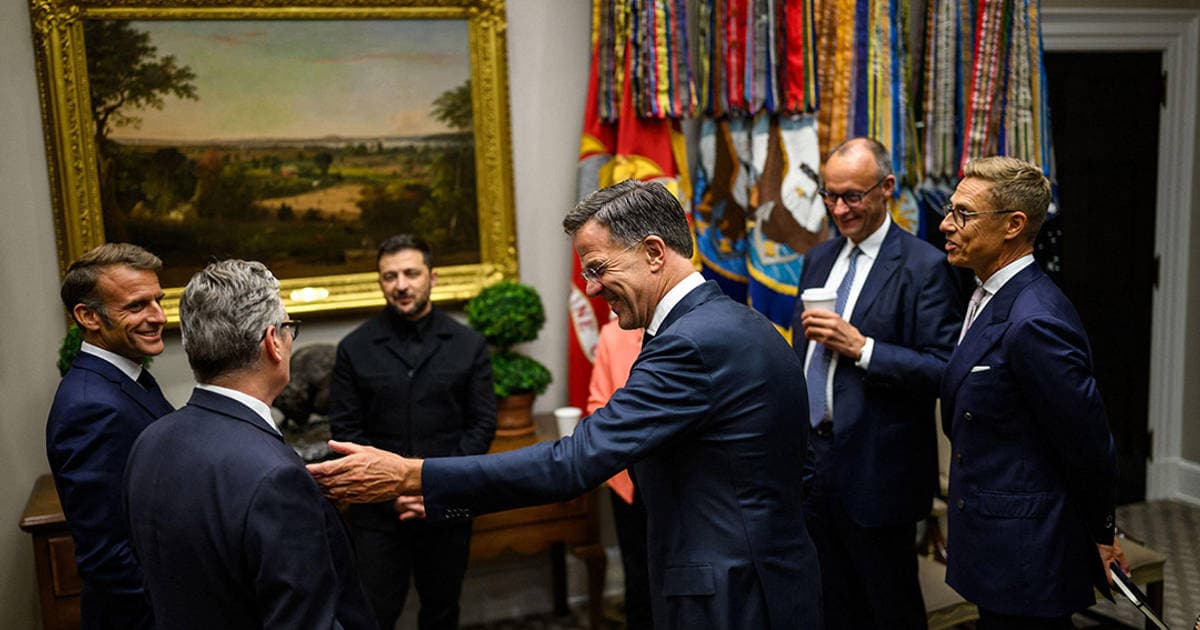
Europe wrestles with whether to engage Russia as the Ukraine war stalls, recognizing that Putin’s aim of reshaping European security leaves little room for a genuine settlement while he remains in power. A cease‑fire that does not protect Ukraine’s sovereignty...

Control, Alt, Influence: The Potential for US Cyber Operations in Iran
U.S. policymakers are weighing offensive cyber operations against Iran if diplomatic talks on the nuclear program collapse, positioning cyber as a central element of joint military action rather than a peripheral tool. Recent Senate testimony and statements from US Cyber...

How Russia Turns Gamers Into Fighters
Russia is actively weaponising video games to recruit foreign fighters and conduct cognitive warfare. Recent Bloomberg reporting details how Russian recruiters used milsim games like Arma 3 and Discord to lure two South African men, who later fought and died in...

Police.AI - New Tech Tools for UK Law Enforcement
The UK Home Office has launched Police.AI, a national centre to centralise AI procurement, policy and deployment across policing agencies. Early rollout includes 40 additional live facial‑recognition vans and a suite of tools such as deep‑fake detection and predictive analytics....

The UK Whole of Society Defence and the Reality of Modern War
The article argues that Britain must move from a whole‑of‑government to a whole‑of‑society defence model, redefining the citizen‑soldier for 21st‑century threats. It highlights the armed forces’ high public trust but notes a widening civil‑military gap, with only about 7% of...
New START Expiry: Implications for Europe
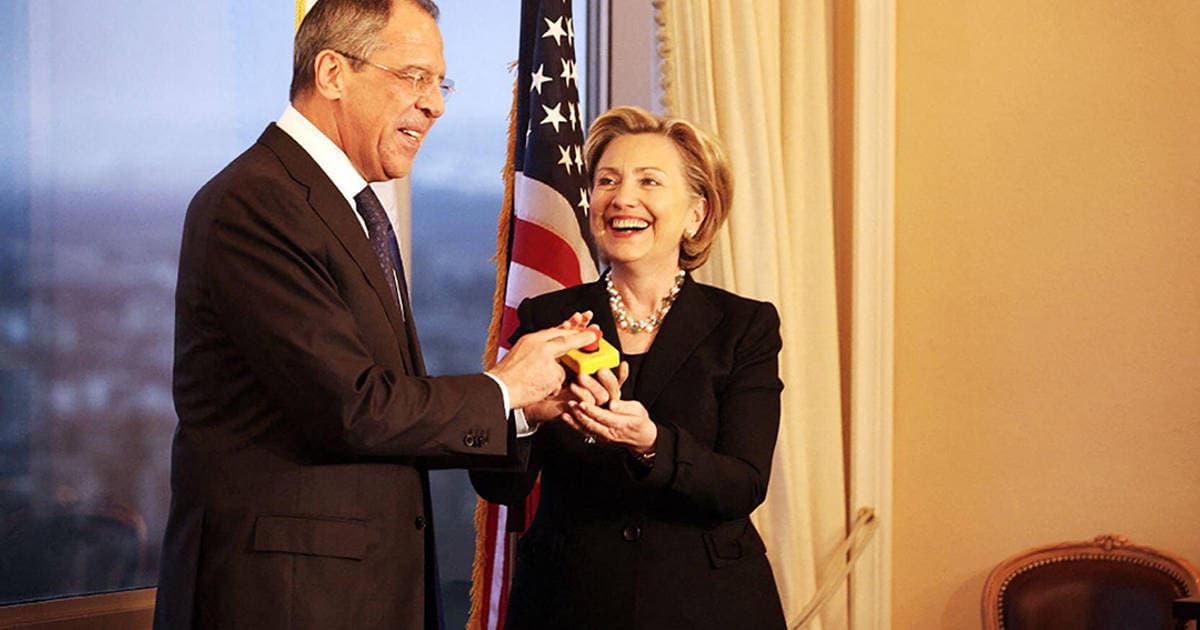
On 5 February 2026 the New START treaty – the last formal US‑Russia strategic arms‑control pact – expired, ending quantitative limits on deployed strategic warheads and launchers. While a tentative “handshake” deal may keep the limits informally in place, the treaty’s collapse...
The Cost of UK Gas Security
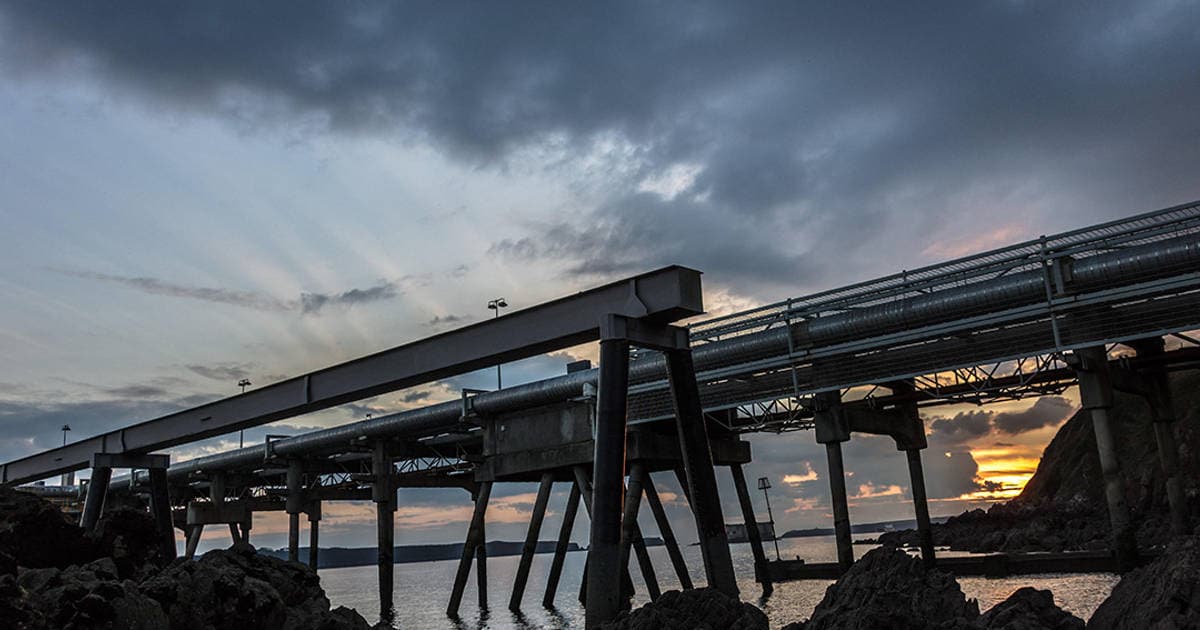
The Department for Energy Security and Net Zero’s consultation highlights the UK’s growing reliance on imported LNG as North Sea production declines, requiring costly new compressors to reverse gas flow. Rare‑scenario modelling shows a potential £1 billion‑per‑day economic hit if the...

Tech Dependencies Undermine UK National Security
The UK’s push to curb illegal deep‑fake content on X exposed a broader vulnerability: dependence on US‑based platforms for national‑security enforcement. Recent clashes with Elon Musk and a fine against Cloudflare illustrate how American firms can resist or complicate European...

Police Reform at a Glance: Centralisation and a ‘British FBI’?
Home Secretary Yvette Mahmood unveiled the most extensive police reform in eight decades, proposing a National Police Service (NPS) dubbed the "British FBI" to centralise organised‑crime investigations. The plan aims to boost performance, cut costs and ease jurisdictional friction amid...

Helicopters Remain a Vital Part of the Joint-Force
Helicopters remain essential to modern joint‑force operations despite recent high‑profile losses. Russian air‑assault failures at Hostomel exposed coordination, intelligence, and air‑defence challenges, while the U.S. operation in Venezuela demonstrated precise, integrated helicopter insertions enabled by extensive SEAD, cyber, and space...
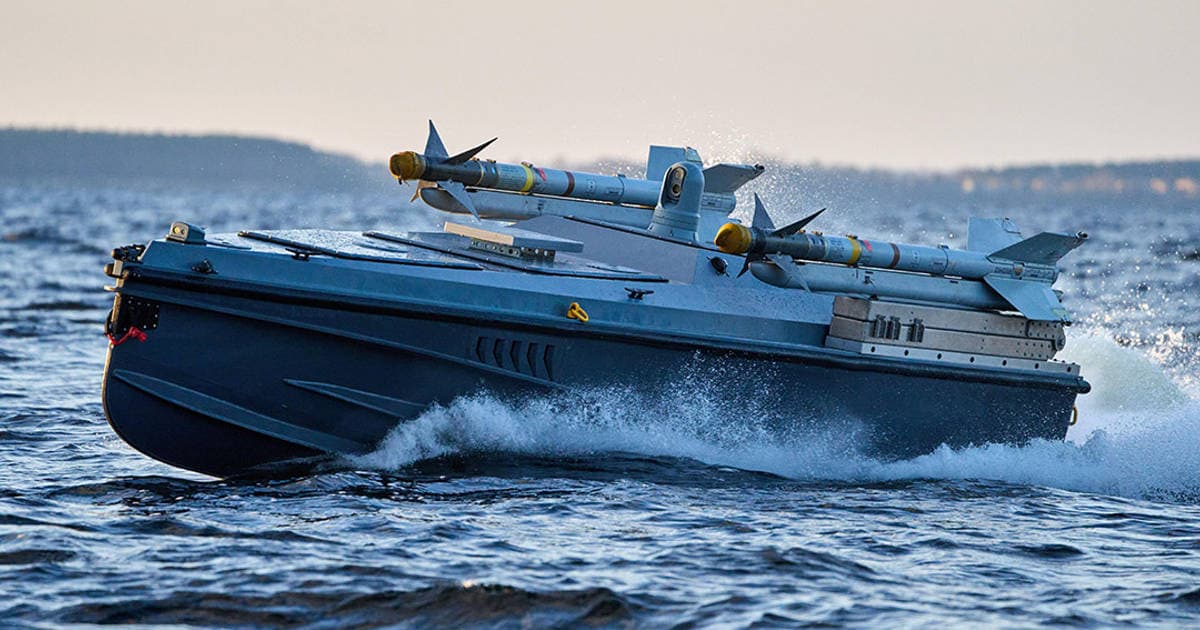
Ukraine’s ‘Kinetic Sanctions’ Change the Game
Ukraine has launched a series of "kinetic sanctions" targeting Russia's shadow‑fleet oil tankers, using maritime drones and alleged limpet mines. Since November, at least eleven tankers – eight carrying crude – have been damaged, driving Black Sea insurance rates up...
Why Economic Pain Won’t Stop Russia’s War
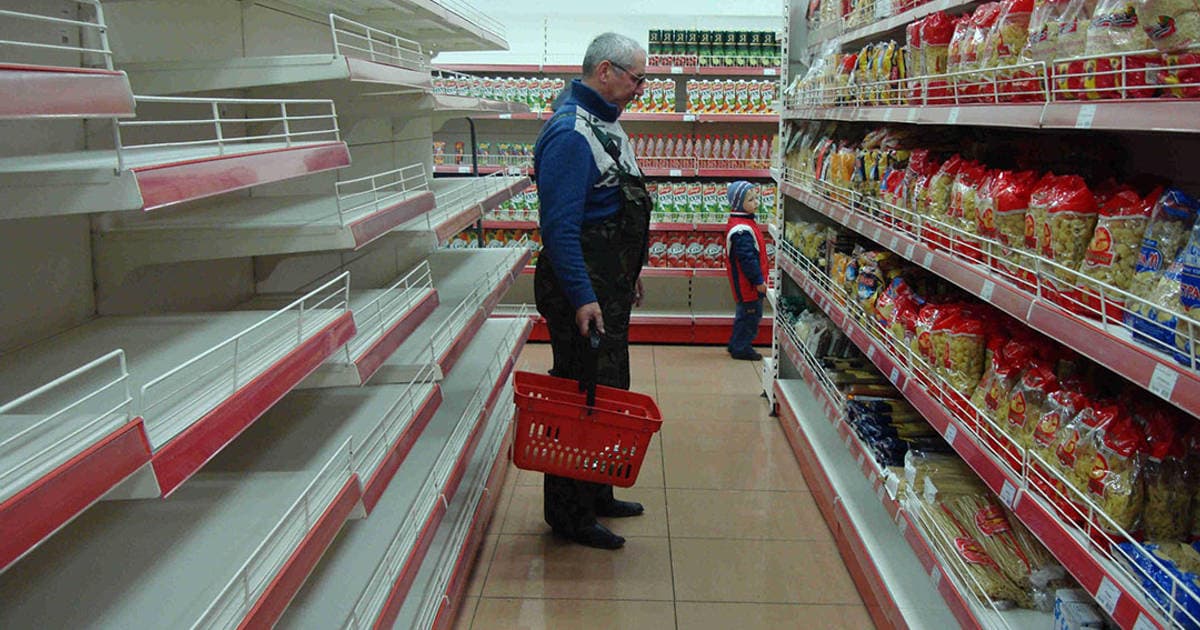
Sanctions and economic pressure have strained Russia’s economy, but the war persists. The article argues that historical cases show economic pain rarely forces a state to abandon a large‑scale conflict unless it triggers military defeat, elite fragmentation, or regime collapse....

Old Ships, Modern Menace: How to Tackle the World’s Shadow Fleets
Shadow fleets—aging, flag‑hopping tankers that spoof AIS—now move roughly 12% of global maritime trade and account for at least 48% of the world’s large oil tankers. The United States seized a seventh covert tanker in January 2026, while France and...

What Are China’s New Wolf Warriors Really Fighting For?
China’s “wolf‑warrior” diplomats have re‑emerged as a visible front of aggressive foreign policy, but their rhetoric is driven largely by internal CCP pressures rather than pure external strategy. Recent investigations of senior Central Military Commission members and the removal of...

Drugs Trafficking in Venezuela Is an Ocean Away From the Capture of Maduro
The article argues that the capture of Nicolás Maduro will have little effect on Venezuela’s role as a major cocaine transit hub. About 250 metric tons of cocaine—roughly 10 % of global output—pass through the country each year, facilitated by criminal groups...

The UK and Trump’s National Security Strategy
The Trump administration’s new National Security Strategy pivots toward a narrow, "America First" agenda, emphasizing national‑interest priorities, Western Hemisphere dominance, great‑power stability, an aggressive Indo‑Pacific posture, and economic revitalisation. It downplays global leadership in Europe, relegating the U.S. role to...