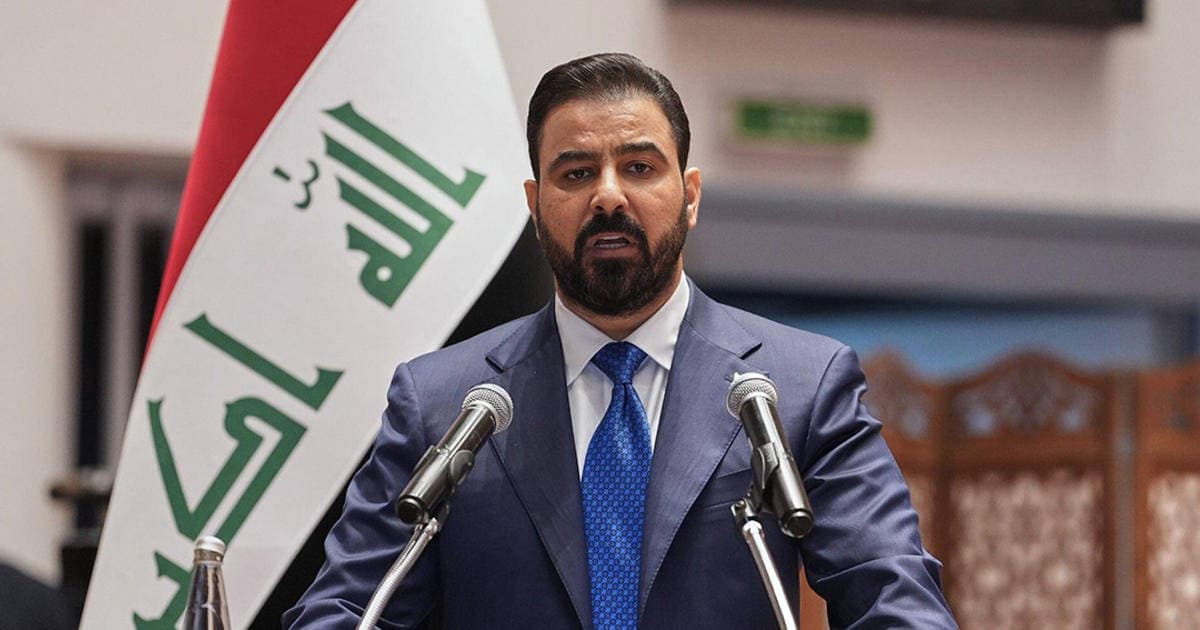
Turkey’s Iraq Gambit Amid the Strait of Hormuz Crisis
Turkey is using Iraq’s fiscal and security turmoil, heightened by the Strait of Hormuz crisis and Iran‑U.S. conflict, to deepen a multi‑layered partnership with Baghdad. Ankara has invited new Iraqi prime minister Ali Faleh al‑Zaidi to Ankara, pledged ground‑to‑air defence sales, and is pushing the Development Road corridor that links Turkish ports to Iraqi markets. The strategy intertwines security cooperation against the PKK and Iran‑backed militias with trade, energy exports via the Ceyhan pipeline, and broader regional connectivity. Success would boost Turkey’s export‑driven economy ahead of the 2028 elections while reshaping Iraq’s alignment between Tehran and Washington.

Missing Intelligence: The Trump Administration, Iran and the US Intelligence Community
The Trump administration launched Operation Epic Fury, a decapitation strike that killed Iran’s Supreme Leader Ayatollah Ali Khamenei and around 40 senior officials, relying on CIA‑provided high‑fidelity targeting data. Despite the tactical success, senior intelligence officials warned that regime‑change was...

Cui Bono? Tackling Russian Illicit Finance
The Royal United Services Institute paper argues that while Western sanctions and anti‑money‑laundering measures against Russian illicit finance are morally justified, their strategic impact on Russia is ambiguous. It notes that Russia’s offshore wealth—estimated at $1 trillion—has been a source of...
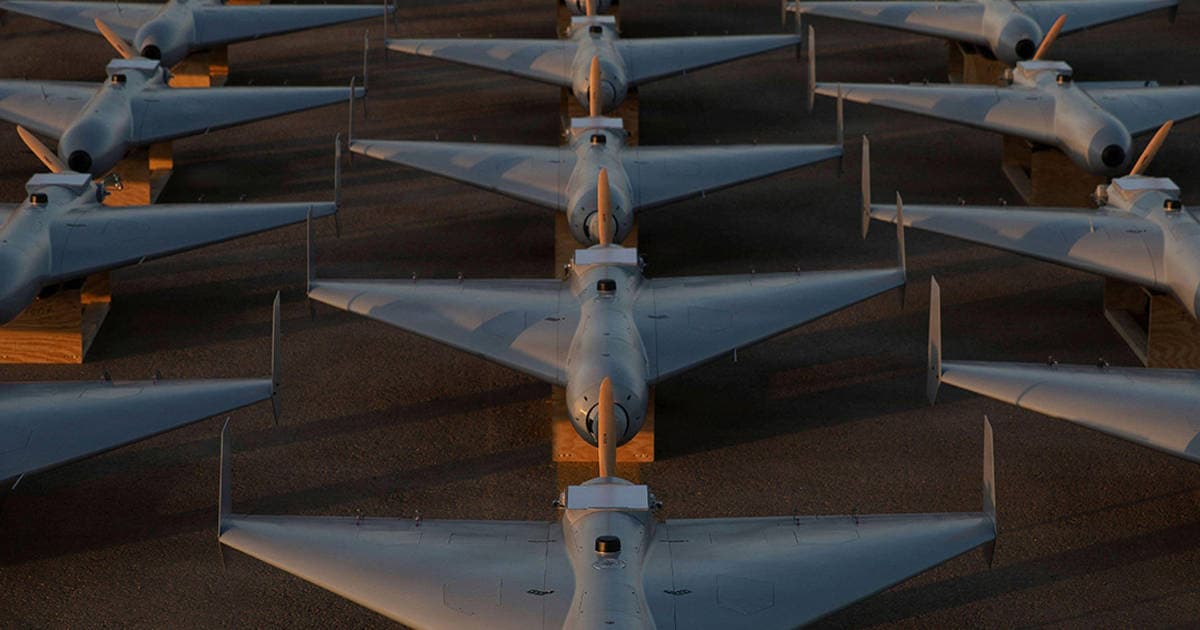
Clear Warning: The Iran War and the Loitering Munitions Threat
The 2026 Iran‑Israel‑US war is the first major interstate conflict where both sides relied heavily on loitering munitions, exposing a critical gap in allied air‑defence capabilities. Shahed‑136 and other one‑way attack drones accounted for the most visible strikes, while traditional...
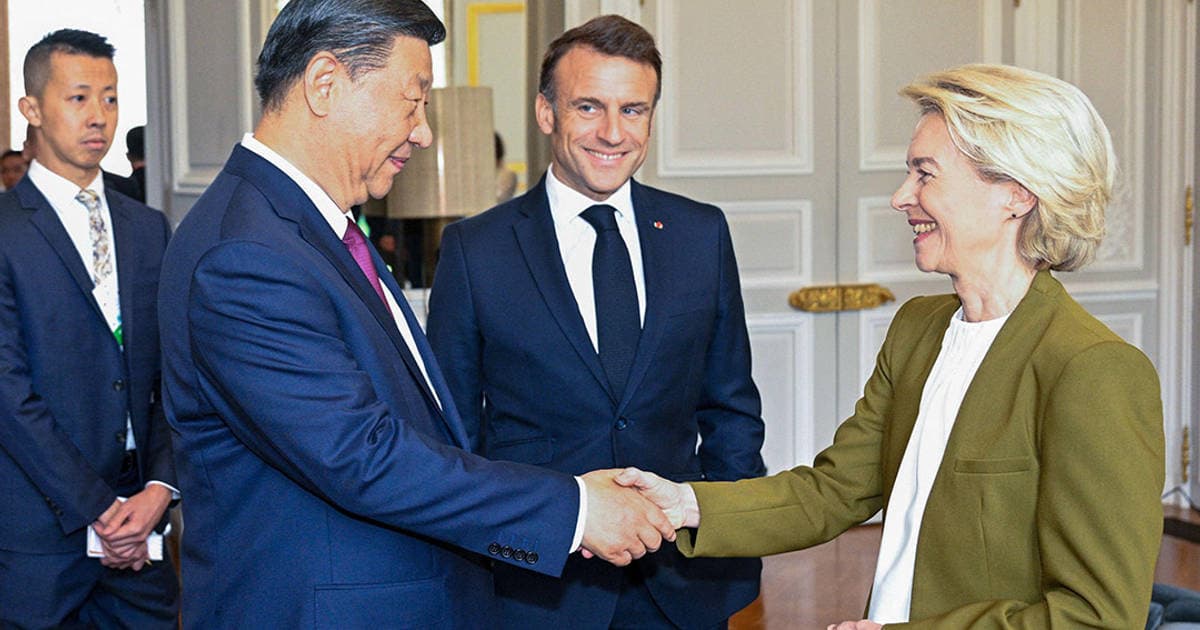
No Matter How Bizarre It May Sound Europe May Cooperate with China Against Russia
A guest commentary argues that Europe should explore limited cooperation with China to undermine Russia’s war ambitions. It identifies three convergence points: deterring a Russia‑NATO conflict, exploiting China’s role in Russia’s de‑industrialisation, and leveraging NATO’s existence, which aligns with Beijing’s...

Getting the Financial Action Task Force’s Travel Rule Right: Delivering on Guidance
The Financial Action Task Force (FATF) is finalising guidance for its revised Recommendation 16, the “Travel Rule,” which will require detailed originator and beneficiary data for cross‑border payments above roughly $1,000. The revisions introduce a de‑minimis threshold, mandate the use of...
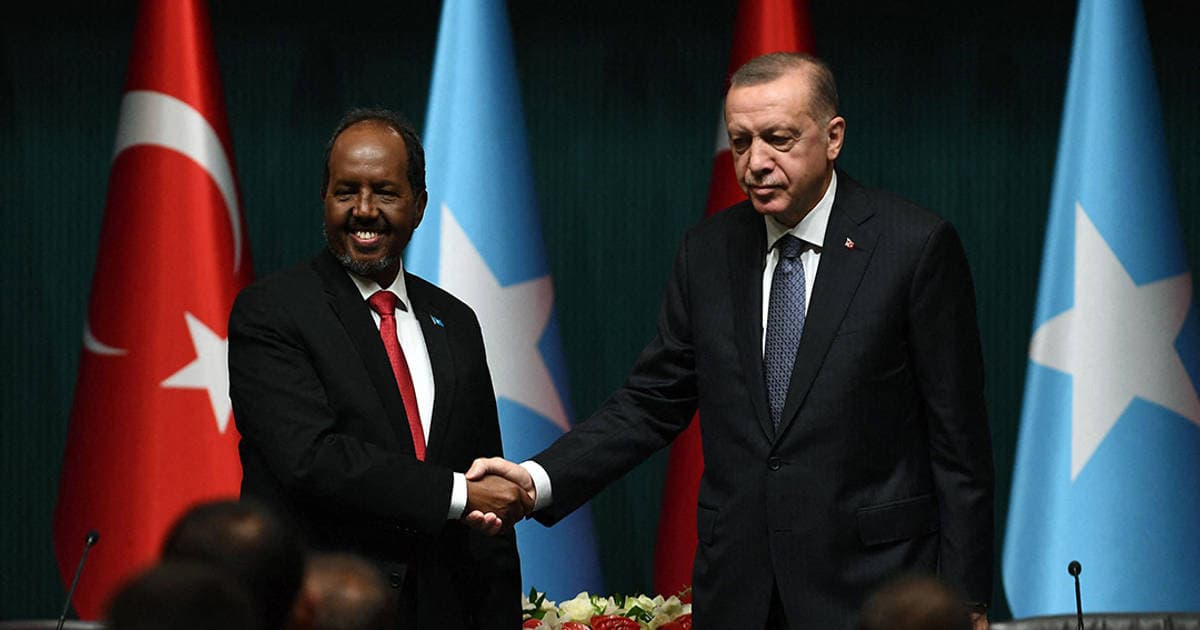
The New Scramble: Turkey, Somalia and the Battle for the Red Sea
Turkey has deepened its partnership with Somalia, moving from humanitarian aid and soft‑power projects to a high‑stakes oil agreement and expanded military presence. In early 2024 Ankara signed a deal that lets Turkish state oil firms recover up to 90%...

AI-Enabled Vulnerability Discovery Is Reshaping National Cyber Defence
Anthropic’s Claude Mythos LLM demonstrated strong vulnerability‑discovery ability, flagging 271 flaws in Firefox during preview testing. AI‑enabled tools now automate key steps of zero‑day exploit development, dramatically reducing time and cost compared with traditional manual methods. The UK warns that...

The US Blockade of Hormuz: Who Holds the Advantage?
The United States entered its third week of a naval blockade in the Strait of Hormuz, forcing 38 Iranian‑linked vessels to divert and boarding several ships in the Indian Ocean. Iran has responded by reviving a selective‑closure policy and moving...
The Iran-Israel War Presents a Problem for Russia’s Military Supply Chains
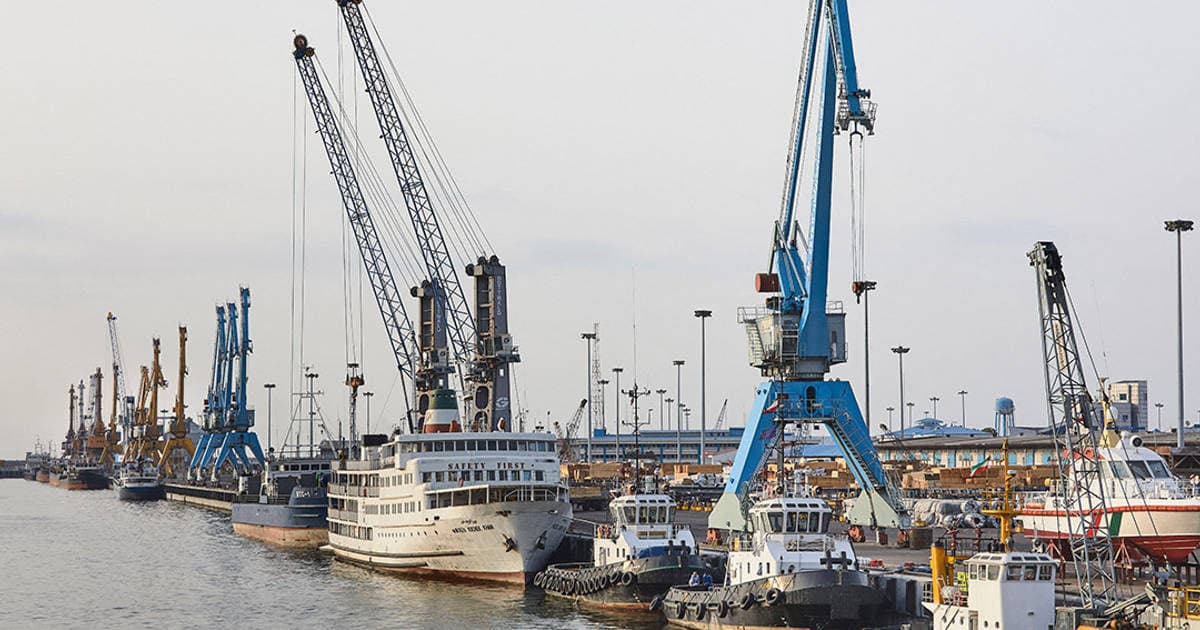
An Israeli Air Force strike in March 2026 hit the Russia‑Iran trade hub on the Caspian Sea, exposing a critical weakness in Moscow’s long‑distance logistics. The route is a cornerstone of the International North‑South Transport Corridor (INSTC), a project Russia...

Defence AI Beyond the Headlines
The US military leveraged AI‑enabled tools, including Palantir’s Maven system and Anthropic’s Claude, to strike over 1,000 targets in the first 24 hours of the Iran conflict, a tempo far beyond human capability. While AI accelerated data fusion, object classification...

Beyond Disruption: The Hidden Economics of Houthi Attacks
Since late 2023 Houthi attacks in the Bab al‑Mandeb have not halted global shipping but have dramatically increased costs. More than 60% of container vessels were rerouted around the Cape of Good Hope, forcing insurers to raise war‑risk premiums from...

Escrow and Russian Oil Super-Profits: Revisiting an Old Sanctions Tool
Russia is raking in super‑profits as oil prices hover around $100 per barrel, far above the $44.10 price‑cap intended to curb its war financing. Recent designations of Lukoil and Rosneft have done little to stop Moscow’s earnings, and European attempts...
Is the Shadow Fleet Rallying ‘Round the Russian Flag?
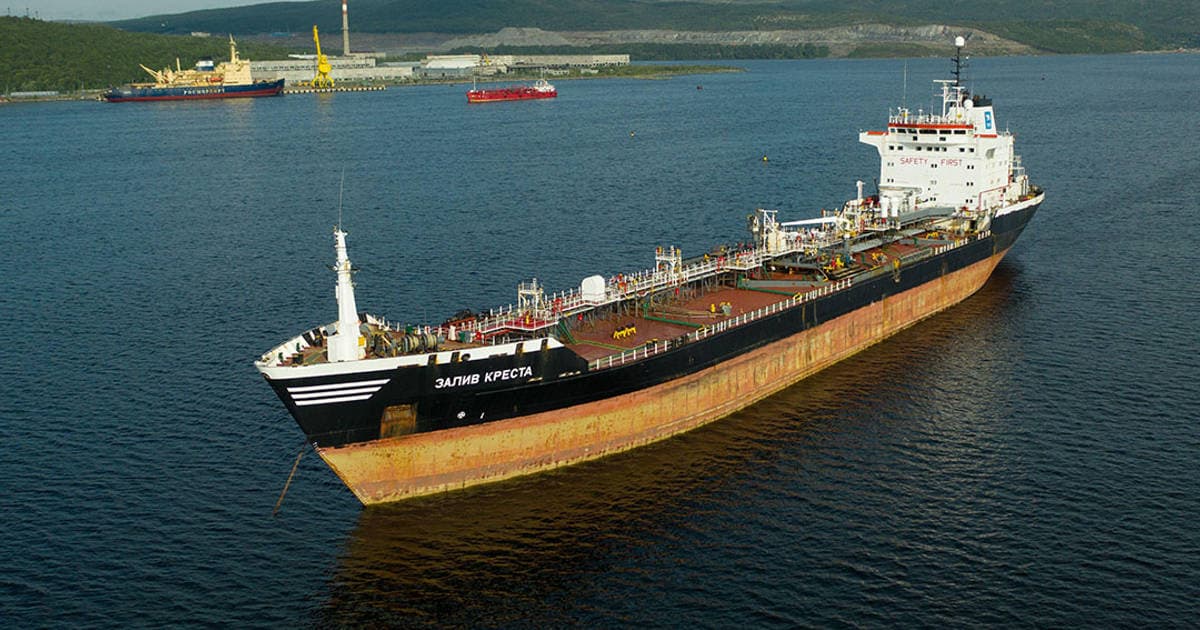
Russia’s shadow fleet, responsible for moving roughly 70% of its seaborne crude and generating about $85 bn a year, remains a critical revenue source amid Western sanctions. After intense U.S. and EU boardings, a notable portion of the fleet re‑registered under...

Back to Square One: The EU's Endless Energy Dependency Trap
Iran’s de‑facto closure of the Strait of Hormuz has halted roughly 20% of global oil and LNG shipments, sending European gas prices up more than a third within days. While strategic oil reserves soften immediate supply shocks, the natural‑gas market...