ScienceDaily Robotics
Science news aggregator providing the latest research updates in robotics
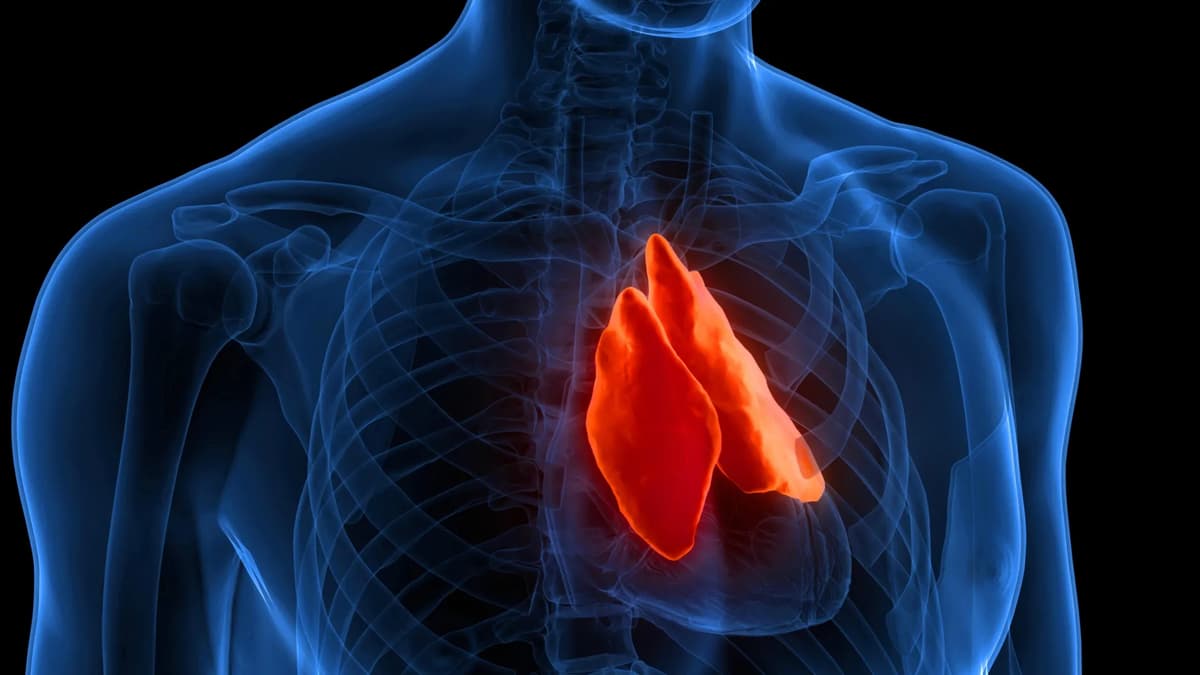
The Forgotten Organ that Could Predict How Long You Live
Researchers at Mass General Brigham used AI to analyze CT scans of more than 27,500 adults and found that a healthier thymus—a small organ traditionally thought to shrink out of relevance after puberty—correlates with markedly lower mortality and disease risk. Adults with higher thymic‑health scores faced roughly 50% lower all‑cause death, 63% lower cardiovascular death, and 36% lower lung‑cancer incidence. A separate analysis of 1,200 cancer patients showed that better thymic health predicted a 37% reduction in disease progression and a 44% drop in death when treated with immunotherapy. The studies suggest the thymus may be a missing piece in aging and cancer‑treatment outcomes.

AI Scans 400,000 Reddit Posts and Finds Hidden Ozempic Side Effects
University of Pennsylvania researchers used large language models to analyze more than 400,000 Reddit posts from roughly 70,000 users discussing GLP‑1 drugs such as semaglutide and tirzepatide. The AI identified known side effects and highlighted under‑reported symptoms, including menstrual irregularities,...
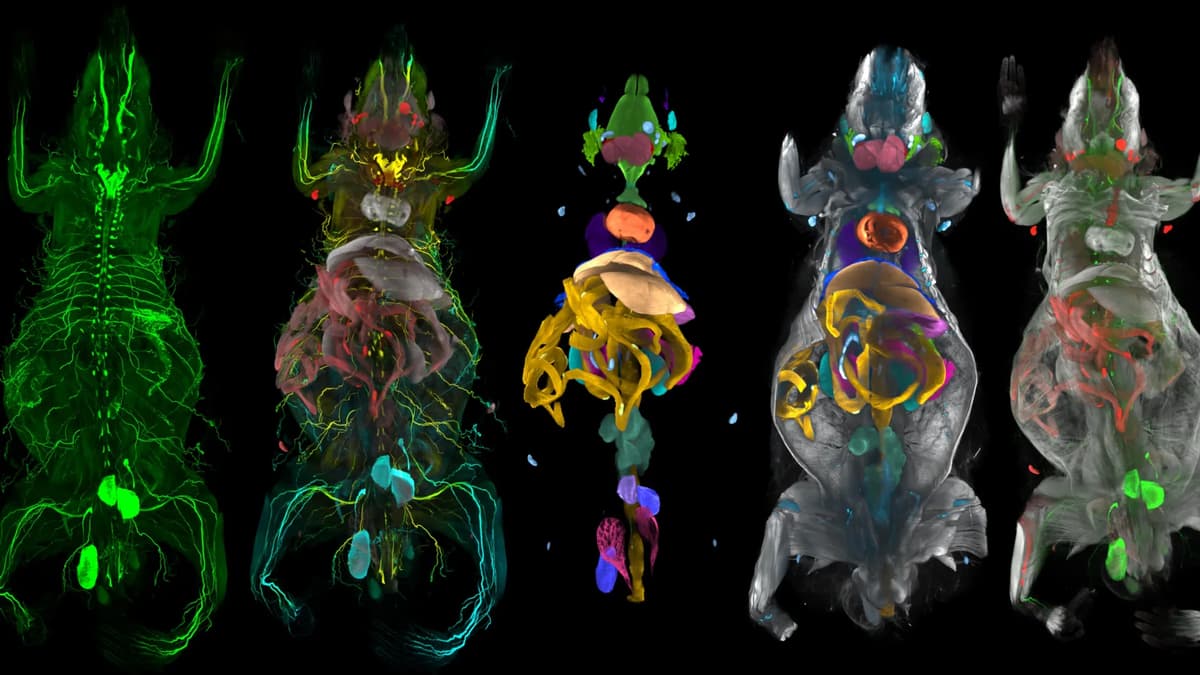
New AI Body Map Reveals Obesity’s Hidden Attack on Facial Nerves
Researchers at Helmholtz Munich and LMU unveiled MouseMapper, an AI platform that creates cellular‑level whole‑body maps of mice, automatically segmenting 31 organs, nerves, and immune cells. Applying the system to obese mice revealed widespread inflammation and, notably, a loss of...
New AI Method Tackles One of Science’s Hardest Math Problems
Researchers at the University of Pennsylvania unveiled "Mollifier Layers," a new AI component that smooths input data before differentiation, dramatically improving the stability of inverse partial differential equation (PDE) solutions. By addressing the mathematical bottleneck rather than adding compute, the...

Scientists Built a Memory Chip that Breaks the Rules of Miniaturization
Scientists at the Institute of Science Tokyo have created a 25‑nanometer ferroelectric tunnel junction memory cell using hafnium oxide, a material that retains polarization at atomic thicknesses. By heating the electrodes to form a semicircular, near‑single‑crystal structure, they eliminated leakage...
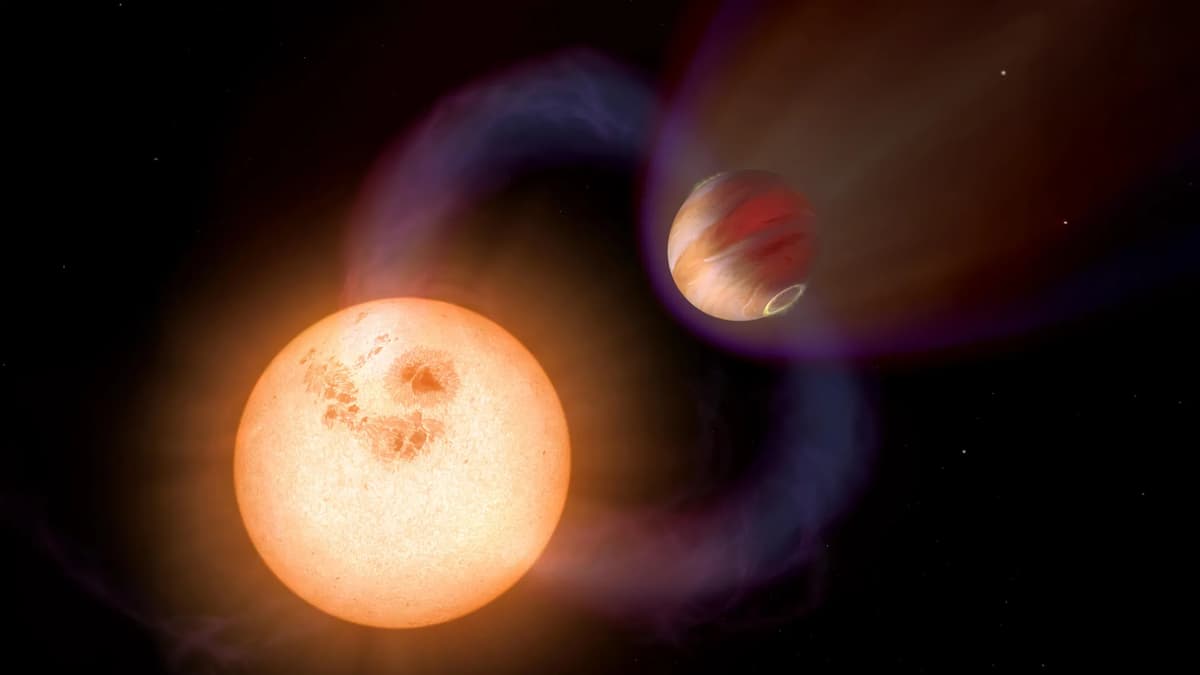
Powerful AI Finds 100+ Hidden Planets in NASA Data Including Rare and Extreme Worlds
Astronomers at the University of Warwick used the AI pipeline RAVEN to confirm over 100 exoplanets, including 31 newly identified worlds, from TESS data covering 2.2 million stars. The system validated 118 new planets and flagged roughly 2,000 high‑quality candidates, focusing...

AI Identifies Early Risk Patterns for Skin Cancer
Swedish researchers used nationwide registry data from over 6 million adults to train AI models that predict melanoma risk. The most advanced model reached 73% accuracy, far above the 64% baseline of age‑sex only methods, and identified sub‑populations with a 33%...

This Simple Change Stops Robot Swarms From Getting Stuck
Researchers at Harvard SEAS discovered that injecting a modest amount of randomness into robot swarm movement dramatically reduces congestion and boosts task completion rates. By combining mathematical models, computer simulations, and real‑world robot experiments, they identified a “Goldilocks zone” of...

AI Breakthrough Cuts Energy Use by 100x While Boosting Accuracy
Artificial intelligence consumed roughly 415 terawatt‑hours of electricity in 2024—over 10% of U.S. power generation—and demand is set to double by 2030. Researchers at the University of Wisconsin‑Madison unveiled a neuro‑symbolic visual‑language‑action (VLA) system that slashes energy use by up to...

Truckloads of Food Are Being Wasted because Computers Won’t Approve Them
Digital approval systems now govern every food shipment, and when they malfunction, trucks loaded with produce sit idle, leading to waste. Recent cyber‑attacks on U.S. grocery networks and the 2021 JBS ransomware incident illustrate how a broken digital manifest can...

Deepfake X-Rays Are so Real Even Doctors Can’t Tell the Difference
A study published in Radiology reveals that both radiologists and leading multimodal large language models struggle to differentiate AI‑generated deepfake X‑rays from authentic scans. When unaware of synthetic images, radiologists detected only 41% of fakes; awareness boosted accuracy to 75%....

AI-Powered Robot Learns How to Harvest Tomatoes More Efficiently
Osaka Metropolitan University researchers unveiled an AI‑driven robot that evaluates the “harvest‑ease” of each tomato before attempting to pick it. The system blends image recognition with statistical analysis to select optimal picking angles, achieving an 81% success rate in field...

Study Finds ChatGPT Gets Science Wrong More Often than You Think
Washington State University researchers tested ChatGPT on 719 business‑journal hypotheses, finding it answered correctly 76.5% in 2024 and 80% in 2025. After adjusting for chance, the model was only about 60% better than random guessing and struggled especially with false...

Scientists Discover AI Can Make Humans More Creative
Swansea University researchers found that AI can act as a creative collaborator, not just an efficiency tool. In a study of over 800 participants designing virtual cars, an AI system using MAP‑Elites generated diverse galleries of designs, including intentionally flawed...

Scientists Built the Hardest AI Test Ever and the Results Are Surprising
Researchers from Texas A&M and nearly 1,000 global experts created Humanity’s Last Exam, a 2,500‑question benchmark designed to be unsolvable by current AI models. The test spans mathematics, humanities, natural sciences, ancient languages and other specialist domains, with any question...