
MSC Confirms Strike on MSC Sariska V, Condemns Unprovoked Attacks
MSC confirmed its container ship MSC Sariska V was struck by two projectiles while departing Um‑Qasr port in Iraq. The Islamic Revolutionary Guard Corps (IRGC) claimed the attack was retaliation for a U.S. strike on the Gambia‑flagged Lian Star, labeling MSC as an "American‑Zionist enemy." MSC said all crew members were safe, condemned the unprovoked assault, and emphasized its neutral commercial status. The incident adds to a pattern of Iranian attacks on vessels in the Gulf since the Iran‑U.S. conflict began in February.

IMO Sec-Gen Asks How Greek Shipowners Plan to Invest in Seafarers
IMO Secretary‑General Arsenio Domínguez used his Posidonia interview to press Greek shipowners—who operate roughly one‑fifth of the world’s merchant fleet—to invest directly in seafarer welfare. He highlighted the plight of about 20,000 crew members stranded in the Gulf and called for...

Dali Civil Trial in Baltimore Bridge Disaster Delayed
The U.S. District Court has postponed the civil trial over the Dali bridge collision that was slated for June 1. Both the city of Baltimore, the county and longshoremen’s groups sought a stay, and the judge granted it after a recent...
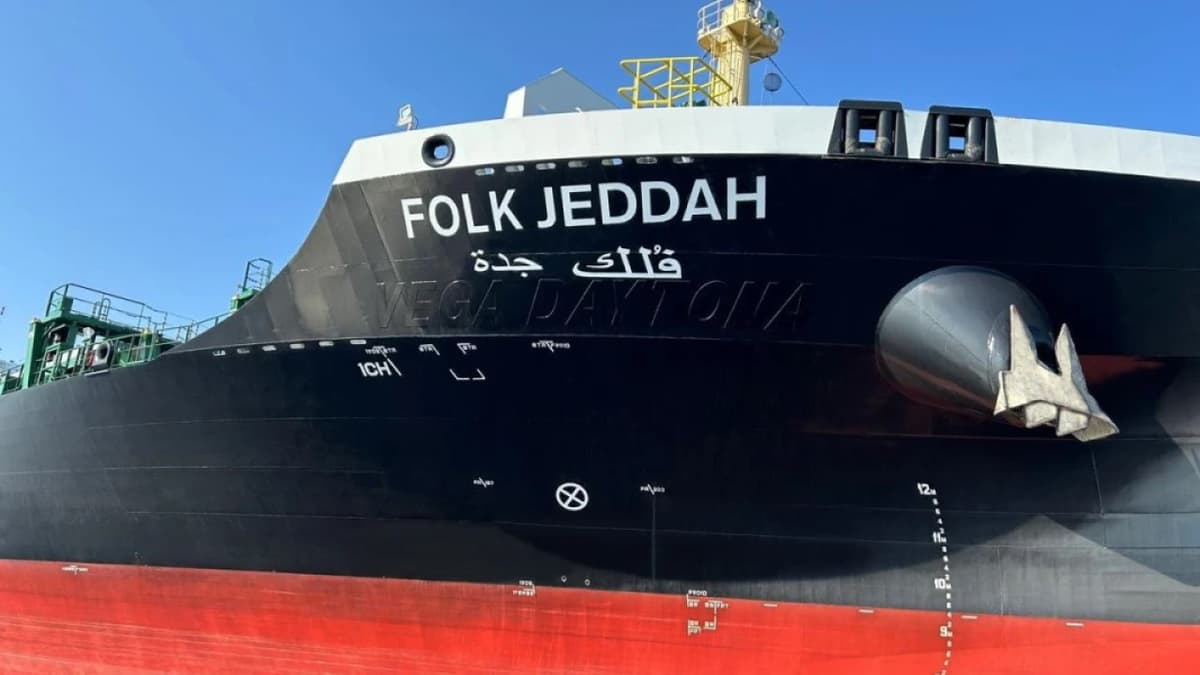
Folk Maritime Eyes 30% Growth Despite Middle East Upheaval
Folk Maritime, a young Middle‑East feeder and regional container line, aims for 30‑35% growth this year despite the fallout from the Strait of Hormuz closure and soaring bunker costs. The company rerouted its two vessels from Gulf services to a...

Diana Ups Genco All-Cash Offer to $24.80
Diana Shipping has raised its all‑cash offer for Genco Shipping & Trading to $24.80 per share, up from $23.50. The bid follows a series of unsolicited proposals that began at $20.60 in November 2025. Diana argues the higher price reflects...
US Throws ‘Live Grenade’ Into Shipping Markets
Shipbroker Braemar reports that global container volumes rose 1% in Q1, driven by a 3.5% increase in Chinese port activity, while U.S. volumes dropped nearly 5%. Shanghai handled a record 4.7 million TEU in March and Ning‑Zhou Shan posted a 15%...
Greek Fleet Continues Growth in 2025
The Union of Greek Shipowners reports that the Greek‑owned fleet grew to 458 million dwt in 2025, representing 19.1% of the world total and encompassing 5,798 vessels. Bulk carriers make up almost half of the fleet, with 2,766 ships (22% of...

Navigating the New Cold War: Shipping in a Complex World
Maritime NXT’s latest podcast episode examines how the emerging Cold War is redefining shipping, trade and global security. Host Punit Oza interviews Professor Athanasios Platias to trace the historical roots of the rivalry, the rise of China, and the weaponisation of...
AD Ports Expands in Europe with MBS Logistics Acquisition
Abu Dhabi’s AD Ports announced the acquisition of the core business of Germany‑based MBS Logistics, extending its Noatum Logistics platform into Europe. The deal adds 26 new offices to Noatum’s existing 80‑office network across 26 countries, covering operations in Germany,...
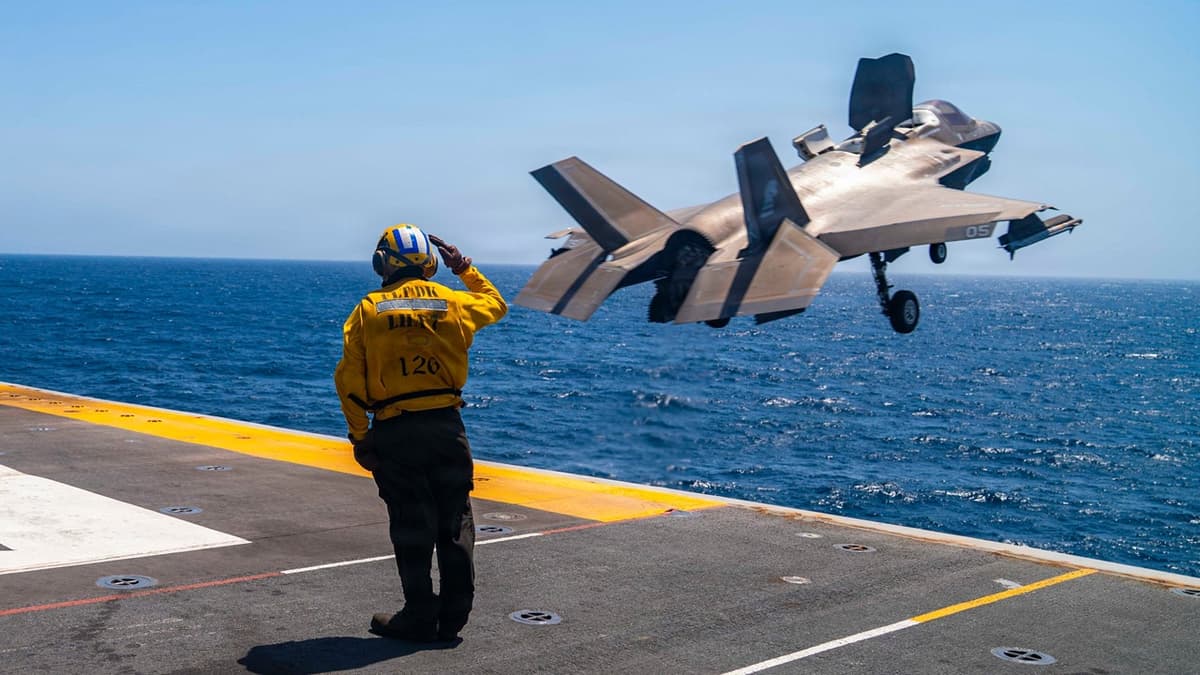
US Strikes Iranian Boats Attempting to Lay Mines
The United States conducted air strikes near Iran’s Bandar Abbas port, hitting missile launch sites and a boat suspected of laying naval mines. Iran has previously claimed to have mined the Strait of Hormuz, though no mines have been confirmed. The...
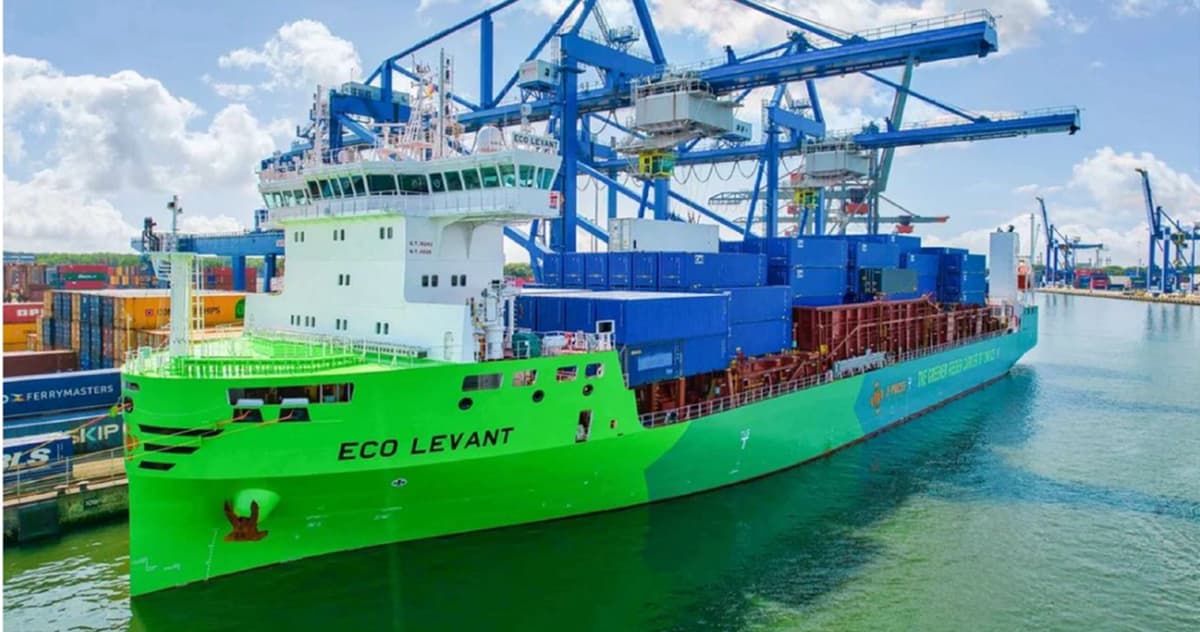
X-Press Feeders Trials Ethanol-Methanol Fuel Blend
X‑Press Feeders has completed a sea trial of a 10% ethanol‑90% methanol fuel blend on its container vessel Eco‑Levant in the Port of Rotterdam. The test, coordinated by Methanave, examined the blend under controlled operating conditions. As an early adopter...
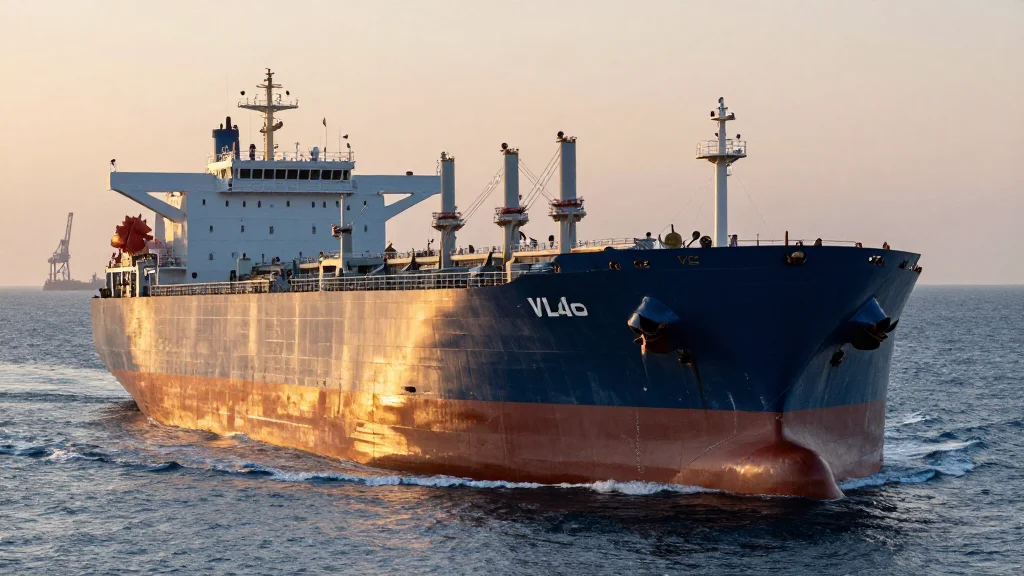
Wison VLCC Breakthrough with United Overseas Group Order
Wison New Energies has signed a shipbuilding deal with United Overseas Group for up to ten 319,000‑dwt VLCCs, including six firm orders and four optional vessels. Deliveries are slated to begin in the fourth quarter of 2027. The vessels feature...

Crucial Week Ahead for Tanker Market
Tanker owners are weighing options as US‑Iran peace talks produce mixed signals about the Strait of Hormuz. London broker Gibson notes 157 large tankers in the Gulf, with 123 laden seeking to exit, while 150 ballasted vessels sit ready in...

Maritime Cyber Threats and AIS Assisted Collisions
Maritime cyber threats, especially GPS jamming and spoofing by U.S. and Russian militaries, are now routine, jeopardizing vessel navigation and prompting AIS‑assisted collisions. Insurers warn that even non‑malicious actions, such as a crew member’s phone malware, can cripple electronic chart...

Philippines Port Capacity Set to Expand with $300m AIIB Loan Package
International Container Terminal Services Inc. (ICTSI) secured a $300 million senior unsecured loan from the Asian Infrastructure Investment Bank, marking AIIB’s first non‑sovereign‑backed deal in the Philippines. The financing will fund upgrades at Manila, South Luzon and Mindanao terminals, boosting capacity...