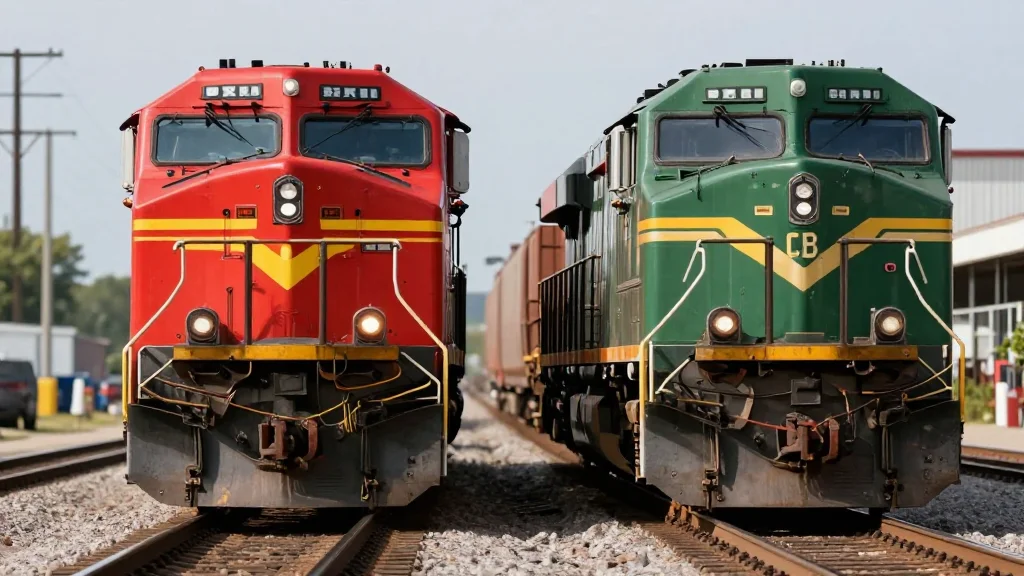
UP, NS Revised Merger Application Moves Ahead
Union Pacific and Norfolk Southern have had their revised merger application accepted by the Surface Transportation Board on April 30, 2026, after the board rejected the original filing for missing information. The STB requires the railroads to submit supplemental details by July 27, 2026 and will have a twelve‑month window to complete evidentiary proceedings. Stakeholders have raised concerns about higher rates and reduced competition, but the board decided the issues do not merit another rejection. UP said it will work closely with the STB to meet the requirements.

Walmart: Store-Fulfilled Deliveries Getting Faster
Walmart announced that its store‑fulfilled delivery sales have more than doubled in the past two years, and 36 % of Q1 orders arrived within three hours. The retailer now reaches about 60 % of U.S. households in 30 minutes or less, with...
SharkNinja Leverages Production Flexibility to Mitigate Tariffs
SharkNinja’s CEO Mark Barrocas highlighted that the appliance maker now sources its top SKUs from multiple factories inside and outside China, giving it the ability to shift production based on tariff and pricing dynamics. About 66% of its product line...
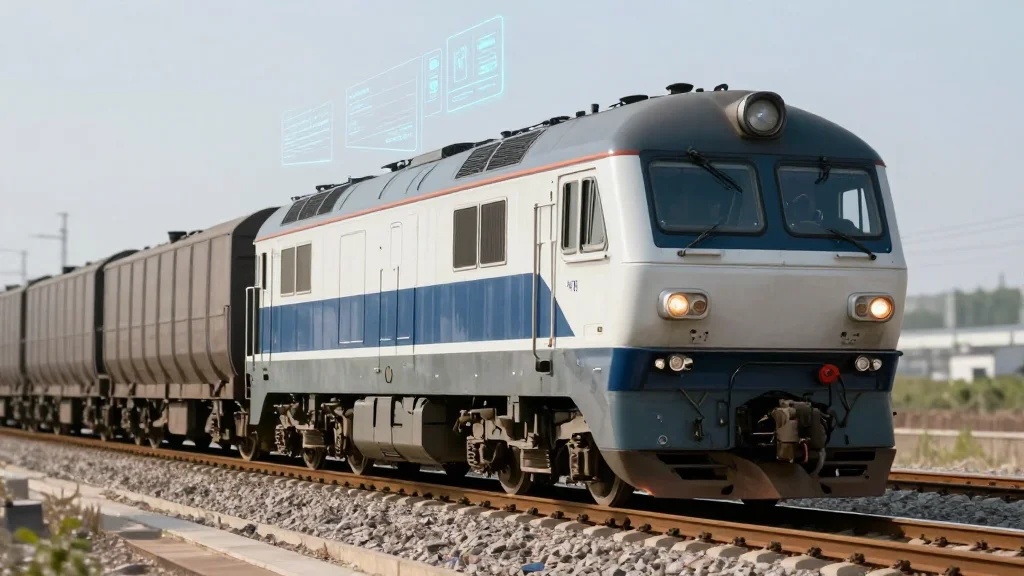
New Rail Data Requirement a ‘Win’ for Shippers, Expert Says
The Surface Transportation Board issued a final rule requiring Class I railroads to report two new weekly metrics—original estimated time of arrival (OETA) and industry spot and pull (ISP)—starting July 8. OETA gauges the share of shipments arriving within 24 hours of the...

Full Tariff Refunds for De Minimis Imports? US Says No
The U.S. Justice Department rejected Detroit Axle's claim for full tariff refunds after the de minimis exemption— which allowed duty‑free imports under $800—was suspended in August. Detroit Axle argues the exemption’s removal violated the International Emergency Economic Powers Act and seeks...
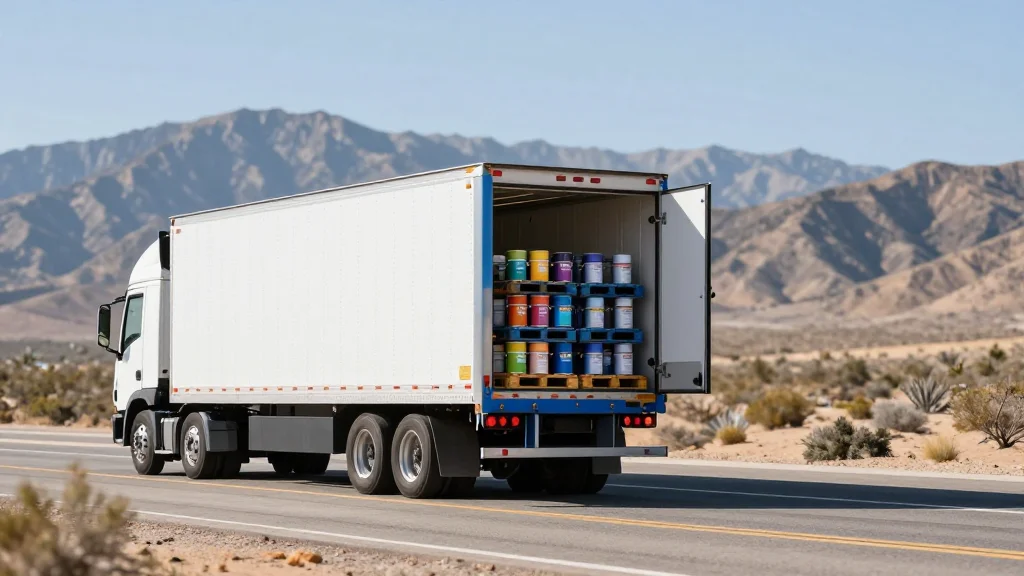
Sherwin-Williams Partnership Enables Outbound Volume Boost During Peak
Sherwin‑Williams boosted outbound freight from its Reno, Nevada hub by 11% last year by blending its private fleet with purchased capacity. The company teamed with ITS Logistics, which delivered 56 million pounds of paint to roughly 400 U.S. retail locations in...
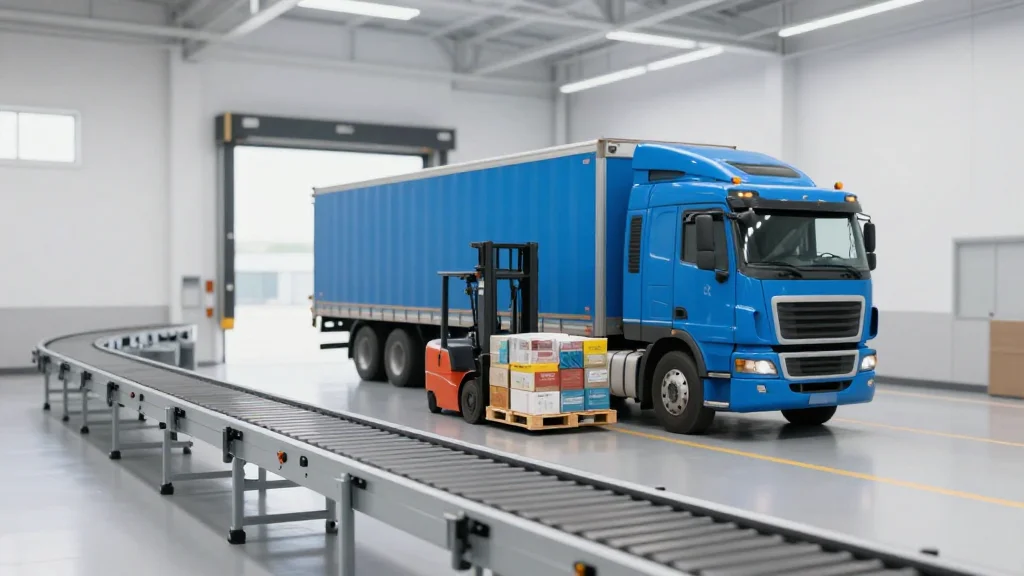
Walmart Rolling Out Simplified Inbound Logistics for Suppliers
Walmart announced its Prepaid Consolidation Program, a new inbound logistics model that lets suppliers ship all items under a single national purchase order to one consolidation hub. The hub then repacks and routes inventory to any of Walmart’s 42 regional...
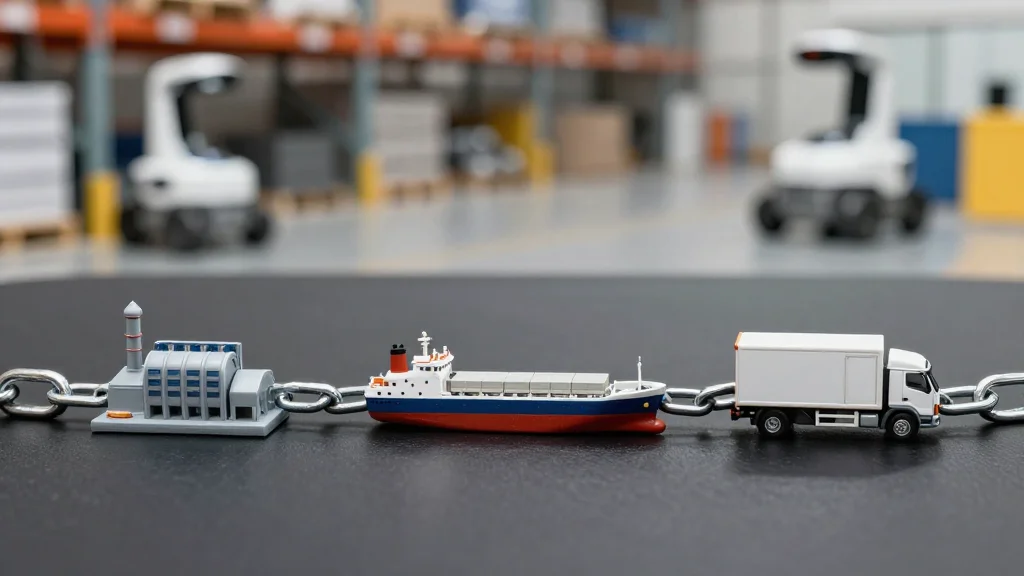
Automation Doesn’t Make Supply Chains Fragile — Poor Integration Does
Procter & Gamble senior manager Temitope Daniel Akanbi argues that automation itself does not make supply chains fragile; poor integration of decisions does. While firms pour capital into planning platforms, warehouse robots and forecasting engines, they often end up with...
J&J Snack Foods Completes Plant Consolidation, Turns to Distribution
J&J Snack Foods completed a plant consolidation that shut three facilities in Atlanta, Holly Ridge, NC, and Colton, CA. The move is expected to generate $15 million of the $20 million annual savings outlined in its Project Apollo transformation plan. With closures...
Danone to Close Plant-Based Dairy Facility in New Jersey
Danone announced it will shut its Bridgeton, New Jersey plant that produces Silk and So Delicious Dairy Free alternatives, with the closure slated for Aug. 4. About 114 workers will be laid off as production moves to facilities in Dallas, Virginia and Florida. The...
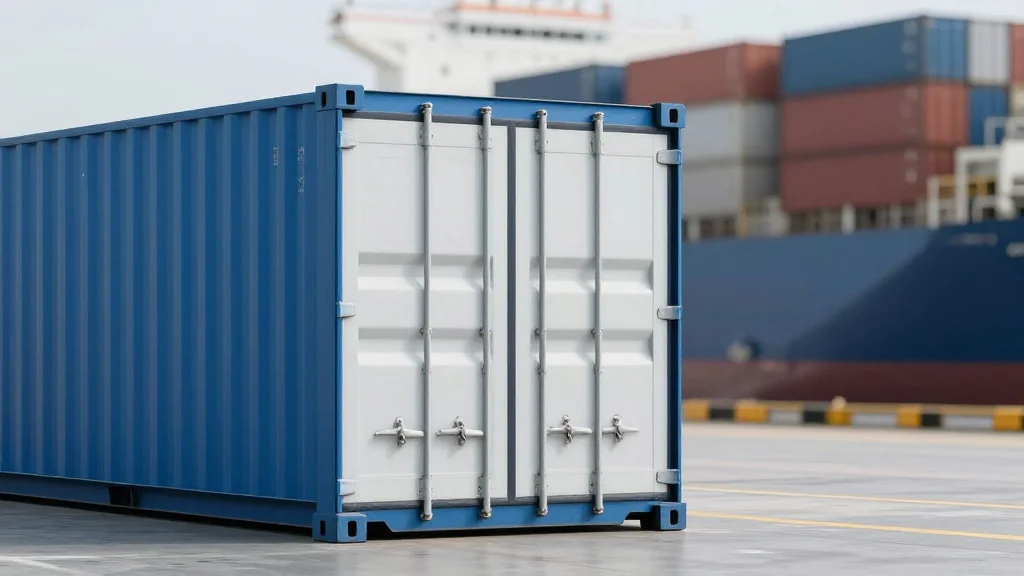
Muted Peak Season Expected as Ocean Shippers Delay Contract Signing
U.S. shippers are postponing long‑term ocean freight contracts as the Iran war fuels market uncertainty, preferring spot market capacity despite higher rates. Spot rates from the Far East to the U.S. West Coast stay about 50% above pre‑conflict levels, while...
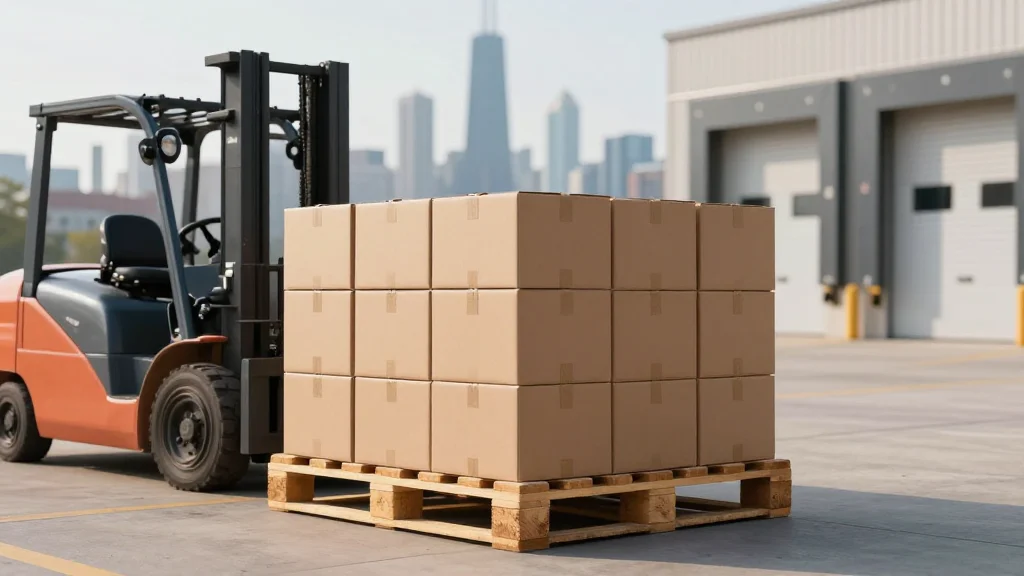
DavidsTea Sets up US Fulfillment After De Minimis’ End Raises Shipping Hurdles
DavidsTea announced the launch of a U.S. fulfillment center in Chicago after the de minimis exemption ended, which had previously allowed duty‑free parcels under $800. The removal of the exemption raised shipping costs and caused delays for the Canada‑based tea retailer’s...
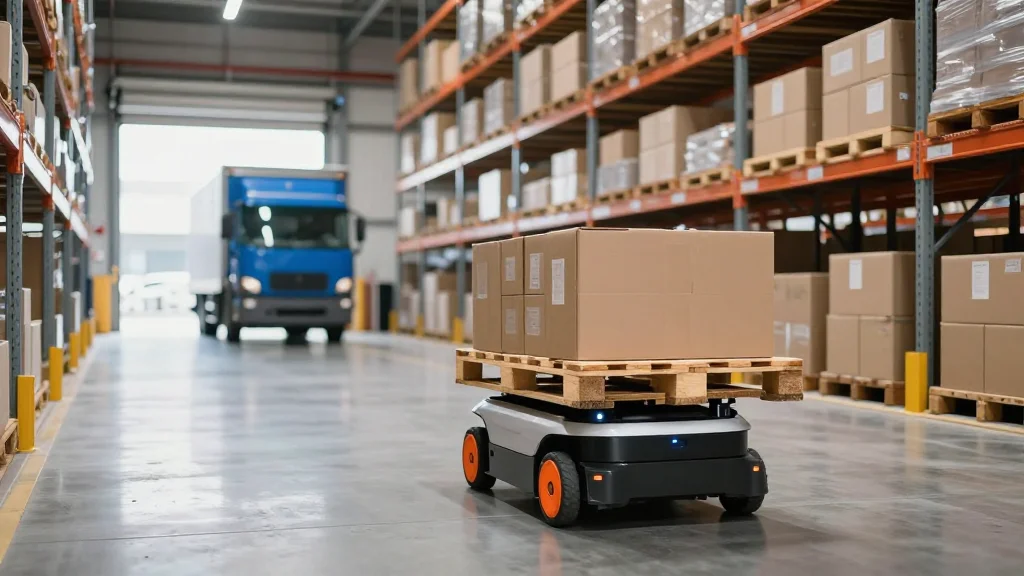
Target Taps Former Walmart Exec as Supply Chain, Logistics Chief
Target announced that former Walmart executive Jeff England will become executive vice president and chief global supply chain & logistics officer on May 31, reporting to COO Lisa Roath. England arrives after stints as chief supply‑chain officer at QXO and Genuine...

US and China to Establish Trade Board, Tout Agriculture Commitments
U.S. President Donald Trump and Chinese President Xi Jinping agreed to create a U.S.-China Board of Trade and a Board of Investment to manage bilateral commerce. China committed to buying at least $17 billion of U.S. agricultural products through 2028, renewing...
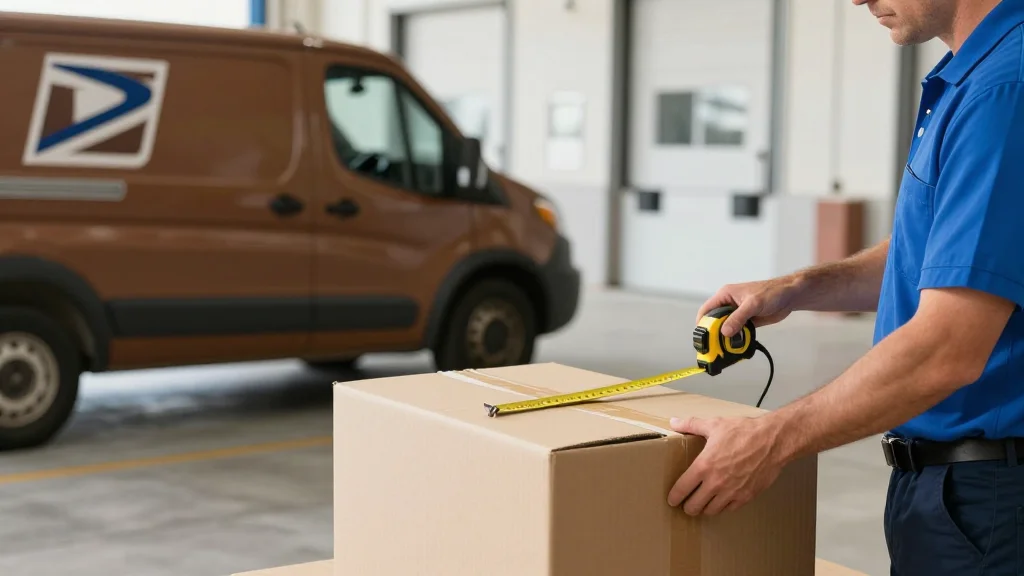
USPS to Align Dimensional Pricing Closer to FedEx, UPS
The U.S. Postal Service will revise its dimensional pricing rules on July 12, rounding any fractional package measurement up to the next whole inch and switching the dimensional‑weight divisor from 166 to 139. The changes affect Ground Advantage, Parcel Select, Priority...