
UPS Expands Support for Manufacturers with $50 Million Expansion
Supply‑chain visibility is being transformed by sensor technology as the global market, valued at $10.5 billion in 2024, is projected to reach $25.8 billion by 2033. Walmart has partnered with ambient‑IoT firm Wiliot to deploy battery‑free Pixel tags on pallets, aiming to track 90 million pallets across 4,600 stores and distribution centers by year‑end. Meanwhile, logistics startup GenLogs secured $60 million to broaden its roadside sensor network across the United States, Canada and Mexico, enhancing freight security and combating $35 billion in annual cargo theft. These initiatives illustrate how real‑time data and AI are reshaping logistics efficiency and safety.

Seeing High Turnover for Supply Chain Jobs? Start by Fixing Your Hiring Process
Supply chain turnover is soaring—26‑28% in manufacturing and nearly 49% in warehousing—well above the national average. The article argues that most early exits stem from hiring missteps rather than post‑hire programs. Wrong skills, cultural misfit, and unrealistic job expectations create...

Tariffs Hit Small, Medium Businesses Hard
A Ship4wd‑commissioned survey of 500 U.S. small and medium‑sized businesses finds that 96% say tariffs have directly harmed their shipping, sourcing or supply‑chain operations in the past year. Tariffs now eclipse freight rates, port congestion and geopolitical risk as the...
Survey: Retailers Face Rising Pressures as They Plan for Peak Season 2026
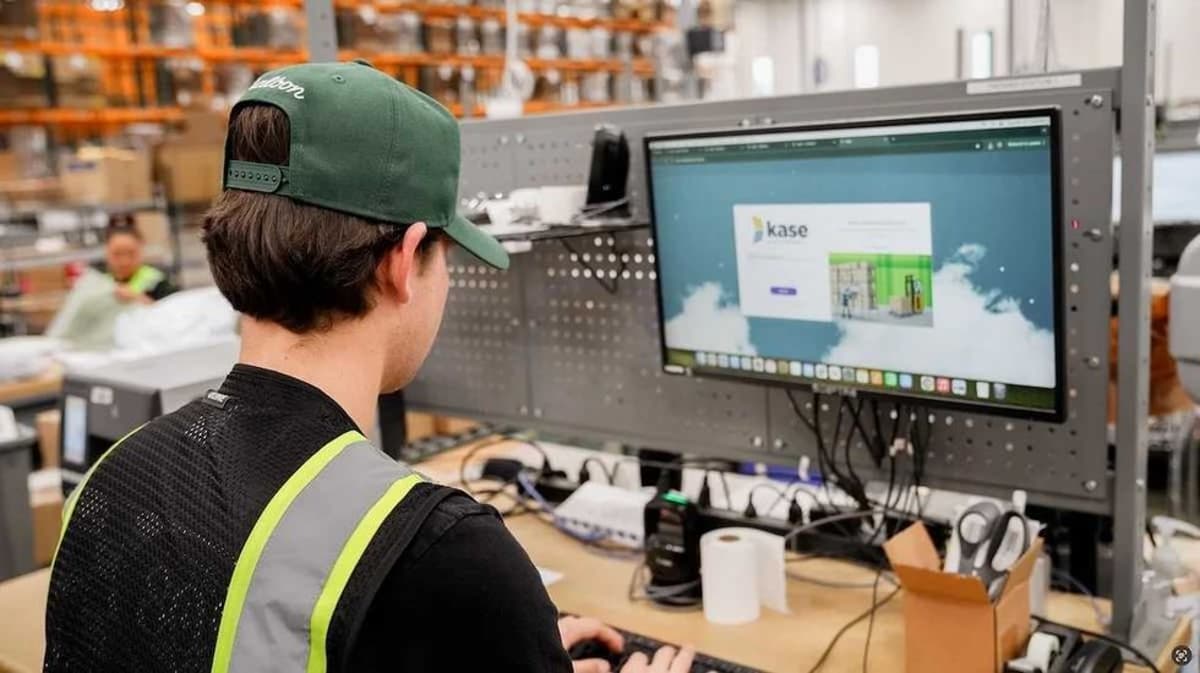
Retail leaders are gearing up for peak season 2026 with a mix of optimism and caution, according to Kase’s new survey of 328 fulfillment executives. While 61% express strong confidence in meeting demand, 79% anticipate reactive decision‑making as volumes surge....

Taming the Returns Monster
Retailers face a $850 billion returns burden, representing 15.8% of U.S. sales, as generous policies become baseline expectations. Fraud now makes up roughly 9% of all returns, driving operational costs and distorting demand signals. To protect margins, firms are shifting to...

What Really Happens when States Add Delivery Fees to Online Orders
U.S. states are mandating small delivery fees—typically under $1—on online orders, prompting concern among retailers about price sensitivity. New research published in the Journal of Business Logistics shows that shoppers are far more likely to accept these fees when they...

Allianz: Unemployment Rates Could Be Shaken by Immigration, Iran War, and AI
Allianz warns that despite historically low unemployment in the U.S. and Europe, three forces—tightening immigration policies, the Iran‑related energy‑price shock, and accelerating AI adoption—could destabilize labor markets. Immigration inflows, which accounted for over half of U.S. job creation in 2024,...

EY: Consumer Brands Jostle for Position in E-Com Marketplaces
EY’s "State of Consumer Products" report finds consumer brands are now battling for shelf‑space inside e‑commerce marketplaces as much as for consumer attention. More than 77% of surveyed executives say strategic partnerships with retailers, platforms and digital channels are essential...

Trucking Fleets Embrace Gen AI, but Data Problems Slow Growth
Trucking fleets are rapidly adopting generative AI, with 87.1% using large language models for back‑office functions, driver feedback and document extraction. AI tools for driver safety have reached 61.3% adoption, yet only 9.7% of fleets feed telematics or ELD data...

DOT Week Survival Guide: What to Expect and How to Prepare
The Commercial Vehicle Safety Alliance’s International Roadcheck, known as DOT Week, runs May 12‑14 and triggers more than 15 vehicle inspections per minute across the U.S., Canada and Mexico. In 2025 the CVSA logged over 50,000 inspections—a 15% increase—resulting in...
Descartes Report Describes Tumultuous Year at U.S. Ports
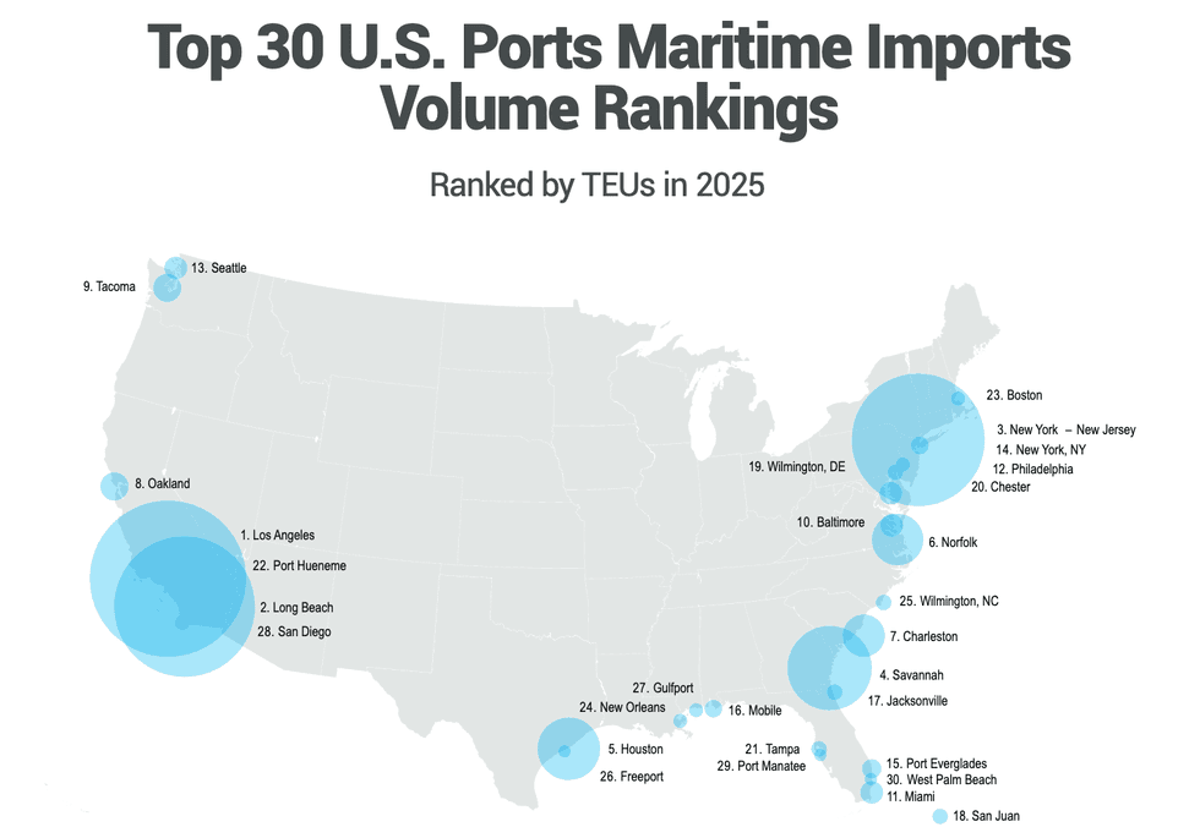
The 2026 Descartes Datamyne Port Report shows U.S. maritime imports held steady in 2025, with total containerized volume flat at roughly 28.09 million TEUs, a marginal 0.03% decline from the prior year. Trade volatility, driven by fluctuating U.S.-China tariffs that peaked...

Report: Cargo Thieves Grow More Sophisticated
The 2025 Global Cargo Theft Report by TT Club and BSI Consulting shows thieves using coordinated, intelligence‑driven tactics across road, rail, sea and digital channels. Trucks still account for about 70 % of incidents, while insiders are involved in 22 % of...
Survey: SMBs Have Built “Tariff Toolkits” To Cope with Disruption
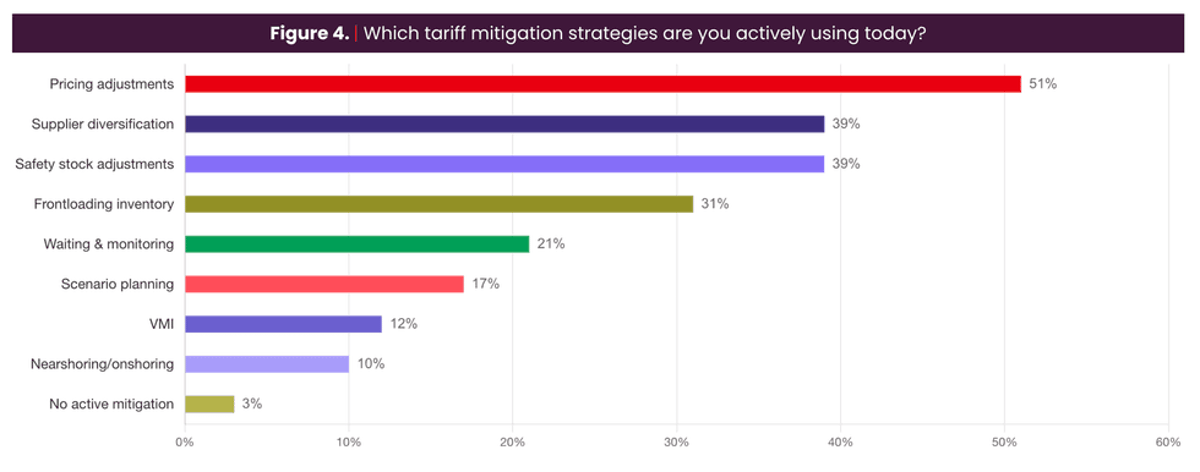
A Netstock survey shows that 82 % of U.S. small and medium‑sized businesses have begun passing tariff costs to customers, with 92 % using direct price hikes. The shift follows a year of heightened White House tariff policies that squeezed margins and...

5 Strategies for Accessing 70% of the Supply Chain Talent Market
Traditional recruiting for supply‑chain roles reaches only about 30% of the talent market, leaving roughly 70% of qualified professionals passive and invisible to job boards. Harvard Business School research identifies 27 million U.S. supply‑chain workers who are systematically overlooked. The article...

Global Supply Chains Face “Normalization” Of Overlapping Risks
A Q1 2026 report by Squire Patton Boggs warns that global supply chains now face a normalization of overlapping risks—geopolitical tension, enduring tariffs, and expanding ESG regulations. Instability in the Red Sea and threats to the Strait of Hormuz are lengthening routes...