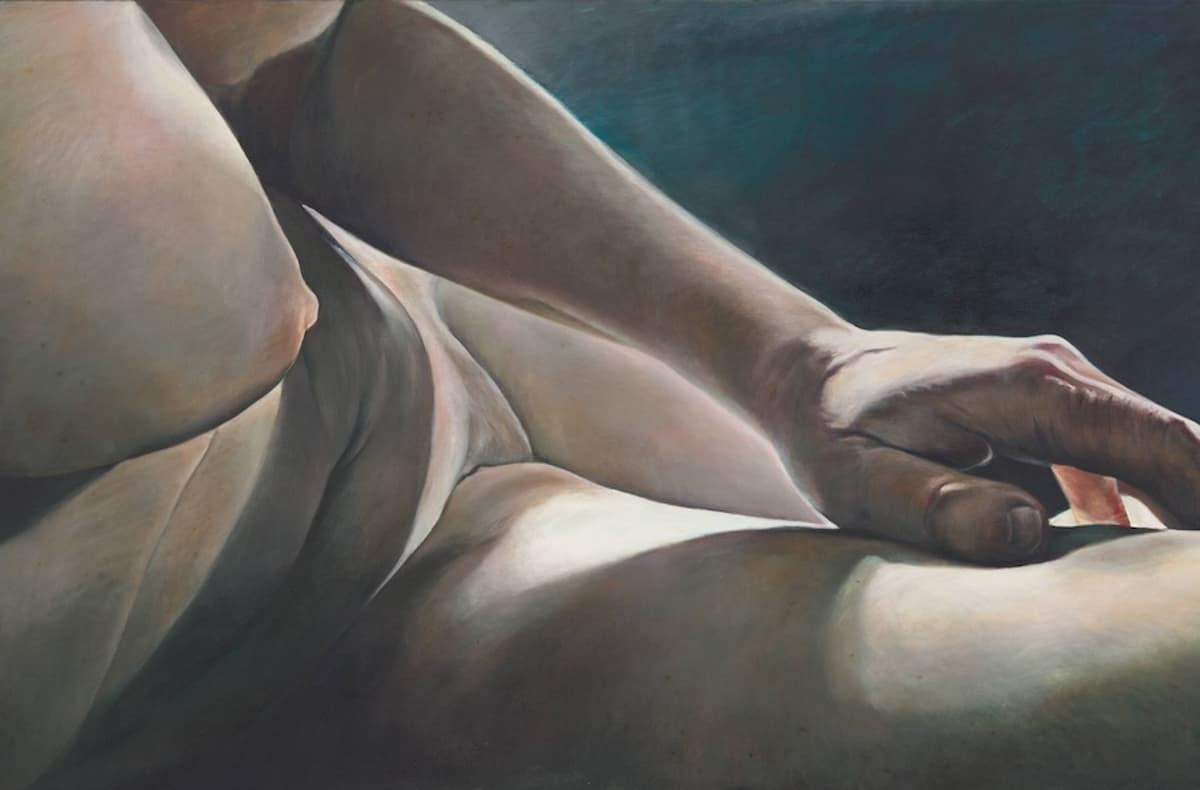
Subverting the Nude
When Joan Semmel returned to New York in 1970 after seven years abroad, she quickly reinvented her practice. She abandoned the abstract expressionism of the 1950s‑60s and began painting figurative, erotic works that placed women’s bodies at the center. Semmel described this shift as “subverting the whole genre of the nude,” merging the bold color palette of action painting with a feminist agenda. The transformation cemented her role as a pioneering voice in the 1970s feminist art movement.
Lili Anolik on Eve Babitz, Her Legacy, and Unsent Letters
Lili Anolik appears on the Private Life podcast to discuss the life and legacy of writer‑artist Eve Babitz, timed with the release of New York Review Books’s new collection *Too L.A.: Letters Never Sent (But Some Were)*. The book gathers unpublished correspondence that sheds light on...
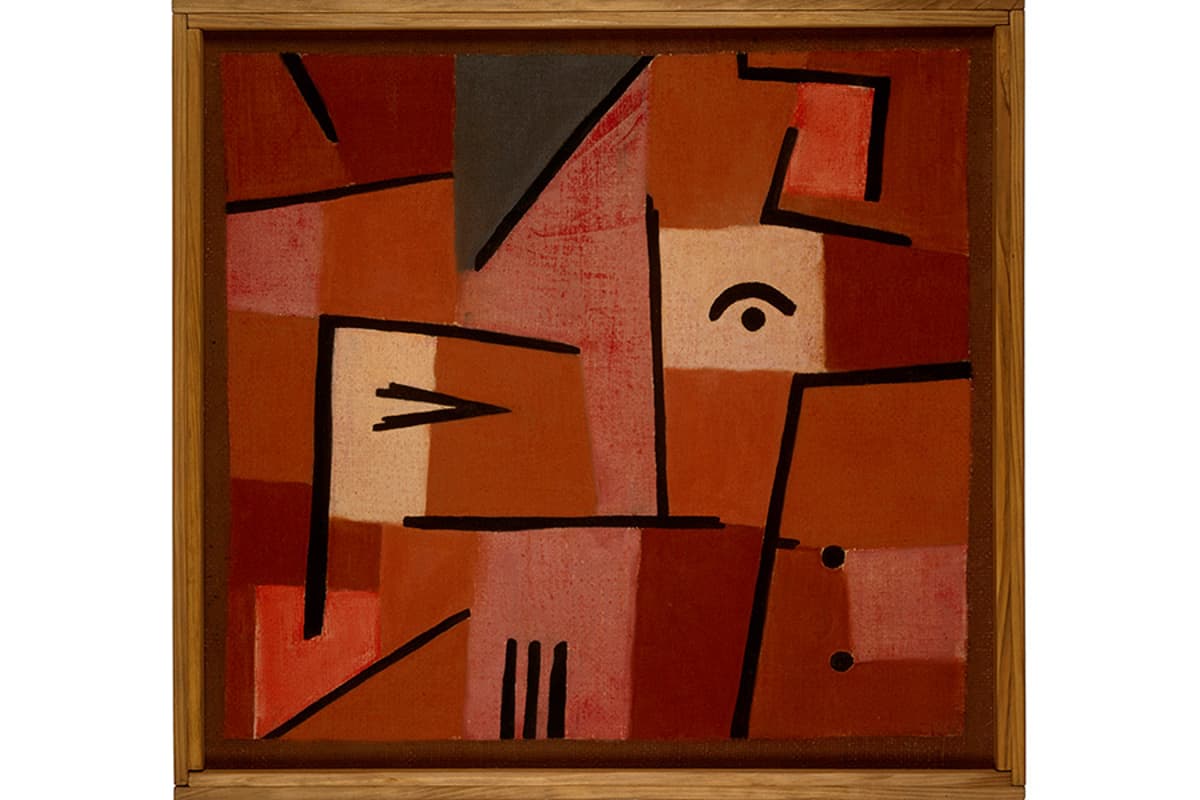
The Fairy-Tale Hour
“Paul Klee: Other Possible Worlds” at the Jewish Museum is the first major New York survey of the artist in decades and the inaugural U.S. show focused on his late 1930s paintings. Created while Klee battled scleroderma in Switzerland, these works...
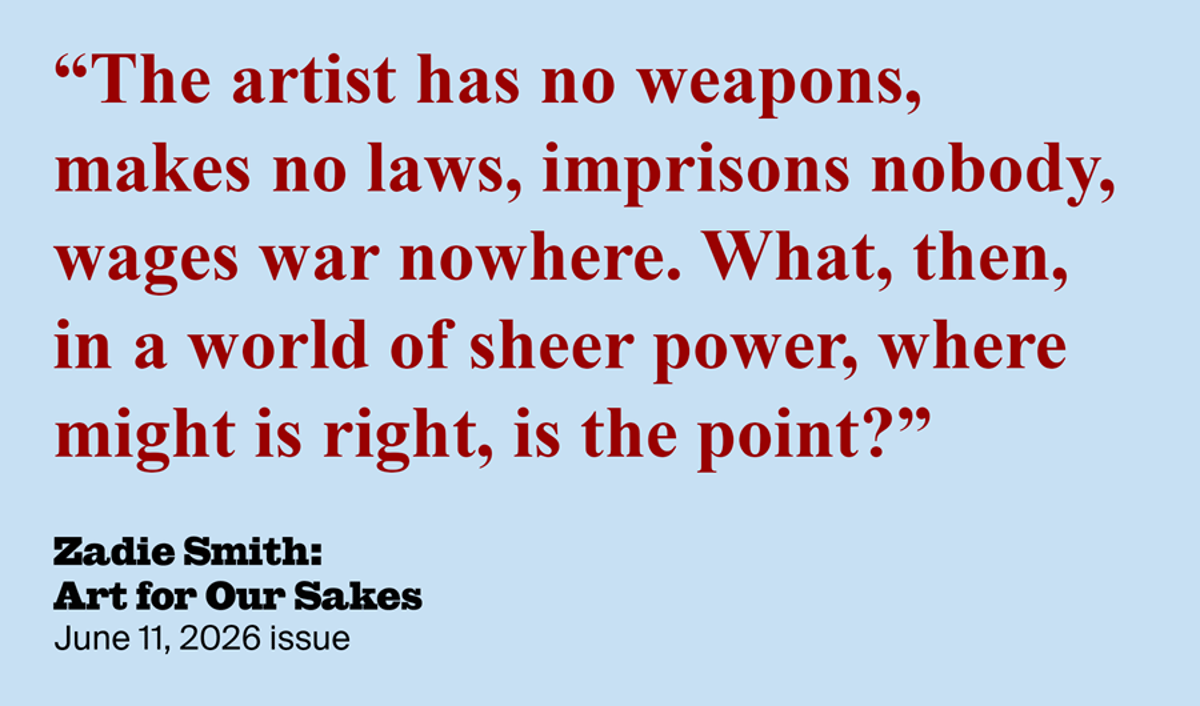
Art for Our Sakes
In a recent lecture at the American Academy of Arts and Letters, Zadie Smith revisits E.M. Forster’s 1949 address titled “Art for Art’s Sake.” She frames the discussion around the uneasy relationship between artistic autonomy and the urgency of social...
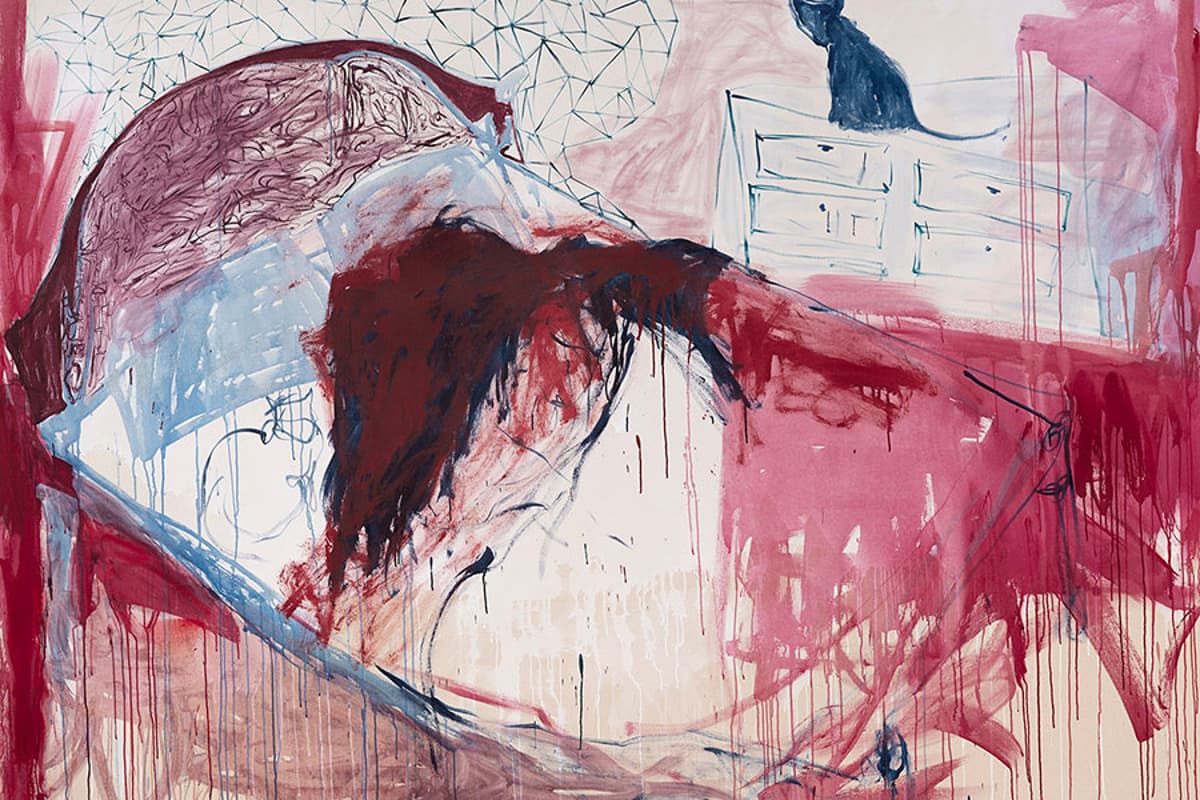
Mighty Real
Tracey Emin’s new Tate Modern exhibition, the largest of her career, showcases over ninety works and marks her first major show since surviving bladder‑cancer surgery in 2020. The artist, newly dubbed a Dame Commander in 2024, describes the experience as a...
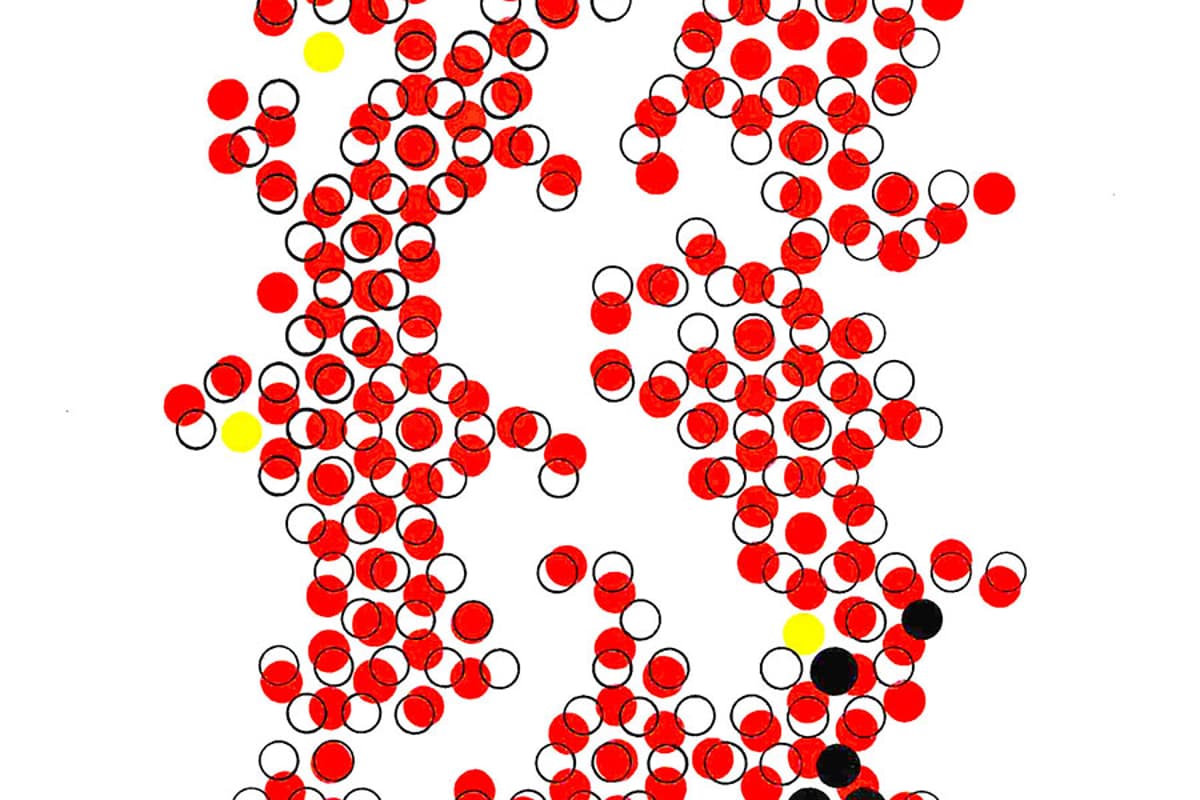
Damming the Big Ocean
Edward Fishman’s new book argues that America’s strategic leverage now extends beyond narrow waterways to digital finance hubs. Traditional maritime chokepoints like the Panama Canal still move over 80% of global trade, but the modern bottlenecks are the U.S.-centric banking...

‘I Couldn’t Have Done It Without You’
Frances Wilson’s latest conversation piece in the New York Review of Books explores how instant, almost hypnotic love recurs among the literary and cultural figures she profiles, from Liza Minnelli to Patricia Highsmith. She argues that love, whether for a partner,...

Don’t Call It Entertainment
J. Hoberman’s review of *Everything Is Now* chronicles the confrontational New York avant‑garde of the 1960s. Exhibitions like MoMA’s 1965 “The Responsive Eye” and performances by LeRoi Jones, Archie Shepp, Yoko Ono and La Monte Young deliberately eschewed entertainment, using sensory overload to challenge audiences. The...
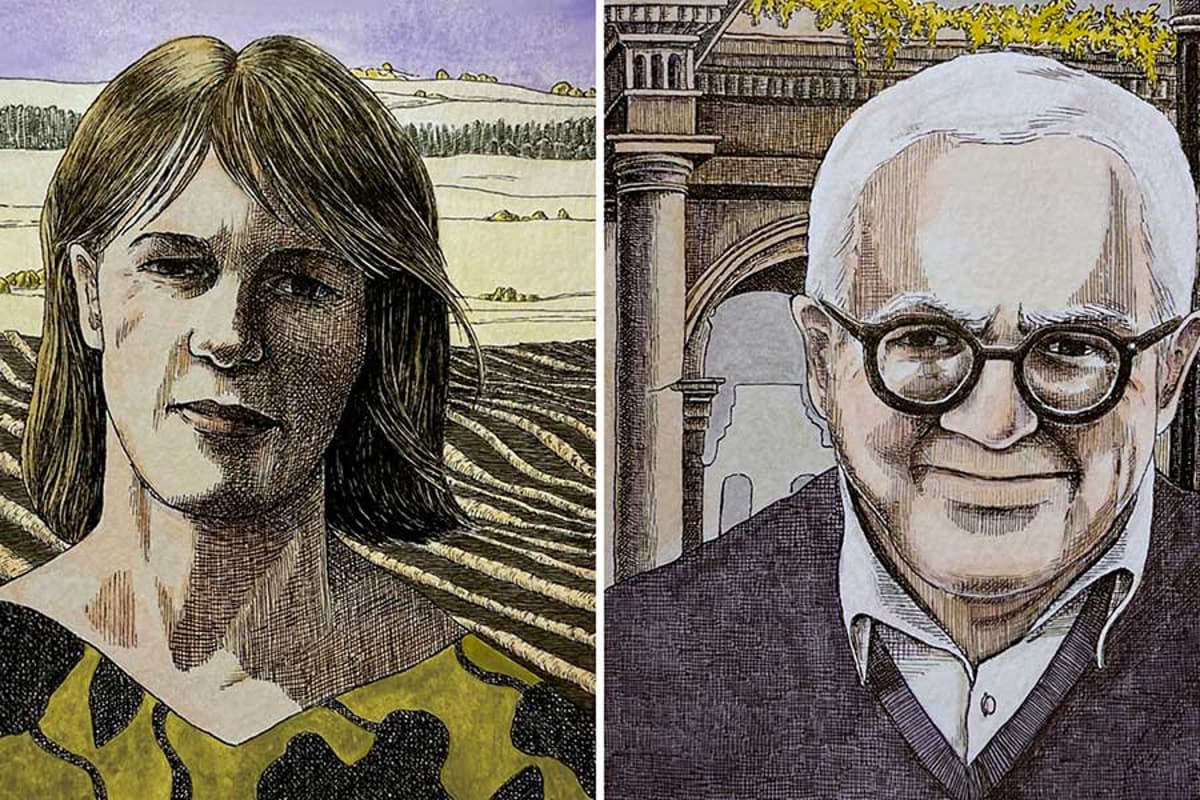
Against Nostalgia
Edwin Muir’s essay “Scotland 1941” argues that the Scottish literary tradition entered a spiritual defeat after the Reformation, when John Knox promoted an English‑language Bible that severed the nation’s linguistic heart. He criticizes Walter Scott for creating a cultural void despite his...
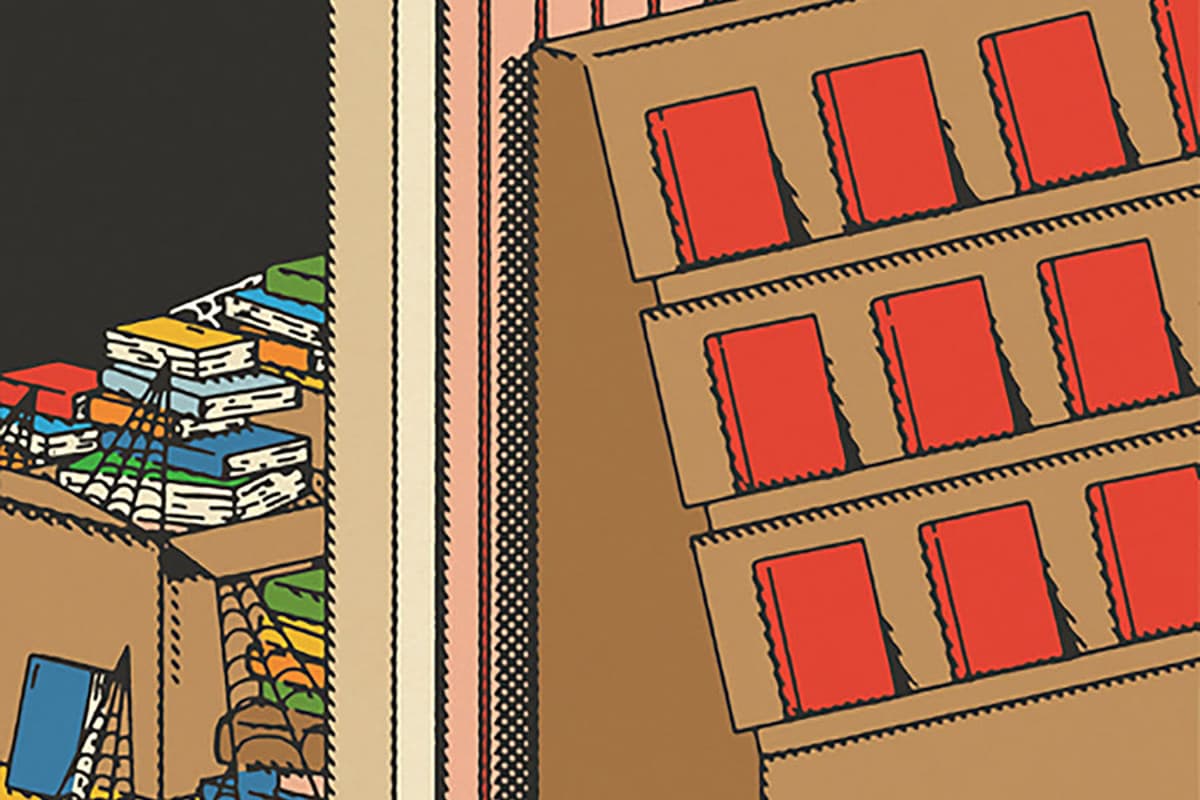
Scarred in Hong Kong
Dorothy Tse’s novel *City Like Water* uses hallucinatory vignettes to portray a Hong Kong in decline, aligning each chapter with a stage of the 2019 protest movement. The book references the massive June rally of over one million citizens against an extradition...
Iran’s New Winter
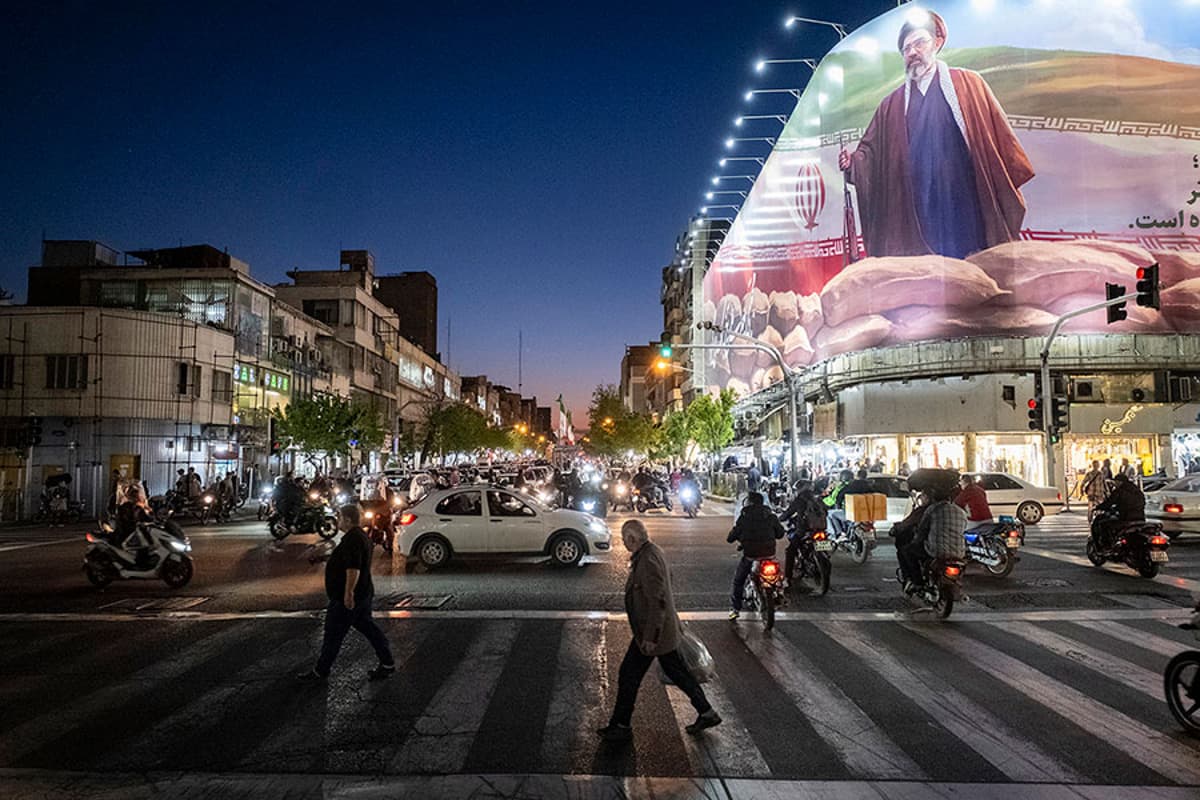
Christopher de Bellaigue’s May 28 2026 piece revisits the 1953 CIA‑MI6‑backed coup that ousted Prime Minister Mohammad Mossadegh and installed Shah Mohammad Reza Pahlavi. It argues that the overthrow shattered Iran’s brief democratic experiment, ushering in a U.S.-supported autocracy that left a legacy of political despondency....
The Second ‘Redemption’
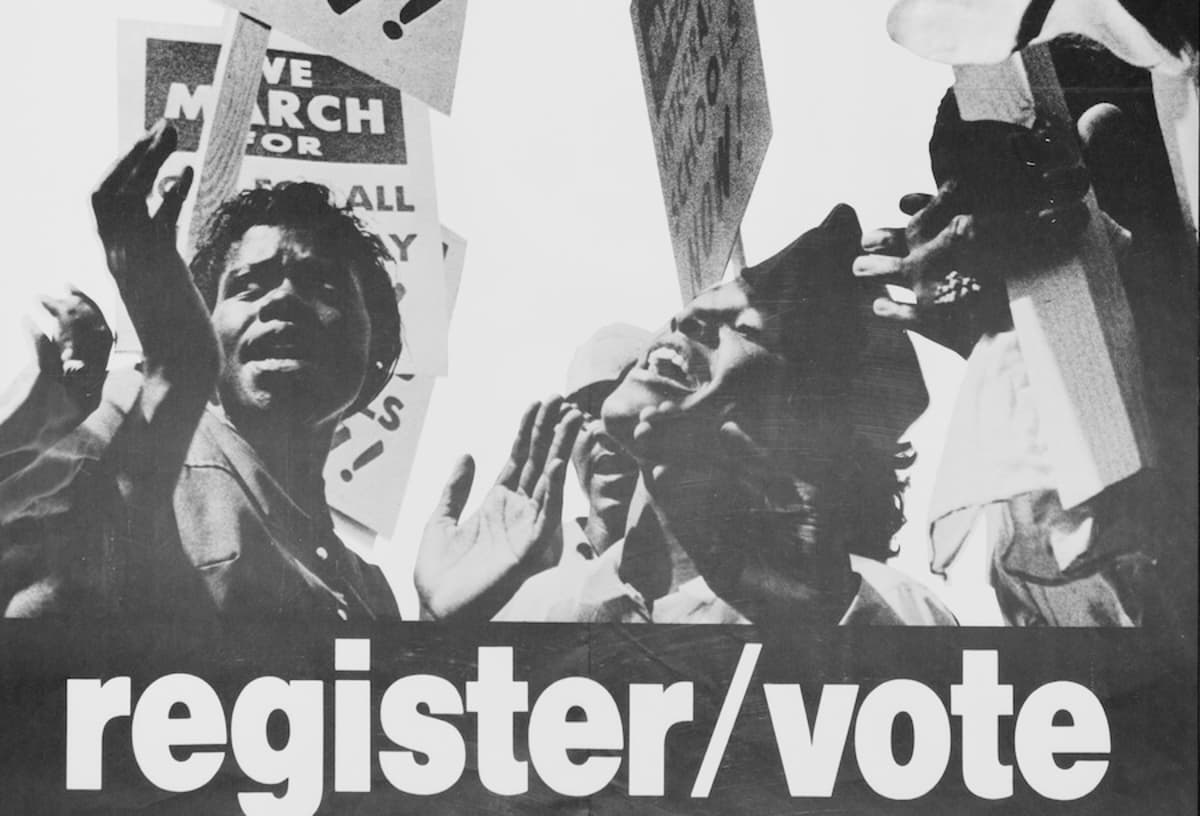
On April 29, 2026 the Supreme Court issued a landmark ruling in Louisiana v. Callais that effectively dismantled the core protections of the Voting Rights Act, a statute Congress has reauthorized and expanded since 1965. The six Republican‑appointed justices framed...
Mystery Brain
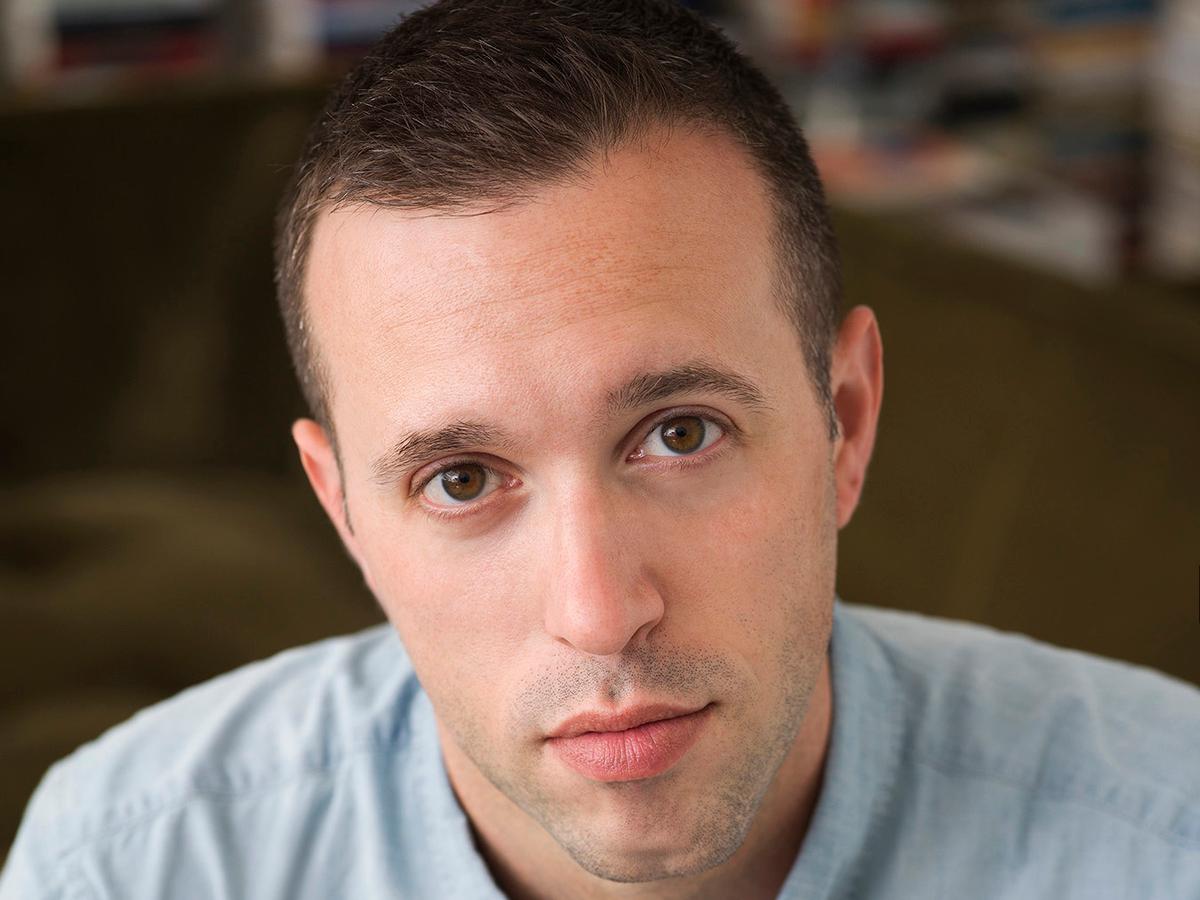
In a recent NYR Online interview, novelist Daniel Lefferts examines Passage Publishing’s decision to reissue the original Hardy Boys novels, highlighting the press’s right‑wing agenda and its contrast with neutral reprint houses like Applewood. Lefferts argues that preserving the books’...
Why This War? A Conversation on Iran
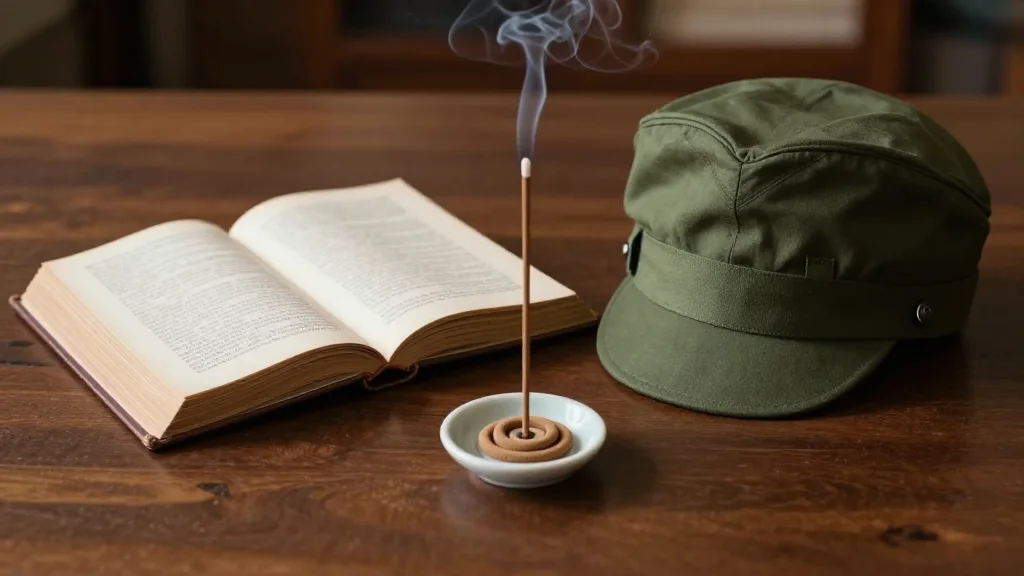
The New York Review of Books hosted a wide‑ranging conversation on April 22, 2026, featuring writer Pankaj Mishra, former State Department official Ben Rhodes, and journalist Suzy Hansen. They examined the unfolding war in Iran and its ramifications for U.S. politics, foreign...
We Goofed
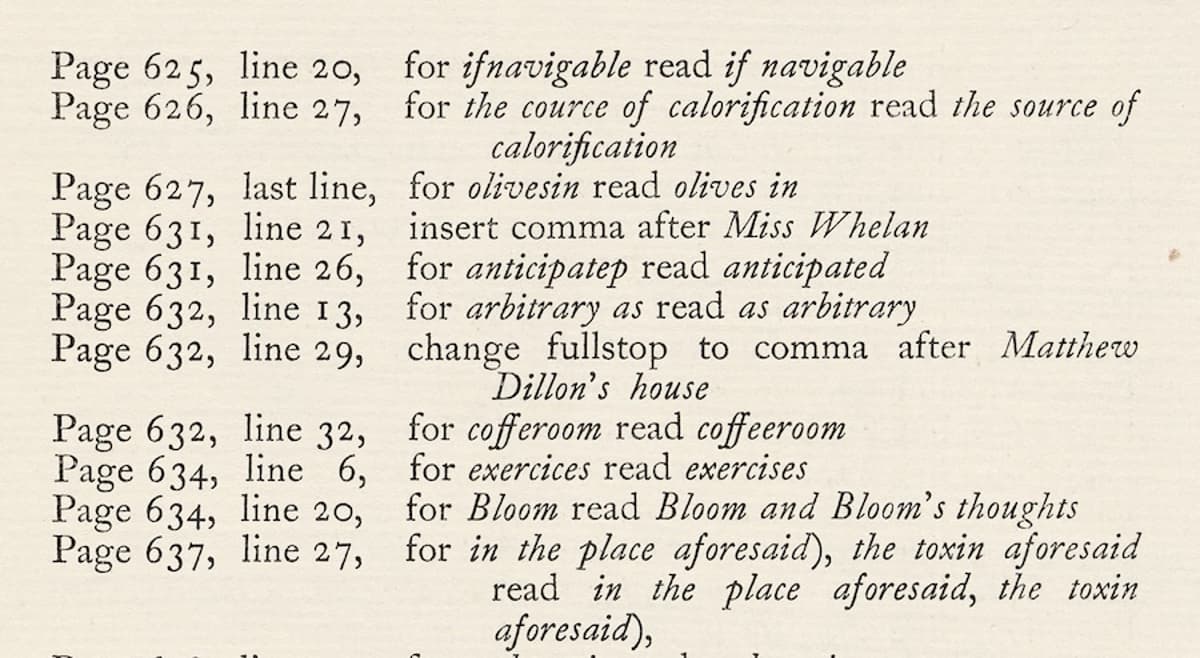
Yale’s Sterling Memorial Library is hosting “‘Beauties of My Style’: Errata and the Printed Mistake,” an exhibition that spotlights the centuries‑old practice of inserting errata slips into printed books. The show displays early examples, from a 1622 satirical poem to...