
With Measles Roaring Back, the Search for a Drug Is On
Measles cases surged in 2025, marking the worst U.S. outbreak since 1991 as vaccination rates fell, prompting a sudden wave of biotech interest in therapeutic development. Two U.S. biotech firms have launched antibody trials and another has begun animal testing of an antiviral, while academic labs, including Dr. Dawid Zyla’s, report early promising data. Although no treatments are yet approved and commercial products are years away, the renewed disease burden is creating a potential market that was previously nonexistent.

Do Women Really Need a Menopause Workout?
Fitness platforms are launching menopause‑focused workout programs that blend resistance training with education on hormonal changes. The Sculpt Society’s Midlife Movement Program, for example, offers 30‑minute strength sessions tailored to post‑menopausal women like 60‑year‑old Liz Birenbaum. With roughly two million...

Early Research Suggests a Path to Predict and Prevent Lung Cancer
Scientists identified a 14‑protein blood signature that predicts lung cancer up to five years before diagnosis, using machine‑learning analysis of 48,000 UK Biobank samples. The same proteins point to an inflammatory pathway that can be targeted by the anti‑inflammatory drug...

When Is It Time to Quit Therapy?
Lori Gottlieb’s column tackles a reader’s dilemma: an 87‑year‑old husband has spent 17 years in weekly in‑person therapy and another two years in remote sessions with little observable change, while his wife bears the financial and emotional load. The husband...
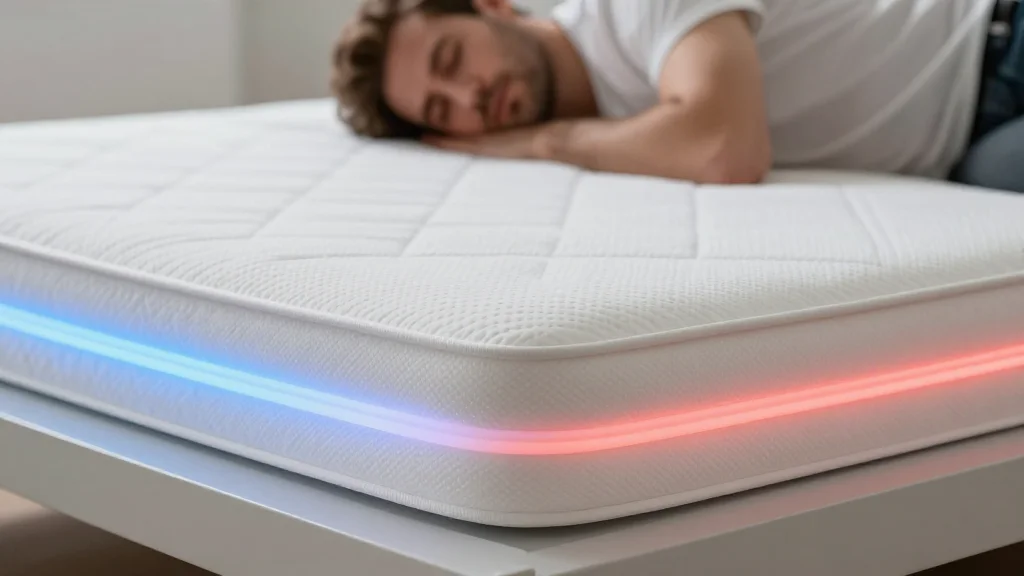
My Two Sleepless Months With the Eight Sleep Pod
New York Times Magazine writer Amy X. Wang spent two months testing the Eight Sleep Pod, a $3,500 AI‑driven temperature‑controlled mattress topper used by CEOs like Elon Musk and Mark Zuckerberg. The device monitors sleep with piezoelectric sensors, offers individualized...
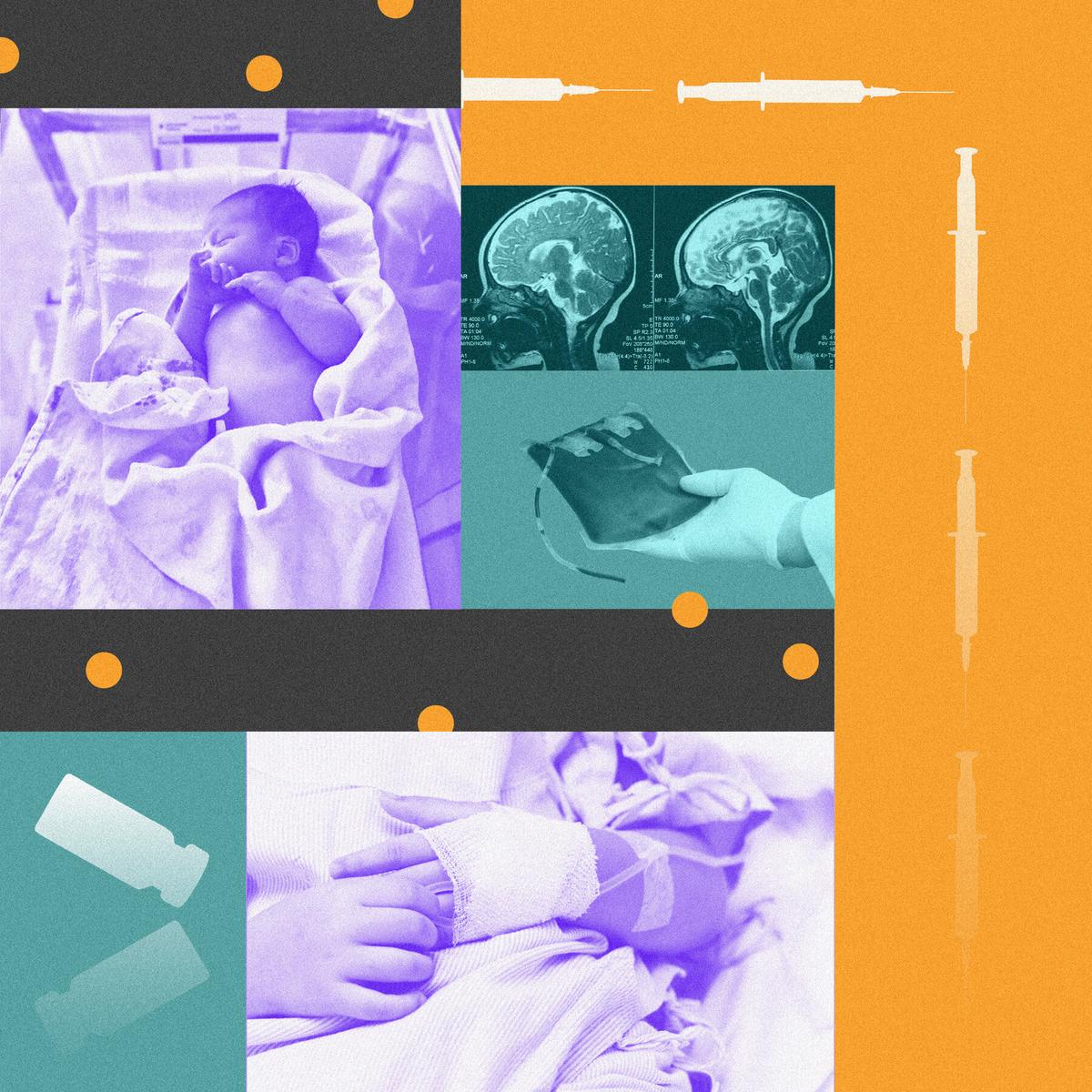
Hospitals See Diseases Resurge as Vaccinations Decline
Doctors across the United States are reporting a sharp uptick in vaccine‑preventable illnesses such as whooping cough, rotavirus, and other bacterial infections as childhood vaccination rates fall. The resurgence follows a nationwide measles spike, which experts view as a warning...
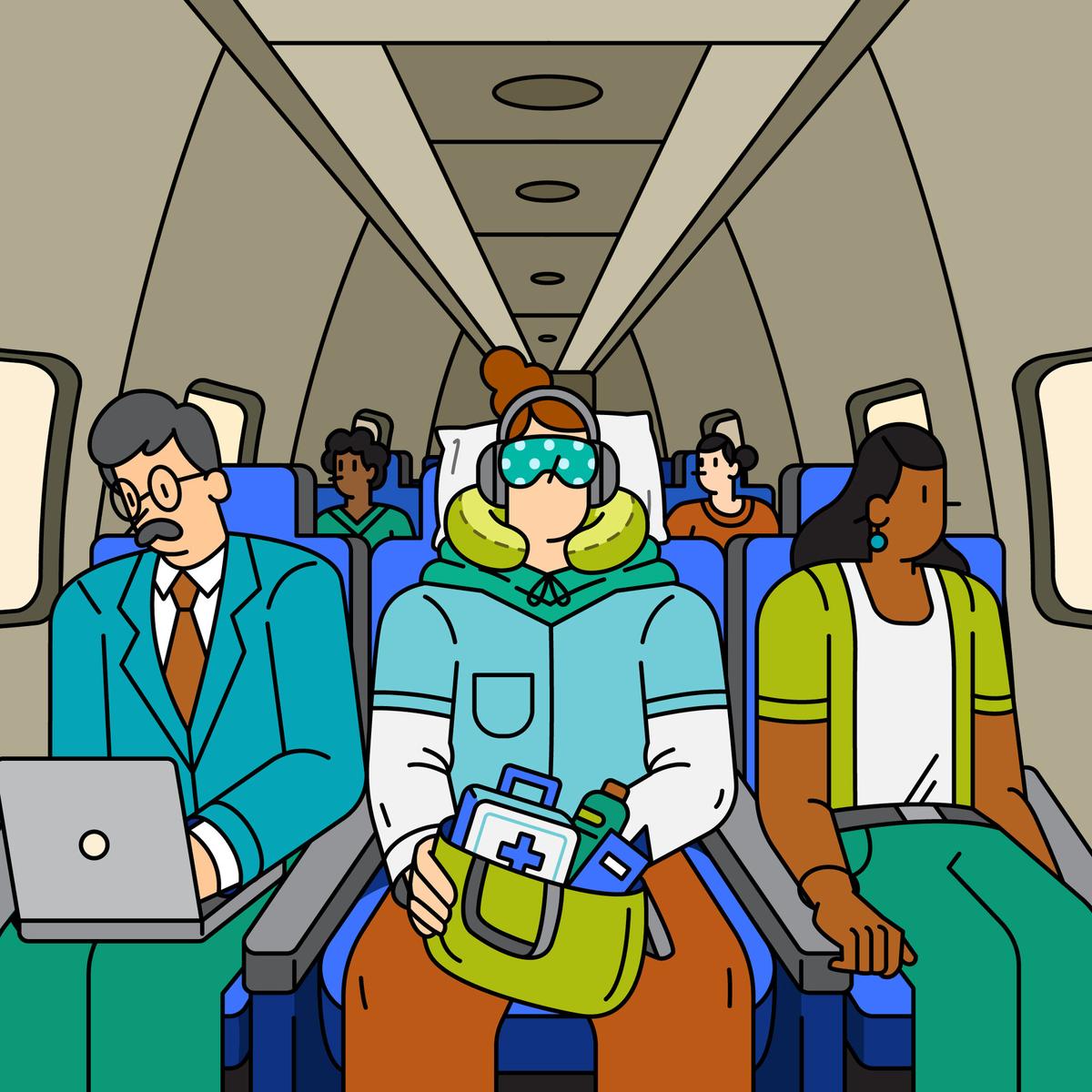
How to Travel if You Have Panic Attacks
The New York Times piece offers practical guidance for travelers who experience panic attacks, emphasizing that anxiety need not bar global exploration. It recommends using short, local day trips as exposure therapy to desensitize triggers, and reframing anticipatory anxiety as...

In Flint, Cash for Pregnant Women Leads to Better Outcomes for Babies
A Flint, Michigan pilot called Rx Kids paid pregnant women $1,500 mid‑pregnancy and $500 a month for the child’s first year, with no spending restrictions. The Lancet Public Health study of 4,500 births showed premature births fell 2.7 percentage points and...

Celebs and Influencers Tout N.A.D.+. But Is the Supplement Effective?
New research published in *Nature Metabolism* challenges the core premise of the booming NAD+ supplement market. An analysis of over 300 blood samples across seven datasets shows that NAD+ levels do not decline with age, contradicting long‑standing dogma. While supplementation...
Can Allegra and Pepcid AC Really Ease Menopause or Period Symptoms?
Women are turning to over‑the‑counter antihistamines Allegra (H1) and Pepcid AC (H2) to alleviate symptoms of PMDD, perimenopause and menopause, citing sudden clarity and reduced brain fog. The trend is fueled by social‑media anecdotes, but experts warn there are no clinical...

Should You Trust Your Health to a Chiropractor?
The piece examines how chiropractic care has shifted from a fringe practice to a mainstream component of U.S. health services, noting that roughly 11 percent of American adults visited a chiropractor in 2022, primarily for pain management. National back‑pain guidelines now...
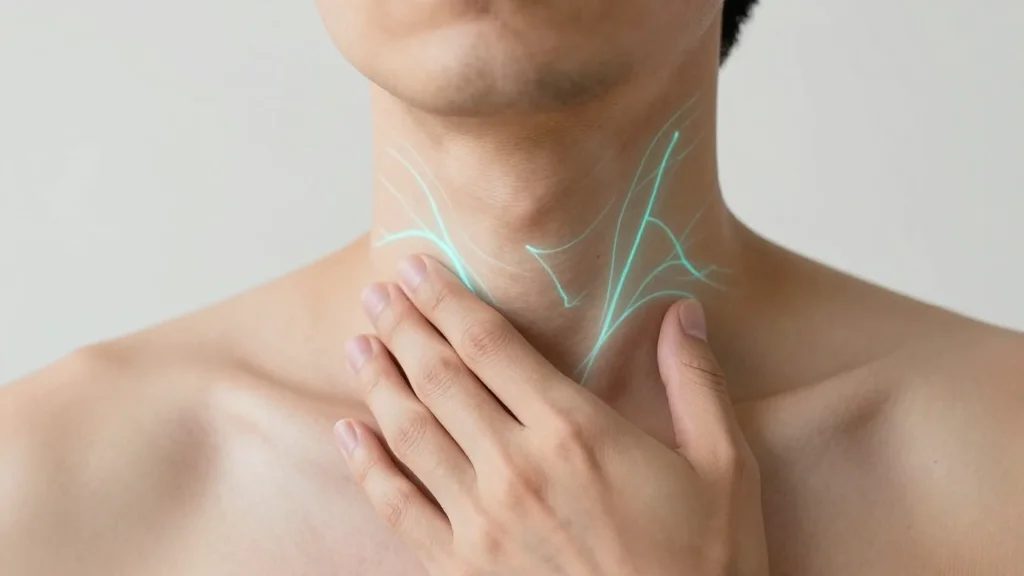
Are Vagal Nerve Stimulators a Scam?
The vagus nerve, a key brain‑body conduit, has become a wellness buzzword, with influencers touting DIY electrical stimulation for sleep, stress, and brain fog. While a handful of FDA‑cleared implantable devices treat epilepsy and depression, most consumer‑grade wearables lack regulatory...
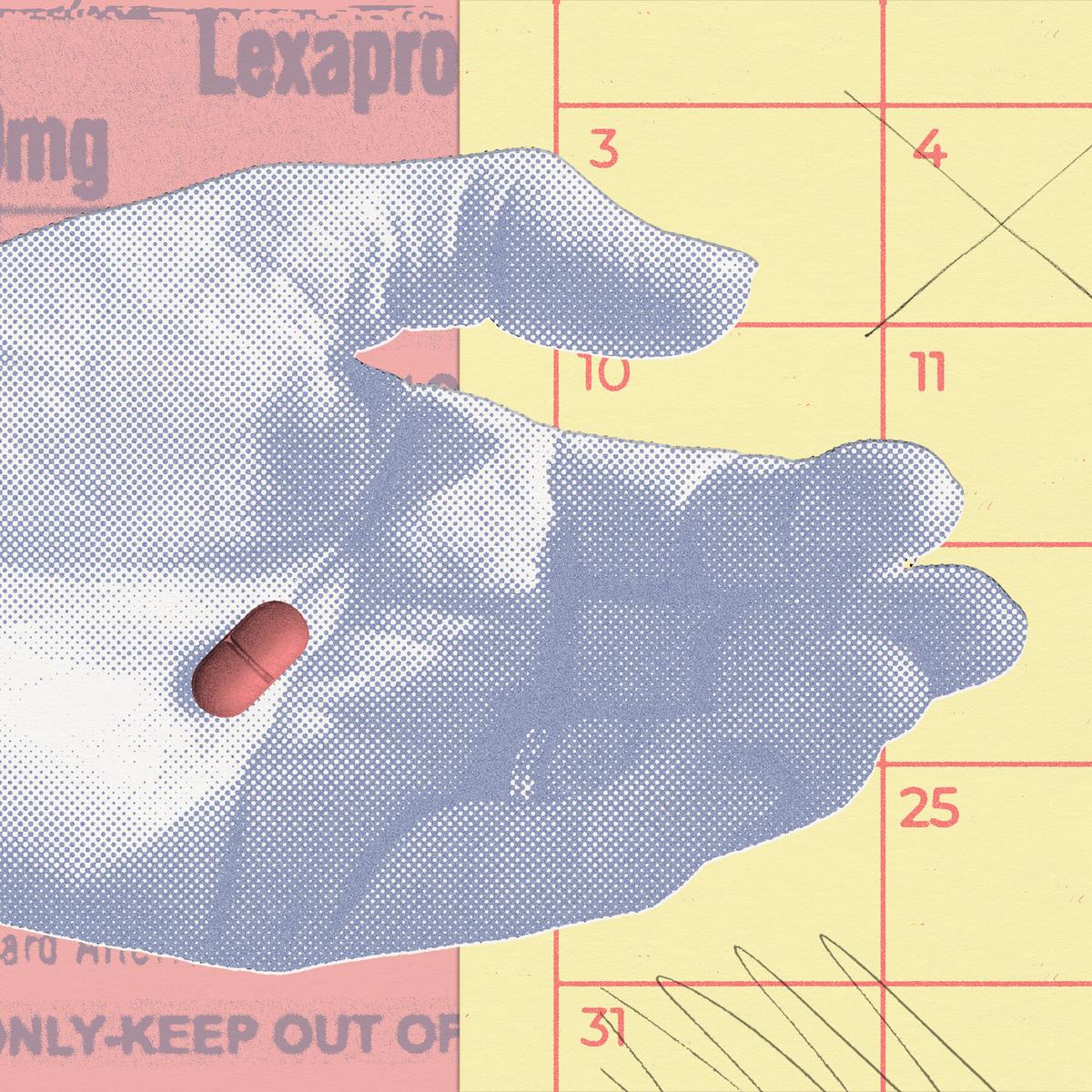
Thinking About Stopping an Antidepressant? Here’s What to Consider.
Health Secretary Robert F. Kennedy Jr. announced initiatives encouraging people to consider stopping antidepressants, especially selective serotonin reuptake inhibitors (SSRIs), while emphasizing that no one is being told to quit abruptly. The American Society of Clinical Psychopharmacology recently urged clinicians...
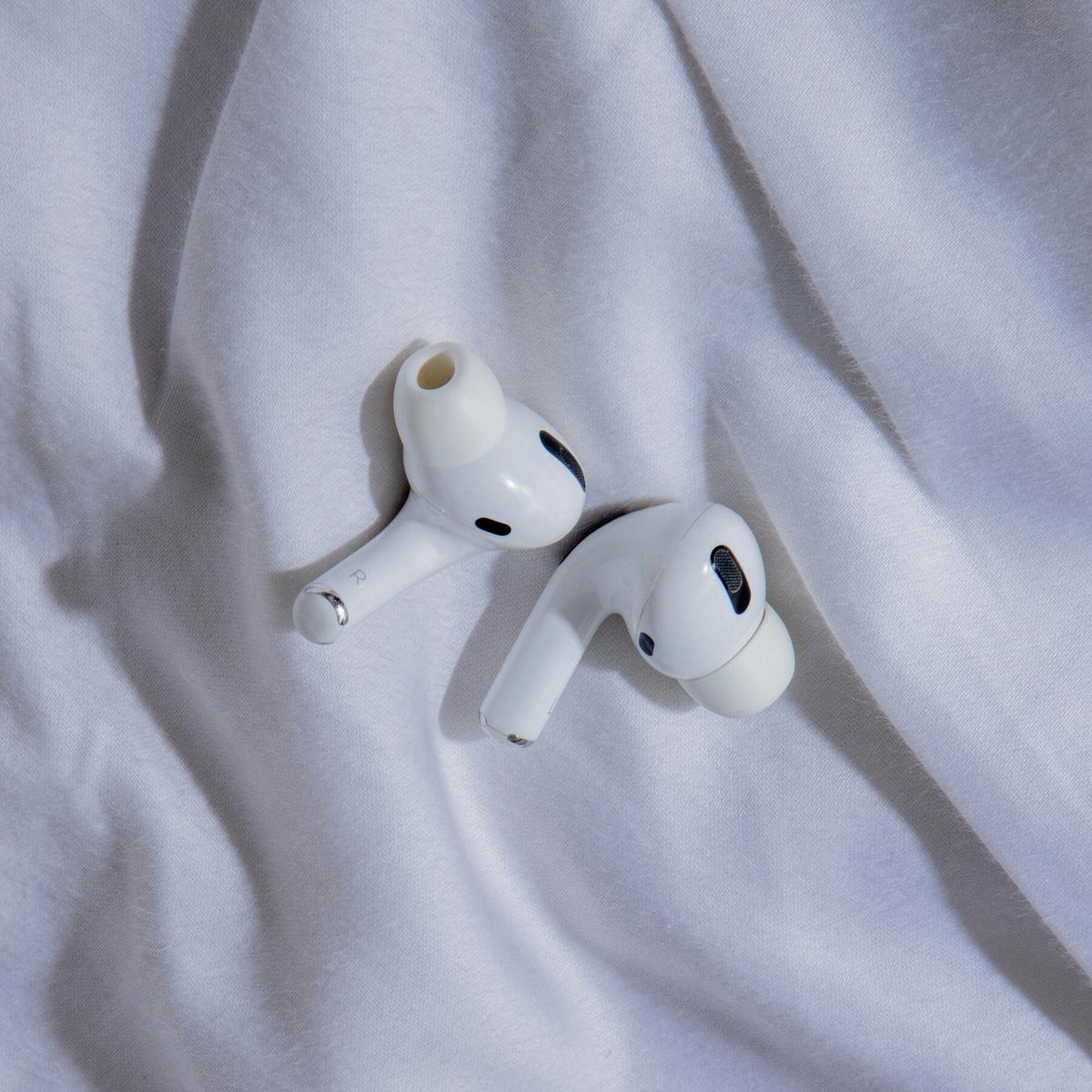
Is It Safe to Wear Earbuds While Sleeping?
Doctors say wearing earbuds while sleeping is generally safe, but the sealed design can trap moisture, promote bacterial growth, and cause ear‑wax buildup or skin irritation. Studies on healthcare workers show modest sleep‑quality gains, yet prolonged, all‑night use may increase...

This 4-Week Challenge Will Actually Help You Get Off Your Phone
The Well platform launches a month‑long “Touch Grass” Challenge in June to help users curb excessive phone use. Each Thursday, participants receive evidence‑based weekly tasks encouraging outdoor activity, social connection, and creative breaks. The program is guided by columnist Jancee...