
This 4-Week Challenge Will Actually Help You Get Off Your Phone
A new four‑week digital‑detox challenge encourages participants to cut back on phone use and substitute screen time with outdoor activities. Research shows the average adult spends more than five hours daily on smartphones, contributing to shallow breathing, poorer sleep, and reduced attention spans. The program offers structured daily tasks, weekly check‑ins, and habit‑forming techniques to help users reclaim focus and improve physical well‑being. Early adopters report better sleep quality, heightened concentration, and a stronger connection to real‑world experiences.

Are You Frail? What to Know and How to Reduce Your Risk
Nearly half of U.S. adults aged 50 and older are classified as pre‑frail, a stage that precedes full frailty and is amenable to early intervention. Full frailty affects about 11% of people in their 50s but jumps to 51% among...

How Healthy Are Artichokes?
Artichokes, the edible flower buds often dismissed as intimidating, are a nutrient‑dense food that delivers high fiber, low calories, and a broad spectrum of vitamins and minerals. A medium cooked artichoke supplies about seven grams of fiber—roughly a quarter of...
Shoulder Pain Exercises: 7 Moves to Improve Mobility
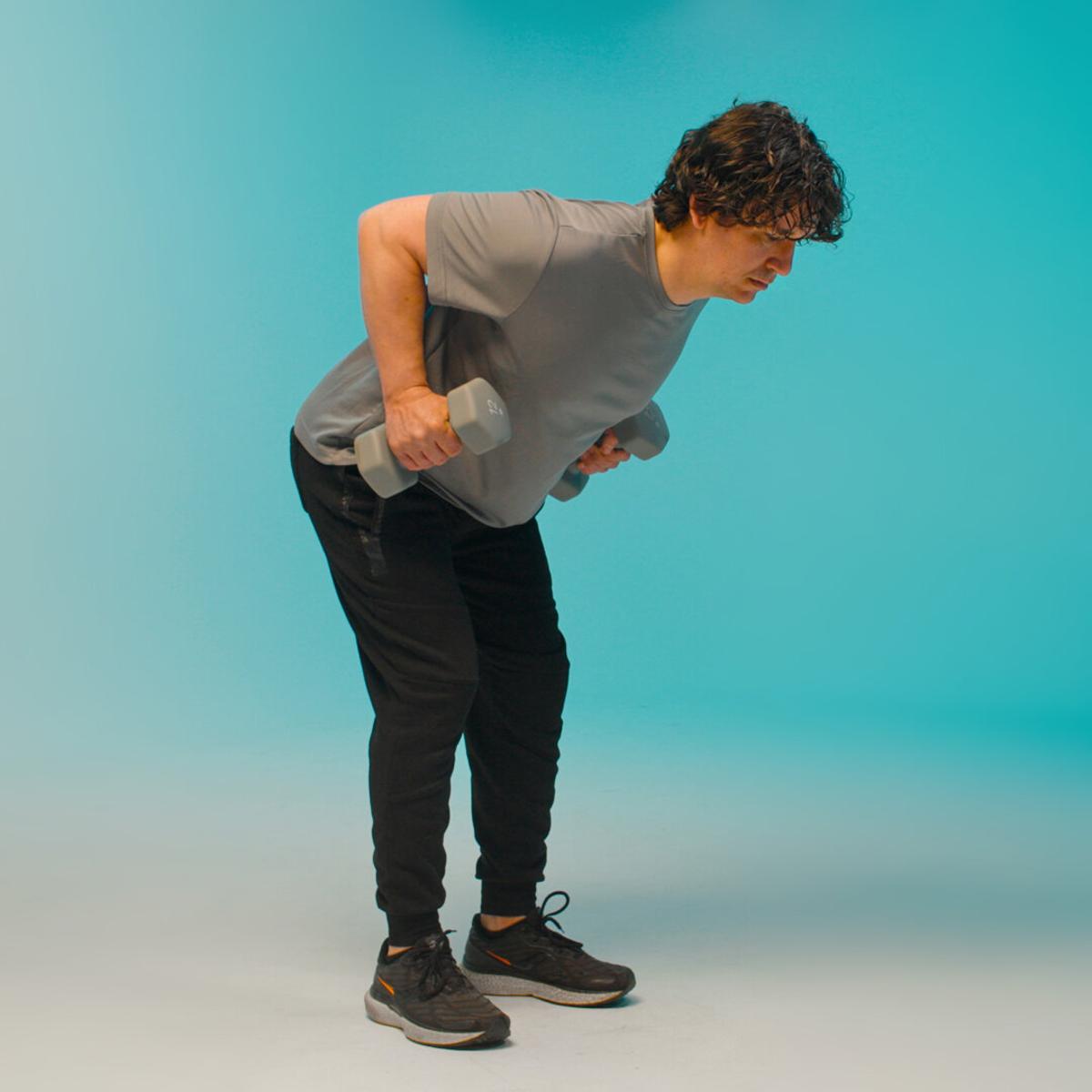
Shoulder pain is among the most common musculoskeletal complaints, driven by the joint’s shallow socket and reliance on soft‑tissue support. Experts from Hospital for Special Surgery and the University of Indianapolis explain that an imbalance between the powerful deltoids and...

More People Are Getting Health Advice From TikTok and Instagram. Is That a Good Thing?
A Pew Research Center analysis of nearly 13,000 health‑and‑wellness accounts shows that half of U.S. adults under 50 now turn to influencers or podcasters for health advice. Only about 20% of the most followed accounts belong to licensed medical professionals,...
About Half of Patients with Metastatic Lung Cancer Don’t Get Treatment, Study Finds
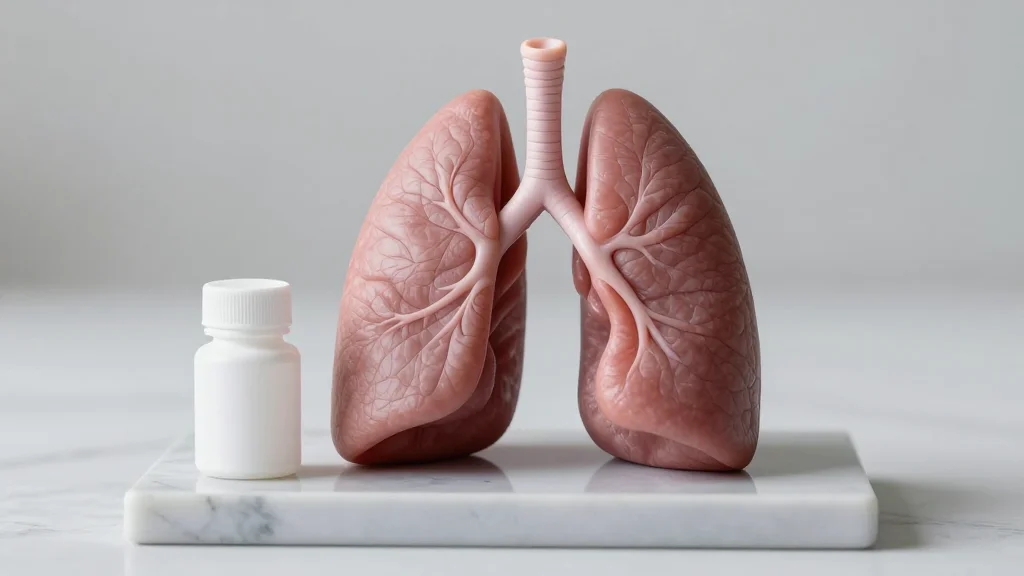
A JAMA Oncology study of over 250,000 Medicare beneficiaries shows that only 48% of patients with metastatic lung cancer received life‑extending therapies between 2006 and 2021, a modest rise from 45%. Despite dozens of new chemo, immunotherapy and targeted drugs...

I’m Unhappily Single. Do I Have to Attend My Friend’s Wedding?
Therapist Lori Gottlieb addresses a reader’s dilemma about attending a friend’s wedding that clashes with a long‑standing concert getaway. The writer feels torn between loyalty to the bride, personal guilt, and the emotional strain of being single at a ceremony....

American Factories Lag in Adopting A.I. This Drugmaker Is an Exception.
American manufacturers are falling behind in applying artificial intelligence on the factory floor, even though the United States leads AI research and investment. The only U.S. plant on the World Economic Forum’s 2026 Global Lighthouse Network is Bristol Myers Squibb’s Devens,...
Tofersen, a New Treatment for A.L.S., Reverses Symptoms for Some
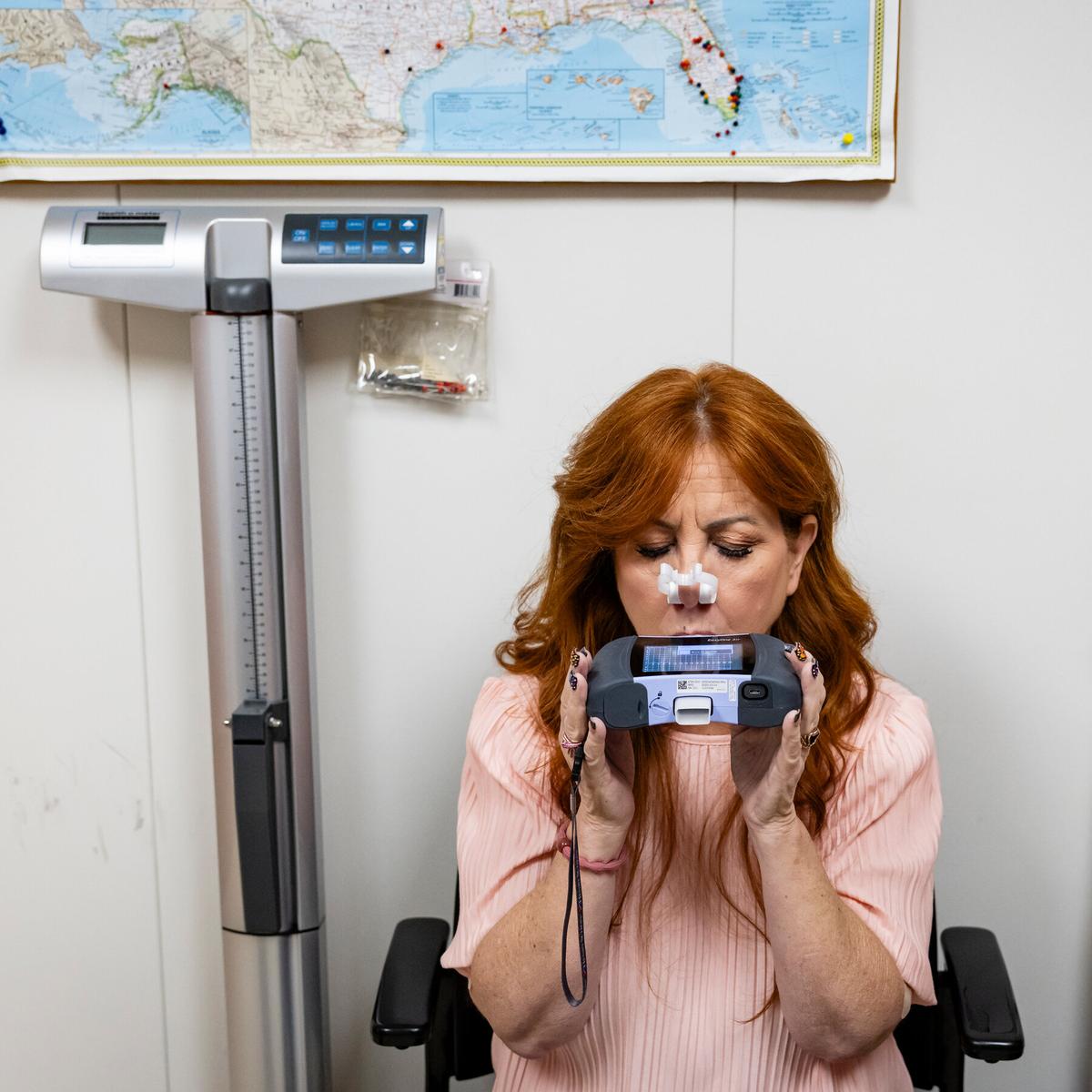
Tofersen, the first FDA‑approved therapy targeting the SOD1 genetic form of ALS, is showing functional gains in a subset of patients. In a case highlighted by the New York Times, 58‑year‑old Amanda Sifford’s lung capacity rebounded from 48% to 86%...
Is Self-Tanner Bad for You?
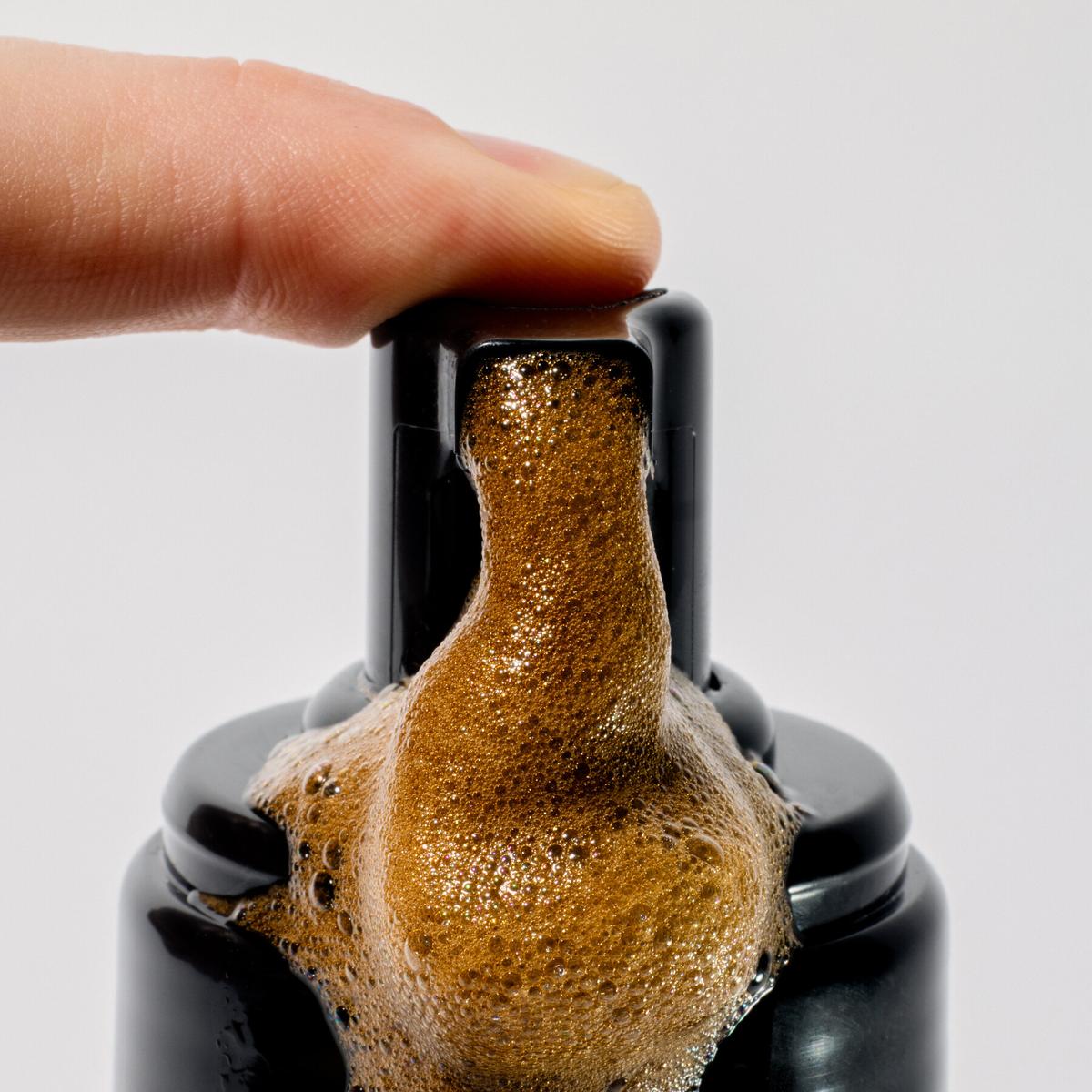
Self‑tanning products, driven by the active ingredient dihydroxyacetone (DHA), have surged in popularity as a UV‑free alternative to traditional tanning. A market‑research firm projects U.S. self‑tanner revenues to grow roughly 44 % between 2021 and 2030. Dermatologists agree sunless tanning is...

How Your Gut Can Affect Your Brain
A growing body of research shows the gut‑brain axis directly impacts mental clarity, with patients experiencing IBS often reporting brain fog, fatigue, and sluggishness. The vagus nerve serves as the primary conduit, transmitting signals between gut microbiota and the brain....
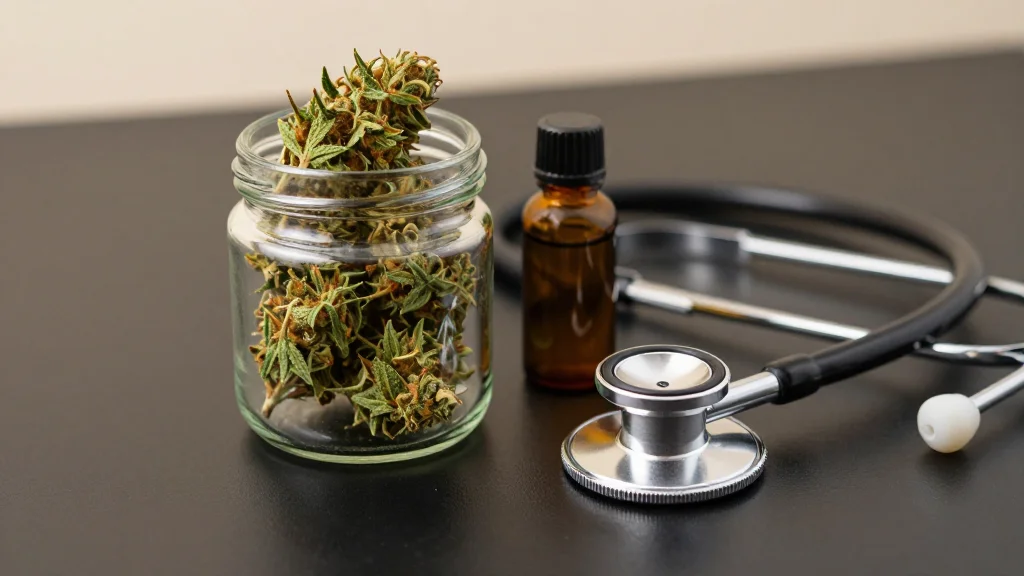
What Doctors Want You to Know About Cannabis and Health
President Trump recently loosened federal medical‑marijuana restrictions, prompting optimism among researchers for expanded studies. The FDA currently approves only a few cannabis‑derived drugs for chemotherapy‑induced nausea, AIDS‑related wasting, and seizures. Experts highlight that the strongest evidence supports modest pain relief,...

What Is Hantavirus, Which Is Linked to the Deaths of 3 People Aboard a Cruise Ship?
Three passengers on an Atlantic‑crossing cruise ship have died, and health officials suspect hantavirus as the cause. The virus, carried by rodents, typically spreads when people inhale dust contaminated with rodent droppings. Person‑to‑person transmission is exceedingly rare, with only the...

There’s a Right and Wrong Way to Use Urgent Care
Urgent care has exploded in the United States, reaching over 15,000 clinics in 2024, up from 7,000 a decade earlier. Roughly 25% of Americans now visit an urgent‑care center each year, drawn by walk‑in access, extended hours, and lower costs...
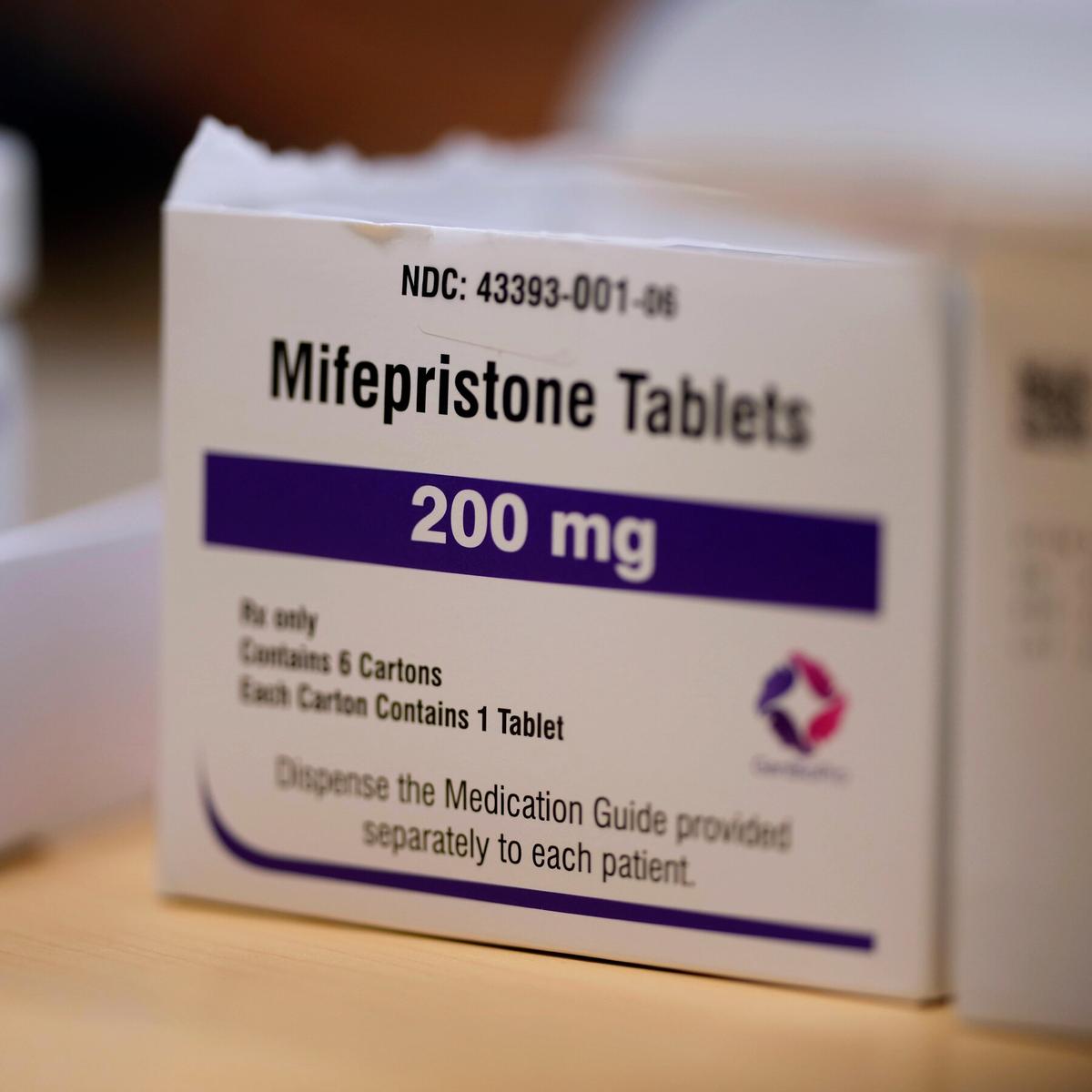
Federal Appeals Court Temporarily Halts Abortion Pill Access by Mail
A federal appeals court in the Fifth Circuit issued a temporary stay that blocks abortion providers from prescribing mifepristone via telemedicine and mailing the pills to patients. The ruling follows a lawsuit by Louisiana seeking to enforce its near‑total abortion...
Do Supplements Help You Sleep? Here’s What to Know.
A new CDC report reveals that one in eight American adults regularly use over‑the‑counter sleep aids or supplements such as melatonin and magnesium. Nearly one‑third of adults fail to meet the recommended seven‑hour sleep threshold, with women disproportionately affected by...
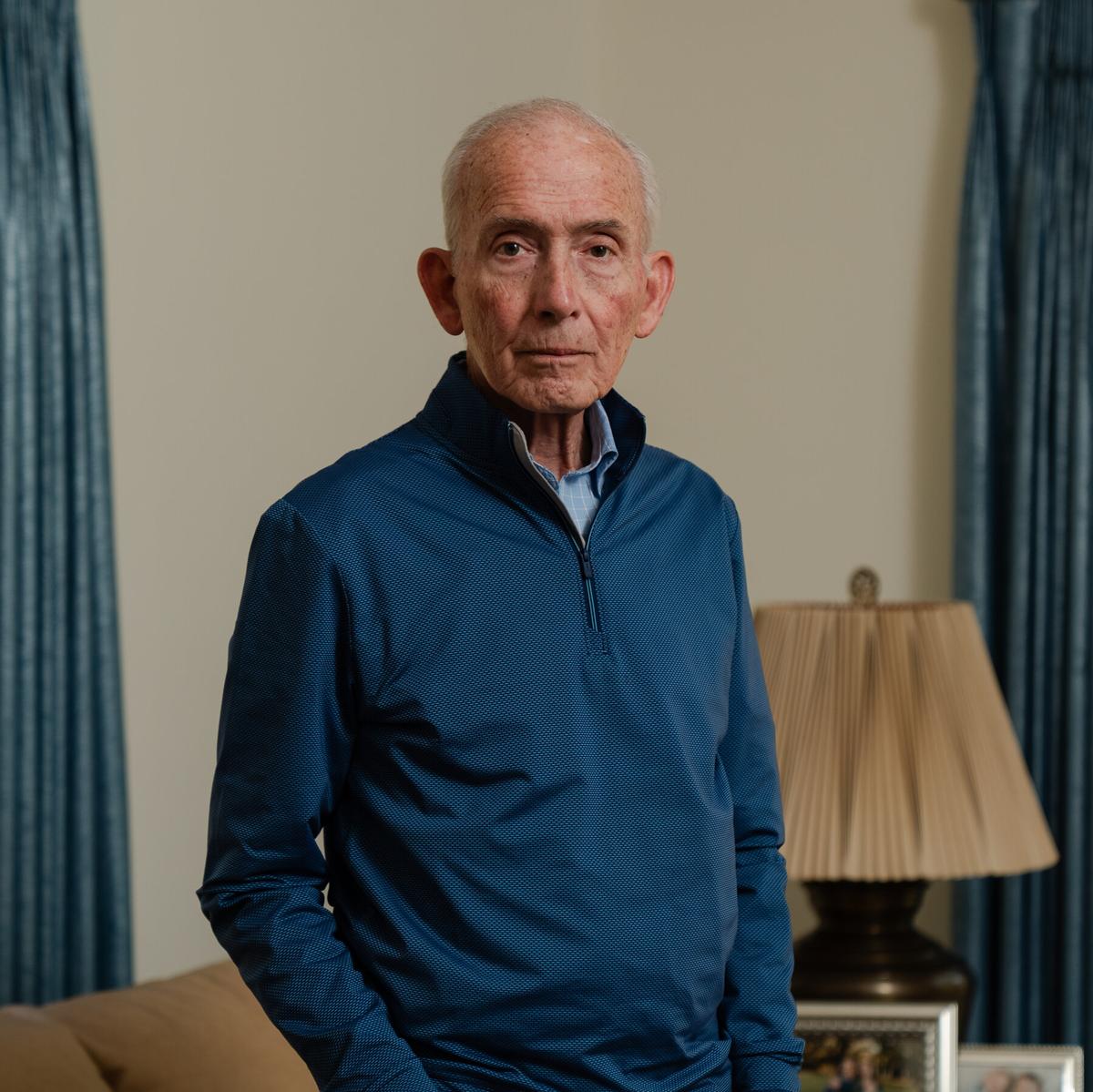
F.D.A. Grants Early Access to Promising Drug for Pancreatic Cancer
On May 1, the FDA granted expanded‑access permission for daraxonrasib, an experimental oral drug from Revolution Medicines, allowing patients with previously treated metastatic pancreatic cancer to obtain the therapy outside clinical trials. The drug, taken as three pills daily, has produced...

Trump Picks Nicole Saphier for Surgeon General After Withdrawing Casey Means Nomination
President Donald Trump withdrew Dr. Casey Means’ stalled surgeon‑general nomination and announced Dr. Nicole B. Saphier as his new pick. Saphier, a radiologist and breast‑imaging director at Memorial Sloan Kettering’s Monmouth campus, is known for a wellness podcast and frequent...

Minimal Comfort Feeding Is a New, Controversial Approach in Late Dementia
The article examines "minimal comfort feeding," a controversial approach that provides only enough nutrition to prevent dehydration in patients with late‑stage dementia, illustrated by Linda Lawson’s experience. It contrasts this method with traditional force‑feeding, highlighting the conflict between preserving life...
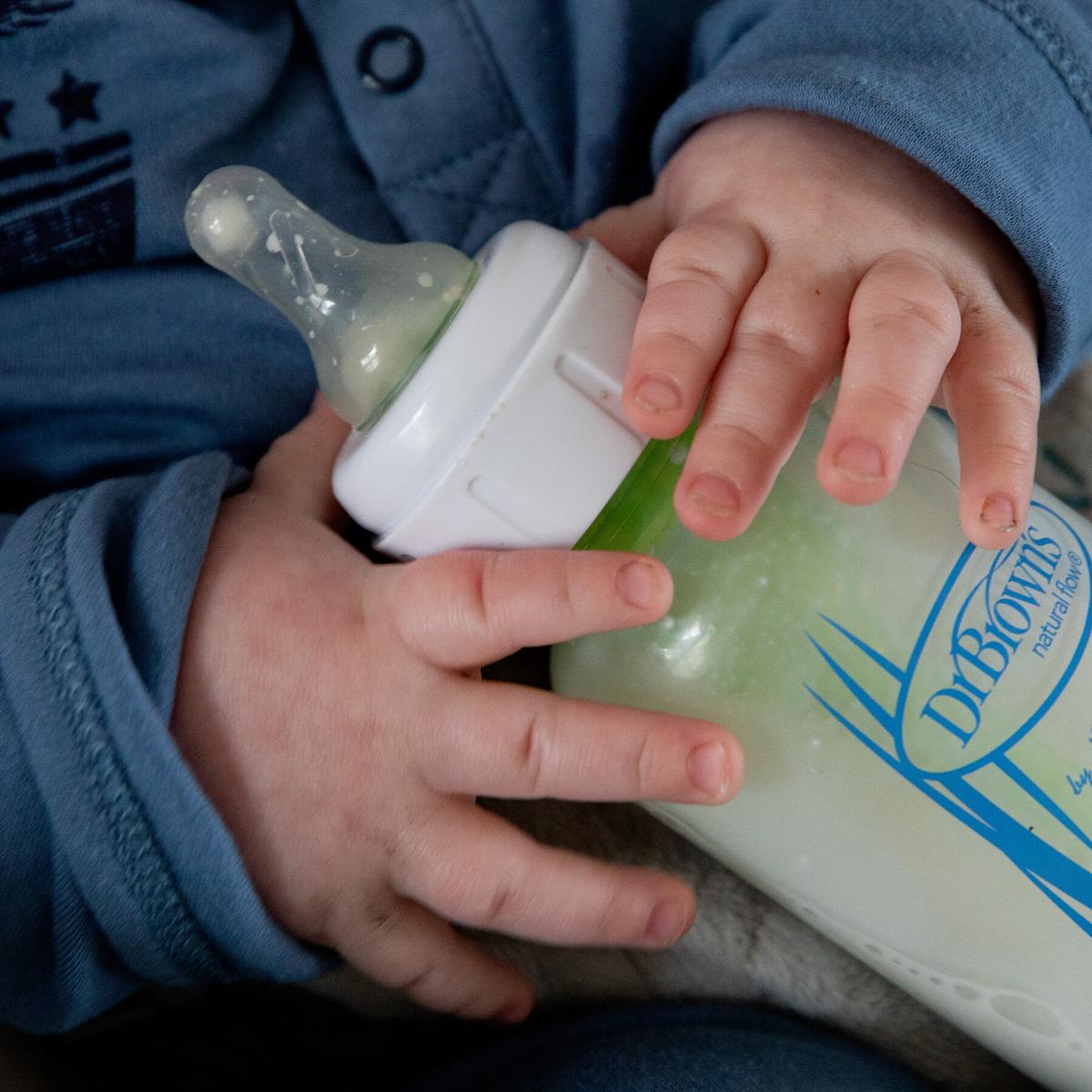
F.D.A. Releases Results From Major Infant Formula Safety Study
The FDA released the first results of Operation Stork Speed, its expanded testing program for infant formula, after purchasing and analyzing more than 300 samples between 2023 and 2025. The agency found low levels of heavy metals and pesticides, deeming...

Readers Share Stories on How to Prepare for a Longer Life
The New York Times surveyed readers about how to thrive financially and personally as life expectancy rises. A 25‑year‑old Gen Z respondent highlighted early saving, opening an IRA and 401(k), and living frugally with parents to fund a home purchase before 30. Hundreds...

Your Doctor’s Notes Might Be Written by an A.I. Algorithm. Here’s What to Know.
Artificial intelligence scribes are rapidly entering U.S. clinics, with roughly 30% of physicians now using them to transcribe patient visits into draft notes. Doctors spend about 2.3 hours on paperwork for every eight hours of care, and early trials suggest...

Cardio vs Strength Training: Do I Really Need to Do Both?
Strength training has become a popular focus for many fitness enthusiasts, but health experts warn that neglecting cardio can leave gaps in cardiovascular health and overall longevity. The American Heart Association and other bodies still recommend at least 150 minutes...

Immaculate Wilderness, Uncertain Future: Paddling the Boundary Waters
The Boundary Waters Canoe Area Wilderness, a 1.1‑million‑acre network of over 1,100 lakes, remains the most heavily visited U.S. wilderness area. Visitors like the author experience pristine forests, clear waters, and abundant wildlife during peak season. However, a proposed copper‑nickel...
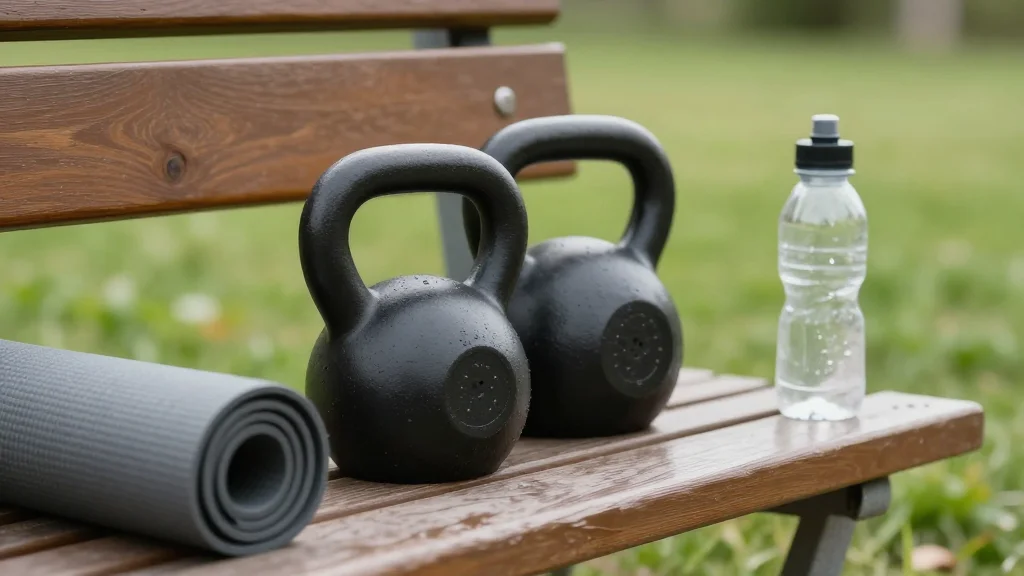
A Full-Body Workout You Can Do In the Park
A new park‑based full‑body routine requires only a bench and a patch of grass, offering a cost‑free alternative to traditional gyms. Exercise physiologist Nikki Fraser frames the outdoor setting as a playful space, while physical therapist Heather Jeffcoat advises beginners...

A Common Stomach Bug Has Become Harder to Treat
The CDC’s latest report shows that extensively drug‑resistant (XDR) shigella now accounts for 8.5% of U.S. infections, up from zero cases in 2011. These XDR strains are unresponsive to the five antibiotics traditionally used for severe cases. While only about...

The Small Changes Readers Made for Better Health
Readers shared dozens of modest lifestyle tweaks that produced outsized health gains, ranging from balancing on one foot while microwaving to decades‑long tai chi practice and learning chess as a screen‑free pastime. The article highlights insights from Mary Jo Kreitzer, who stresses...

How Dermatologists Are Helping People Who’ve Been Sex Trafficked
Dermatologists across the United States are increasingly offering free tattoo‑removal services to survivors of sex trafficking, turning a visible mark of abuse into a pathway toward healing. The New York Times highlighted survivors like Kathy Givens and Melody Montemayor, who underwent multiple laser...

Combative, Defensive and Occasionally Contrite, Kennedy Walks a Fine Line
Health Secretary Robert F. Kennedy Jr. endured a marathon of seven congressional hearings on President Trump’s budget, where he alternated between combative defenses and brief apologies. The hearings highlighted his fraught relationship with both the White House and his own base, especially over...

My Adult Twins Fight Constantly. How Do I Stay Out of It?
Therapist Lori Gottlieb explains that the twins’ constant fighting stems from early role assignments and identity struggles that were reinforced throughout childhood. Comparisons and labels given by parents, teachers, and peers solidified each sister’s self‑concept, turning sibling rivalry into a...
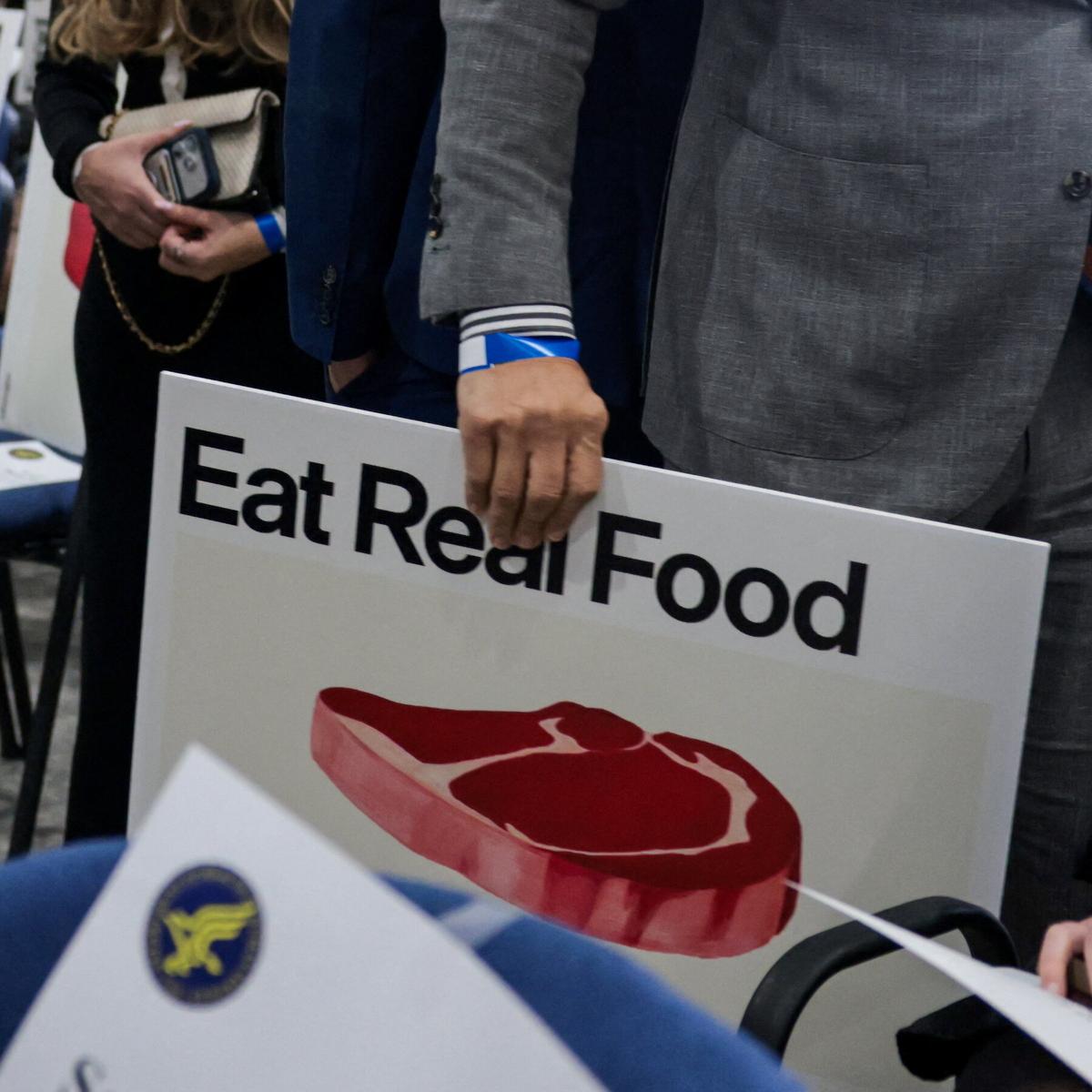
Does the Carnivore Diet Eliminate Visceral Fat?
Health secretary Robert F. Kennedy Jr. announced on X that a carnivore diet cut his visceral fat by 40% in one month, leaving him in the 1st percentile for that dangerous fat type. He attributes the change to a doctor’s recommendation that the...
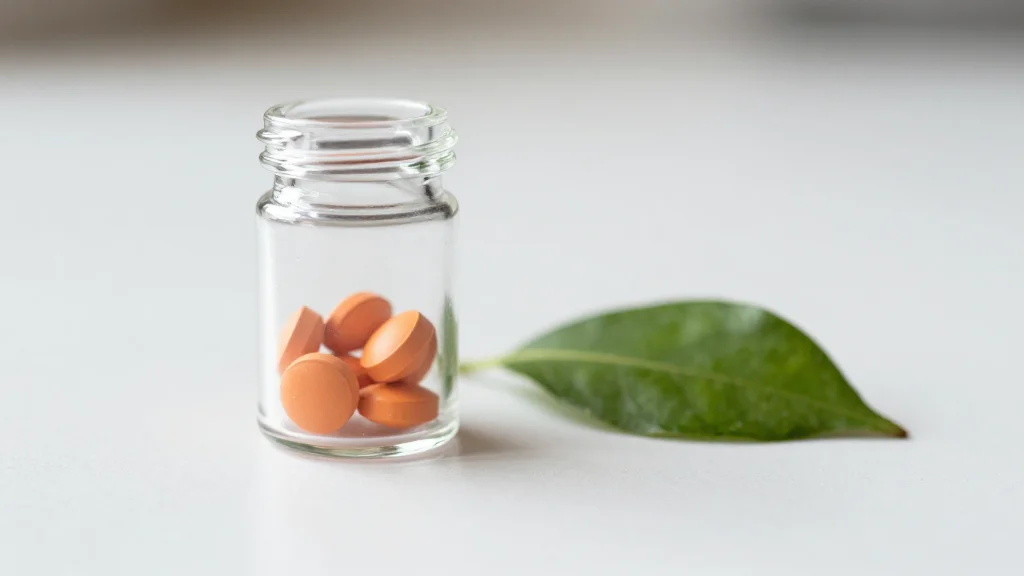
4 Medications That May Increase Dementia Risk
Recent health reports highlight that certain over‑the‑counter and prescription drugs, especially anticholinergic antihistamines, may raise dementia risk by about 50 percent. While medications like statins and some blood‑pressure treatments appear protective, the evidence linking anticholinergics to cognitive decline stems mainly...

Two Drugs Stir Hope for Treatment of Deadly Pancreatic Cancer
Two experimental treatments presented at a San Diego cancer conference have shown early signs of efficacy against pancreatic cancer, a disease that kills more than 50,000 Americans each year. The data come from small, unpublished trials and the drugs have not...

How Do I Prevent Falls at Home?
Most emergency-room trips from falls happen at home, accounting for nearly 80% of indoor incidents. Research shows that simple home modifications—like removing clutter, securing rugs, adding handrails, improving lighting, and using assistive devices—can cut falls by up to 38%. Experts...

What Is Dry Needling? And Does It Work?
Dry needling, an ultrathin‑needle technique targeting muscle trigger points, entered mainstream physical‑therapy after the AMA endorsed it in 2016. The method has been embraced by high‑profile athletes such as Travis Kelce and Caitlin Clark, positioning it as a fast‑acting recovery tool. However,...
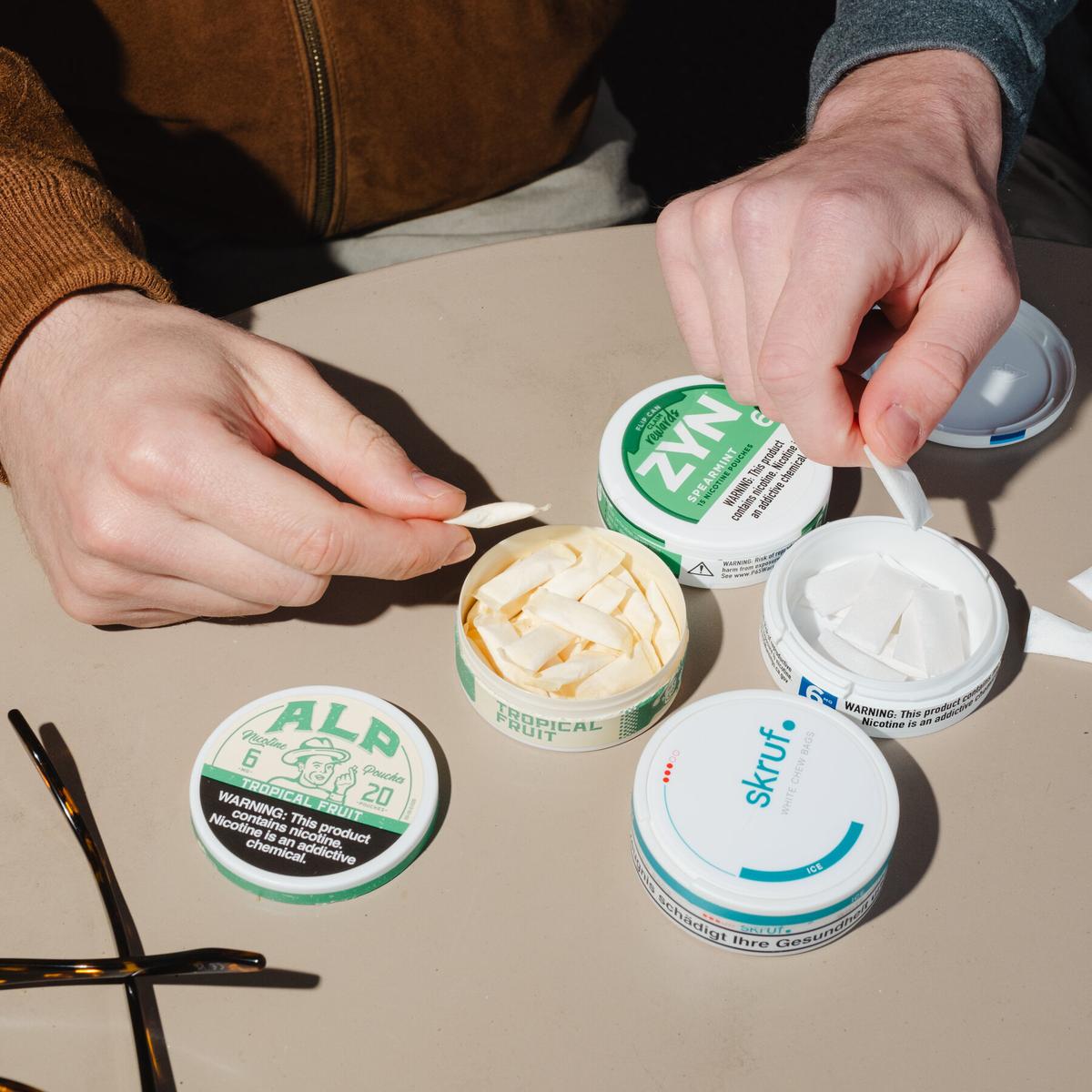
Influencers Are Spinning Nicotine as a ‘Natural’ Health Hack
Health influencers aligned with the Make America Healthy Again movement are promoting nicotine—via patches, gums, lozenges and pouches—as a natural cognitive‑boosting and disease‑prevention product. Figures such as biohacker Dave Asprey and fitness trainer Jillian Michaels claim it can reverse Alzheimer’s,...
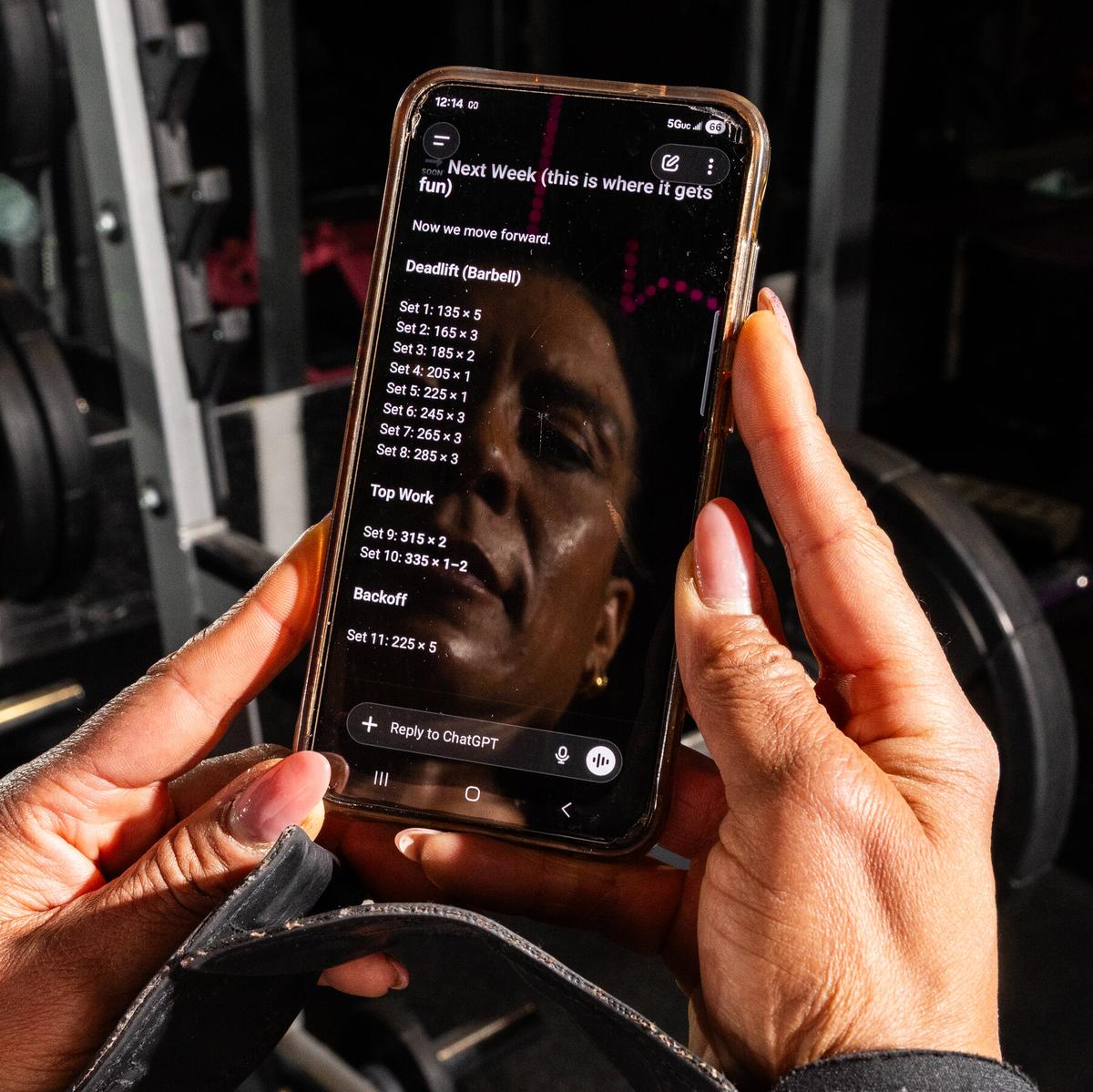
AI and Fitness: Why Some Athletes Are Using Chatbots for Their Workouts
Athletes are increasingly turning to general‑purpose AI chatbots such as Claude and ChatGPT for personalized workout guidance. The author uploaded a decade of Strava data to Claude, which produced a half‑marathon plan based on Jack Daniels' principles. Industry surveys show...

Trump Expected to Loosen Restrictions on Psychedelic Drugs
President Trump is set to sign an executive order that will loosen federal restrictions on psychedelic drugs such as LSD, ecstasy and psilocybin. The order earmarks $50 million for state‑level ibogaine research, with Texas slated to receive the first grant. It...
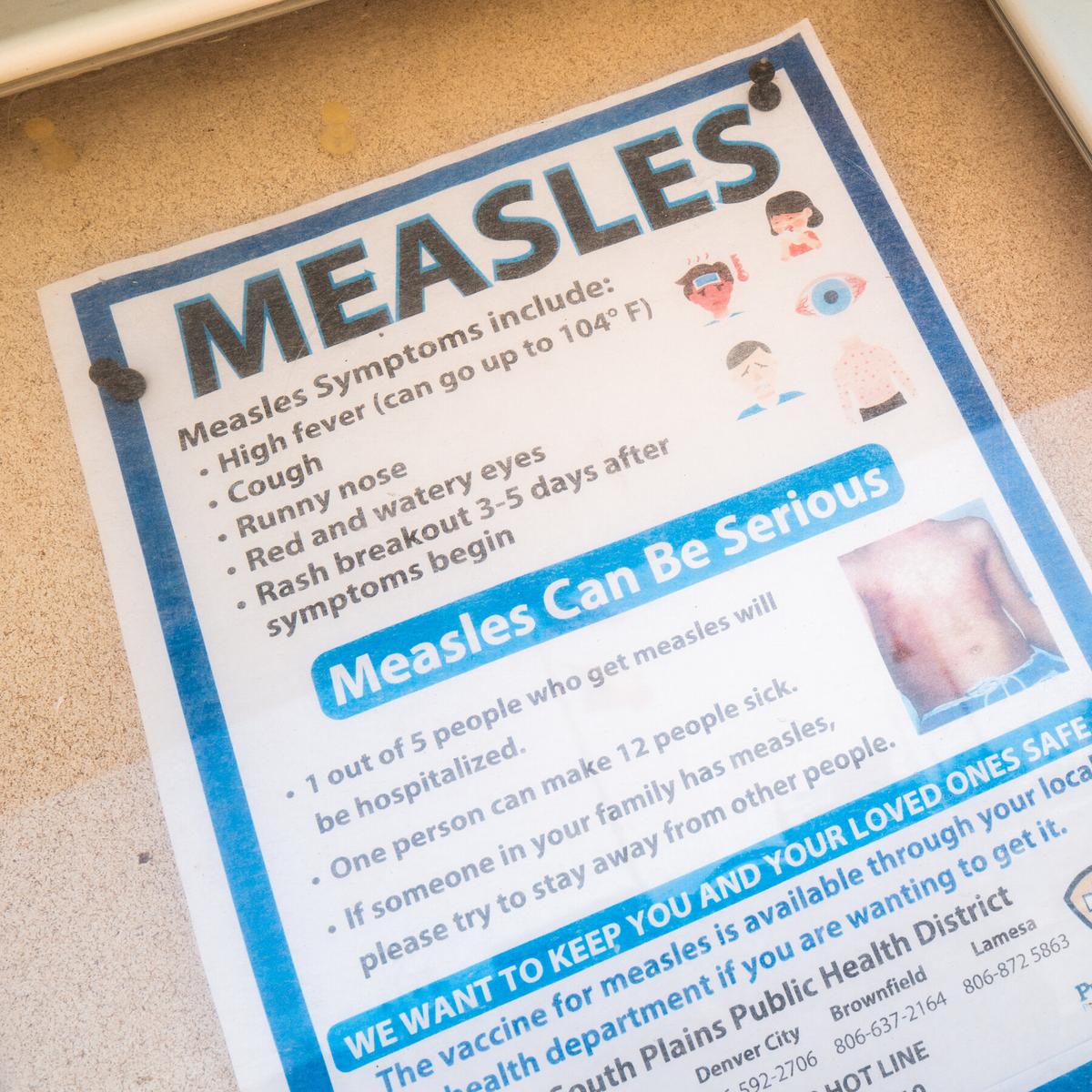
Utah Becomes the New Center of U.S. Measles Cases
Utah now leads U.S. measles cases with nearly 600 infections, mostly children, since the outbreak began last summer along the Utah‑Arizona border. About one‑third of patients required emergency‑room care and 49 have been hospitalized. Vaccine exemptions among kindergarteners rose to...

Batch of Anti-Anxiety Drug Xanax Recalled, F.D.A. Says
The FDA announced a recall of a single batch of Xanax XR, the extended‑release formulation of the popular anti‑anxiety medication. Viatris, the drug’s distributor, is pulling 51 bottles of 3 mg tablets because they may not dissolve properly, potentially altering drug...

RFK Jr. To Reform Health Panel That Determines Which Screenings Insurers Cover
Health Secretary Robert F. Kennedy Jr. announced plans to reform the United States Preventive Services Task Force (USPSTF), accusing it of two decades of negligence. The panel, which guides insurer coverage for screenings like colonoscopies, mammograms, and mental‑health tests, has seen its meetings...

5 Books That Can Help You Navigate Stressful Times
A new feature article lists five books that help readers cope with stress, emphasizing the therapeutic power of fiction and memoir. The piece cites research linking reading to increased empathy and well‑being, and includes expert commentary from a Georgetown psychiatry...

3 Years After a Landmark Law, Some Pregnant Workers Still Don’t Get Basic Accommodations
The Pregnant Workers Fairness Act, effective June 2023, guarantees reasonable accommodations for pregnant employees, yet many firms still refuse basic requests such as seating. Recent EEOC complaints highlight Amazon and Speedway denying medical documentation and forcing pregnant workers to stand,...

How to Treat and Prevent Calluses on the Feet
The article explains that calluses form from friction and pressure on the feet, especially during warmer months or with ill‑fitting shoes. Podiatrists and dermatologists describe calluses as a protective skin response but warn they can become painful or infected if...

F.D.A. Calls on Drug Developers to Publish Missing Data From Thousands of Trials
The FDA announced it has dispatched more than 2,200 letters to drug makers, device manufacturers and researchers, demanding the publication of clinical‑trial results that remain absent from ClinicalTrials.gov. An internal analysis shows roughly 30 % of studies under FDA review have...

He Warned About the Dangers of A.I. If Only His Father Had Listened.
Ben Riley, an Austin resident, discovered through his father's MyChart portal that his 75‑year‑old dad, retired neuroscientist Joe Riley, had been warned by oncologists to start treatment for chronic lymphocytic leukemia within ten months. Despite the urgent medical notes, Joe...

How Healthy Are Oats?
Oats are a low‑fat, protein‑rich grain celebrated for their high beta‑glucan fiber content. The soluble fiber thickens gut contents, binding cholesterol‑laden bile acids and helping remove them from the body. The FDA has officially linked at least three grams of...

3 Simple Exercises to Prevent Plantar Fasciitis
Physical therapist Denise Smith notes a spring surge in plantar fasciitis as people swap winter boots for sandals. The condition, affecting roughly 10% of Americans, stems from sudden stress on the foot’s connective tissue. Traditional treatments focused on rest or...

The Jump Rope Queen of Beverly Hills
Annie Judis, an 82‑year‑old Beverly Hills resident, continues to dominate as the world’s oldest competitive rope skipper, holding a Guinness World Record. She films daily jump‑rope routines in her home, sharing them on Instagram where she has 187,000 followers. The...

At 82, the ‘Jump Rope Queen of Beverly Hills’ Is Still Going
Annie Judis, an 82‑year‑old from Beverly Hills, has reclaimed the title of the world’s oldest competitive jump‑rope athlete. She documents rigorous daily rope‑skipping sessions on Instagram, where her followers have surged past 200,000. Judis credits the sport with preserving her...