
The Single Most Important Strength Training Move for Triathletes
The article argues the deadlift is the single most effective strength‑training exercise for triathletes because it recruits the entire posterior chain and core in a functional, full‑body movement. Co‑founder Nate Helming and former pro Simone Mitchell detail proper technique, common mistakes, and programming across off‑season, pre‑season, and race periods. They recommend 2‑3 weekly sessions in the off‑season, tapering to one weekly maintenance lift during races, with rep schemes adjusted to experience level. Complementary unilateral and plyometric work rounds out a balanced triathlon strength plan.
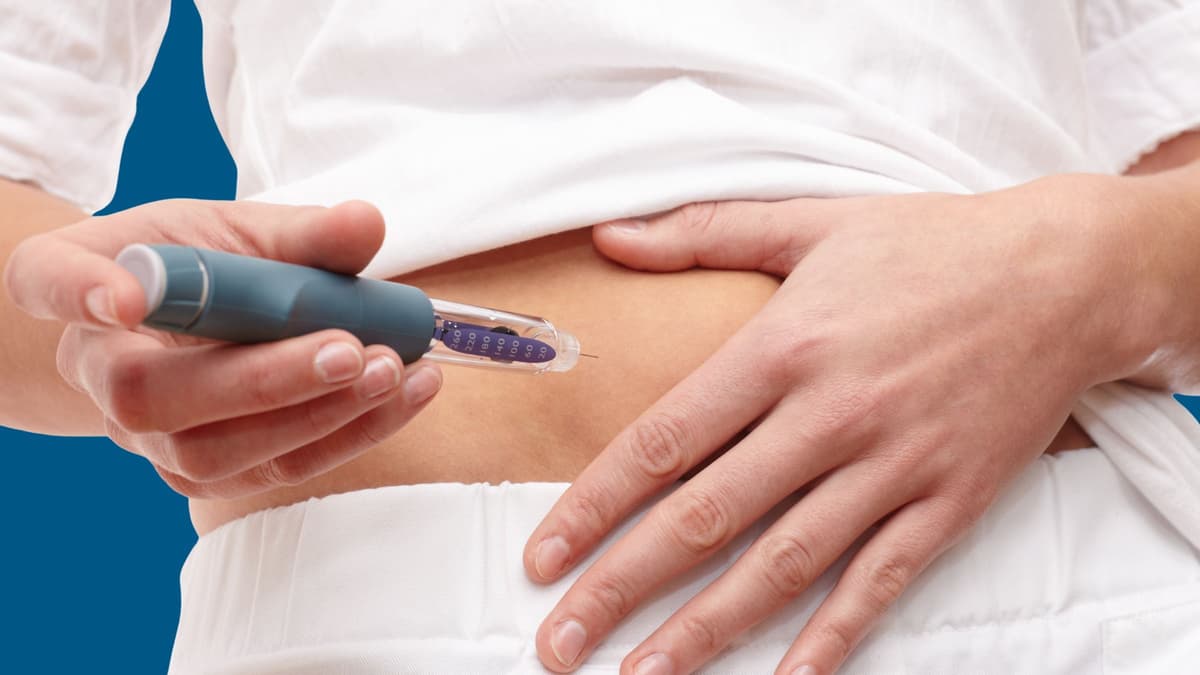
GLP-1 Receptor Agonists and Increased Risk of Tendon Injury in Athletes
New clinical data presented at the AAOS meeting links GLP‑1 receptor agonists to a roughly 50% increase in serious tendon injuries among athletes, including higher rates of rotator‑cuff, Achilles, peroneal and pectoralis ruptures. The absolute risk remains low—Achilles ruptures rose...
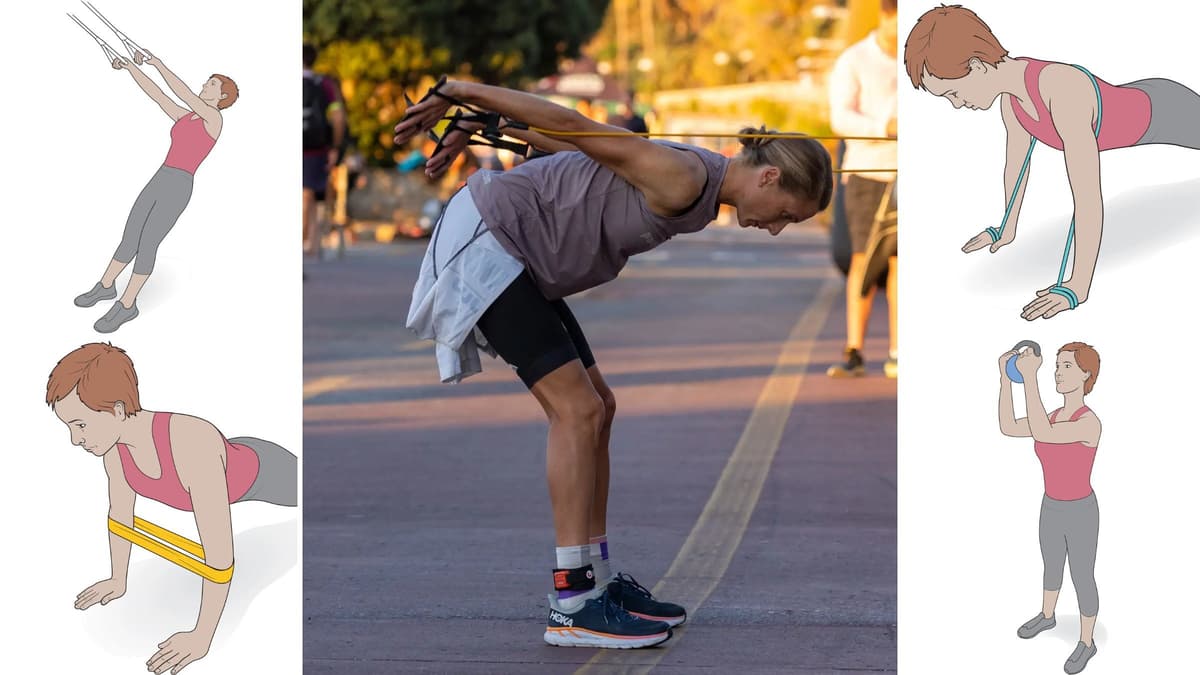
The 8-Minute Shoulder Routine That Will Transform Your Swim
Triathletes often hit the wall in the swim leg due to weak shoulder stability and under‑developed lat and triceps strength. Coach Dede Griesbauer outlines an eight‑minute, low‑volume routine that targets these muscle groups and improves the catch position. The program...
I Didn’t Train Enough. Can I Still Race My Upcoming Triathlon?
Triathletes often face a shortfall in training due to illness, injury, or life demands, leaving them unsure whether to race. The article offers a step‑by‑step decision tree that weighs injury status, fitness versus race distance, cut‑off times, and available alternative...
What Endurance Athletes Need to Know About Sodium and Supplement Limits
Endurance athletes, especially those training in hot, humid conditions, must prioritize electrolyte replenishment, with sodium being the most critical mineral lost in sweat. Federal Dietary Reference Intakes provide baseline limits, but they don’t account for individual sweat rates that can...
Why Triathletes Need to Spend 70-85% of Training Minutes in Zone 2
Triathletes are advised to spend roughly 70‑85% of their weekly training minutes in Zone 2, the intensity just below the first lactate threshold (LT1). This low‑to‑moderate effort maximizes aerobic metabolism, prompting mitochondrial growth and more efficient ATP production. By strengthening the...
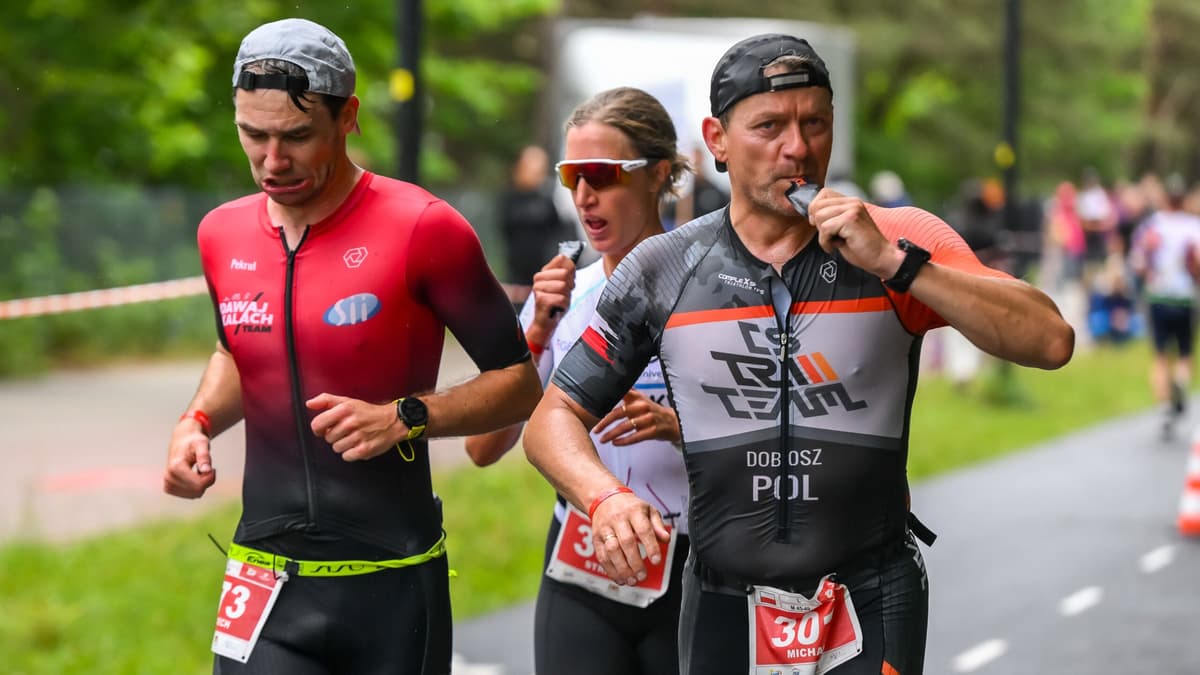
The Nutrition Errors That Lead to Late-Race Blowups in Ironman or 70.3
Triathletes often hit the wall in the final miles of an Ironman or 70.3 because of nutrition missteps made before and during the race. The article outlines how under‑fueling on the bike, improper carb timing, and poor hydration create energy...
The 3 Spots Athletes Must Know to Fix Dysfunctional Breathing and Boost Performance
Jane Tarrant, founder of Link Breathing, reveals that many elite athletes unknowingly practice dysfunctional breathing, which hampers sleep, recovery, and performance. She breaks the problem into three core themes—perception, oxygen‑volume misconceptions, and physical restriction—and introduces three tangible “spots” on the...
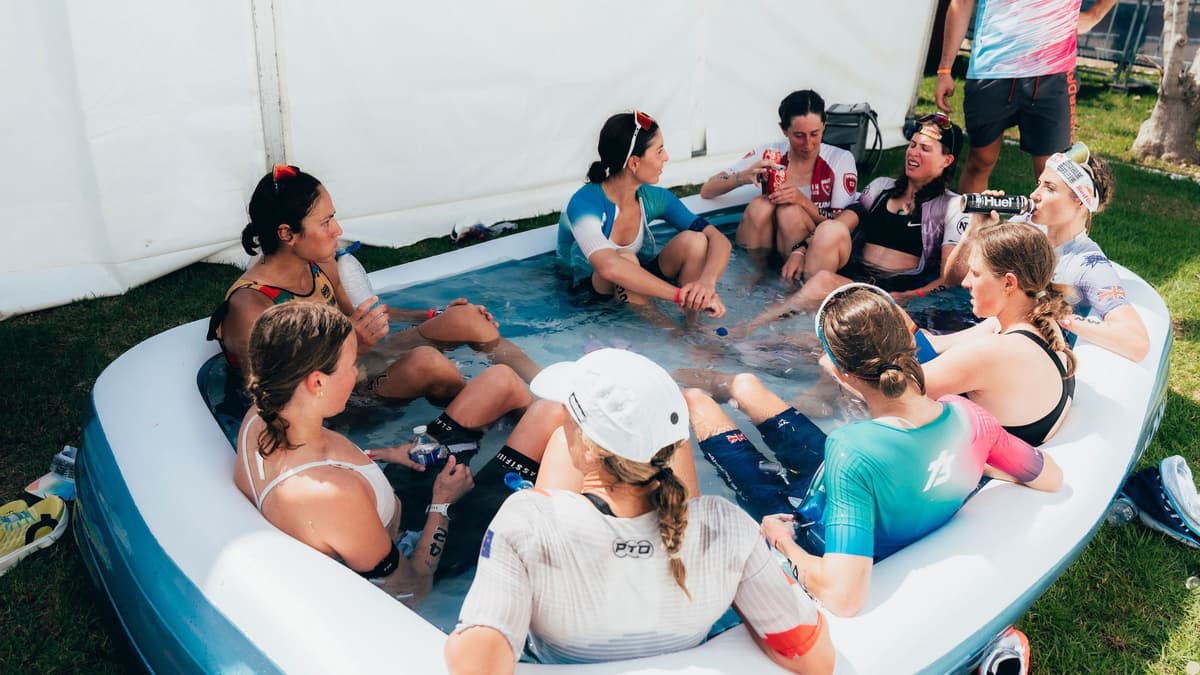
Cold Water Immersion for Triathletes: Science and Ice Bath Protocols
Cold water immersion (CWI) is gaining traction among triathletes as a recovery tool, but the scientific evidence remains mixed. Early studies showed short‑term reductions in inflammation after a single session, yet recent work suggests frequent post‑resistance CWI can impair strength...

The Triathlete’s Guide to Antioxidants: Dosage, Timing, and the Five Supplements Worth Considering
Triathletes are advised to boost antioxidant intake, but excess or mistimed dosing can hinder training adaptations. The International Society of Sports Nutrition’s latest position stand emphasizes a food‑first strategy, reserving supplements for genuine gaps or high‑stress periods. Five supplements—tart cherry,...
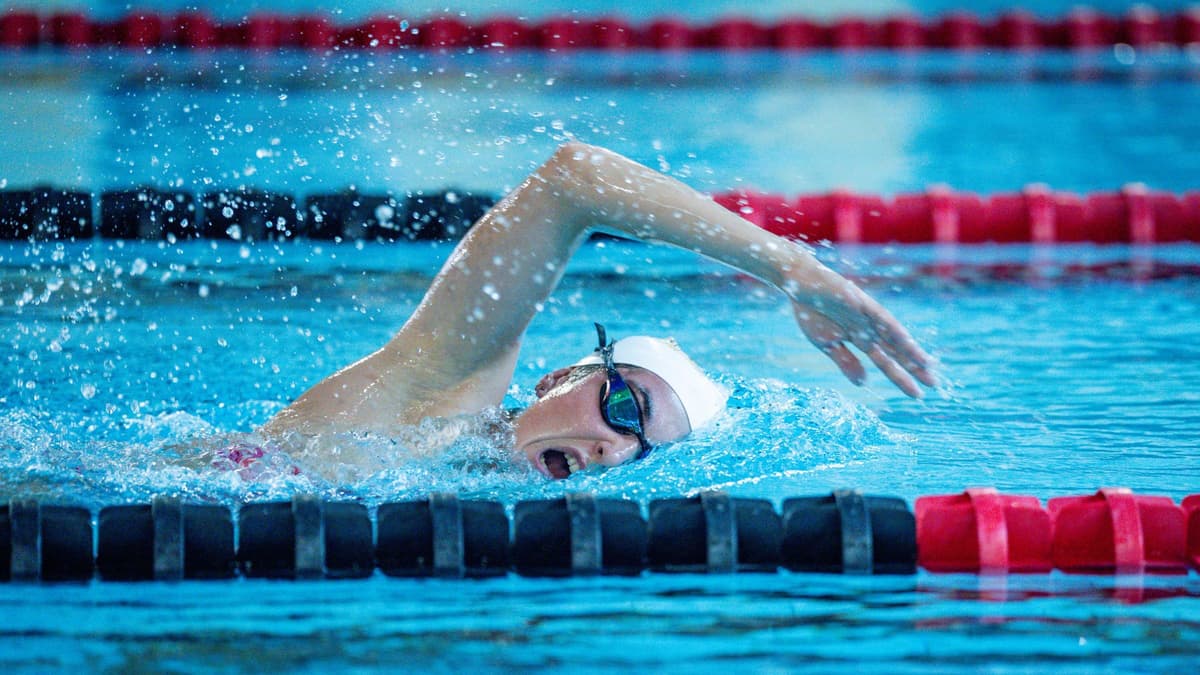
A Physical Therapist Guides Triathletes in Fixing Swim Breathing Problems
A physical therapist outlines five self‑assessment drills that triathletes can use to identify and correct mobility restrictions that impair swim breathing. The guide highlights limited thoracic rotation, thoracic extension, tight pecs, reduced lat/shoulder flexion, and poor cervical rotation as common...

This 5-Minute Fold Will Train Your Brain to Stay in the “Pain Cave”
The article introduces the five‑minute Caterpillar pose, a yin‑yoga forward fold designed to train athletes’ brains to tolerate discomfort, likening the experience to the final miles of a triathlon run. By holding the stretch for three to five minutes, practitioners...
At What Age Do Long-Distance Triathletes Peak?
Analysis of a decade of Ironman and Ironman 70.3 results shows the sweet spot for peak performance lies in the early‑30s. Both men and women achieve their fastest overall times in the 30‑34 age bracket for full‑distance races, while 70.3...

How to Finally Stop Goggle Fogging, Explained by Science
Triathlete conducted a controlled lab test of seven commercial anti‑fog sprays, wipes and a baby‑shampoo solution across five condensation cycles. Using a kitchen‑based setup that mimics the temperature and humidity differentials that cause goggles to fog, each product was applied,...

How to Build a Fueling Strategy Around the Glycemic Index
The glycemic index (GI) measures how quickly carbs raise blood sugar and has evolved from a diabetic tool to a performance‑focused nutrition metric. Low‑GI foods such as whole grains, legumes, and vegetables provide steady energy and support long‑term metabolic health,...