How to Finally Stop Goggle Fogging, Explained by Science
Why It Matters
Fogged goggles reduce underwater visibility, increasing the risk of missed turns and injuries in triathlons and competitive swimming. Identifying a durable anti‑fog solution cuts prep time, lowers recurring costs, and enhances athlete performance.
Key Takeaways
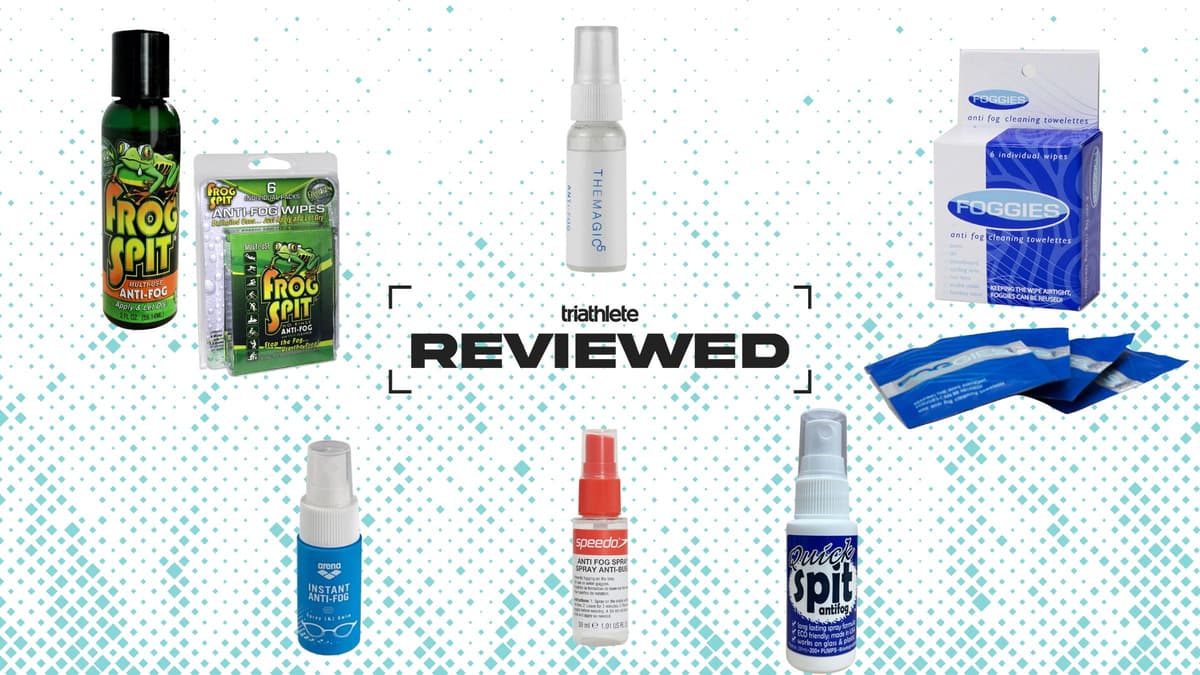
- •Frog Spit Spray prevented fog for three cycles, best overall performance
- •Frog Spit wipes stayed clear for two cycles, partly third
- •Foggies towelettes lasted longest among non‑Frog products, clear for two cycles
- •Most sprays lost effectiveness after first rinse, requiring reapplication each swim
- •Baby shampoo works comparably to budget sprays at $2 per bottle
Pulse Analysis
Fogging is a physics problem that plagues swimmers and triathletes alike. Warm, moist air trapped inside a goggle meets colder water outside, causing condensation that scatters light and obscures vision. Even a brief cloud of droplets can disrupt a race turn or open‑water navigation, turning a routine lap into a safety hazard. Understanding the thermodynamic cycle behind fog helps athletes appreciate why simple tricks—like avoiding finger contact or rinsing after each swim—matter as much as chemical treatments.
To cut through anecdotal advice, Triathlete built a reproducible kitchen lab that simulated the exact temperature differential swimmers face. By fixing ambient temperature at 70 °F, generating a steady steam plume, and sealing a goggle‑shaped lid over a heated pan, the test measured the time until mist appeared after each treatment. Across five rinse cycles, every product cleared the first test, but only Frog Spit Spray kept lenses clear through three cycles. Its wipes performed almost as well, while Foggies towelettes were the strongest among the remaining brands. Even a diluted baby‑shampoo solution held its own against budget sprays, highlighting that inexpensive household items can rival specialty products.
For athletes, the practical takeaway is clear: prioritize Frog Spit Spray or its wipes for the longest fog‑free window, especially in colder water conditions. If budget constraints dominate, a simple baby‑shampoo mix offers comparable protection at a fraction of the cost. Regular lens cleaning, proper storage, and minimizing finger contact remain essential to preserve factory coatings. By selecting a proven anti‑fog treatment, swimmers can maintain sharp vision, reduce race‑day anxiety, and focus on performance rather than equipment glitches.
How to Finally Stop Goggle Fogging, Explained by Science
Comments
Want to join the conversation?
Loading comments...