
Algeria Eliminates Trachoma as a Public Health Problem
The World Health Organization has officially validated Algeria’s elimination of trachoma as a public health problem, making it the 10th country in the African Region and the 29th worldwide to achieve this status. Trachoma, the leading infectious cause of blindness, still threatens 97 million people in endemic areas. Algeria reached the milestone after decades of implementing the WHO‑recommended SAFE strategy, a focused three‑year effort (2013‑2015) in 12 southern wilayas, and 2022 surveys confirming that active‑trachoma and trachomatous‑trichiasis thresholds were met. WHO will continue post‑validation surveillance to guard against resurgence.
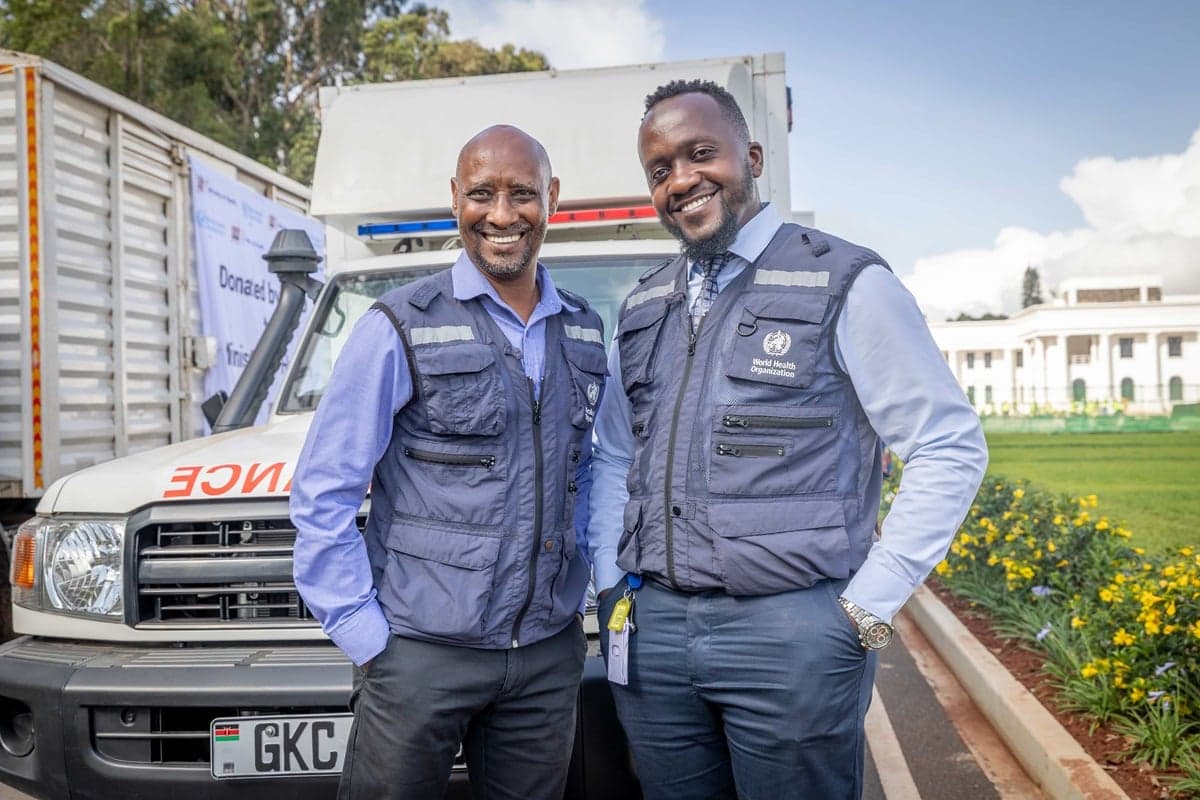
WHO Reports Measurable Health Impact in 2025 Amid Transition to New Strategy
The World Health Organization released its 2025 Results Report, the final assessment of its Thirteenth General Programme of Work, showing measurable progress across the Triple Billion targets despite funding cuts. Compared with a 2018 baseline, an extra 567 million people accessed...
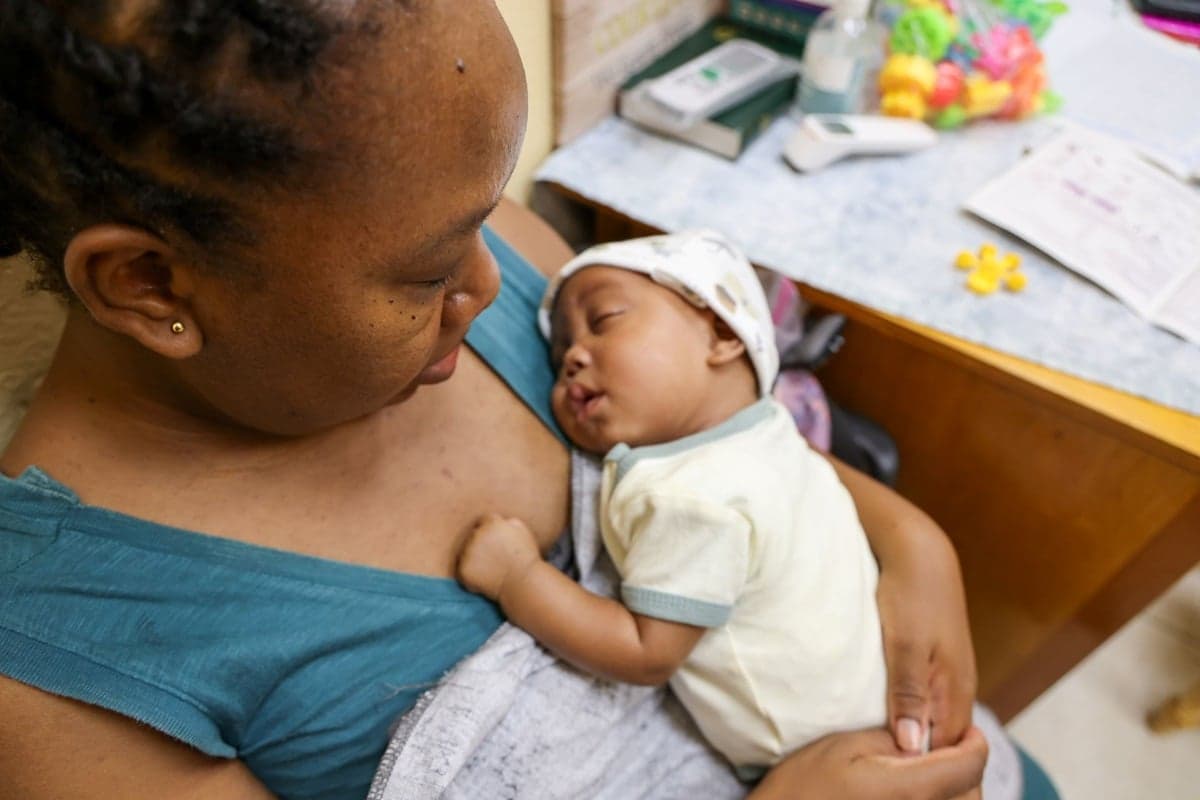
WHO Certifies the Bahamas for Eliminating Mother-to-Child Transmission of HIV
The World Health Organization has certified the Bahamas for eliminating mother‑to‑child transmission (EMTCT) of HIV, making it the latest Caribbean nation to meet WHO’s stringent criteria. The achievement stems from universal antenatal care, an integrated laboratory network, and comprehensive treatment...
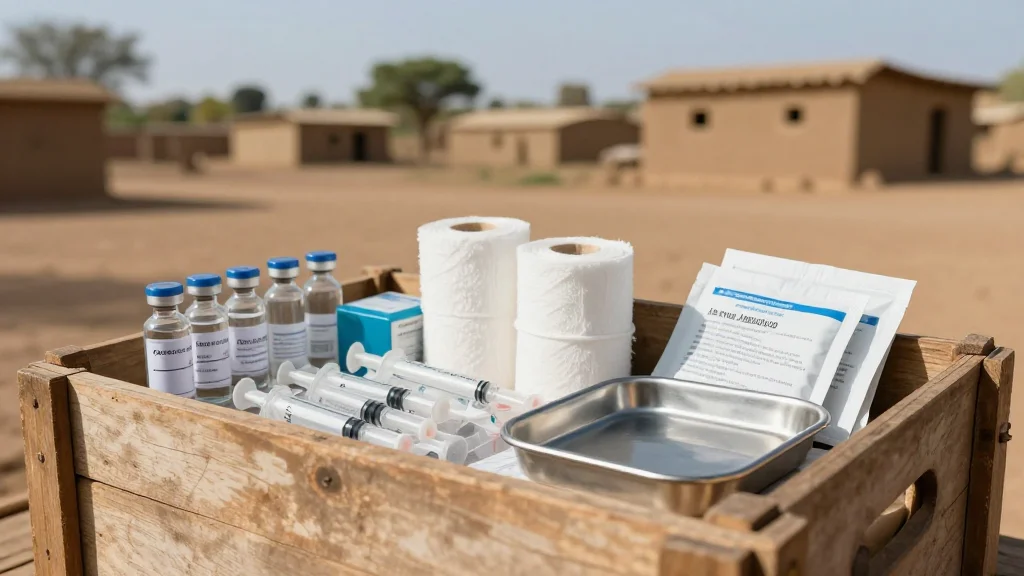
After Three Years of Conflict, Sudan Faces a Deeper Health Crisis
After three years of war, Sudan now faces the world’s largest humanitarian crisis, with 34 million people needing aid and 21 million lacking health services. Disease outbreaks—including malaria, dengue, measles, polio and cholera—are spreading across 18 states, while 37% of health facilities...
First-Ever WHO Forum Unites 800+ Collaborating Centres for Stronger Scientific Collaboration
The World Health Organization convened its inaugural Global Forum of Collaborating Centres, drawing more than 800 institutions from over 80 countries. Delegates highlighted emerging health threats and pledged to move beyond isolated projects toward integrated, dynamic partnerships. A new Collaborative...

WHO and France Shift One Health Vision to Action with New High-Impact Initiatives
On World Health Day, WHO and France hosted a One Health Summit that moved the interdisciplinary One Health concept into concrete action. The organization announced four flagship initiatives: a Global Network of One Health Institutions, an extended One Health High‑Level...

WHO Calls for Action: “Together for Health. Stand with Science.” To Mark World Health Day
The World Health Organization has launched its 2026 World Health Day campaign, "Together for health. Stand with science," marking 78 years since its founding. The initiative highlights historic gains such as a 40% drop in maternal mortality and a 50%...

WHO Member States Agree to Extend Negotiations on Key Annex to the Pandemic Agreement
World Health Organization Member States have agreed to extend negotiations on the Pathogen Access and Benefit Sharing (PABS) annex of the WHO Pandemic Agreement, with talks slated for 27 April – 1 May and informal sessions beforehand. The extension aims to finalize an ambitious,...
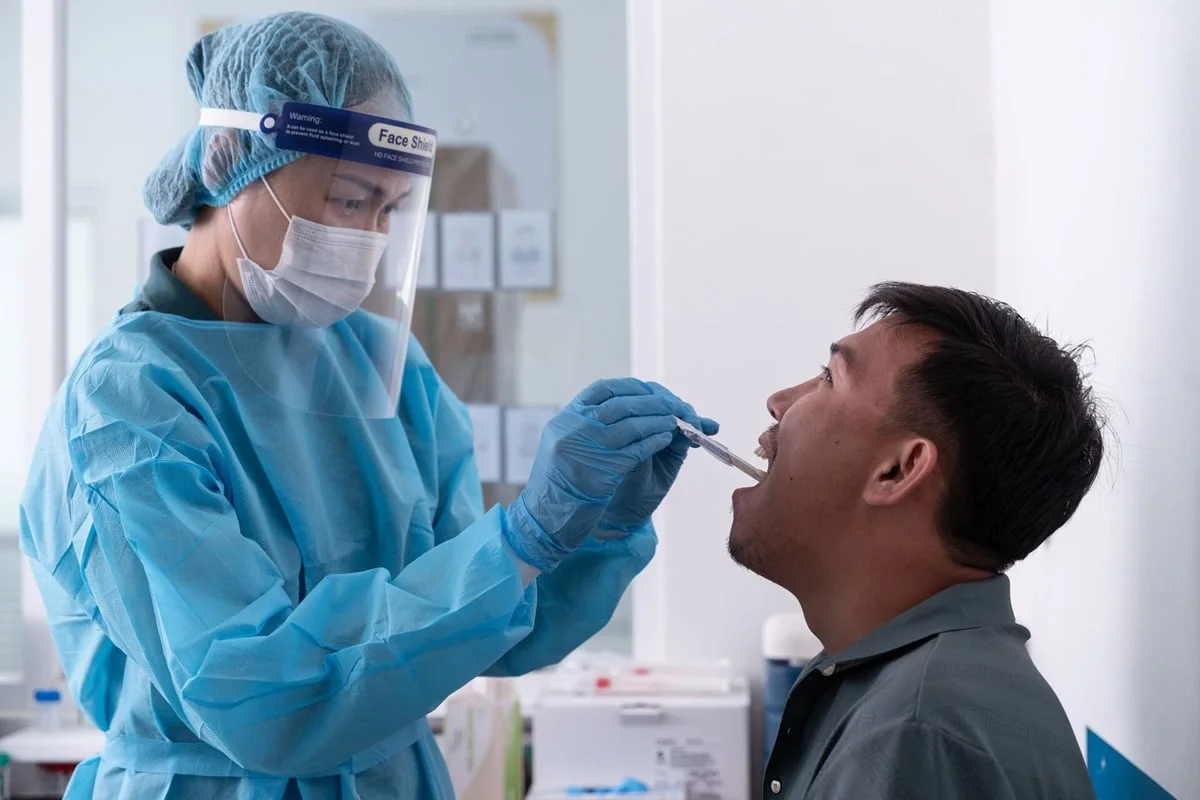
WHO Recommends New Diagnostic Tools to Help End TB
On World TB Day, the World Health Organization issued new guidelines urging countries to adopt point‑of‑care tuberculosis diagnostic tools and tongue‑swab sampling. The portable tests cost less than half of existing molecular platforms and deliver results in under an hour,...