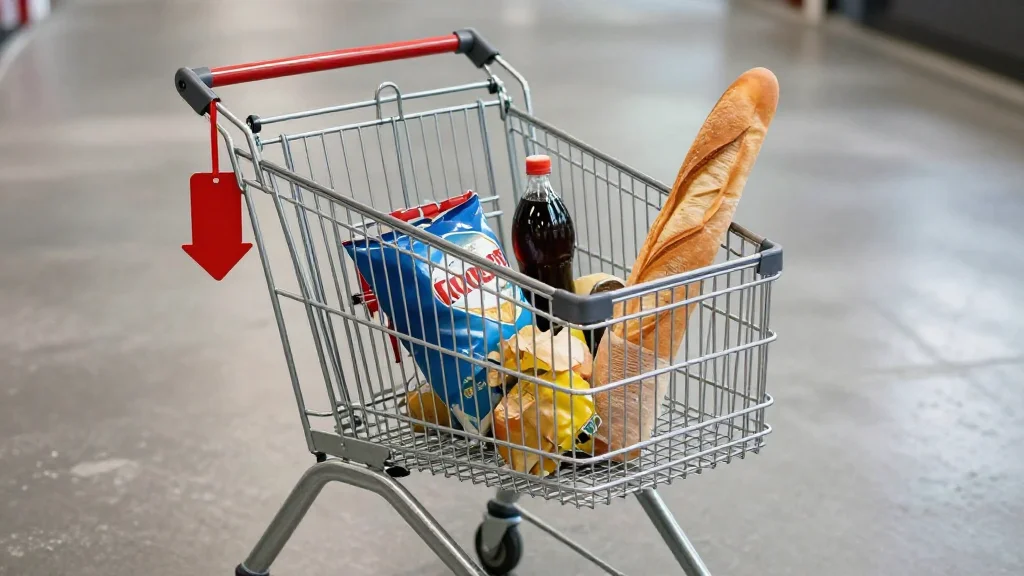
Walmart Closes Two Montreal Stores Amid $150M Quebec Investment and PepsiCo Slashes Snack Prices

Companies Mentioned

Why It Matters
Walmart’s decision to close two Montreal stores while pouring $150 million into Quebec underscores a broader industry trend: retailers are consolidating physical footprints to fund higher‑margin formats and digital capabilities. The move signals to competitors that scale alone is insufficient; strategic realignment and targeted investment are now essential to maintain market share. PepsiCo’s price cuts, prompted by Walmart’s pressure, reveal the growing influence of large retailers over supplier pricing strategies. If successful, the discounts could reset snack‑category pricing benchmarks, forcing other manufacturers to follow suit or risk losing shelf space. The outcome will affect profit margins across the packaged‑food sector and may accelerate the shift toward private‑label alternatives. Together, these developments illustrate how retailer‑supplier dynamics are reshaping the retail landscape, with implications for pricing, store formats, and the competitive balance between big‑brand manufacturers and retailer‑owned brands.
Key Takeaways
- •Walmart Canada will close its Côte‑des‑Neiges and Pointe‑aux‑Trembles Montreal stores on June 19 and June 26, 2026.
- •The retailer pledges a $150 million investment in Quebec, including a new store in Sherbrooke and renovations at 18 locations.
- •PepsiCo will cut prices on Doritos, Lay’s, Cheetos and other salty snacks by up to 15% after Walmart flagged affordability concerns.
- •PepsiCo expects a double‑digit increase in shelf space at Walmart, Costco and Target once price cuts are fully implemented.
- •Both moves reflect a strategic shift toward higher‑margin formats for Walmart and price‑sensitivity‑driven adjustments for PepsiCo.
Pulse Analysis
Walmart’s dual strategy of pruning underperforming stores while injecting capital into a targeted Quebec rollout reflects a nuanced response to the post‑pandemic retail environment. The retailer is abandoning the ‘one‑size‑fits‑all’ supercenter model in favor of a more agile footprint that can adapt to local demand patterns and e‑commerce integration. By reallocating resources to a $150 million provincial plan, Walmart aims to protect its market share against competitors like Costco and Amazon, which have been expanding their grocery and fulfillment capabilities.
For PepsiCo, the price‑cut decision is a textbook case of supplier capitulation to a dominant retailer’s bargaining power. While the short‑term volume boost may help restore lost market share, the long‑term impact on brand equity and margin sustainability remains uncertain. The company’s broader strategic pivot toward higher‑protein, higher‑fiber products could be undermined if price erosion becomes the norm across its snack portfolio. Moreover, the price war could accelerate the migration of price‑sensitive shoppers to private‑label alternatives, eroding the premium that legacy brands have traditionally commanded.
Overall, these concurrent actions illustrate a retail ecosystem where scale, agility, and pricing discipline are increasingly intertwined. Walmart’s willingness to close stores while committing fresh capital signals that retailers are no longer risk‑averse about reshaping their physical presence. Meanwhile, manufacturers like PepsiCo must navigate a delicate balance between protecting margins and satisfying the price expectations of powerful retail partners. The outcomes of these strategies will likely set precedents for how other retailers and suppliers negotiate growth, profitability, and consumer value in the years ahead.
Walmart Closes Two Montreal Stores Amid $150M Quebec Investment and PepsiCo Slashes Snack Prices
Comments
Want to join the conversation?
Loading comments...