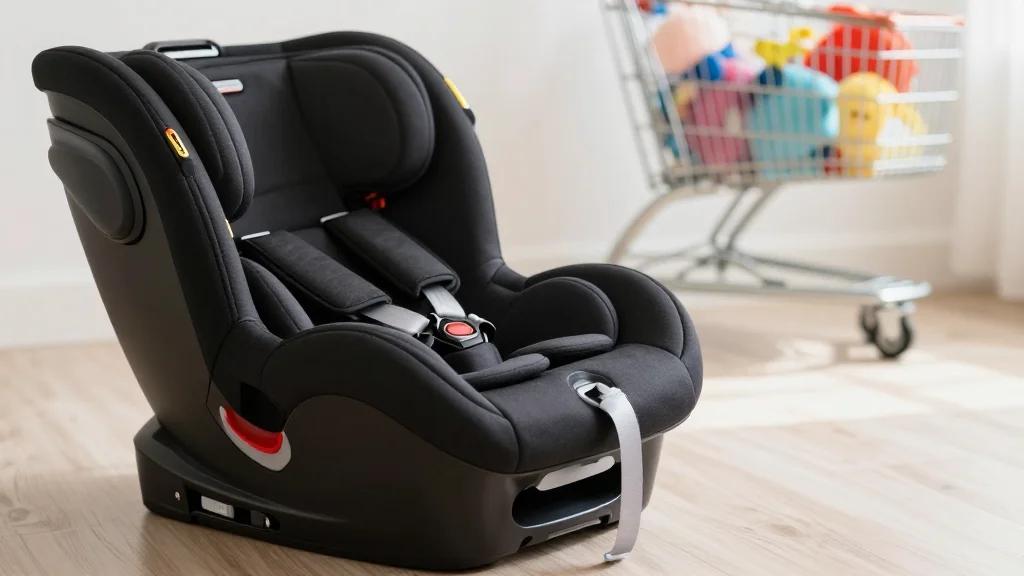
Target Launches $20% Target Circle Bonus Car Seat Trade‑in to Lure Parents



Why It Matters
Target's incentive underscores how retailers are turning to niche, parent‑focused promotions to offset broader sales weakness. By linking a tangible, environmentally friendly action (car seat recycling) with a direct monetary benefit, Target aims to deepen loyalty among a high‑spending segment while differentiating itself from competitors like Walmart and Costco. The success of the program could reshape promotional playbooks, prompting more retailers to embed sustainability into discount strategies. Moreover, the initiative arrives at a moment when consumer confidence is eroding; 54% of Americans expect to cut clothing spend and a third plan to spend less on groceries. If Target can convert these cautious shoppers into repeat buyers through targeted bonuses, it may set a precedent for how big‑box chains navigate a tightening retail environment.
Key Takeaways
- •Target's Car Seat Trade‑In runs April 19‑May 2, offering a 20% Target Circle bonus.
- •Comparable sales fell 2.5% and revenue dropped 1.5% YoY in the latest quarter.
- •Amanda Nusz highlighted the program as a way to help parents save and recycle.
- •Gartner's Brad Jashinsky noted staffing gaps but expressed optimism about Target's direction.
- •YouGov survey shows 54% of consumers plan to cut clothing spend, 38% health‑beauty, 33% food.
Pulse Analysis
Target’s car seat trade‑in is a textbook example of micro‑segmentation in retail marketing. Rather than a blanket discount, the retailer zeroed in on parents of infants and toddlers—a group that consistently spends $12,000‑$15,000 per child in the first three years, according to the USDA. By offering a 20% Target Circle bonus, Target effectively reduces the marginal cost of that spend, nudging parents toward higher‑margin accessories and apparel.
Historically, promotions that tie a product return to a future discount have driven higher redemption rates than pure price cuts. The recycling angle adds a CSR veneer, appealing to environmentally conscious shoppers and giving Target a narrative beyond price. However, the program’s impact will hinge on execution. If stores are understaffed, the promised smooth experience could backfire, reinforcing the very pain points (long lines, empty shelves) that have plagued the chain.
Looking ahead, the real test will be whether the trade‑in lifts the average basket beyond the promotion period. If Target can capture incremental spend and translate it into repeat visits, the model could be replicated across other high‑ticket categories, turning one‑off incentives into a sustained loyalty engine. Competitors will likely watch closely; a successful rollout could spark a wave of trade‑in‑based loyalty programs, reshaping how big‑box retailers compete for discretionary dollars in a tightening economy.
Target launches $20% Target Circle bonus car seat trade‑in to lure parents
Comments
Want to join the conversation?
Loading comments...