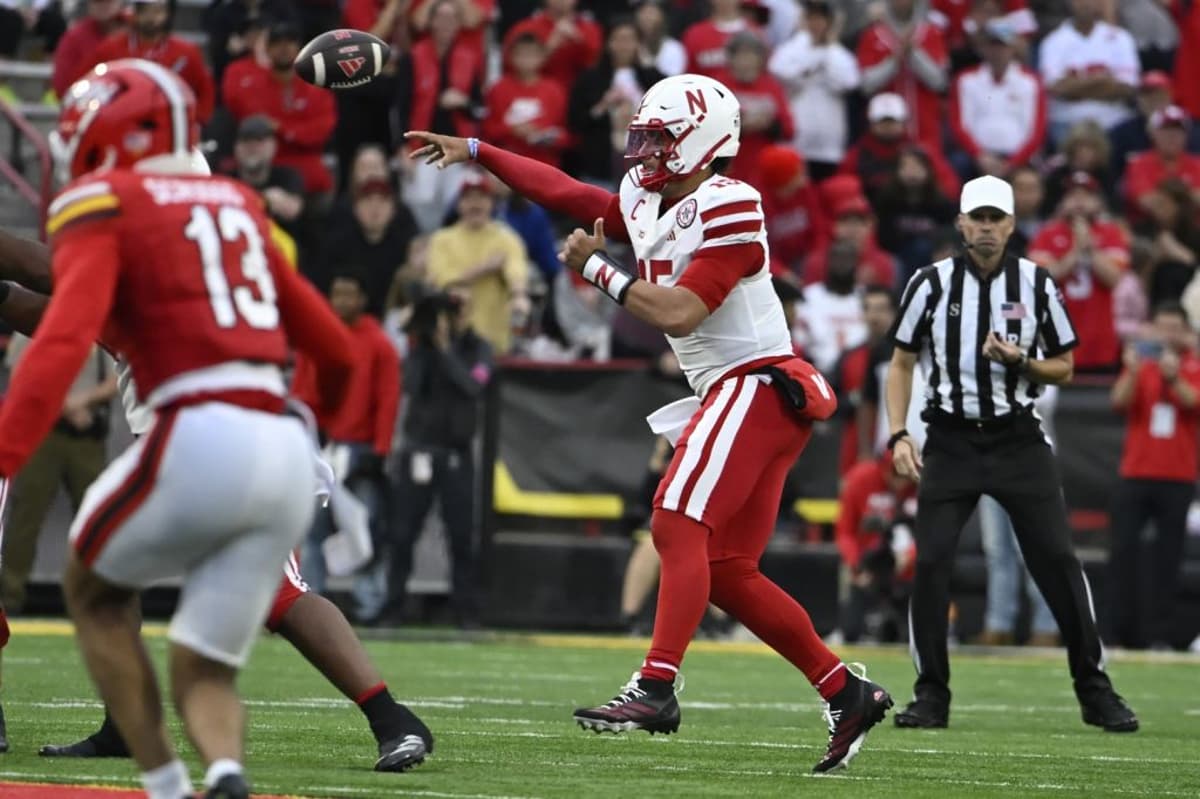
Arbitrator Rules in Favor of College Sports NIL Watchdog in First Appeal
Companies Mentioned
Why It Matters
The decision demonstrates the CSC’s enforcement power and signals tighter compliance standards for NIL deals, affecting athletes, schools, and multimedia‑rights partners nationwide.
Key Takeaways
- •Arbitrator upheld CSC rejection of 18 Nebraska players' NIL deals
- •Ruling cited lack of valid business purpose and prohibited warehousing
- •Playfly classified as “associated entity,” subject to extra scrutiny
- •Decision provides de‑facto guidance for future NIL deal submissions
- •Thousands of deals by MMR firms now face heightened CSC review
Pulse Analysis
The House v. NCAA settlement reshaped college athletics by mandating that name, image, and likeness (NIL) agreements deliver fair‑market value and a legitimate business purpose. To enforce these rules, the College Sports Commission created the NIL Go platform, which screens every deal before it can be executed. Since its inception, the system has faced criticism for bottlenecks and ambiguity, prompting the inclusion of an appeal process that routes disputes to neutral arbitrators.
In the first arbitration under the NIL Go framework, a neutral arbitrator affirmed the CSC’s rejection of deals offered to 18 Nebraska football players. The ruling centered on two core violations: the absence of a clear business purpose and the practice of “warehousing,” where a sponsor pays athletes for undefined future deliverables. Additionally, the arbitrator classified Playfly—a multimedia‑rights company that brokered the deals—as an “associated entity,” subjecting it to the same heightened scrutiny as NIL collectives. While the arbitrator did not assess fair‑market value, the decision underscores the commission’s willingness to enforce settlement language rigorously.
The broader impact extends beyond Nebraska. By treating multimedia‑rights partners like Playfly as associated entities, the CSC signals that thousands of existing and future NIL contracts will undergo stricter review. This precedent will likely influence how schools, agents, and sponsors structure deals, pushing them toward transparent, purpose‑driven agreements. As federal courts prepare to weigh the classification of such entities, the arbitration outcome serves as a practical playbook for athletes and administrators seeking compliance while still capitalizing on NIL revenue streams.
Arbitrator Rules in Favor of College Sports NIL Watchdog in First Appeal
Comments
Want to join the conversation?
Loading comments...