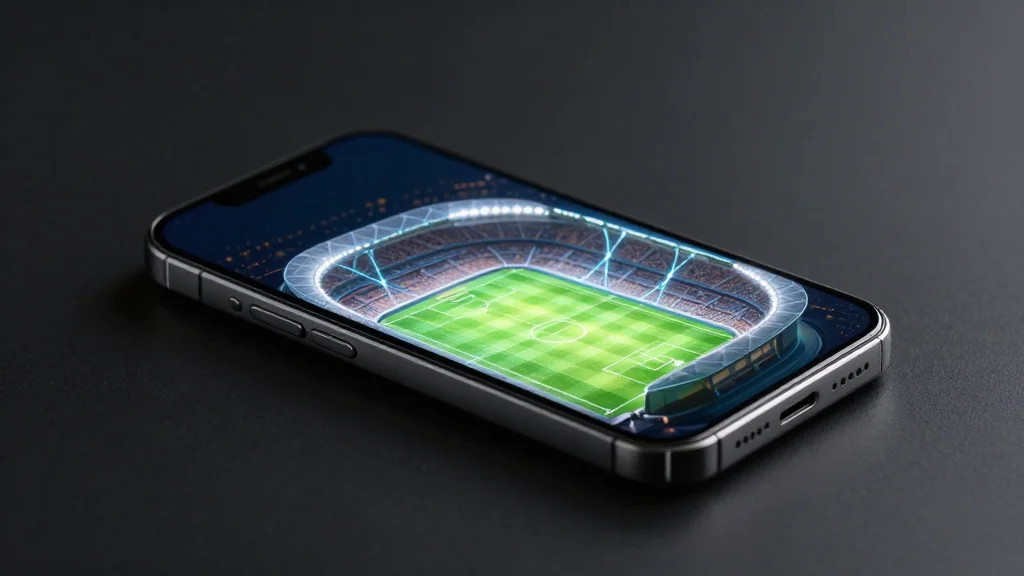
How Brands in the Middle East Can Triumph During the 2026 FIFA World Cup
Companies Mentioned
Why It Matters
The tournament’s geographic distance creates a gap that, if filled with culturally relevant, real‑time content, can drive significant consumer engagement and revenue in the high‑spending MENA market.
Key Takeaways
- •49% of MENA fans used smartphones as primary World Cup tool (2022).
- •80‑91% used a second device for stats/social during matches.
- •UAE accommodation searches up 235%, Saudi Arabia up 180% for 2026.
- •50‑60% of matches air 12 AM‑8 AM GCC time, creating late‑night rituals.
- •Local creator crews bridge 7,000‑mile gap, delivering authentic fan content.
Pulse Analysis
The 2026 FIFA World Cup, staged across the United States, Canada and Mexico, will be the first edition where most Middle Eastern fans watch from afar. Mobile penetration in the region already exceeds 90%, and the 2022 tournament showed that nearly half of fans relied on smartphones as their primary viewing tool. This shift to on‑the‑go consumption means traditional broadcast ads risk being ignored, while real‑time, culturally resonant content can dominate the digital conversation. Brands that understand the new media landscape can turn a distant event into a local celebration.
To capitalize, marketers should build mobile‑first digital fan zones that blend live stats, user‑generated clips, and humor tailored to regional tastes. Deploying agile creator crews in key MENA cities—Cairo, Riyadh, Dubai—and parallel teams embedded with the diaspora in host cities will generate authentic, on‑the‑ground stories that bridge the 7,000‑mile gap. Data from Digital Turbine and GWI confirms that fans frequently use a second device for social interaction, while Expedia reports a 235% jump in UAE and 180% jump in Saudi accommodation searches, indicating a sizable traveling fan base. Leveraging these insights, brands can insert themselves into late‑night viewing rituals, offering energy drinks, snack bundles, or app promotions precisely when matches air between 12 AM and 8 AM GCC time.
The payoff extends beyond the tournament. By positioning themselves as the unofficial commentator and cultural connector, brands embed into the fan’s identity, fostering loyalty that outlasts the final whistle. This approach shifts spend from generic global media buys to localized experiences that drive measurable KPIs—higher engagement rates, increased app usage, and incremental sales during peak viewing windows. In a market where authenticity is prized, the brands that win will be those that speak the language of the fan, not the language of the sponsor.
How brands in the Middle East can triumph during the 2026 FIFA World Cup
Comments
Want to join the conversation?
Loading comments...