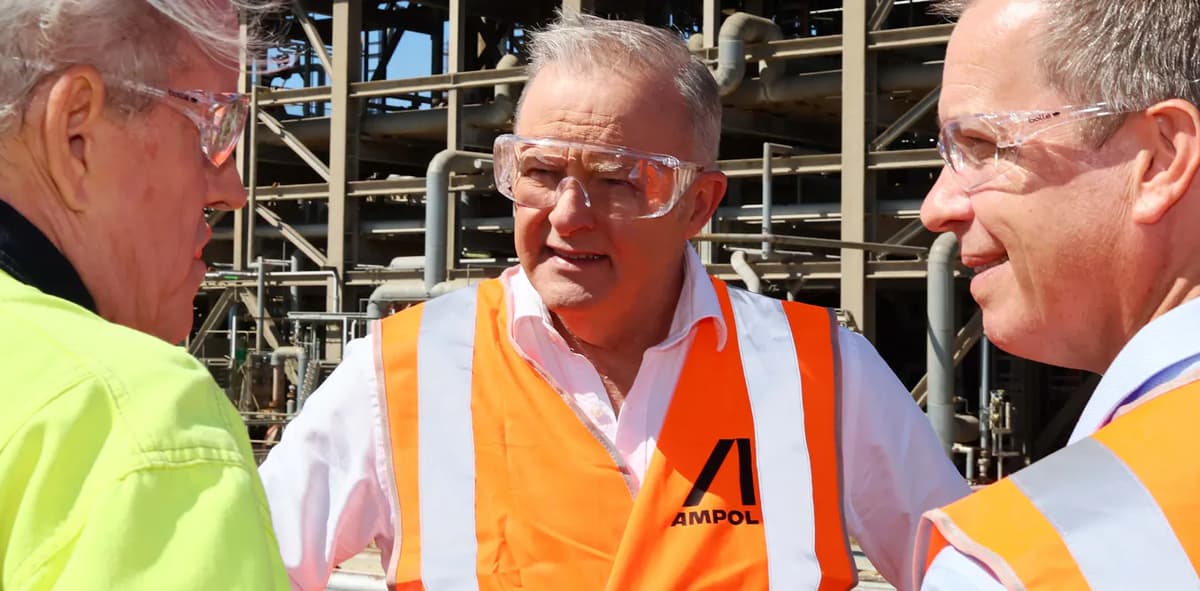
Second Fuel Security Trip to Asia for PM
Why It Matters
The mission highlights Australia’s dependence on regional energy partners and shows how external price shocks can unexpectedly improve fiscal balances, shaping policy and market expectations.
Key Takeaways
- •Albanese visits Brunei, Malaysia to secure diesel and urea supplies
- •Brunei provides 9% of Australia's diesel and 11% of urea imports
- •Malaysia supplies 10% of Australian refined fuel and 10% of urea
- •Economist predicts war-driven budget surplus of $30 bn through 2028‑29
- •Inflation and higher commodity prices shrink net debt via “inflated dollars”
Pulse Analysis
Australia’s fuel‑security outreach underscores a growing reliance on Southeast Asian suppliers for essential energy inputs. Brunei, delivering nearly one‑tenth of the nation’s diesel and a comparable slice of fertiliser‑grade urea, and Malaysia, the third‑largest source of refined fuel, are pivotal partners in a market strained by geopolitical tensions and supply chain disruptions. By meeting Sultan Hassanal Bolkiah and Prime Minister Anwar Ibrahim, Prime Minister Albanese seeks to lock in stable export‑import flows, diversify sources, and cushion domestic consumption from price spikes that have rattled households.
Beyond the logistics of diesel and fertiliser, the broader economic picture is being reshaped by the conflict in Ukraine, which has lifted global commodity prices. Economist Chris Richardson projects that higher export revenues from gas, coal and gold could boost the Australian budget by roughly $30 billion through 2028‑29, effectively delivering a fiscal windfall. Inflation, while eroding real wages, also inflates the nominal value of the debt, allowing the government to repay obligations with cheaper “inflated dollars.” This dual effect—higher tax receipts from soaring prices and a reduced debt burden—creates a temporary surplus that may offset projected deficits in the near term.
Politically, the government is pairing diplomatic outreach with a domestic campaign urging citizens to curb fuel use, framing conservation as a national contribution. The $20 million “Every little bit helps” advertising push aligns public behaviour with the broader goal of energy resilience. As Australia navigates tighter supply chains and an unexpectedly buoyant fiscal outlook, the interplay between foreign policy, commodity markets, and domestic messaging will shape the country’s economic trajectory for years to come.
Second fuel security trip to Asia for PM
Comments
Want to join the conversation?
Loading comments...