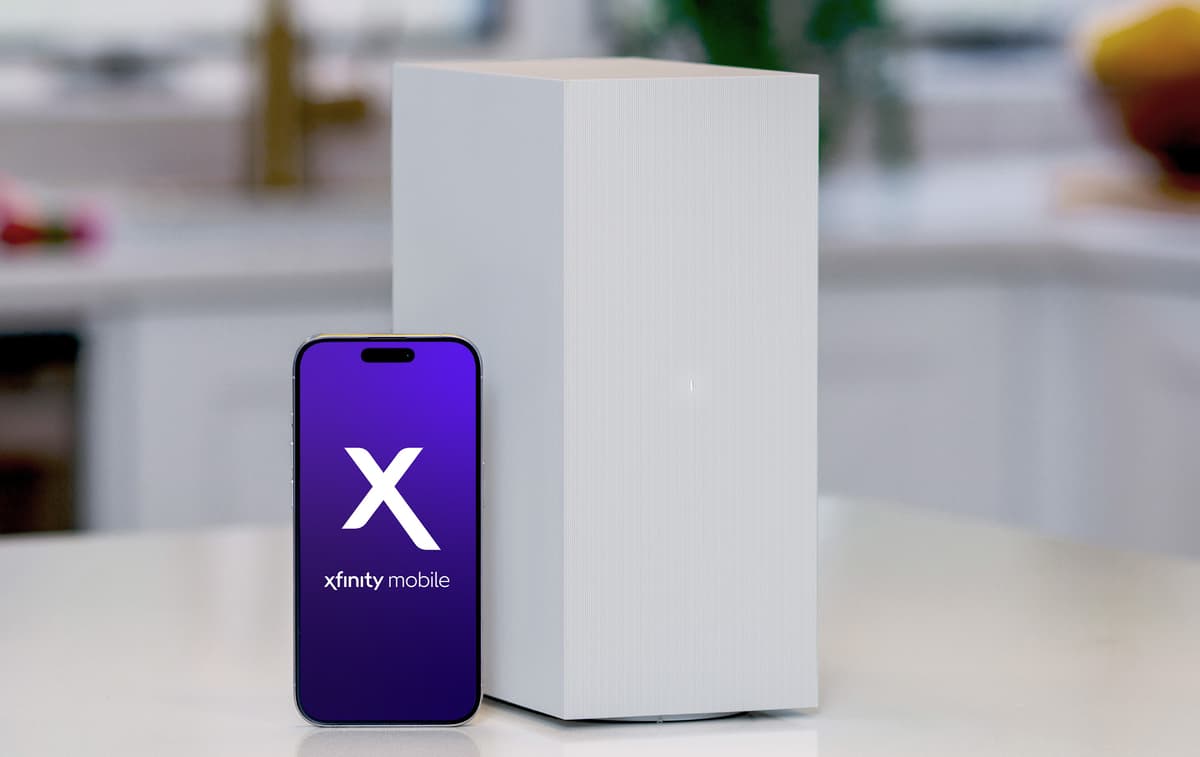
Wireless Now Comcast's Top Priority, CEO Says
Companies Mentioned
Why It Matters
By treating wireless as an offensive growth engine, Comcast aims to diversify revenue and improve ARPU, helping to counteract slowing broadband subscriber gains. Success could reshape the competitive dynamics between cable operators and traditional carriers.
Key Takeaways
- •Xfinity Mobile reached 9.73 million lines, adding 435k in Q1 2026.
- •Premium Unlimited plan achieved 30% sell‑in rate, exceeding forecasts.
- •Mobile Plus plan priced at $45 includes device‑protection for high‑end users.
- •DOCSIS 4.0 upgrade costs about $200 per passing, enhancing broadband capacity.
- •Commercial services now 25% of connectivity revenue, selling $0.70 solutions per dollar.
Pulse Analysis
Over the past decade, U.S. cable operators have used mobile bundles primarily as a defensive tool to protect broadband churn. That calculus is changing. At the recent MoffettNathanson conference, Steve Croney, head of Comcast’s Connectivity & Platforms unit, announced that wireless is now the company’s number‑one priority, signaling a strategic pivot from defense to offense. With more than 20 million cable lines nationwide, Comcast’s Xfinity Mobile now serves nearly 10 million customers, a milestone that underscores the growing importance of convergence in a market where housing‑move activity and price competition have eroded traditional broadband growth.
The shift is most evident in Comcast’s premium mobile offerings. After retiring low‑cost ‘by‑the‑Gig’ plans, the firm introduced a $45 Mobile Plus tier that bundles device‑protection—a feature typically sold separately—while its earlier Premium Unlimited plan posted a 30 % sell‑in rate, well above internal forecasts. A free‑line promotion for new and existing customers helped drive the record Q1 addition of 435,000 lines, and Croney reports that a sizable majority of those users have already converted to paid service, bolstering average revenue per user (ARPU) and positioning Comcast to compete more directly with the nation’s major wireless carriers.
Comcast’s mobile ambitions are being supported by a parallel upgrade of its broadband backbone. The company is investing roughly $200 per passing to roll out DOCSIS 4.0, leveraging new full‑duplex amplifiers and AI‑enabled chips that have already cut trouble calls by 15 % and improved repair times by 35 %. These enhancements not only enable multi‑gigabit symmetrical speeds but also strengthen the commercial services segment, which now contributes about 25 % of connectivity revenue, with each connectivity dollar generating $0.70 in additional solutions. Analysts see the combined wireless push and infrastructure investment as a catalyst for stabilizing subscriber loss and driving long‑term growth.
Wireless now Comcast's top priority, CEO says
Comments
Want to join the conversation?
Loading comments...