Armenia Looking for Additional Partners for TRIPP Implementation
Why It Matters
Diversifying funding reduces reliance on a single patron and strengthens the corridor’s geopolitical legitimacy, accelerating regional trade integration and peace‑building in the South Caucasus.
Key Takeaways
- •Armenia seeks investors beyond US for TRIPP corridor
- •TRIPP will link Azerbaijan to Nakhchivan via 42‑km bridge
- •Kazakhstan considered for transit cooperation and tourism ties
- •Middle Eastern states show interest, unnamed
- •US reaffirms TRIPP as top priority despite Gulf tensions
Pulse Analysis
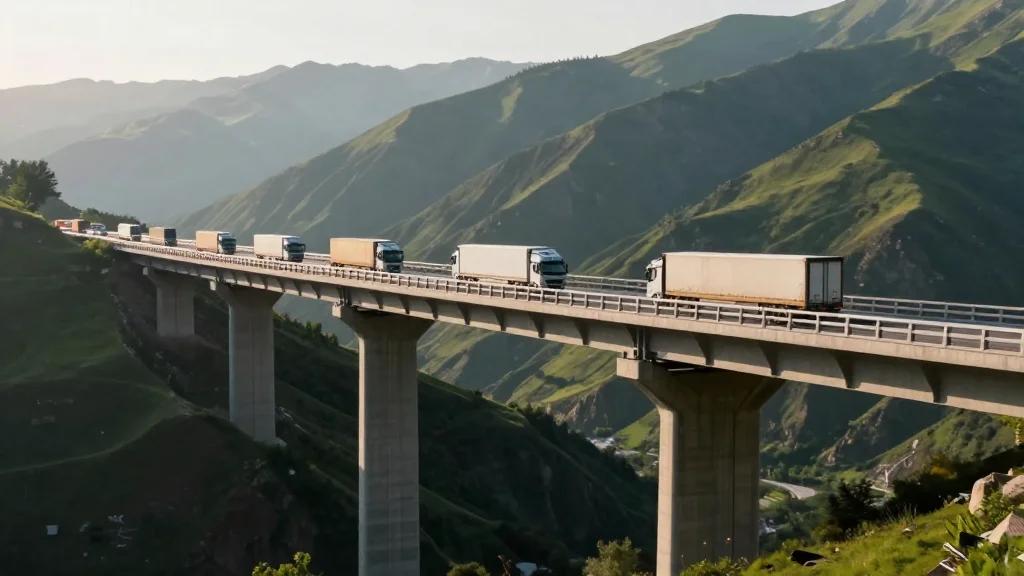
The TRIPP project, dubbed the Trump Route for International Peace and Prosperity, is more than a transport link; it is a diplomatic lever that underpins the provisional Armenia‑Azerbaijan peace accord signed in Washington last August. By creating a 42‑kilometre land bridge across Armenia’s Syunik province, the corridor promises to stitch together the Middle Corridor, a freight artery that channels Central Asian goods to European markets. Its strategic value lies in bypassing traditional Black Sea routes, reducing transit times, and offering a tangible economic incentive for lasting peace in a historically volatile region.
Armenia’s outreach to new investors reflects a pragmatic shift toward multilateral financing. While the United States remains the flagship backer, officials are courting Kazakhstan and unnamed Middle Eastern states to share construction costs and operational risk. Kazakhstan’s interest aligns with its broader Belt and Road‑style ambitions, seeking alternative export pathways for its commodities. Likewise, potential Middle Eastern participation could unlock additional capital and create a consortium that balances geopolitical interests, making the corridor less vulnerable to shifts in any single nation’s foreign policy.
U.S. officials have reiterated that TRIPP stays a top priority, even as the Persian Gulf experiences intermittent flare‑ups. This steadfastness signals Washington’s intent to cement its influence in the South Caucasus and to counter competing powers such as Russia and China. For regional businesses, the corridor promises lower logistics costs, new market access, and a catalyst for ancillary sectors like tourism and intelligence cooperation. If successfully financed and built, TRIPP could become a linchpin of Eurasian trade, reshaping supply‑chain dynamics and reinforcing a peace‑driven economic model for the area.
Armenia looking for additional partners for TRIPP implementation
Comments
Want to join the conversation?
Loading comments...