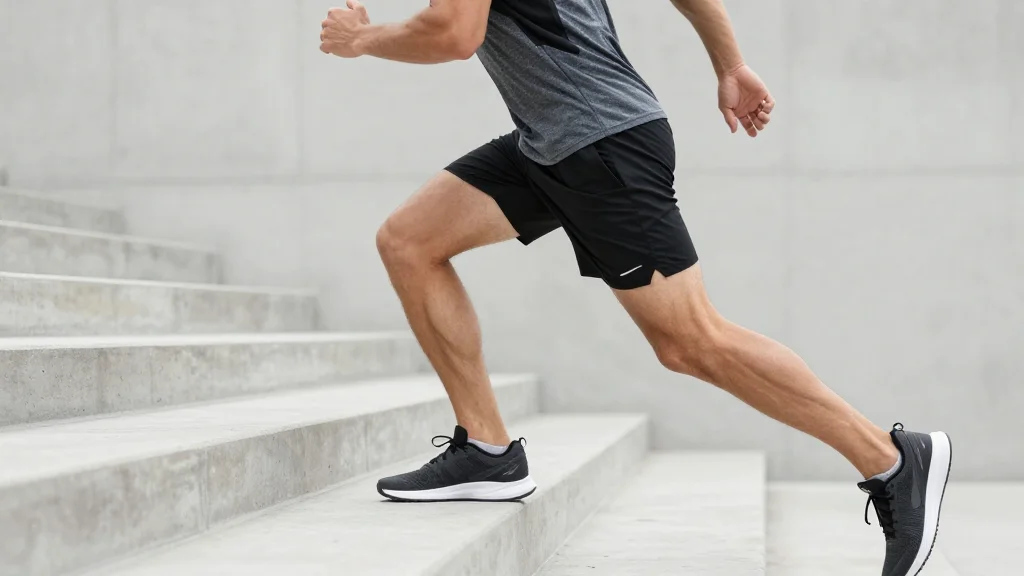
22‑Second Stair Sprint Cuts Fat in 12‑Week Trial, Promising Ultra‑Efficient Biohack

Why It Matters
The stair‑sprint protocol offers a data‑backed shortcut for reducing stubborn visceral fat, a key risk factor for heart disease and metabolic syndrome. By proving that less than two minutes of daily effort can produce clinically meaningful changes, the study challenges the entrenched belief that longer cardio sessions are necessary for weight management. For the biohacking ecosystem, the findings provide a scalable, low‑cost tool that can be layered onto existing lifestyle interventions, from intermittent fasting to nootropic regimens. Moreover, the metabolic shifts observed—particularly the rise in glycine and serine—hint at deeper biochemical pathways that could be leveraged in future nutraceutical or precision‑exercise designs. If high‑intensity micro‑workouts can reliably modulate these metabolites, they may become a cornerstone of personalized health protocols aimed at extending healthspan.
Key Takeaways
- •22‑second stair sprint performed 4× /week for 12 weeks cut average weight by 2.52 kg
- •Visceral fat decreased noticeably without any prescribed diet changes
- •Heart rate reached ~118 bpm during each sprint, meeting high‑intensity criteria
- •Metabolite analysis linked glycine and serine changes to visceral‑fat loss
- •Study published in *Endocrine Journal*; larger *Nature Communications* review supports high‑intensity benefits
Pulse Analysis
The 22‑second stair sprint is more than a novelty; it represents a shift toward efficiency‑first biohacking. Historically, the fitness industry has marketed time‑intensive cardio as the gold standard, but the emerging evidence suggests that intensity can compress the same physiological stimulus into seconds. This paradigm aligns with the broader biohacking trend of quantifying and optimizing micro‑behaviors—sleep hacks, nutrient timing, and now micro‑exercise.
From a market perspective, the protocol could catalyze a wave of new products: wearable devices that auto‑detect stair‑sprint intervals, app‑based coaching that gamifies 22‑second challenges, and even office‑building infrastructure that encourages stair‑accessibility. Companies that can embed the sprint into existing ecosystems—such as corporate wellness platforms—stand to capture a segment of the $10 billion global digital fitness market that is currently underserved by traditional workout models.
However, the hype must be tempered with caution. The original trial focused on a relatively homogenous group of sedentary, overweight adults; extrapolating results to elite athletes or patients with cardiovascular disease requires further validation. Additionally, the risk of injury, especially for those unaccustomed to explosive movements, could offset the benefits if not managed with proper progression. The upcoming 2026 follow‑up study will be critical in establishing safety guidelines and long‑term efficacy.
If the protocol proves robust across demographics, it could become a cornerstone of the next generation of biohacking curricula—where a brief, high‑intensity burst is paired with metabolic monitoring, dietary tweaks, and sleep optimization to produce synergistic health gains. In that scenario, the 22‑second stair sprint would not just be a workout; it would be a data point in a larger, algorithm‑driven health stack.
22‑Second Stair Sprint Cuts Fat in 12‑Week Trial, Promising Ultra‑Efficient Biohack
Comments
Want to join the conversation?
Loading comments...