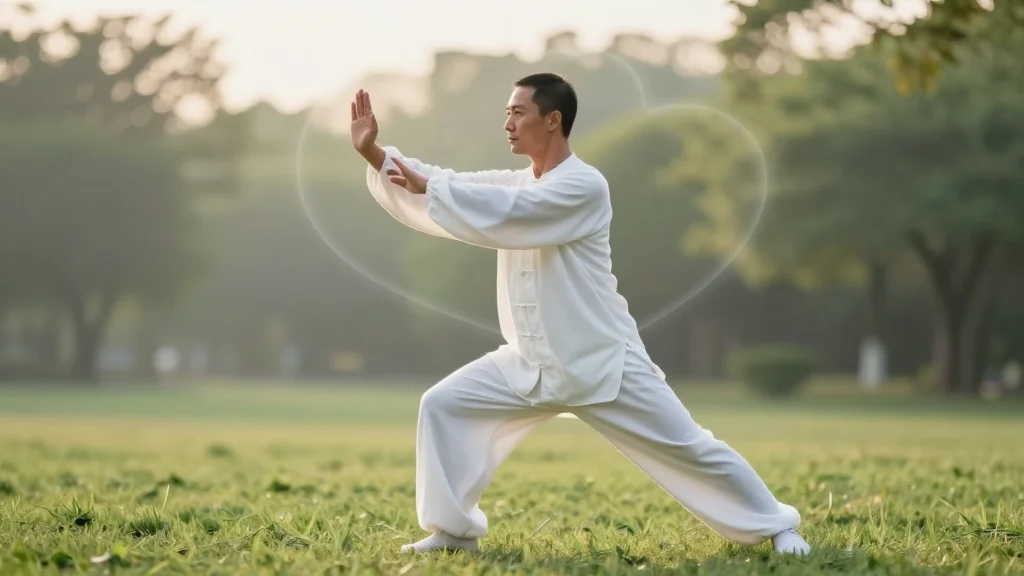
Ancient Baduanjin Exercise Cuts Blood Pressure Comparable to Drugs

Why It Matters
The study provides empirical support for a centuries‑old practice, offering a low‑cost, low‑risk tool that could reduce reliance on medication for a segment of the hypertensive population. In a market saturated with high‑tech wearables and nutraceuticals, Baduanjin represents a counter‑trend: a minimalist biohack that leverages body movement and breath control. If validated at scale, the exercise could reshape preventive cardiology by adding a culturally rooted, community‑based option to existing guidelines. This would not only diversify the portfolio of lifestyle interventions but also empower individuals in low‑resource settings to manage blood pressure without expensive drugs.
Key Takeaways
- •216 adults over 40 with stage‑1 hypertension participated in the trial.
- •Baduanjin practitioners saw a 3 mm Hg drop in 24‑hour systolic pressure.
- •Office blood‑pressure readings fell by about 5 mm Hg after three months.
- •The routine requires 10‑15 minutes daily and no equipment.
- •Study published in the Journal of the American College of Cardiology, May 2026.
Pulse Analysis
The Baduanjin trial underscores a broader shift in the biohacking ecosystem: a move from gadget‑centric solutions toward evidence‑based, low‑tech practices. Historically, biohackers have gravitated toward quantifiable interventions—nootropics, gene‑editing kits, or AI‑driven health dashboards. This study reintroduces a paradigm where the body’s intrinsic mechanisms—movement, breath, and mindfulness—are the primary levers.
From a market perspective, the findings could catalyze a new niche for community‑based wellness programs, especially in urban parks and senior centers where Baduanjin is already popular. Companies that specialize in digital health coaching may integrate guided Baduanjin sessions into their platforms, pairing them with wearable data to demonstrate efficacy. Such hybrid offerings could attract users who are skeptical of pharmaceuticals but still desire measurable outcomes.
Looking forward, the key challenge will be scaling rigorous research to diverse populations and integrating the practice into clinical pathways. If insurers begin to reimburse for structured Baduanjin programs, we may see a ripple effect: reduced prescription volumes, lower healthcare costs, and a resurgence of culturally rooted health practices in mainstream preventive care.
Ancient Baduanjin Exercise Cuts Blood Pressure Comparable to Drugs
Comments
Want to join the conversation?
Loading comments...