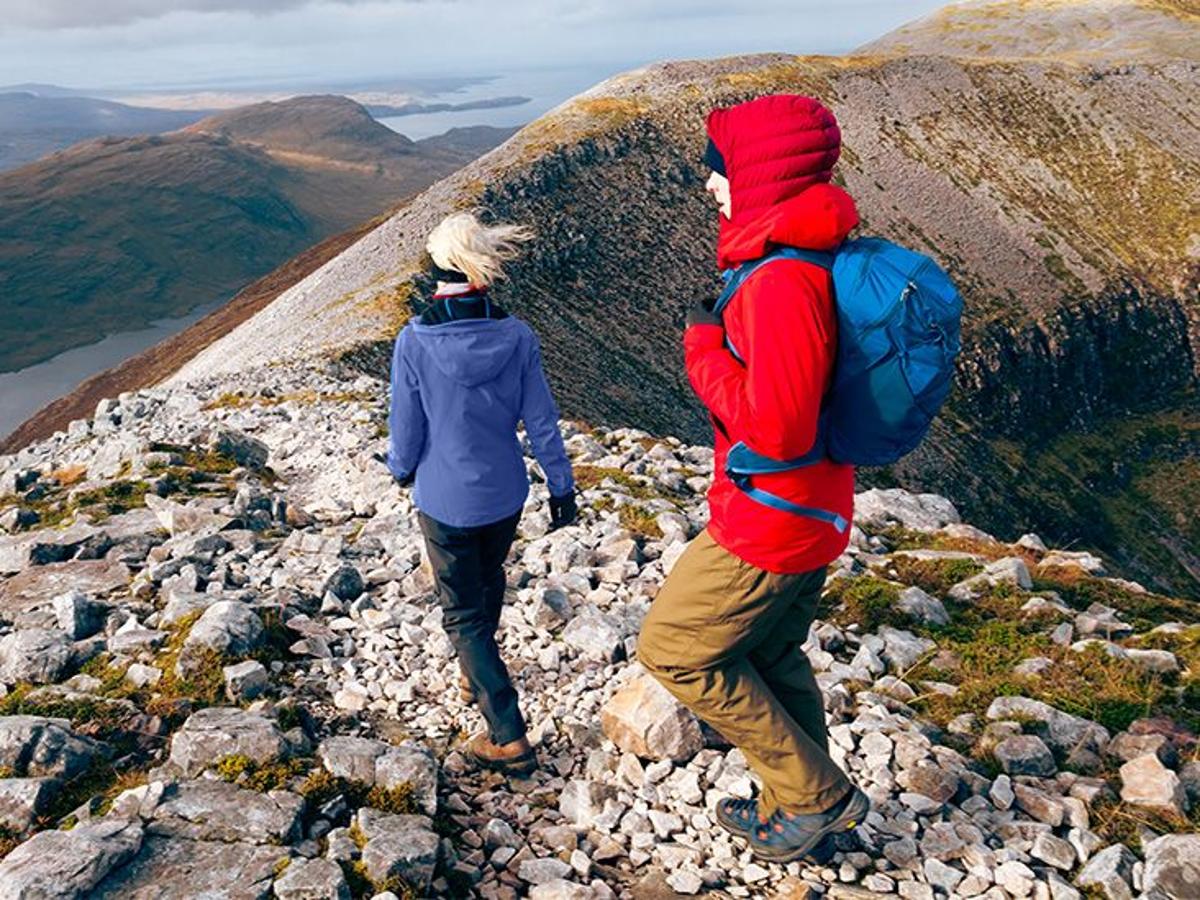
Being at High Altitudes Could Help Blood Sugar Control: Here's Why
•March 6, 2026
0
Why It Matters
The work uncovers a previously unknown mechanism for blood‑sugar regulation, offering a potential new target for diabetes treatments while highlighting the need for human validation.
Key Takeaways
- •Hypoxia boosts red blood cell count and glucose uptake
- •RBCs act as a glucose sink in low‑oxygen environments
- •Mice exposed to hypoxia showed improved glucose tolerance
- •HypoxyStat mimics hypoxia, reversing mouse hyperglycemia
- •Human applicability remains uncertain; clinical trials needed
Pulse Analysis
The discovery that red blood cells (RBCs) become active glucose consumers under hypoxic stress reshapes our understanding of metabolic regulation. In low‑oxygen conditions, RBCs increase in number and up‑regulate the GLUT1 transporter, allowing each cell to pull more glucose from the bloodstream. This dual response creates a “glucose sink” that not only fuels the cells’ own glycolytic pathway but also lowers circulating sugar levels. Imaging studies in mice confirmed that a substantial fraction of the glucose load disappears into the erythrocyte pool, offering a mechanistic explanation for the epidemiological link between high altitude and reduced diabetes risk.
The mechanistic insight opens a new therapeutic avenue: pharmacologically reproducing the hypoxic signal without exposing patients to altitude. Researchers at the Gladstone Institutes introduced HypoxyStat, a small molecule that tightens hemoglobin’s oxygen binding, thereby simulating chronic hypoxia. In diabetic mouse models, a single dose of HypoxyStat restored normal glucose tolerance and outperformed several standard antidiabetic drugs. If similar efficacy translates to humans, such agents could complement existing treatments, especially for patients who cannot tolerate intensive lifestyle interventions. However, safety profiling, dosage optimization, and long‑term effects remain critical hurdles before clinical adoption.
Translating these findings to people with diabetes demands careful consideration. Type 1 patients are prone to hypoglycemia at altitude, and the interplay between insulin therapy and hypoxia‑induced glucose uptake is not yet defined. Moreover, altitude‑related benefits may be confounded by lifestyle, diet, and genetic factors unique to high‑elevation populations. Rigorous human trials are essential to determine the required intensity and duration of hypoxic exposure—or its drug‑mimetic counterpart—needed for therapeutic effect. Until such data emerge, clinicians should advise patients to prioritize safety while monitoring emerging research on hypoxia‑based diabetes strategies.
Being at high altitudes could help blood sugar control: Here's why
0
Comments
Want to join the conversation?
Loading comments...