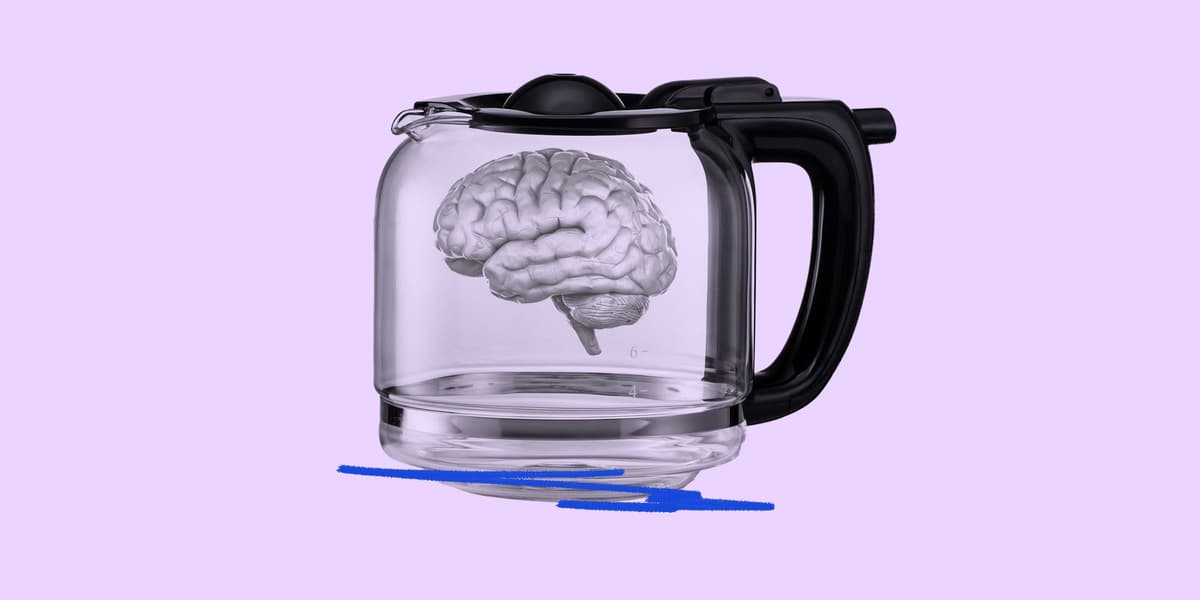
Coffee (Even Decaf) Might Be Helping Your Brain More Than You Think
Why It Matters
The findings suggest everyday coffee consumption may influence mental health through microbiome pathways, opening new avenues for dietary strategies and functional‑beverage development.
Key Takeaways
- •Study of 62 participants linked coffee to distinct gut microbes.
- •Both caffeinated and decaf coffee improved mood, stress, and impulsivity.
- •Caffeinated coffee boosted attention; decaf enhanced memory and sleep.
- •Microbial metabolites shifted during coffee abstinence and rebounded on resumption.
- •Findings suggest coffee’s impact goes beyond caffeine via gut‑brain modulation.
Pulse Analysis
The recent Nature Communications trial adds a nuanced layer to the burgeoning field of gut‑brain research. By enrolling 31 habitual coffee consumers and an equal number of non‑drinkers, the investigators could isolate microbial signatures associated with regular coffee intake. Notably, coffee drinkers harbored higher levels of Cryptobacterium curtum, Eggertella sp. CAG:209, and Firmicutes CAG:94—species previously tied to oral health, fat metabolism, and positive emotional states. When participants halted coffee for two weeks, metabolite profiles shifted, only to normalize after a three‑week re‑exposure, underscoring coffee’s dynamic influence on gut ecology.
Beyond the microbiome, the study reported measurable psychological benefits. Both decaf and caffeinated groups experienced reduced stress, depression, and impulsivity, while the caffeinated cohort showed sharper attention and lower anxiety. Decaf participants, meanwhile, reported improvements in learning, memory, physical activity, and sleep quality. These outcomes suggest that coffee’s bioactive compounds—polyphenols, diterpenes, and perhaps minor caffeine residues—may interact with microbial metabolites to modulate neurotransmitter pathways, offering a plausible mechanism for the observed mood enhancements.
For industry stakeholders, the research signals a potential market for coffee‑derived functional products that target mental‑wellness and gut health. However, the sample size remains modest, and causality cannot be firmly established. Future large‑scale, longitudinal studies should dissect the role of coffee type, brewing method, and individual microbiome variability. Until then, clinicians can cautiously acknowledge coffee as a possible adjunct to lifestyle‑based mental‑health strategies, while consumers should view the findings as encouraging but not a prescription to start drinking coffee solely for brain benefits.
Coffee (Even Decaf) Might Be Helping Your Brain More Than You Think
Comments
Want to join the conversation?
Loading comments...