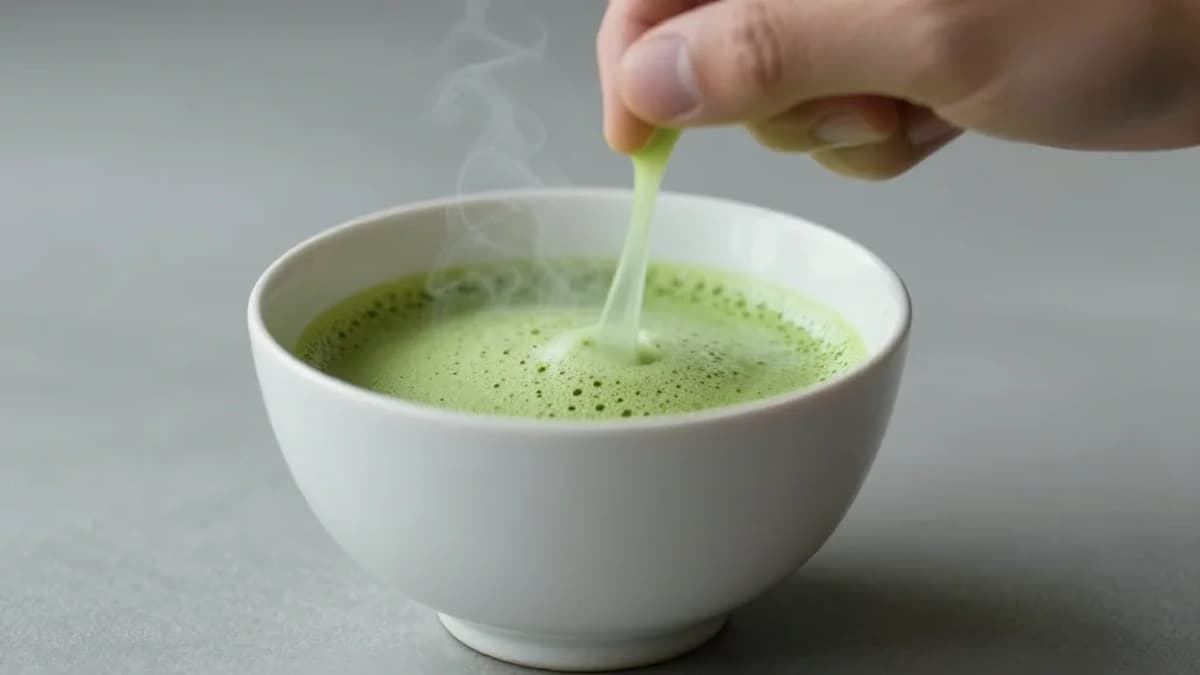
Could a Hot Cup of Matcha Dial Down the 'Sneeze Switch' In Allergic Rhinitis?
•March 11, 2026
0
Companies Mentioned
Why It Matters
If the neurological mechanism observed in mice translates to humans, matcha could become a low‑risk, dietary adjunct for managing allergic rhinitis, reducing dependence on conventional antihistamines. This opens a new research frontier on food‑derived modulation of reflex pathways in allergy treatment.
Key Takeaways
- •Matcha lowered sneezing frequency in hay‑fever mice
- •No change observed in IgE, mast cell, or T‑cell markers
- •Effect linked to suppressed brainstem neuronal activation
- •Treatment involved 2‑3 weekly doses over five weeks
- •Findings suggest non‑immune pathway for allergy symptom relief
Pulse Analysis
Allergic rhinitis affects up to 30% of the global population, driving demand for safer, long‑term symptom management beyond antihistamines and corticosteroids. Consumers increasingly turn to functional foods, and Japan's matcha—rich in catechins, L‑theanine, and other bioactive compounds—has attracted scientific attention for its anti‑inflammatory properties. While epidemiological data hint at reduced allergy incidence among regular green‑tea drinkers, the precise mechanisms have remained speculative, prompting researchers to explore neural as well as immune pathways.
In the Hiroshima University study, mice modeled for hay‑fever received matcha orally twice or thrice weekly for more than five weeks, with an additional dose before allergen challenge. Compared with controls, treated mice exhibited a marked decline in sneeze counts, yet serum IgE levels, mast‑cell degranulation, and T‑cell activation remained unchanged. Molecular analysis revealed diminished c‑Fos expression in the ventral spinal trigeminal nucleus, indicating that matcha dampens the central neuronal circuitry that triggers the sneeze reflex. This neurological modulation suggests that matcha’s benefits may arise from direct action on the brainstem rather than traditional immune suppression.
The discovery of a diet‑derived, brain‑centered anti‑sneeze effect could reshape allergy therapeutics. Future human trials will need to confirm dosage, bioavailability, and safety, especially for individuals with caffeine sensitivity. Should clinical data align with the murine results, matcha could be positioned as a nutraceutical adjunct, offering consumers a natural, daily‑use option to mitigate seasonal symptoms while leveraging its established cardiovascular and cognitive advantages. Industry stakeholders may soon explore fortified beverages or supplements that capitalize on this dual‑benefit profile, potentially expanding the functional‑food market for allergy sufferers.
Could a hot cup of matcha dial down the 'sneeze switch' in allergic rhinitis?
0
Comments
Want to join the conversation?
Loading comments...