Why It Matters
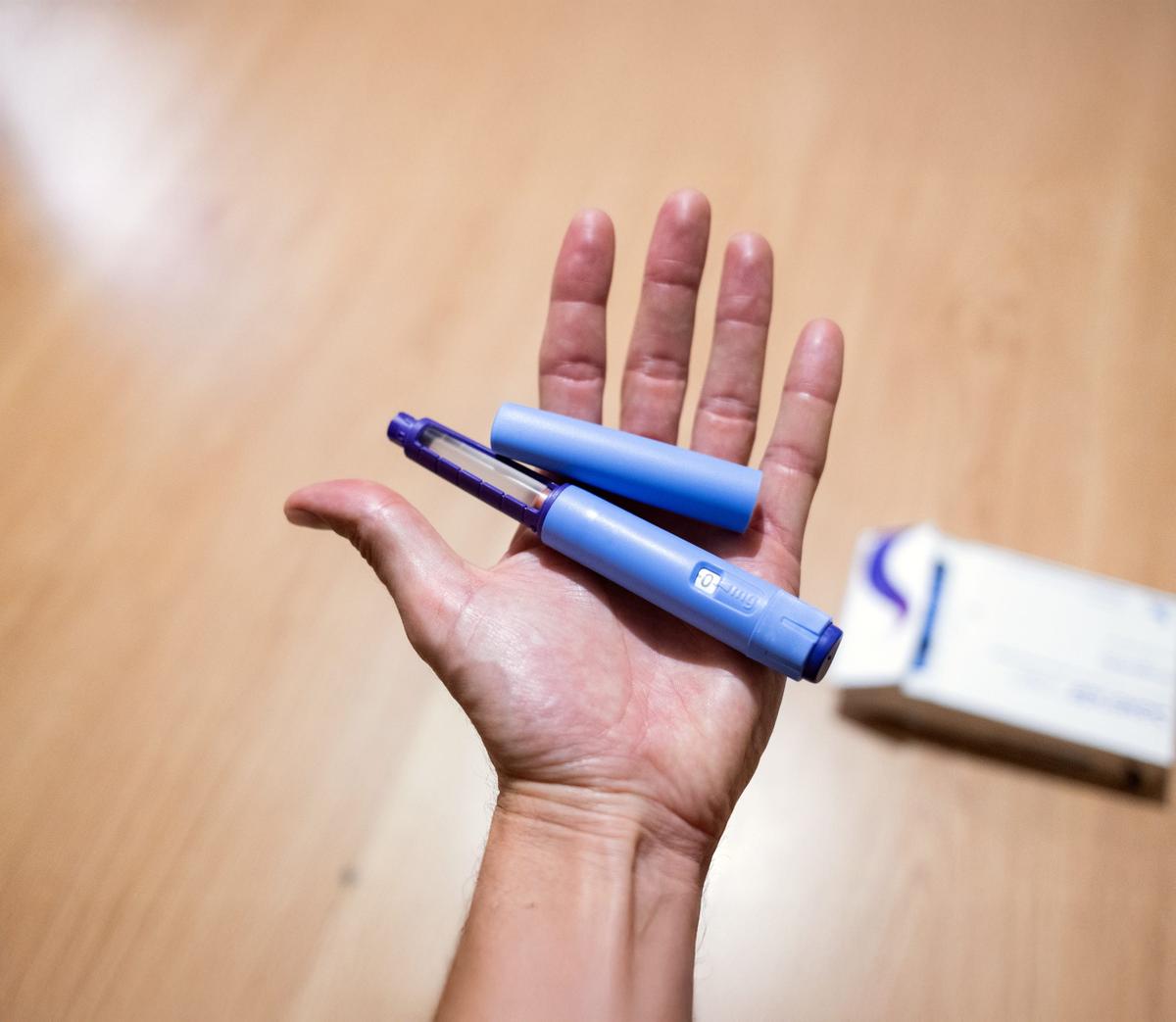
As GLP‑1 prescriptions surge, athletes risk muscle loss and performance decline without tailored nutrition, impacting both individual health outcomes and the broader fitness market.
Key Takeaways
- •GLP‑1s can suppress hunger, requiring deliberate fueling for rides.
- •Strength training twice weekly protects muscle while on weight‑loss drugs.
- •Track snacks and performance to identify gut‑friendly fueling strategies.
- •Hydrate before, during, and after rides despite reduced thirst cues.
Pulse Analysis
The rise of GLP‑1 drugs such as Wegovy and Ozempic has transformed the weight‑loss landscape, attracting not only sedentary users but also endurance athletes. While these agents accelerate fat loss, they also mute natural appetite and thirst cues, creating a paradox for cyclists who rely on steady energy supplies. Industry analysts note that the convergence of pharmacology and sport is prompting a new wave of evidence‑based training protocols, where exercise is positioned as a counterbalance to the metabolic shifts induced by the drugs.
For cyclists, the key to maintaining performance lies in disciplined nutrition and targeted strength work. Consuming carbohydrate‑rich snacks before and during rides sustains glycogen stores, while post‑ride protein‑carb combos support muscle repair and mitigate the muscle‑wasting risk associated with GLP‑1s. Incorporating two weekly strength‑training sessions further safeguards lean mass and boosts metabolic rate, ensuring that weight loss reflects fat reduction rather than muscle depletion. Hydration strategies must also be proactive, as reduced thirst perception can lead to dehydration, impairing endurance and recovery.
Practical implementation involves meticulous tracking of food intake, fluid volume, and perceived exertion to identify individual tolerances and gut‑friendly options. Athletes are encouraged to experiment with low‑fiber, easily digestible fuels during rides and increase fiber intake at other times to manage gastrointestinal side effects. Consulting healthcare providers when fatigue or digestive issues arise ensures that medication dosages remain appropriate. This integrated approach not only optimizes individual outcomes but also signals a broader shift toward personalized, drug‑aware training regimens within the fitness industry.
Cycling for Weight Loss: GLP-1s
Comments
Want to join the conversation?
Loading comments...