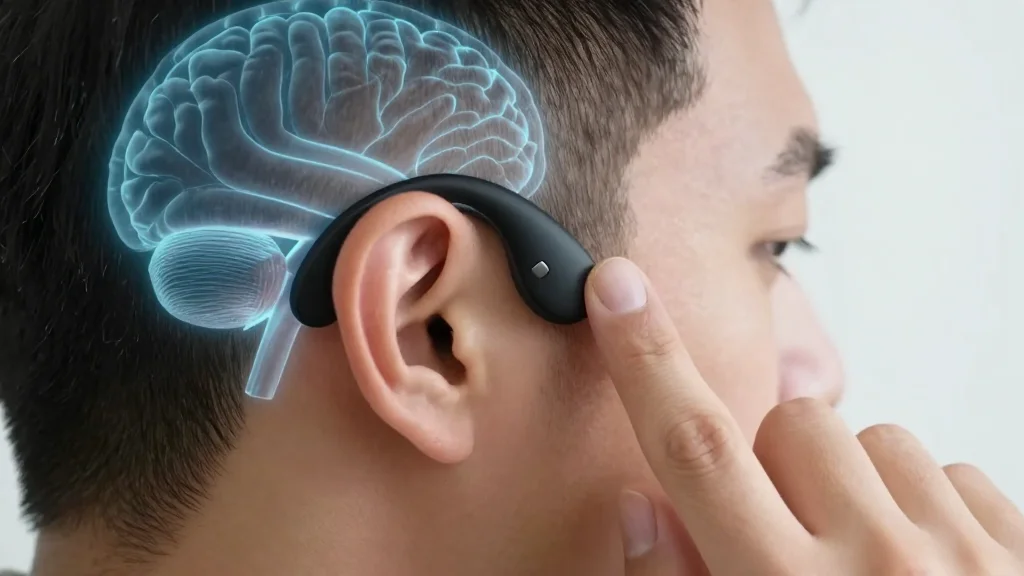
Ear‑Based Vagus Stimulation Triggers Motor Cortex During Movement, Study Finds

Why It Matters
The ability to trigger motor‑cortex activity without collateral autonomic effects reshapes how biohackers think about neuromodulation. Instead of blanket stimulation that can cause unwanted side‑effects, precise, movement‑locked taVNS offers a pathway to enhance motor learning, speed up skill acquisition, and potentially accelerate recovery after injury. For the broader neuro‑rehabilitation field, the findings suggest that timing stimulation to the patient’s active movements could amplify neuroplastic changes, making therapies more efficient and personalized. Beyond clinical settings, the study fuels the debate over consumer neuro‑tech. Wearable devices that claim to boost performance are proliferating, yet few have rigorous evidence of targeted brain effects. This research provides a scientific benchmark that could inform standards, guide regulatory scrutiny, and help users differentiate between hype and hardware that truly modulates specific neural circuits.
Key Takeaways
- •36 healthy volunteers received 2‑second taVNS bursts paired with random finger taps.
- •Movement‑paired taVNS increased EEG activity in motor‑cortex regions, while earlobe sham did not.
- •Pupil dilation rose modestly, indicating arousal, but heart rate and skin conductance stayed unchanged.
- •A second protocol induced involuntary finger twitches, confirming direct motor‑cortex activation without voluntary effort.
- •Researchers plan a post‑stroke pilot trial to test therapeutic benefits of movement‑locked taVNS.
Pulse Analysis
The ETH Zurich study marks a pivot from generic vagus‑nerve stimulation toward context‑aware neuromodulation. Historically, taVNS has been marketed for mood regulation and autonomic balance, but its impact on motor circuits remained speculative. By anchoring stimulation to an overt motor act, the researchers effectively create a closed‑loop system that leverages the brain’s natural sensorimotor coupling. This aligns with a broader trend in biohacking where timing, dosage, and feedback are becoming as critical as the hardware itself.
From a market perspective, the findings could catalyze a new wave of niche wearables aimed at athletes, musicians, and rehabilitation clinics. Companies that can integrate real‑time motion detection with precise ear‑clip stimulation may command premium pricing, especially if early clinical data show functional gains. However, the path to commercialization will be littered with regulatory hurdles; the FDA currently treats taVNS devices as medical devices, and any performance‑enhancement claim could trigger stricter oversight.
Strategically, the study also raises ethical questions about the democratization of brain‑modulating tools. If a low‑cost ear‑clip can subtly boost motor learning, the line between therapeutic use and elective enhancement blurs. Stakeholders—from clinicians to policymakers—will need to grapple with consent, equity, and the potential for a performance arms race in sports and the workplace. The next few years will likely see a tug‑of‑war between innovators pushing the envelope and regulators seeking to protect users from unproven claims.
Ear‑Based Vagus Stimulation Triggers Motor Cortex During Movement, Study Finds
Comments
Want to join the conversation?
Loading comments...