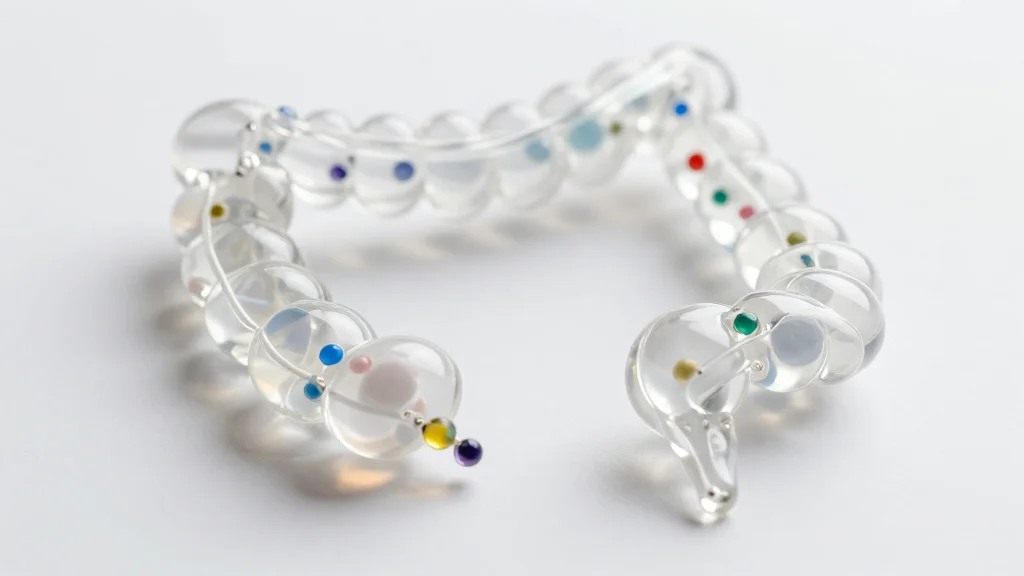
Gut Transit Speed and Targeted Exercise Emerge as New Biohacking Levers

Why It Matters
Understanding gut transit time adds a kinetic dimension to the biohacking playbook, allowing individuals to tailor interventions beyond static dietary changes. By linking bowel regularity to systemic inflammation and neuro‑degeneration, the *Gut* study suggests that simple habit adjustments could have outsized effects on long‑term health. Exercise‑driven microbiome modulation expands the toolkit further, showing that movement can directly fuel beneficial bacterial metabolites. This creates a feedback loop where better gut health supports performance, and performance‑enhancing workouts reinforce gut integrity—a virtuous cycle that could reshape personalized wellness strategies.
Key Takeaways
- •Study in *Gut* finds gut transit time predicts microbiome composition better than diet alone.
- •Both very fast and very slow transit are associated with reduced bacterial diversity.
- •Slower transit linked to metabolic inflammation and higher Parkinson’s disease risk.
- •Aimee Newton says exercise increases gut bacterial diversity and strengthens the gut barrier.
- •Lactate from moderate exercise can be converted by gut microbes into beneficial short‑chain fatty acids.
Pulse Analysis
The twin revelations on transit speed and exercise‑induced microbiome shifts signal a shift from static nutrition advice to dynamic, systems‑level biohacking. Historically, the market has focused on probiotic capsules and fiber supplements, promising a one‑size‑fits‑all fix. The *Gut* study, however, demonstrates that the temporal dimension of digestion can outweigh dietary inputs, prompting a re‑evaluation of product pipelines. Companies that can deliver real‑time transit monitoring—through smart toilets, ingestible sensors, or AI‑driven stool‑analysis apps—stand to capture a new segment of health‑conscious consumers.
Simultaneously, the exercise findings validate a growing body of research that positions physical activity as a microbiome modulator. Wearable manufacturers are already integrating gut‑health metrics into their platforms, but most focus on heart‑rate and VO2 max. The next iteration may incorporate lactate tracking and gut‑barrier integrity scores, offering users a holistic view of how workouts translate into microbial benefits. This could spur collaborations between fitness tech firms and nutraceutical brands to co‑develop fiber blends that synergise with specific training regimens.
Looking ahead, the convergence of these insights may catalyse a new wave of personalized protocols that blend meal timing, targeted fiber, and calibrated exercise. As longitudinal data emerge, we may see insurance providers and employers incentivising such integrated approaches to curb chronic disease costs. For biohackers, the message is clear: the gut is a kinetic organ, and mastering its rhythm could be the most potent lever for health optimisation yet.
Gut Transit Speed and Targeted Exercise Emerge as New Biohacking Levers
Comments
Want to join the conversation?
Loading comments...