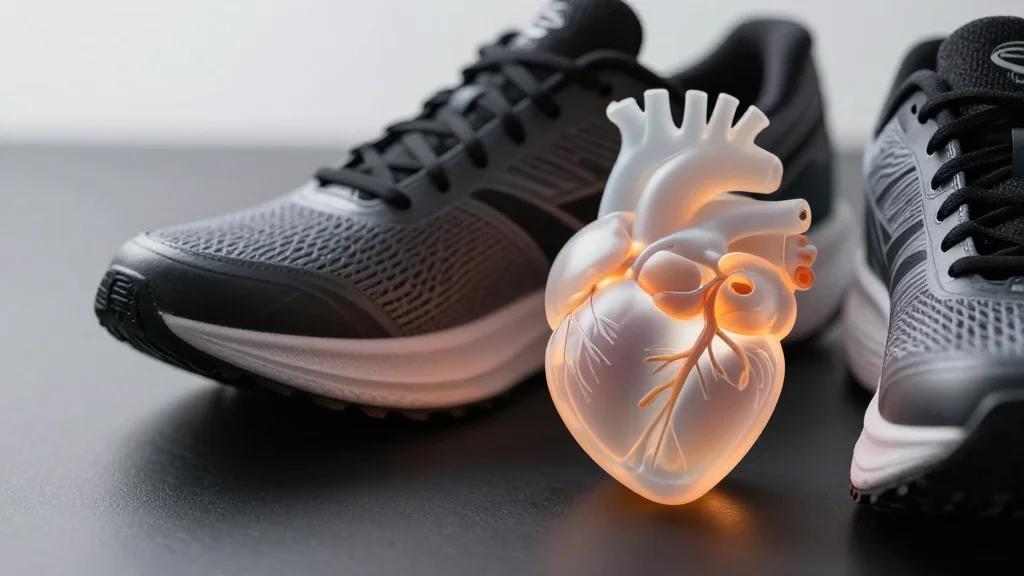
High-Intensity Interval Training Shows Strongest Vascular Benefits in Cardiovascular Patients
Why It Matters
Improving endothelial function lowers cardiovascular risk and can improve outcomes for millions of patients, making HIIE a potent tool for cardiac rehab programs. The findings also guide clinicians toward evidence‑based exercise prescriptions, optimizing resource use and patient recovery.
Key Takeaways
- •HIIE yields greatest improvement in endothelial function among exercise types
- •Combined high‑intensity aerobic and resistance training shows promise but limited data
- •Moderate aerobic exercise helps, yet less effective than HIIE
- •Resistance‑only training shows no significant impact on vascular health
Pulse Analysis
Endothelial dysfunction sits at the core of cardiovascular disease, driving inflammation, thrombosis, and impaired vasodilation. While pharmacologic therapies target lipid levels and blood pressure, lifestyle interventions remain the most scalable means of restoring vascular health. Exercise, in particular, can modulate shear stress—the frictional force of blood flow on vessel walls—and thereby stimulate the endothelium to produce nitric oxide, a key vasodilator. Understanding which training protocols generate the strongest shear‑stress signals is essential for clinicians seeking non‑drug strategies that complement standard cardiac care.
The new network meta‑analysis of 37 studies, encompassing 6,818 patients with coronary artery disease or chronic heart failure, ranks high‑intensity interval exercise (HIIE) as the clear front‑runner for endothelial improvement. Compared with moderate‑intensity continuous aerobic workouts, HIIE produced markedly higher flow‑mediated dilation percentages, a gold‑standard metric of endothelial health. The intermittent bursts of effort create repeated spikes in blood flow, amplifying shear stress and boosting nitric oxide bioavailability. By contrast, resistance‑only programs failed to move the needle, and moderate aerobic sessions delivered modest gains.
These findings have immediate relevance for cardiac rehabilitation programs, which traditionally emphasize steady‑state aerobic training. Incorporating supervised HIIE sessions could accelerate vascular recovery, potentially shortening rehab timelines and lowering long‑term event rates. The promising, albeit limited, data on combined high‑intensity aerobic and resistance training suggest an even greater benefit, but larger randomized trials are needed to confirm safety and efficacy across age groups and disease subtypes. As health systems prioritize cost‑effective, evidence‑based interventions, HIIE stands out as a scalable, high‑impact prescription for millions of cardiovascular patients.
High-intensity interval training shows strongest vascular benefits in cardiovascular patients
Comments
Want to join the conversation?
Loading comments...