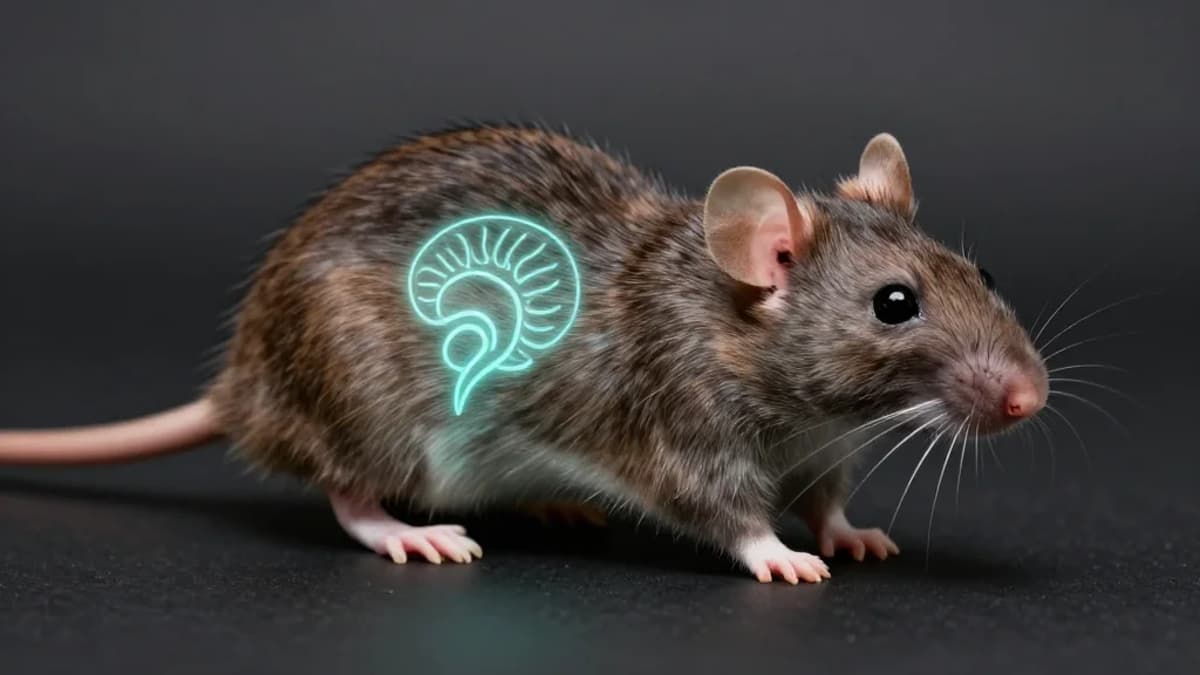
How Voluntary Exercise Reshapes Tryptophan Metabolism Through the Gut Microbiota
•March 10, 2026
1
Why It Matters
The work provides a mechanistic link between exercise‑driven microbiome changes and brain pathways that regulate memory, opening new avenues for microbiome‑targeted strategies to boost mental health.
Key Takeaways
- •Exercise lowers Alistipes and Clostridium abundance.
- •Serum 5‑hydroxytryptol rises with running.
- •Dorsal hippocampal AhR expression declines after exercise.
- •Tryptophan‑related gut‑brain modules are up‑regulated.
- •Findings suggest microbiome mediates exercise‑induced memory benefits.
Pulse Analysis
The gut‑brain axis has emerged as a central hub where diet, microbes, and neural circuits intersect, and tryptophan metabolism sits at its core. Tryptophan, an essential amino acid, can be diverted toward serotonin synthesis, the kynurenine pathway, or microbial conversion into indoles that cross the blood‑brain barrier. By altering the composition of gut bacteria, exercise can tip the balance among these routes, potentially reshaping neurochemical landscapes that underlie mood and cognition.
In the University College Cork study, rats with free access to a running wheel logged an average of 5.24 km per day, leading to a measurable decline in two genera—Alistipes and Clostridium—known for their role in tryptophan catabolism. Untargeted serum metabolomics identified seven metabolites that differed between active and sedentary groups, with 5‑hydroxytryptol, a serotonin degradation product, emerging as the most significant. Concurrently, transcript analysis revealed a modest but notable reduction of AhR expression in the dorsal hippocampus, a region linked to spatial memory. The convergence of microbial, metabolic, and neural data suggests that exercise orchestrates a coordinated response that channels tryptophan toward pathways supportive of brain health.
These insights have practical implications for both research and clinical practice. If similar mechanisms operate in humans, modulating physical activity could become a non‑pharmacological lever to fine‑tune gut‑derived metabolites that affect cognition and mood. Future studies should incorporate behavioral testing, female subjects, and higher‑resolution microbiome profiling to validate translational relevance. Ultimately, integrating exercise prescriptions with microbiome‑focused interventions may offer a synergistic strategy for preventing neurodegenerative disorders and enhancing mental resilience.
How voluntary exercise reshapes tryptophan metabolism through the gut microbiota
1
Comments
Want to join the conversation?
Loading comments...