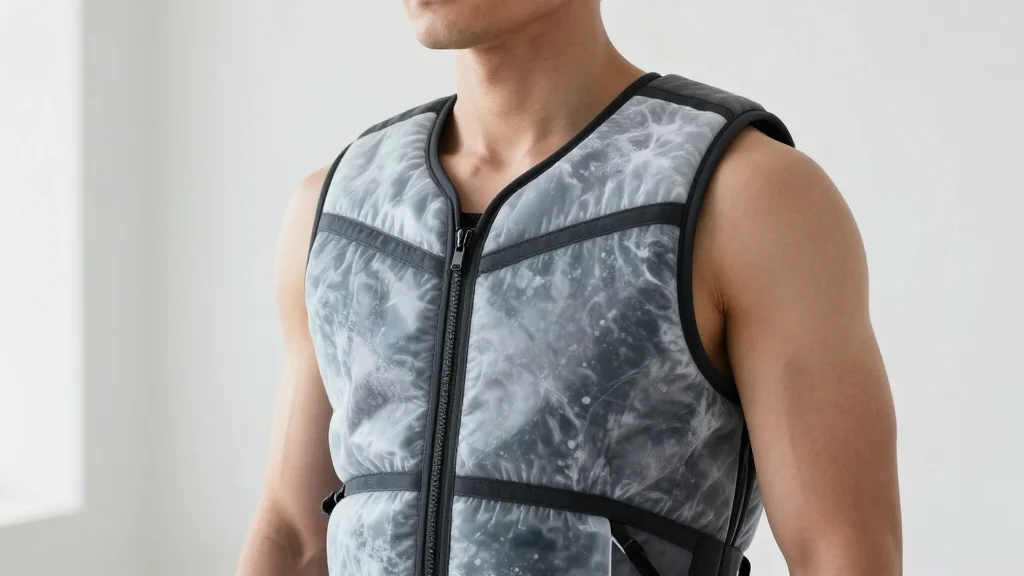
Ice Vests Cut Fat by 0.9 Kg in Six‑Week Study, Boosting Biohacking Credibility

Why It Matters
The study bridges a gap between academic research and the DIY biohacking community, offering empirical support for a low‑tech, low‑cost intervention that can be self‑administered. By demonstrating that modest, sustained cold exposure can activate brown fat and produce measurable fat loss, the research may catalyze a wave of consumer products aimed at metabolic optimization. Moreover, the findings could influence clinical guidelines for obesity management, encouraging clinicians to consider non‑pharmacologic temperature‑based therapies alongside diet and exercise. Beyond individual health, the results raise questions about how wearable technology can be integrated into broader public‑health strategies. If cooling garments prove effective at scale, they could become part of workplace wellness programs or insurance‑driven preventive care, reshaping the economics of obesity treatment and expanding the biohacking market beyond niche enthusiasts.
Key Takeaways
- •47 participants with overweight or obesity enrolled; 23 wore ice vests, 24 served as controls
- •Vest group lost an average of 0.9 kg of body fat over six weeks; control group gained weight
- •Vests were cooled to ~15 °C and worn for two hours daily while participants performed routine activities
- •Brown adipose tissue activation identified as the primary mechanism driving increased energy expenditure
- •Researchers plan larger trials and comparative studies with cold‑shower protocols
Pulse Analysis
Cold‑exposure as a biohack has a storied history, from Wim Hof’s breath‑work and ice‑bath rituals to recent wearable cooling devices marketed to athletes. This study marks the first peer‑reviewed, controlled evidence that a simple, daily cold stimulus can translate into quantifiable fat loss in a real‑world setting. Historically, attempts to harness brown fat have focused on pharmaceutical agents or extreme environmental exposure, both of which face compliance and safety hurdles. The vest approach sidesteps many of these issues by delivering a tolerable temperature drop that can be integrated into a typical workday.
From a market perspective, the data could unlock a new product category that sits at the intersection of health tech and lifestyle accessories. Existing players in the cooling‑garment space—originally targeting heat stress mitigation—may pivot to emphasize metabolic benefits, leveraging the study’s findings in marketing narratives. However, the modest magnitude of weight loss (under one kilogram) suggests that consumer expectations must be managed; the technology is unlikely to replace conventional weight‑loss strategies but could serve as an adjunct for motivated individuals.
Regulatory implications are also worth watching. As devices claim metabolic effects, they may attract scrutiny from agencies like the FDA, which could require clinical validation for health‑claim labeling. Early adopters and startups will need to balance rapid product iteration with rigorous testing to avoid premature hype. In the longer term, if larger trials confirm efficacy and safety, insurers might consider covering such devices as part of chronic disease management, potentially reshaping reimbursement models for obesity treatment.
Overall, the study injects scientific credibility into a practice that has largely been anecdotal. It could accelerate the convergence of biohacking culture with mainstream health‑care, prompting both entrepreneurs and clinicians to rethink how temperature‑based interventions fit into the broader obesity‑prevention toolkit.
Ice Vests Cut Fat by 0.9 kg in Six‑Week Study, Boosting Biohacking Credibility
Comments
Want to join the conversation?
Loading comments...