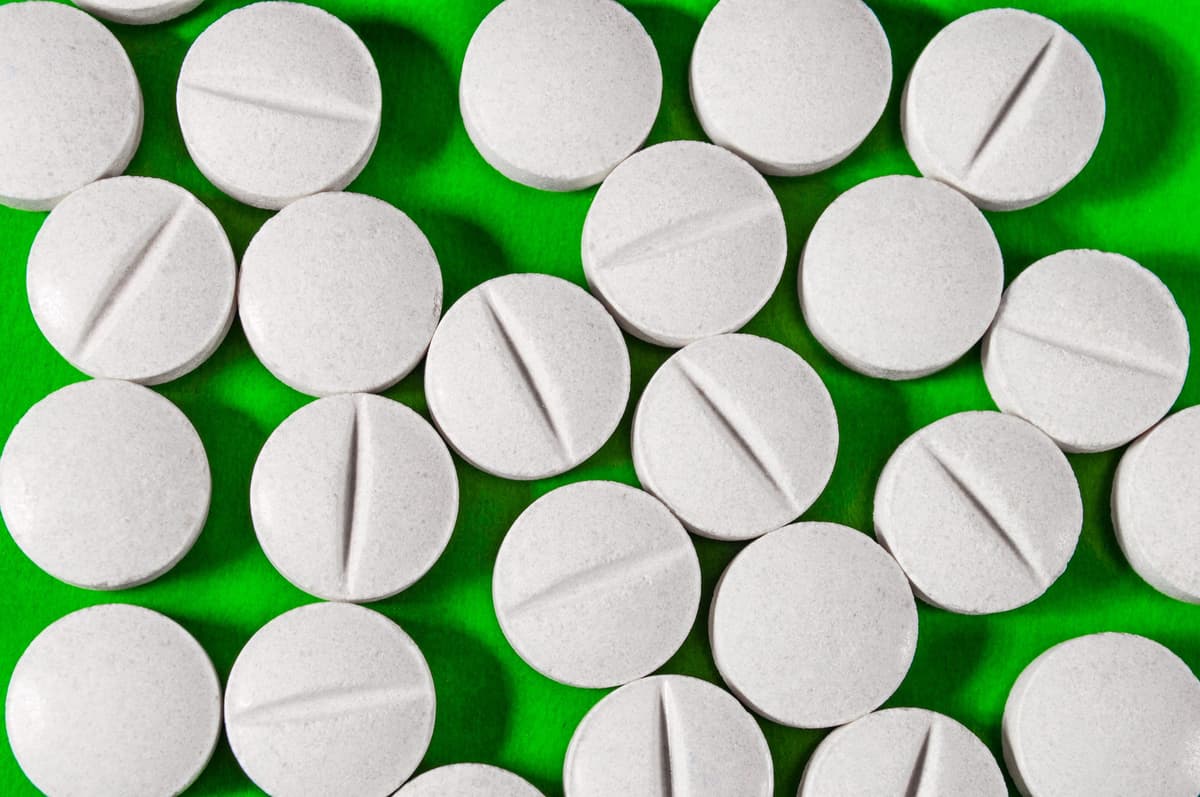
Is No One Doing Baby Aspirin for Heart Disease Prevention Anymore?
Why It Matters
The drop signals clinicians are aligning with updated evidence, reducing unnecessary bleeding risk while focusing on more effective risk‑factor management, reshaping preventive cardiology practice.
Key Takeaways
- •Baby aspirin use dropped from 7.2% to 3.2% since 2018
- •Adults 80+ remain highest users at 5.7% of visits
- •USPSTF now advises against starting aspirin for adults 60+
- •Aspirin still recommended for secondary prevention after heart attack or stroke
Pulse Analysis
The latest Epic Research analysis of 279 million primary‑care encounters reveals a steep decline in low‑dose aspirin prescriptions for primary cardiovascular prevention. By the end of 2025, only 3.2% of adults 40 and older were documented as taking a daily “baby” aspirin, down from a 7.4% peak in 2018. The trend is most pronounced among middle‑aged patients, while seniors 80 plus still account for 5.7% of users, reflecting lingering habit and higher baseline risk. This shift underscores how large‑scale electronic health‑record data can surface real‑world practice changes faster than traditional surveys.
Guideline bodies have driven the change. The USPSTF moved from a modest ‘B’ recommendation for 50‑59‑year‑olds with a 10% ten‑year risk in 2016 to a 2022 stance that adults 60 and older should not start aspirin for primary prevention. Simultaneously, the ACC/AHA in 2019 warned against routine use, emphasizing bleeding hazards and the modest incremental benefit over modern statin and antihypertensive therapy. Meta‑analyses of recent trials failed to demonstrate a net mortality advantage, prompting clinicians to prioritize lipid‑lowering, blood‑pressure control, and lifestyle interventions that deliver clearer outcomes.
For practitioners, the data translate into a more nuanced counseling approach. Aspirin remains a cornerstone for secondary prevention—patients with prior myocardial infarction, ischemic stroke, or documented atherosclerotic disease still derive measurable protection against recurrent events. However, primary‑prevention candidates now require individualized risk‑benefit assessments, weighing cardiovascular risk scores against gastrointestinal bleeding potential. As the healthcare system continues to integrate real‑time analytics, we can expect further refinement of preventive strategies, with aspirin usage likely to stabilize at a low, evidence‑driven level.
Is No One Doing Baby Aspirin for Heart Disease Prevention Anymore?
Comments
Want to join the conversation?
Loading comments...