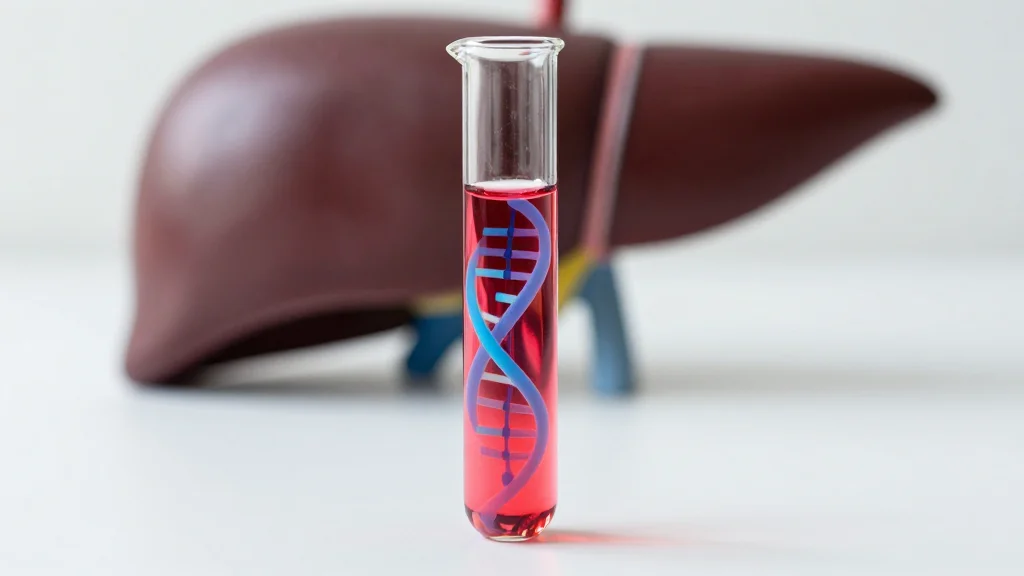
Johns Hopkins AI Blood Test Flags Silent Liver Disease Years Early

Why It Matters
Early detection of liver disease could shift the paradigm from reactive treatment to proactive health management, a core tenet of the biohacking movement. By identifying fibrosis before symptoms emerge, individuals can implement dietary, pharmacologic, or lifestyle interventions that may reverse damage and reduce long‑term cancer risk. The fragmentome approach also expands the utility of liquid biopsies beyond oncology, suggesting a new class of AI‑driven diagnostics for chronic illnesses. If commercialized, the test could democratize access to sophisticated genomic monitoring, fostering a data‑rich ecosystem where biohackers and clinicians collaborate on personalized disease prevention strategies.
Key Takeaways
- •Johns Hopkins researchers developed an AI‑powered blood test detecting liver fibrosis years before symptoms.
- •Study analyzed whole‑genome sequencing data from 1,576 participants, evaluating ~40 million DNA fragments per sample.
- •The test leverages the fragmentome—size and distribution of cell‑free DNA—rather than cancer‑specific mutations.
- •Published in Science Translational Medicine and partially funded by the NIH.
- •Potential to empower biohackers with early, actionable insights into liver health.
Pulse Analysis
The emergence of an AI‑driven fragmentome assay signals a broader shift in precision health: moving from disease‑centric diagnostics to holistic, pre‑emptive monitoring. Historically, liquid biopsies have been confined to oncology, where the presence of tumor‑derived mutations offers a clear signal. By contrast, the Johns Hopkins study demonstrates that the stochastic patterns of DNA fragmentation encode a wealth of physiological information, opening a new diagnostic frontier.
For the biohacking community, this development is more than a technical novelty; it validates a long‑standing hypothesis that molecular data can be harnessed for self‑optimization. Early adopters are likely to integrate the test into existing health‑tracking stacks, pairing results with nutrition, exercise, and supplement regimens designed to support hepatic regeneration. However, the technology’s success will hinge on regulatory pathways, cost structures, and the ability to communicate risk without causing alarm.
Looking ahead, the fragmentome methodology could be adapted to detect other silent conditions—such as early‑stage kidney disease or neurodegeneration—creating a suite of AI‑enabled blood tests that collectively map an individual’s health trajectory. Companies that can translate these research findings into affordable, user‑friendly kits will capture a lucrative niche at the intersection of genomics, AI, and consumer wellness, reshaping how biohackers approach longevity and disease prevention.
Johns Hopkins AI Blood Test Flags Silent Liver Disease Years Early
Comments
Want to join the conversation?
Loading comments...