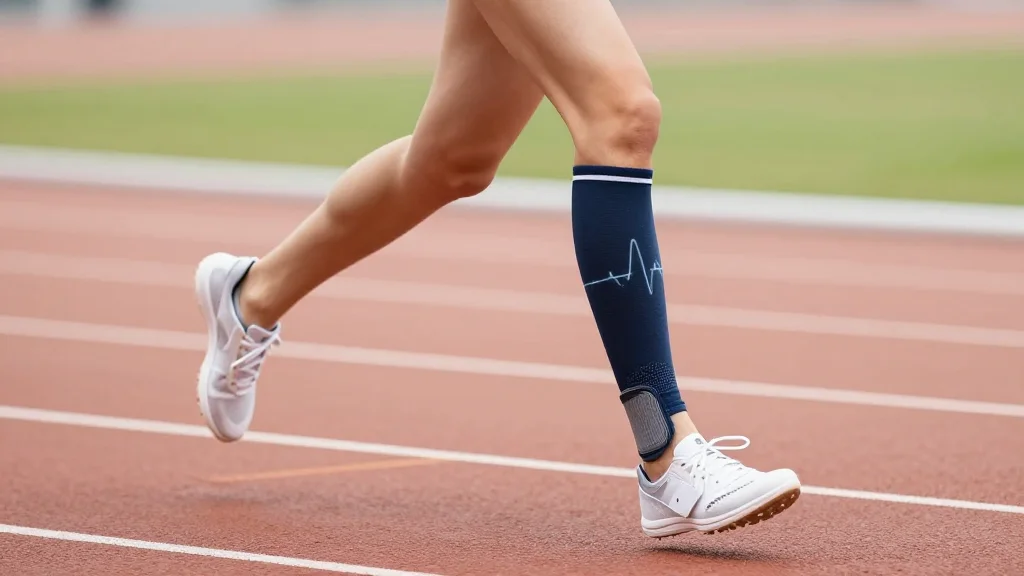
Lower Extremity Injury Prevention in Female, Woman, and Girl Athletes
Why It Matters
Lower‑extremity injuries affect up to half of female athletes each season, driving substantial health costs and long‑term disability; proven, scalable prevention can curb these impacts and improve athlete longevity.
Key Takeaways
- •NMT programs cut ACL injuries in female athletes by 61%.
- •Ten minutes twice weekly reduces overall lower‑extremity injuries 19%.
- •Ankle sprains drop 39% with consistent neuromuscular training.
- •Low resource demand enables policy mandates for widespread adoption.
- •Evidence gaps remain for PPE, rule changes, and non‑knee injuries.
Pulse Analysis
Female athletes face a disproportionate burden of lower‑extremity injuries, accounting for more than 60% of sport‑related trauma in this population. Seasonal injury rates approach 50%, translating into millions of dollars in medical expenses and lost productivity. Historically, most prevention research has centered on male cohorts, leaving a critical knowledge gap for women’s sport. Recognizing these disparities, researchers have begun to isolate gender‑specific data, revealing that tailored interventions can dramatically shift outcomes.
The meta‑analysis of 82 studies underscores neuromuscular training as the cornerstone of effective injury prevention for women and girls. Programs that incorporate balance, strength, agility, and cutting drills for as little as 10 minutes twice a week yielded a 19% reduction in overall lower‑extremity injuries, a 39% drop in ankle sprains, and a striking 61% decline in ACL tears. These findings demonstrate that modest, equipment‑free sessions can produce high‑certainty benefits, making them attractive for schools, clubs, and elite programs alike. Coaches can integrate progressive bilateral‑to‑single‑leg exercises into warm‑ups, ensuring consistent exposure without disrupting practice flow.
Despite the clear advantages of NMT, the review highlights persistent evidence gaps in protective gear, rule modifications, and comprehensive injury‑management protocols for female athletes. Policymakers and sport governing bodies have an opportunity to institutionalize NMT mandates, leveraging its low cost and high impact to standardize safety across youth and professional leagues. Simultaneously, investment in research on gender‑specific equipment and rule changes will round out a holistic prevention strategy, ultimately reducing healthcare expenditures and preserving athletic participation for generations of women.
Lower extremity injury prevention in female, woman, and girl athletes
Comments
Want to join the conversation?
Loading comments...