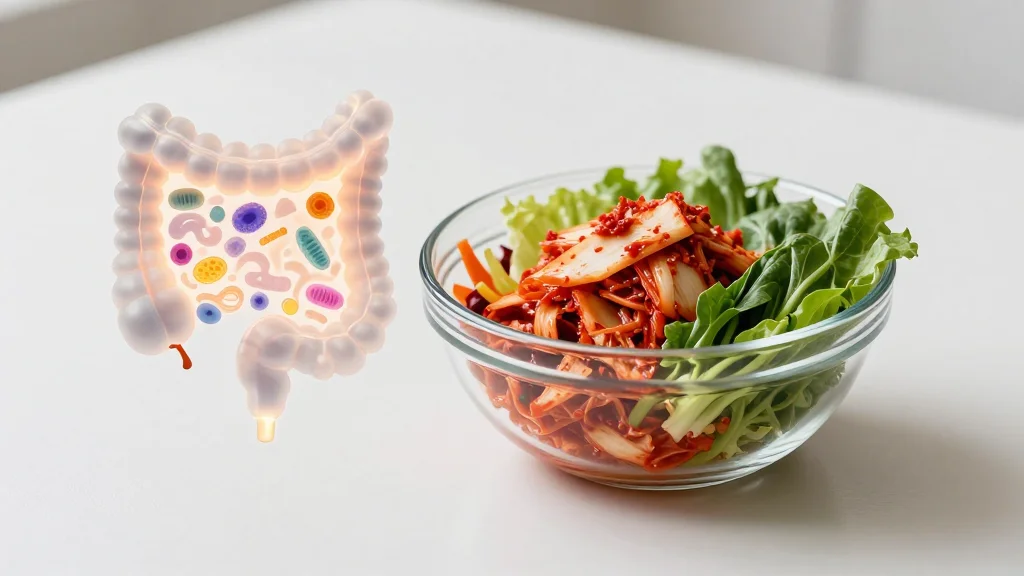
Methionine‑Restricted Diet Cuts Ulcerative Colitis in Mice by Rewiring Gut Microbiome

Why It Matters
The work highlights a mechanistic link between a single dietary amino acid and the gut microbial ecosystem, suggesting that precise nutrient modulation can recalibrate host‑microbe interactions that drive chronic inflammation. If translatable to humans, methionine restriction could expand the therapeutic toolbox for ulcerative colitis, offering a low‑cost, lifestyle‑based adjunct to existing drug regimens. Beyond IBD, the study adds to a broader body of evidence that dietary restriction—whether of calories, specific amino acids, or macronutrients—can influence longevity pathways, immune function, and metabolic health. For the biohacking community, the findings provide a scientifically grounded target for experimentation, while also raising questions about safety, adherence, and the need for individualized monitoring.
Key Takeaways
- •Methionine‑restricted diet lowered ulcerative colitis severity in mouse models.
- •Gut microbiota shifted toward H₂S‑balanced and SCFA‑producing species.
- •Colon tissue showed restored tight‑junction proteins and reduced NF‑κB activity.
- •Human safety trials are slated to begin later in 2026.
- •Potential for biohacker‑driven dietary kits and microbiome‑focused supplements.
Pulse Analysis
The study revives interest in amino‑acid restriction as a lever for immune modulation, a concept that dates back to early caloric‑restriction research but has rarely been applied to specific disease contexts. By pinpointing methionine—a sulfur‑containing essential amino acid—as a driver of microbial metabolite balance, the work bridges two previously siloed fields: nutritional genomics and microbiome therapeutics. This convergence could accelerate the development of precision‑diet platforms that tailor macronutrient intake to an individual’s microbial profile.
Historically, dietary interventions for IBD have focused on fiber, fat composition, or exclusion of trigger foods. Methionine restriction introduces a novel axis—sulfur metabolism—that may complement existing strategies. However, the translational pathway is fraught with challenges. Human diets are far more heterogeneous, and chronic methionine limitation could impair muscle protein synthesis, especially in older adults. Companies that market “biohacking” protocols must therefore balance efficacy claims with rigorous safety data, lest they face regulatory pushback.
Looking ahead, the upcoming human trials will be a litmus test for the commercial viability of microbiome‑centric diets. Positive outcomes could catalyze a wave of investment into nutrigenomics startups, spur collaborations between academic labs and functional‑food manufacturers, and reshape how clinicians counsel patients on diet‑based IBD management. Conversely, inconclusive or adverse results would likely temper the hype, reinforcing the need for evidence‑based approaches in the rapidly expanding biohacking ecosystem.
Methionine‑Restricted Diet Cuts Ulcerative Colitis in Mice by Rewiring Gut Microbiome
Comments
Want to join the conversation?
Loading comments...