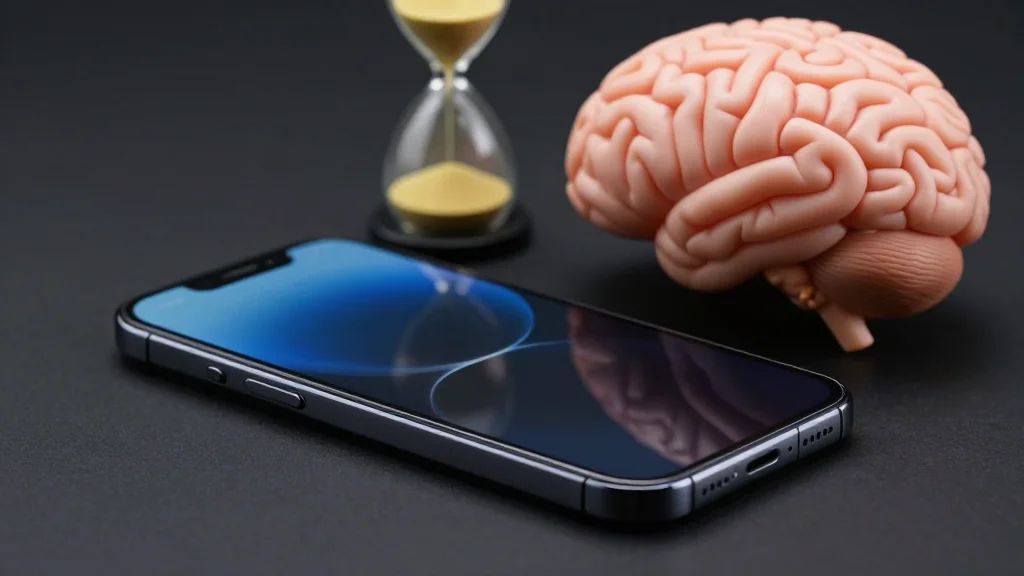
Moderate Screen Time in First 3 Days After Concussion Linked to Teens' Faster Recovery
Companies Mentioned
Why It Matters
The finding challenges the prevailing advice of complete screen avoidance, offering a data‑backed middle ground that could shorten recovery time and reduce school absenteeism for concussed youth. It also signals a need for more precise, evidence‑based guidelines in sports medicine and pediatric care.
Key Takeaways
- •141 min daily screen time in first 3 days speeds recovery 35%
- •Optimal range: 120–240 min/day; less or more slows healing
- •Smartphone use drives benefit; TV moderate use also helps
- •Computer/tablet and gaming showed no significant impact on recovery
- •Study of 80 teens; findings observational, not causal
Pulse Analysis
Concussions remain a leading cause of missed school days and athletic participation for adolescents, and clinicians have traditionally advised strict screen avoidance to prevent symptom exacerbation. Recent research, however, suggests that a balanced approach may be more effective. By quantifying screen exposure with wearable cameras and daily symptom scales, the study provides a granular look at how different digital activities intersect with the brain’s healing timeline, challenging the one‑size‑fits‑all recommendation that has dominated pediatric sports medicine.
The investigators monitored 80 teens aged 11‑17 for up to 45 days, capturing every 30 seconds of visual data to categorize smartphone, TV, computer/tablet, and gaming use. Their analysis revealed a sweet spot: roughly 141 minutes of total screen time per day in the first three days after injury accelerated symptom resolution by 35%, with the most pronounced gains seen in the 120‑240 minute range. Notably, smartphone engagement and moderate TV viewing were the primary drivers of this benefit, while computer/tablet activity and gaming did not demonstrate a statistically significant impact. These nuances underscore that not all screen time is equal, and the content or device type may matter as much as duration.
For parents, coaches, and healthcare providers, the practical takeaway is to replace blanket bans with a calibrated target—about two hours of screen use daily—while monitoring symptom trends. This middle‑ground strategy could reduce recovery periods, lessen academic disruption, and ease the anxiety surrounding post‑concussion care. Nevertheless, the study’s observational design and modest sample size call for randomized trials to confirm causality and explore variables such as screen brightness, blue‑light filters, and content type. As the digital landscape evolves, evidence‑based guidelines will be essential to balance the therapeutic potential of controlled screen exposure against the risks of overuse.
Moderate screen time in first 3 days after concussion linked to teens' faster recovery
Comments
Want to join the conversation?
Loading comments...