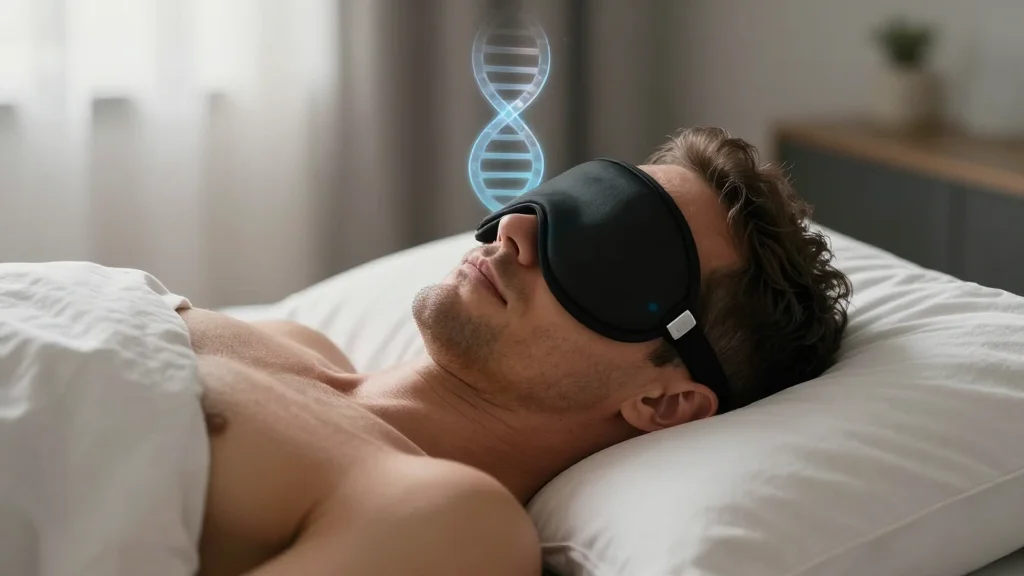
New Study Challenges 8‑Hour Sleep Rule, Calls for Personalized Rest

Why It Matters
The eight‑hour sleep rule has been a cornerstone of mainstream health advice and a daily metric for millions of biohackers. Dislodging it reshapes how individuals approach rest, potentially reducing the prevalence of orthosomnia and the over‑reliance on melatonin supplements. Moreover, personalized sleep strategies could improve productivity, mental health, and long‑term disease risk, aligning biohacking practices with emerging precision‑medicine paradigms. For the broader health industry, acknowledging genetic variability forces a rethink of public‑health messaging, insurance underwriting, and workplace wellness programs. If sleep duration is no longer a universal target, policies that penalize employees for “insufficient” sleep or reward strict adherence to eight‑hour schedules may become obsolete, prompting a shift toward more flexible, evidence‑based standards.
Key Takeaways
- •Altitudes Magazine analysis disputes the universal eight‑hour sleep rule.
- •Only 1%‑3% of adults carry the BHLHE41 short‑sleep gene, thriving on ~6.25 h.
- •Large studies show a U‑shaped mortality curve for both short and long sleepers.
- •U.S. melatonin market hit ~$821 million in 2023, partly driven by sleep anxiety.
- •Wearable and supplement industries may need to pivot to personalized sleep metrics.
Pulse Analysis
The eight‑hour myth survived because it offered a simple, marketable narrative that aligned with industrial work schedules and the rise of consumer wearables. As genetic sequencing becomes cheaper and circadian research matures, the biohacking community is poised to adopt a more granular view of sleep, treating it as a personalized biomarker rather than a static quota. This transition mirrors earlier shifts in nutrition, where macro‑counting gave way to metabolically tailored diets.
From a market perspective, companies that can integrate genotype data with real‑time sleep architecture analytics stand to capture a premium segment of the wellness economy. Start‑ups offering DNA‑based sleep coaching or AI‑driven adaptive alarm systems could attract venture capital, especially as insurers look for cost‑effective ways to mitigate sleep‑related health risks. Conversely, firms locked into the eight‑hour paradigm—particularly those selling melatonin or rigid sleep‑tracking apps—may face declining relevance unless they broaden their value proposition.
Regulators and public‑health agencies will also feel pressure to update guidelines. The National Sleep Foundation’s shift from a fixed eight hours to a 7‑9 hour range was a modest step; a future recommendation that incorporates genetic screening could redefine “adequate sleep” in clinical practice. For biohackers, the immediate takeaway is clear: the next wave of performance optimization will likely hinge on individualized sleep plans, backed by data rather than tradition.
New Study Challenges 8‑Hour Sleep Rule, Calls for Personalized Rest
Comments
Want to join the conversation?
Loading comments...