New Study Finds Plant-Based Diets May Raise Mycotoxin Exposure for Biohackers

Why It Matters
The discovery that plant‑based diets can increase internal mycotoxin levels adds a nuanced layer to the biohacking discourse, which often champions dietary optimization as a cornerstone of human performance. If unchecked, chronic exposure to mycotoxins could undermine the very health gains biohackers seek, from improved metabolic function to enhanced cognitive clarity. Moreover, the study spotlights a systemic vulnerability in global food safety that intersects with climate change, agricultural practices, and consumer demand for sustainable nutrition. For the broader biohacking ecosystem, the findings could catalyze a shift toward more comprehensive testing protocols, the development of low‑toxicity crop strains, and a market for advanced food‑processing technologies. By integrating toxin monitoring into existing self‑quantification frameworks, biohackers can maintain the integrity of their data-driven health regimens while advocating for safer food supplies.
Key Takeaways
- •Halldorsson et al. found higher mycotoxin biomarkers in strict plant‑based eaters.
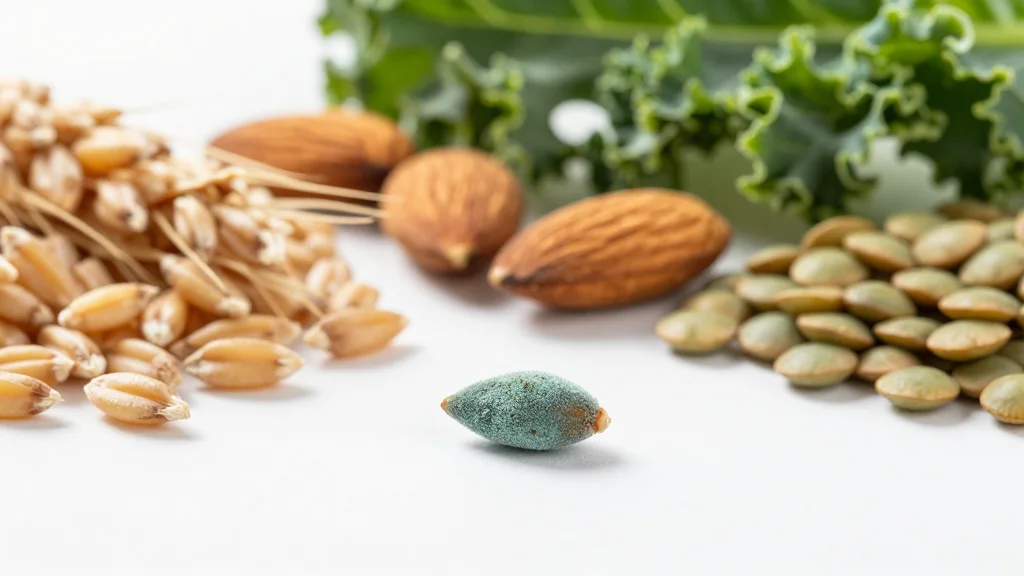
- •Study used direct biomonitoring of blood and urine, linking toxin levels to cereal, legume, nut consumption.
- •Authors caution that elevated biomarkers are not definitive proof of health harm without dose context.
- •Biohackers may need to incorporate mycotoxin testing and mitigation into their self‑optimization routines.
- •Climate change could exacerbate fungal contamination, raising future exposure risks.
Pulse Analysis
The study arrives at a moment when the biohacking community is increasingly embracing plant‑centric nutrition to lower inflammation and improve metabolic health. Historically, biohackers have focused on macronutrient ratios, supplementation and circadian alignment, but rarely on hidden contaminants. This research forces a recalibration: the same foods that deliver essential phytonutrients may also be conduits for mycotoxins, especially when sourced from regions with lax storage standards.
From a market perspective, the findings could accelerate demand for third‑party testing services and for food products certified as low‑mycotoxin. Start‑ups that offer rapid, point‑of‑use toxin detection kits may find a receptive audience among elite athletes and quantified‑self enthusiasts. Simultaneously, traditional grain producers may face pressure to adopt stricter fungal‑control measures, potentially raising costs but also opening premium pricing for ‘clean’ variants.
Looking ahead, the biohacking field is likely to integrate mycotoxin monitoring into its existing data stacks, pairing exposure metrics with genomics and metabolomics to personalize risk assessments. If longitudinal studies confirm that chronic low‑level exposure erodes health markers, we could see a pivot toward diversified protein sources—such as algae, insects or cultured meat—that bypass the fungal contamination pathway altogether. In the short term, the community’s response will hinge on the balance between perceived risk and the convenience of staple plant foods, a tension that will shape dietary guidelines and product innovation for years to come.
New Study Finds Plant-Based Diets May Raise Mycotoxin Exposure for Biohackers
Comments
Want to join the conversation?
Loading comments...