Why It Matters
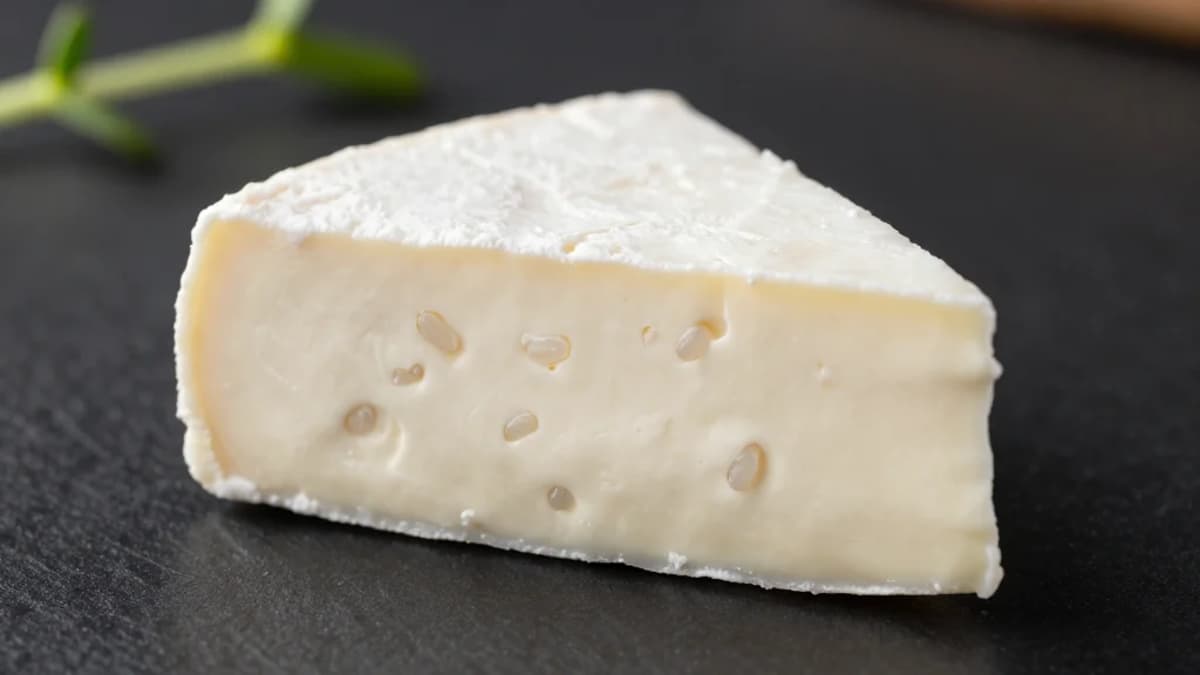
A high‑protein, hypoallergenic vegan cheese could accelerate consumer adoption of sustainable dairy alternatives while unlocking economic value from rice industry by‑products.
Key Takeaways
- •Rice proteins provide 12% protein in vegan cheese
- •Arkansas supplies half of U.S. rice production
- •14.3M tons rice bran and 24.8M tons kernels unused
- •Extraction uses hexane; ultrasound alternative under study
- •Potential to replace oils and eggs in food formulations
Pulse Analysis
The plant‑based cheese market has exploded in recent years, yet most alternatives fall short on protein, limiting their appeal to health‑conscious consumers. Rice, a staple crop with a global supply chain, contains three distinct protein types across brown rice, white rice, and bran. By isolating albumin, globulin, glutelin and prolamin, researchers can formulate cheese analogs that deliver a meaningful protein boost without compromising texture or flavor, positioning rice‑derived cheese as a competitive challenger to soy and nut‑based products.
Arkansas’s rice sector produces over 1.4 million acres annually, accounting for nearly 50% of U.S. output. The associated milling process yields roughly 14.3 million tons of rice bran and 24.8 million tons of broken kernels each year—materials traditionally relegated to animal feed or low‑value applications. Converting this surplus into high‑protein cheese ingredients creates a new revenue stream for growers and processors, while reducing waste and greenhouse‑gas emissions linked to disposal. The economic incentive aligns with broader sustainability goals, making rice‑based cheese an attractive proposition for both agribusinesses and food manufacturers.
Looking ahead, scaling the technology hinges on refining extraction methods. Current reliance on hexane raises regulatory and consumer concerns, prompting the team to explore ultrasound‑assisted extraction, which promises lower solvent use and higher efficiency. Beyond cheese, rice proteins could substitute oils and eggs across a range of formulations, further expanding their market relevance. As supply chains adapt and consumer demand for nutritious, eco‑friendly alternatives grows, rice‑derived cheese is poised to become a staple in the next generation of plant‑based foods.
Rice cheese may be the next big thing
0
Comments
Want to join the conversation?
Loading comments...