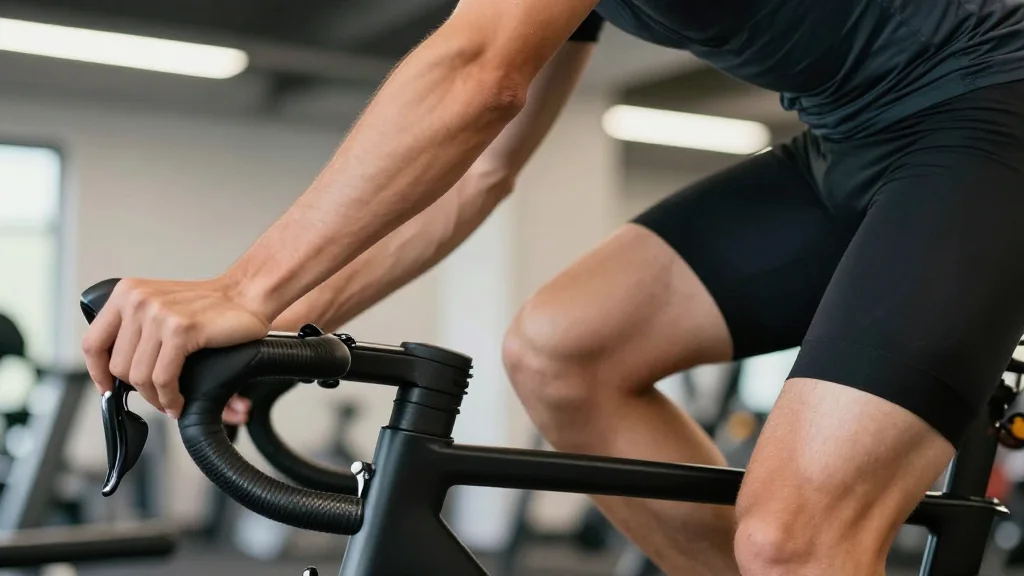
Self‑Selected Music Boosts Workout Endurance by 20% Without Extra Effort

Why It Matters
The study underscores how sensory cues can modulate perceived exertion, opening a new frontier for low‑tech performance enhancement. By proving that a simple, free intervention can meaningfully extend training volume, the research provides a scalable solution for athletes seeking marginal gains and for public‑health officials aiming to raise activity levels without costly infrastructure. If widely adopted, self‑selected music could help close the gap between recommended and actual exercise durations, reducing the burden of sedentary‑related diseases and supporting the broader biohacking movement’s emphasis on accessible, data‑driven self‑optimization.
Key Takeaways
- •University of Jyväskylä study shows self‑selected music adds ~6 minutes (≈20%) to high‑intensity cycling sessions.
- •Heart rate and lactate levels remained unchanged, indicating the benefit is psychological, not physiological.
- •Participants listened to preferred tracks at 120‑140 bpm, a tempo linked to rhythmic movement.
- •Researchers suggest the finding offers a zero‑cost tool for athletes, coaches, and everyday exercisers.
- •Future work will test the effect across larger samples and different exercise modalities.
Pulse Analysis
The Jyväskylä experiment taps into a long‑standing curiosity about music’s role in sport, but it moves the conversation from anecdote to quantifiable evidence. Historically, elite athletes have used curated playlists to prime mental states, yet few studies have isolated the act of self‑selection as the variable. By holding workload constant and only varying auditory input, the researchers demonstrate a clear causal link between personal music choice and endurance, a nuance that could reshape training protocols.
From a market perspective, the results are a boon for fitness‑tech firms that already embed music streaming into their platforms. Companies like Peloton and Zwift may leverage these data to market “personalized soundtrack” features as performance enhancers, potentially driving subscription upgrades. Simultaneously, the finding challenges supplement‑heavy biohacking narratives that prioritize biochemical interventions; it reminds the community that behavioral tweaks can rival more invasive strategies in efficacy.
Looking ahead, the key question is scalability. Will the 20% boost persist in real‑world settings where environmental variables, fatigue accumulation, and competitive pressure differ from a lab bike? If subsequent trials confirm the effect across running, rowing, and high‑intensity interval training, we could see a paradigm shift where playlist curation becomes a standard component of periodized training plans, akin to nutrition timing. For now, the study offers a compelling, low‑risk entry point for anyone looking to hack their next workout.
Self‑Selected Music Boosts Workout Endurance by 20% Without Extra Effort
Comments
Want to join the conversation?
Loading comments...