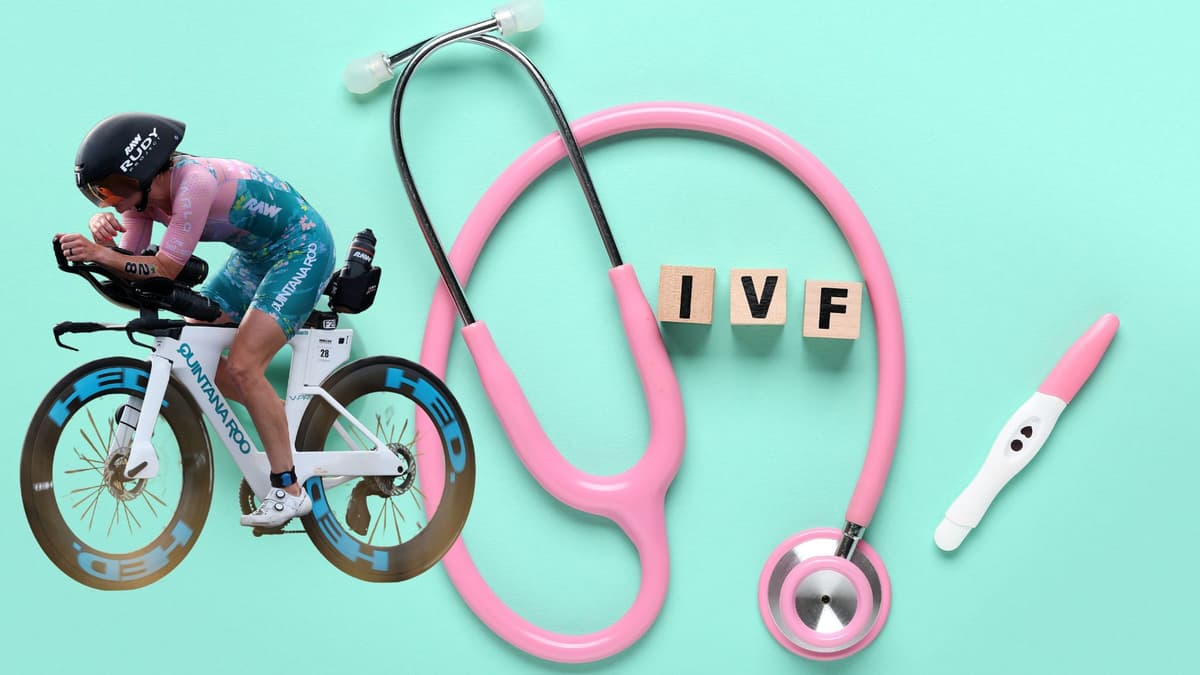
Should Triathletes Stop Training During Fertility Treatments?
Why It Matters
The intersection of elite endurance training and IVF underscores how hormonal stress from high‑intensity exercise can impact fertility outcomes, prompting athletes and clinicians to rethink training regimens during treatment. Understanding this balance is crucial for female athletes seeking both competitive longevity and family planning.
Key Takeaways
- •Pro triathletes pause training to improve IVF success rates.
- •High‑volume endurance training can disrupt hormones, lowering implantation odds.
- •Moderate, low‑impact exercise supports fertility without adding stress.
- •Individualized plans essential; timing within IVF cycle matters.
- •Mental resilience from sport aids coping with IVF uncertainty.
Pulse Analysis
Endurance athletes face a unique physiological dilemma when pursuing IVF. While peak fitness suggests robust health, the hormonal cascade required for successful egg retrieval and implantation is highly sensitive. Research indicates that chronic cortisol elevation and energy deficits from high‑volume training can blunt ovarian response, leading clinicians to recommend reduced intensity during the stimulation phase. This nuanced approach aligns with broader reproductive health findings that moderate exercise improves blood flow and reduces stress, whereas excessive training may disrupt the delicate endocrine balance essential for conception.
For triathletes, timing is as critical as training volume. The IVF cycle comprises distinct windows: ovarian stimulation, egg retrieval, and embryo transfer, each with specific stress tolerances. During stimulation, ovaries are enlarged and more vulnerable, prompting doctors to advise low‑impact activities such as swimming or brisk walking. Post‑retrieval, a brief rest period supports recovery, and around the transfer, light movement is encouraged to avoid added physiological strain. Athletes who tailor their regimens—shifting from high‑intensity intervals to steady‑state cardio—report better mental well‑being, which itself can positively influence fertility outcomes.
Beyond the physical considerations, the mental resilience cultivated through Ironman training offers a strategic advantage. The emotional roller coaster of IVF mirrors the highs and lows of long‑distance racing, demanding patience, adaptability, and a focus on process over immediate results. By reframing IVF as a marathon rather than a sprint, athletes can leverage their coping mechanisms, maintain a sense of agency, and sustain a level of activity that preserves both body and mind. This holistic perspective is increasingly recognized by reproductive specialists, who now advocate for individualized exercise plans that respect both the scientific demands of IVF and the psychological strengths of endurance athletes.
Should Triathletes Stop Training During Fertility Treatments?
Comments
Want to join the conversation?
Loading comments...