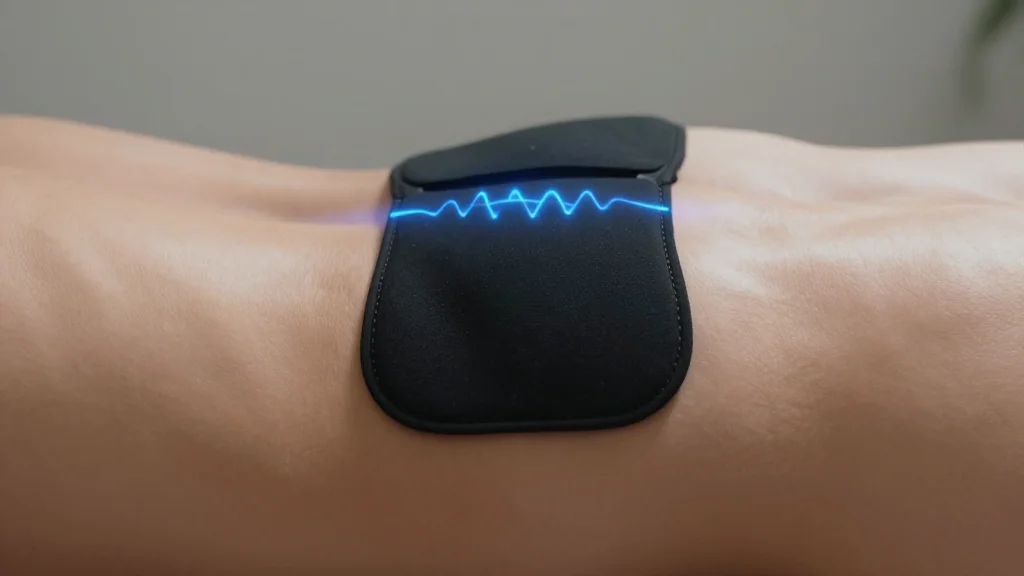
Spinal Stimulation Data Reveal Why High-Frequency Pulses May Miss Key Nerve Pathways
Why It Matters
The work exposes a fundamental inefficiency in current non‑invasive spinal stimulation devices, prompting industry redesign and potentially improving outcomes for paralysis and other neurological disorders.
Key Takeaways
- •High‑frequency pulses miss somatosensory pathways critical for recovery
- •Longer waveforms activate both motor and sensory nerves more effectively
- •Digital‑twin models pinpoint optimal electrode placement and stimulus parameters
- •Current devices prioritize comfort over therapeutic efficacy, raising cost concerns
- •Findings could reshape protocols for spinal injury, MS, and brain disorders
Pulse Analysis
Electrical stimulation of the spinal cord has evolved from a highly invasive procedure—where electrodes are surgically anchored near nerve roots—to a non‑invasive alternative that places surface electrodes over the vertebral column. The latter promises lower procedural risk and broader accessibility, driving a surge of commercial devices in Europe and the United States. Yet, despite rapid adoption, clinicians have lacked a mechanistic understanding of why certain waveforms succeed while others fall short, leaving therapy optimization largely empirical. As insurers evaluate reimbursement, evidence‑based waveform selection will become a key cost‑effectiveness driver.
The collaborative study published in Nature Biomedical Engineering combined electrophysiological recordings from 28 healthy volunteers with high‑resolution, whole‑body computational models—so‑called digital twins—of the human nervous system. By systematically varying pulse frequency, duration, and electrode geometry, the researchers visualized which peripheral nerves were recruited. They found that ultrashort, high‑frequency pulses preferentially excite motor fibers but largely bypass the somatosensory pathways that drive lasting neuroplastic changes. In contrast, longer pulses engage both motor and sensory afferents, producing the stimulation patterns associated with durable motor relearning. The study also demonstrated that digital twins can predict patient‑specific thresholds, paving the way for personalized dosing.
These insights have immediate commercial and clinical ramifications. Device manufacturers may need to redesign waveform libraries, shifting from comfort‑focused high‑frequency bursts to longer, lower‑current pulses that better target the sensory circuitry essential for rehabilitation. Regulators could update guidance to require evidence of pathway‑specific activation, while therapists might adjust protocols to prioritize somatosensory engagement. Beyond spinal cord injury, the same principles could enhance therapies for multiple sclerosis, Parkinson’s disease, and other neuro‑degenerative conditions, positioning precise electrical neuromodulation as a cornerstone of future neuro‑rehabilitation. Early adopters who integrate these findings may achieve faster functional gains, strengthening their market position.
Spinal stimulation data reveal why high-frequency pulses may miss key nerve pathways
Comments
Want to join the conversation?
Loading comments...