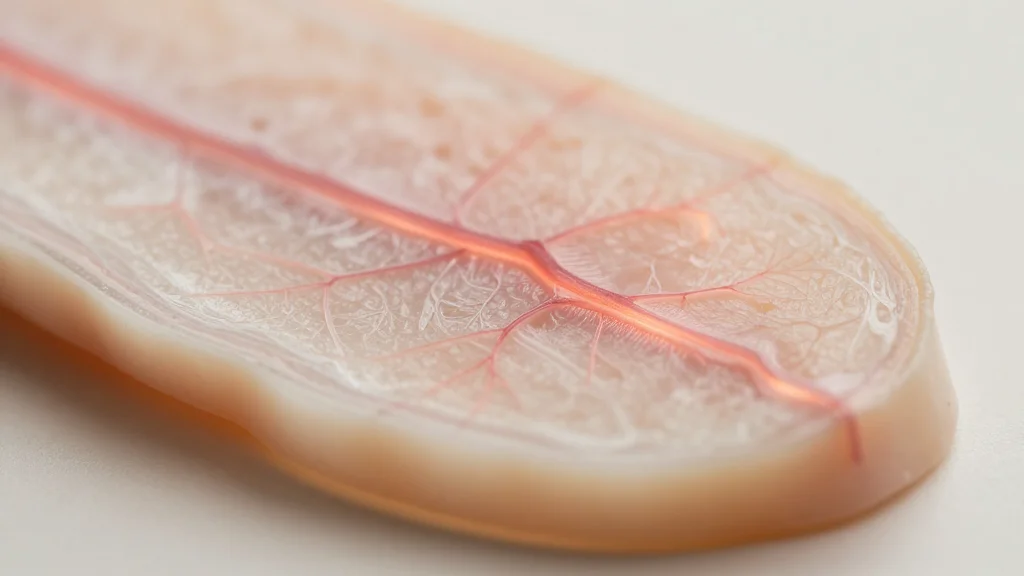
Study Links Fat‑Tissue Blood Vessels to Obesity and Type‑2 Diabetes

Why It Matters
Understanding that fat‑tissue blood vessels actively shape metabolic disease changes the target landscape for both researchers and DIY biohackers. Traditional interventions focus on insulin signaling, appetite regulation, or gut microbiota; this work adds vascular inflammation as a modifiable axis. If therapies can dampen the inflammatory endothelial shift, they may improve glucose control without the side effects of systemic drugs. For the broader biohacking ecosystem, the findings open avenues for precision interventions—such as targeted nutraceuticals, micro‑RNA delivery, or CRISPR‑based editing—that aim to remodel the vascular niche of adipose tissue. This could accelerate the development of personalized metabolic‑optimization protocols that go beyond calorie counting to cellular re‑programming.
Key Takeaways
- •Study analyzed ~70,000 vascular cells from fat tissue of 65 participants.
- •Researchers identified multiple endothelial subtypes, including a novel hybrid cell cluster.
- •Obesity and type‑2 diabetes samples showed a shift toward inflammatory and injury‑related cell profiles.
- •Findings suggest fat‑tissue vasculature is an active driver of metabolic disease, not just a passive conduit.
- •Potential new therapeutic targets include endothelial signaling pathways and cellular plasticity.
Pulse Analysis
The vascular angle on metabolic disease marks a pivot from the hormone‑centric paradigm that has dominated diabetes research for decades. By demonstrating that endothelial cells in adipose tissue undergo disease‑specific reprogramming, the study provides a mechanistic bridge between chronic inflammation and insulin resistance. This aligns with a growing body of work linking microvascular dysfunction to systemic metabolic outcomes, suggesting that the vascular system may serve as both a sensor and effector of metabolic stress.
From a market perspective, the discovery could catalyze a wave of biotech startups focused on endothelial modulation. Companies that have previously targeted vascular health in cardiovascular disease may repurpose pipelines toward metabolic indications, leveraging existing safety data. Meanwhile, the DIY biohacking community—always eager for granular levers—may experiment with nutraceuticals or wearable technologies designed to influence vascular tone and inflammation.
Looking ahead, the key challenge will be translating cellular maps into actionable interventions. Single‑cell atlases are rich in descriptive data but require functional validation. If subsequent animal studies confirm that correcting the endothelial shift restores insulin sensitivity, we could see a new class of metabolic therapeutics entering clinical trials within the next five years. For investors and innovators, the window to stake a claim in this emerging niche appears wide open.
Study Links Fat‑Tissue Blood Vessels to Obesity and Type‑2 Diabetes
Comments
Want to join the conversation?
Loading comments...