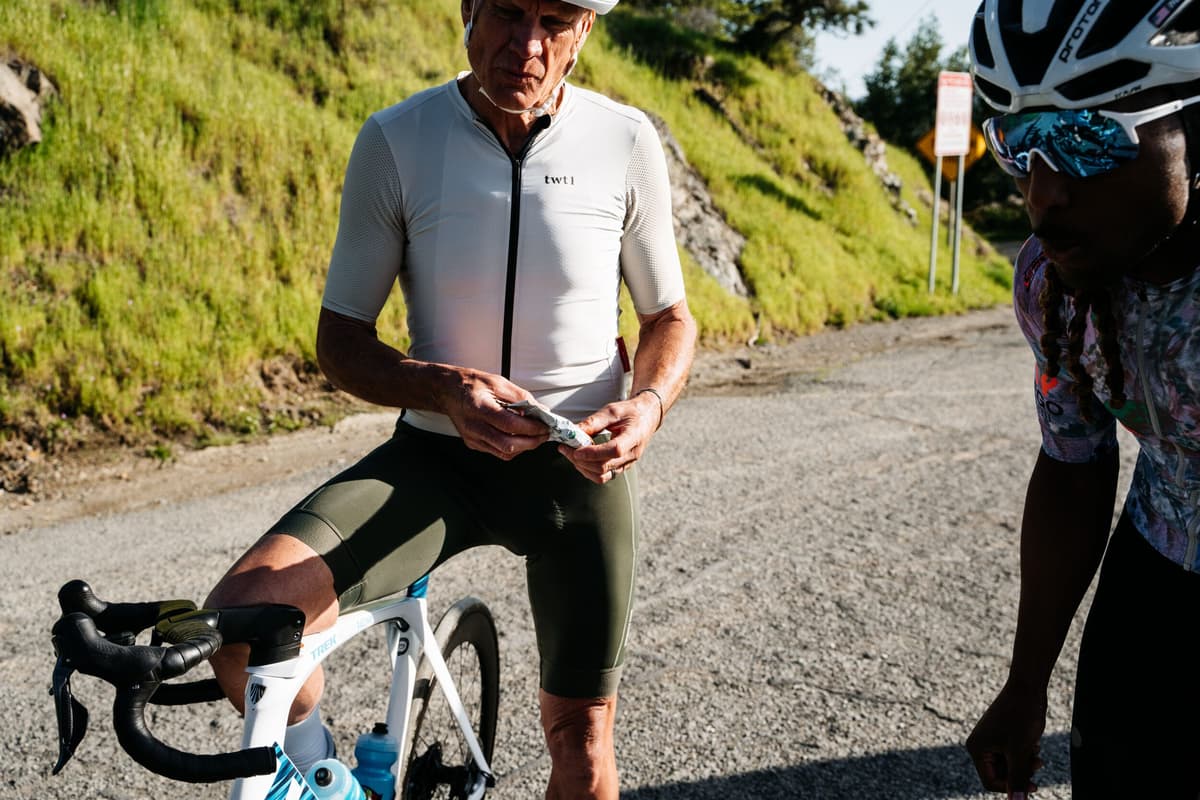
The Over-50 Cycling Problem Nobody Wants to Admit: You’re Underfueling
Why It Matters
Under‑fueling accelerates age‑related performance decline, increasing injury risk and limiting the growing senior cycling market. Addressing nutrition can extend rider longevity and open revenue streams for sports‑nutrition brands.
Key Takeaways
- •Over‑50 cyclists often consume fewer than 50 g carbs per hour
- •Insufficient protein hampers muscle repair and slows recovery after rides
- •Proper hydration and sodium intake prevent fatigue and cramping in older riders
- •Timely post‑ride protein boosts muscle synthesis and reduces soreness
- •Bicycling’s 50+ program offers tailored nutrition and strength guidance
Pulse Analysis
Aging fundamentally alters a cyclist’s metabolic landscape. Muscle protein synthesis slows, glycogen stores deplete faster, and the body’s thirst cues become less reliable. As a result, senior riders who maintain the same fueling habits as younger athletes often experience prolonged soreness, reduced power output, and a higher likelihood of overuse injuries. Recognizing these physiological shifts is the first step toward a nutrition plan that matches the body’s evolving demands.
Targeted fueling strategies can mitigate age‑related declines. Research suggests consuming 45‑60 grams of carbohydrates per hour sustains blood glucose and spares muscle glycogen, while 20‑30 grams of high‑quality protein within 30 minutes post‑ride maximizes muscle repair. Electrolyte balance, especially sodium, becomes critical as older adults experience diminished renal conservation, making regular, isotonic fluid intake essential for preventing cramps and dehydration. Implementing these guidelines transforms recovery from a week‑long slog into a rapid, day‑to‑day process.
The senior cycling segment is expanding rapidly, with a projected 15% annual growth in the U.S. market through 2030. This demographic shift creates lucrative opportunities for nutrition brands, bike manufacturers, and digital platforms offering age‑specific coaching. Programs like Bicycling’s “How to Ride Strong at 50+” illustrate how content providers can monetize expertise by bundling science‑backed nutrition advice with tailored training modules. Companies that align product development with the proven fueling protocols for older cyclists stand to capture both loyalty and market share in this underserved niche.
The Over-50 Cycling Problem Nobody Wants to Admit: You’re Underfueling
Comments
Want to join the conversation?
Loading comments...