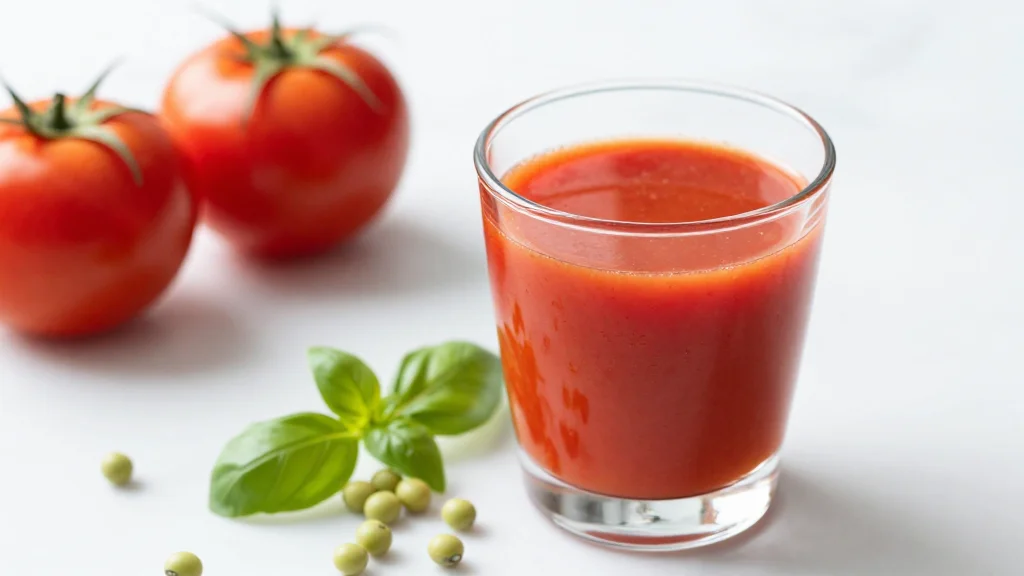
Tomato‑Soy Juice Cuts Inflammation Markers in Obese Adults, Study Finds

Why It Matters
Chronic low‑grade inflammation underlies many obesity‑related conditions, from type 2 diabetes to cardiovascular disease. Demonstrating that a readily consumable beverage can attenuate key cytokines provides a tangible lever for individuals seeking to modulate their immune profile through diet. Moreover, the study bridges a gap between epidemiological observations—such as lower prostate cancer rates in soy‑rich diets—and mechanistic evidence, reinforcing the plausibility of food‑based interventions. If replicated at scale, the results could shift public‑health recommendations toward specific phytochemical targets rather than generic calorie restriction, influencing both clinical guidelines and the burgeoning market for functional foods. The research also highlights the importance of dosage; achieving therapeutic plasma lycopene may require concentrated sources, prompting discussions about fortification standards and labeling.
Key Takeaways
- •Ohio State crossover trial shows tomato‑soy juice lowers three pro‑inflammatory cytokines in obese adults.
- •Participants received ~54 mg lycopene and ~190 mg soy isoflavones daily, far above typical U.S. intake.
- •Plasma lycopene more than doubled, reaching >1,200 nmol/L, a level linked to anti‑inflammatory activity.
- •Study size: 12 participants; duration: 4 weeks per arm with washout period.
- •Researchers plan larger multi‑center trial to confirm findings and explore clinical outcomes.
Pulse Analysis
The Ohio State study arrives at a moment when biohackers are increasingly looking for scientifically validated, low‑risk interventions. Historically, nutrition‑based claims have suffered from a lack of rigorous human data, leaving the field fragmented between anecdote and academia. This trial, with its controlled crossover design and quantifiable biomarker shifts, offers a rare bridge between the two worlds. While the sample is modest, the magnitude of lycopene elevation and the consistent cytokine reductions suggest a biologically meaningful effect that merits further exploration.
From a market perspective, the data could catalyze a wave of product innovation. Companies may invest in high‑lycopene tomato cultivars and soy isoflavone extraction technologies to create ready‑to‑drink formats that meet the dosages shown to be effective. However, scaling up raises questions about cost, taste, and consumer adherence—factors that have historically limited the uptake of functional beverages. Regulatory bodies will also scrutinize health‑claim language, especially if manufacturers begin to market the juice as a “anti‑inflammatory” or “metabolic health” product.
Clinically, the study underscores the potential of targeted nutrition to complement pharmacotherapy. If larger trials confirm reductions in systemic inflammation translate into improved insulin sensitivity or reduced atherosclerotic progression, physicians might prescribe specific food‑based regimens alongside lifestyle counseling. This could redefine the therapeutic toolbox for obesity, positioning diet not just as a preventive measure but as an active, measurable component of disease management.
Tomato‑Soy Juice Cuts Inflammation Markers in Obese Adults, Study Finds
Comments
Want to join the conversation?
Loading comments...