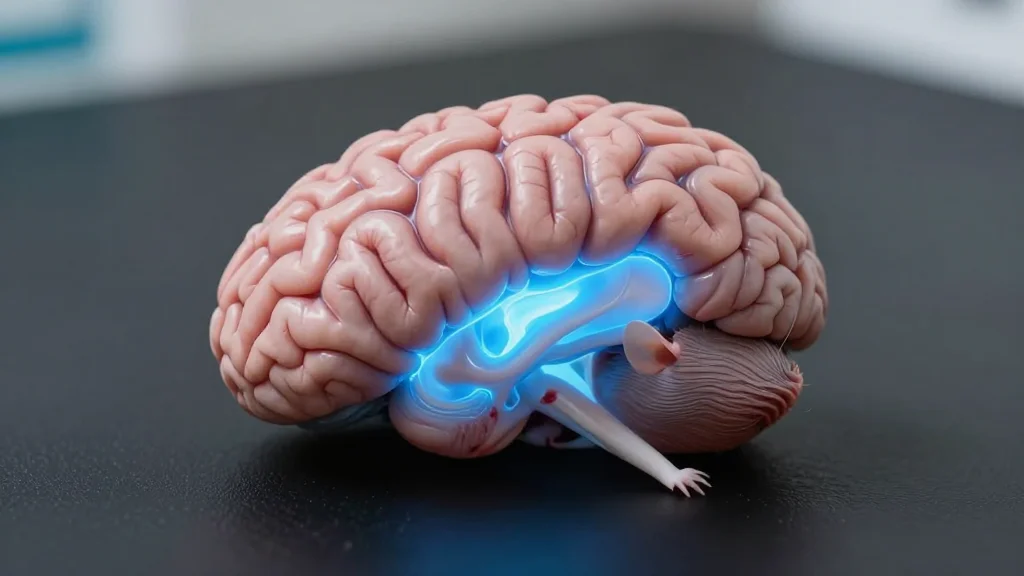
UCSF Researchers Reverse Mouse Brain Aging by Targeting FTL1 Protein

Why It Matters
Reversing brain aging at the molecular level could dramatically extend the functional lifespan of individuals, shifting the focus from disease treatment to true rejuvenation. For biohackers, the FTL1 discovery provides a tangible target for DIY interventions, moving the field beyond speculative supplements toward evidence‑based molecular tools. Beyond individual health, the ability to restore hippocampal connectivity could reduce the societal burden of age‑related dementia, lower healthcare costs, and stimulate a new wave of investment in neuro‑geroscience. The study also underscores the importance of open‑source research collaborations, as the data and protocols are being shared with the broader scientific and biohacking communities.
Key Takeaways
- •UCSF scientists identified FTL1 as the only protein consistently elevated in aged mouse hippocampi.
- •Knocking down FTL1 in 18‑month‑old mice restored neuronal branching and improved memory test scores by ~30%.
- •Gain‑of‑function experiments showed that increasing FTL1 in young mice induced age‑like cognitive deficits.
- •Study published in Nature Aging; senior author Saul Villeda, PhD, highlighted the reversal as a breakthrough.
- •Next steps include larger‑animal trials, safety assessments, and potential biotech partnerships for human therapeutics.
Pulse Analysis
The FTL1 breakthrough arrives at a moment when the biohacking ecosystem is maturing from anecdotal supplement use to precision molecular interventions. Historically, attempts to modulate brain aging have focused on indirect pathways—such as enhancing neurotrophic factors or reducing oxidative stress—without a clear causal target. By pinpointing a single protein whose expression correlates with structural neuronal decay, UCSF provides a mechanistic foothold that could unify disparate biohacking strategies under a common therapeutic axis.
From a market perspective, the discovery is likely to catalyze a wave of venture capital into neuro‑geroscience startups. Firms that can develop safe, deliverable FTL1 inhibitors—whether via antisense oligonucleotides, small molecules, or viral vectors—will command premium valuations, especially if they can demonstrate translational efficacy in primates. Existing nootropic brands may face pressure to substantiate claims with biomarker data, potentially leading to consolidation as larger biotech players acquire niche players with promising pipelines.
However, the path to human application is fraught with regulatory and ethical hurdles. Gene‑editing approaches, while powerful, raise concerns about off‑target effects and long‑term safety, especially in the central nervous system. The biohacking community’s penchant for rapid, unsupervised experimentation could clash with the cautious, phased clinical development required for brain‑targeted therapies. Balancing open‑source innovation with rigorous safety standards will be essential to ensure that the promise of reversing brain aging does not outpace responsible stewardship.
UCSF Researchers Reverse Mouse Brain Aging by Targeting FTL1 Protein
Comments
Want to join the conversation?
Loading comments...